
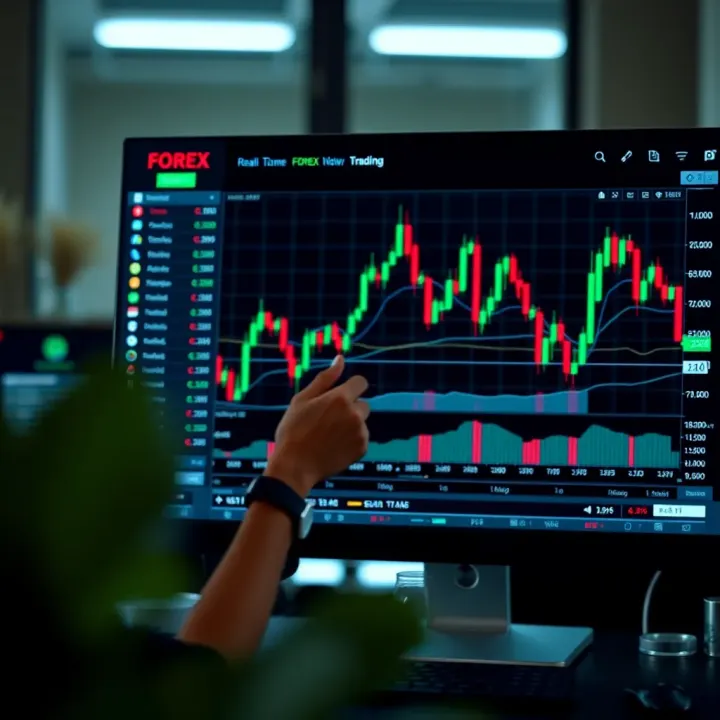
Choosing the Best Forex Broker in Kenya
Find the best forex broker in Kenya 🇰🇪 with tips on regulation, trading platforms, fees, and customer support. Avoid pitfalls & trade smart! 💹
Edited By
Henry Foster
Choosing the right broker is a fundamental step in forex trading. It’s not just about cool platforms or flashy ads — the broker you pick directly impacts your ability to trade efficiently and securely.
First off, look at regulation. Legit brokers in the US must be registered with the National Futures Association (NFA) and regulated by the Commodity Futures Trading Commission (CFTC). Brokers operating without these credentials can be risky; think of regulation as a watchdog filtering out bad actors.
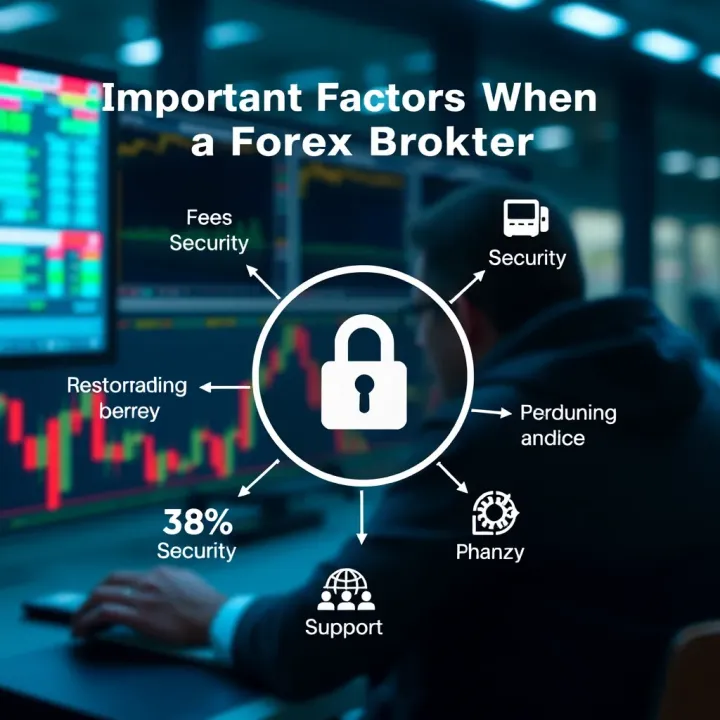
Next, consider spreads and commissions. Forex brokers typically make money through spreads (the difference between buy and sell prices) or charging commissions. Tight spreads are especially helpful for scalpers or frequent traders aiming to minimize trading costs. For example, brokers like OANDA and FXCM offer competitive spreads suitable for active traders.
Execution speed and order types matter too. If a broker’s platform freezes or delays order execution, you might slip into losing territory quickly. Traders often prefer brokers with Direct Market Access (DMA) to avoid requotes and slippage. Interactive Brokers is known for fast execution and a variety of order types, which is a plus for sophisticated strategies.
You should also check the platform and tools on offer. MetaTrader 4 and 5 remain popular for their reliability, but some brokers provide additional features like customizable charts, economic calendars, or automated trading bots. Think of the platform as your trading cockpit—you want the controls to feel intuitive and responsive.
Don't overlook customer service. When issues pop up, having quick and knowledgeable support matters. This could be the difference between solving a hiccup fast or losing precious trading time. Bigger names like TD Ameritrade and ThinkMarkets usually have solid support teams.
Bottom line: The best forex broker fits your trading style, offers clear pricing, moves fast, and stands on a solid regulatory foundation.
Regulatory licenses and registrations
Spread and commission costs
Execution quality and order options
Trading platform features and usability
Customer support availability and responsiveness
By keeping these points in mind, you’ll sidestep common pitfalls and set yourself up with a broker who genuinely backs your trading goals.
Choosing a solid forex broker isn't just about picking the lowest fees or nicest website. It boils down to key qualities that protect your money, give you reliable tools, and suit your trading style. These factors can separate a smooth trading experience from a frustrating one where hidden issues eat at your profits.
Regulation sets trustworthy brokers apart from the fly-by-night operators. In the U.S., brokers regulated by bodies like the Commodity Futures Trading Commission (CFTC) and the National Futures Association (NFA) must follow strict rules, including maintaining segregated client accounts and submitting to audits. This oversight reduces the risk of fraud and mismanagement. International regulators like the UK's Financial Conduct Authority (FCA) also hold forex brokers to high standards, adding another layer of safety if you're trading globally.
Security protocols matter just as much as regulation. Top brokers use end-to-end encryption to guard your personal data and secure your transactions. For example, two-factor authentication (2FA) is a common feature to prevent unauthorized access to your account. Some brokers even offer cold storage options for funds, similar to how cryptocurrencies are sometimes kept offline to avoid hacks. Knowing your funds and information are protected should allow you to focus on trading, not worrying about cybersecurity risks.
A user-friendly platform goes beyond good looks. It should present charts, indicators, order types, and execution options intuitively. MetaTrader 4 and 5 are popular examples, but some brokers develop custom platforms loaded with extra features like sentiment tools or integrated news feeds. Whether you analyze price patterns or automate trades through expert advisors, having the right technical features can influence your success.
Accessibility is another key. Many brokers offer mobile apps that sync perfectly with desktop and web versions. This lets traders keep an eye on positions and execute trades on the go without missing a beat. Say you spot a sudden market move during your commute—you won’t miss the chance to act if your broker’s platform performs seamlessly across devices.
A diverse selection of currency pairs lets you diversify risk or chase specific opportunities. Most traders stick to majors like EUR/USD or USD/JPY, but some brokers offer minor and exotic pairs such as USD/TRY or GBP/ZAR. The latter can provide higher volatility, which might suit more aggressive trading strategies.
On top of forex, some brokers give access to commodities (gold, oil), indices (S&P 500, NASDAQ), and cryptocurrencies. For example, a broker like IG Markets offers extensive CFDs beyond currency pairs, allowing you to balance your portfolio or hedge positions efficiently without opening accounts on multiple platforms.
Understand how brokers charge before committing. Spreads—the difference between buy and sell prices—impact your profit margins immediately. Some brokers offer tight spreads but charge commissions per trade, like Interactive Brokers. Others go commission-free but widen spreads, so total trading costs might be similar.
Watch out for hidden fees too: inactivity charges, withdrawal fees, or markups on swaps can eat profits if unnoticed. The effect on overall profitability can be significant, especially for day traders or scalpers who open numerous trades daily. Always crunch numbers on costs against your trading volume before settling on a broker.
Picking a broker is more than trust. It's about fit. Look for regulation, solid security, practical tools, a broad market choice, and clear pricing. These key qualities form the backbone of successful forex trading.
Choosing the right forex broker goes beyond just low fees and a nice website. Evaluating their reliability and reputation can save you from costly headaches down the line. Reliable brokers handle your funds responsibly, execute trades fairly, and offer support when issues arise. Reputation often reflects how well a broker treats its clients and stands up to regulatory standards.
Finding unbiased reviews can be tricky but is critical for spotting trustworthy brokers. Look beyond sponsored articles or broker-produced testimonials. Independent forums like Forex Factory or Trade2Win often host genuine user experiences. Also, websites that gather user-generated reviews tend to balance positive and negative points fairly.
Spotting red flags in complaints helps you avoid brokers with persistent problems. If you notice repeated issues like withdrawal delays, unfair trading practices, or poor platform reliability, those are serious warning signs. A single isolated complaint isn’t necessarily a dealbreaker, but a pattern matters. For example, several traders reporting stuck withdrawals over a few months indicates a potential liquidity problem or poor customer management.
Clear policies on deposits and withdrawals are non-negotiable. Brokers should lay out exactly how long fund transfers take, any fees involved, and the methods supported. For instance, if a broker lets you deposit via credit card or bank transfer, but withdrawals can only happen through wire transfers with a hefty fee, that’s vital to know upfront.
Availability and responsiveness of support teams make a big difference, especially when the market moves fast, and you need help immediately. A broker that's tough to reach or has slow response times can cost you money and stress. Look for brokers offering 24/7 support via multiple channels like live chat, phone, and email. Responsive customer service means quicker problem resolution, whether it’s a technical glitch or a disputed trade.
Remember, when evaluating broker reliability and reputation, focus on objective evidence like user feedback, clear policies, and fast, effective support. These factors directly impact your trading peace of mind.
In short, do your homework on brokers by digging into unbiased reviews, watch out for common complaints, and confirm they offer crystal-clear financial policies supported by solid customer service. This groundwork protects your investment and helps you trade confidently.
Selecting the right account type and understanding minimum deposit requirements can dramatically affect your forex trading experience and potential profitability. These factors shape the trading conditions you’ll face, from risk exposure to available tools, making them essential to evaluating brokers.
Most brokers offer standard, mini, and micro accounts, each representing a different scale of trading size and risk. A standard account usually involves trading a full lot of 100,000 currency units. This suits serious traders who have the capital and risk tolerance for larger positions. In contrast, mini accounts trade 10,000 units per lot, offering a middle ground ideal for those building confidence or managing smaller capital. Finally, micro accounts handle just 1,000 units per lot, which is perfect for beginners wanting to test waters with minimal risk. For example, if a trader wants to limit potential losses while gaining experience, starting with a micro account can be the smartest move.
Brokers also design accounts specifically for different skill levels. Beginner accounts often come with educational resources, lower minimum deposits, and simplified trading platforms, helping newcomers ease into the complex world of forex trading. Professional accounts, by contrast, may allow for higher leverage, direct market access, and advanced analytical tools tailored to active or institutional traders. Take IG Group’s professional account offerings—they provide features geared to experienced traders willing to trade higher volumes and access deep liquidity.
The minimum deposit is a key barrier to entry that determines which accounts you can access and how much freedom you have in your trading pursuit. A broker requiring a $500 minimum may grant access to standard accounts with lower spreads, while a $50 minimum might only open the door to a micro account with limited features. Higher deposits generally unlock more trading options and sometimes better pricing, but they also increase financial exposure.
Balancing your budget with broker offerings means matching your available capital to accounts that provide the best value without stretching your resources thin. If you're trading with a tight budget, aiming for brokers like OANDA or Forex.com—which offer micro accounts with deposits as low as $50—can help you get started without overextending yourself. On the other hand, if you have more capital to play with, choosing brokers that offer professional-level accounts with extra perks might give you an edge.
The bottom line is finding an account type that fits your trading style and financial capacity helps you trade confidently without exposing yourself unnecessarily.
Choosing wisely on these fronts puts you in control and positions you for smoother growth as you navigate forex markets.
When picking a forex broker, knowing which ones have earned a solid reputation matters a lot. Popular brokers with a track record of quality offer confidence through solid regulation, transparent pricing, and reliable execution. Traders benefit because these brokers usually provide consistent service, fewer surprises, and better protection of funds.
Brokers regulated by the Commodity Futures Trading Commission (CFTC) and the National Futures Association (NFA) hold a significant advantage in the U.S. market. These regulatory bodies enforce strict rules on capital requirements, client fund segregation, and fair trading practices. For example, brokers like Forex.com and OANDA are registered with the CFTC and NFA, offering traders peace of mind knowing these firms undergo regular audits and compliance checks.
Practically, choosing a broker regulated by these agencies means your funds are better safeguarded, and you'll have a clear complaint pathway if issues arise. These firms must comply with anti-money laundering rules and offer transparent disclosure of risks and fees, reducing the chance of hidden pitfalls or fraud.
Internationally recognized brokers bring another layer of credibility. Firms regulated by entities like the UK’s Financial Conduct Authority (FCA), Australia’s ASIC, or Japan’s FSA demonstrate a global commitment to safety and fairness. Take IG Group, for instance, regulated by the FCA; it must meet rigorous capital and reporting standards that align with international best practices.
These brokers also often support multi-currency accounts, provide diverse currencies beyond major pairs, and comply with local investor protections. This international oversight can be helpful if you want access to different markets or seek brokers operating with high transparency and strict oversight beyond U.S. borders.
A growing number of brokers attract traders by offering unique trading platforms and fast execution times. Brokers such as Interactive Brokers and Thinkorswim provide customized interfaces that allow traders to automate strategies, access advanced charting tools, and execute trades within milliseconds. Quick execution minimizes slippage — especially important for scalpers or day traders aiming to capitalize on tiny price moves.
Moreover, distinct platforms enhance user experience with features like one-click trading, integrated news feeds, and real-time risk management. Having access to mobile, desktop, and web platforms ensures you can trade anytime and anywhere with flexibility.
Educational resources and tools are another important element. High-quality brokers often provide extensive tutorials, webinars, and simulation environments to help traders sharpen skills. For instance, TD Ameritrade’s thinkorswim offers a virtual trading feature alongside webinars and market analysis to support traders of all levels.
These resources aren’t just fluff—they allow you to test new strategies without risking money, understand market mechanics better, and stay updated on market events. Good brokers recognize that well-informed traders tend to stick around longer, trading smarter and minimizing costly errors.
When choosing your forex broker, look beyond just fees and spreads. Consider the broker’s regulation, platform technology, and commitment to trader education—these can heavily impact your trading success and peace of mind.
In short, picking a well-regulated, innovative broker with solid education offerings means you’re not only trading currency pairs but investing in your trading future with the right support system.
Choosing a forex broker means matching their offering to your way of trading. Not all brokers serve every style equally well. Whether you're scalping quick moves, holding swings, or relying on automated systems, the right broker should support your strategy without adding roadblocks.
Scalping demands lightning-fast trade execution and tight spreads since profits come from tiny price changes. A broker with slow platforms or wide spreads can quickly eat into gains. Swing traders, who hold positions for days or weeks, need stable platforms and reliable support for technical analysis but can tolerate slightly higher spreads. Meanwhile, automated traders want robust APIs and compatibility with popular trading bots or custom scripts. Not every broker supports these features, so it's key to check what's available before committing.
How you pick a broker will impact how well your chosen strategy plays out. Take scalpers, for example: if the broker's execution lag or slippage is high, even the sharpest trades can turn sour. Swing traders face less risk from execution speed but rely more on rich charting tools and maybe access to diverse currency pairs. Automated traders must ensure their broker allows algorithmic trading without constant restrictions or sudden policy shifts, which could interrupt their systems and cause costly errors. In short, picking a broker insensitive to your trading style can cost both time and money.
Most reputable brokers offer demo accounts to simulate real trading without risking actual money. Using a demo account lets you explore the broker's platform, test trade execution, and get a feel for the order types and tools available. For example, you can check if charting features work smoothly or if mobile apps respond quickly. This hands-on approach prevents unpleasant surprises that often come from relying solely on online specs or reviews.
Avoiding issues before moving real funds is non-negotiable. Demo accounts help catch problems like hidden fees, slow withdrawal processes, or platform crashes early on. Suppose you find the platform often freezes during high volatility in your demo—this signals trouble for live trading. Without this trial period, you might discover such flaws only after investing real money, which can harm your confidence and your wallet. So, always take advantage of demos to make sure the broker fits your needs and runs reliably under your specific trading conditions.
Bottom line: a broker should be chosen based on how well they match your trading style and how comfortably you can use their platform—not just hype or reputation.
This focused approach reduces risk, enhances performance potential, and leads to a smoother trading experience.
Find the best forex broker in Kenya 🇰🇪 with tips on regulation, trading platforms, fees, and customer support. Avoid pitfalls & trade smart! 💹
Learn how to start forex trading in Kenya 🇰🇪 with easy steps on choosing brokers, mastering strategies, and managing risks. Trade smarter and protect your KSh💰.
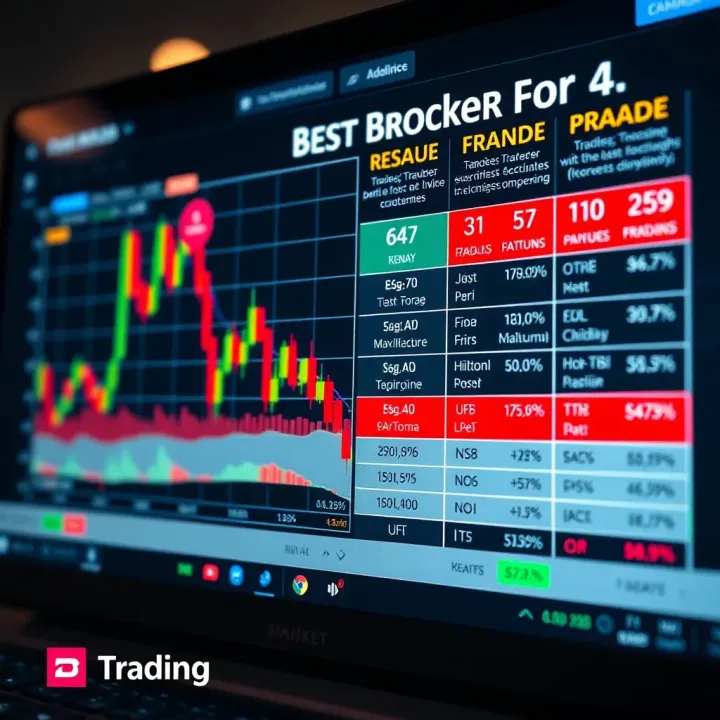
Find the best forex brokers for Kenyan traders 🇰🇪 with tips on regulations, fees, platforms, and support to trade confidently and securely 📈💼

📚 Discover top books for forex trading success! Learn strategies, market analysis, psychology & risk management tailored for Kenyan traders and beyond.
Based on 7 reviews