

Top Books for Forex Trading Success
📚 Discover top books for forex trading success! Learn strategies, market analysis, psychology & risk management tailored for Kenyan traders and beyond.
Edited By
James Hamilton
Forex trading involves buying and selling currencies in the global market. For Muslim traders, the question often comes down to whether this practice aligns with Islamic law, or Sharia. At the heart of this debate are concepts like riba (usury), gharar (excessive uncertainty), and speculation — all sensitive topics in Islamic finance.
First, riba clearly refers to any guaranteed interest on loans or investments. Many forex transactions can trigger riba issues, especially when brokers charge interest on overnight positions (known as swap or rollover fees). This kind of interest is usually forbidden in Islamic finance.

Second, gharar involves ambiguity or uncertainty that can lead to unjust gain. Forex markets are highly volatile and speculative, which raises red flags for some scholars about excessive uncertainty and gambling-like behavior. For example, if you trade based purely on guesswork or high risk with no asset backing, that could fall into forbidden territory.
Third, speculation itself is debated. While some trading requires calculated risk and analysis, pure gambling or betting on currency moves without underlying value can be seen as haram. The line is thin and opinions vary among Islamic scholars and financial authorities.
Many Islamic finance experts advise caution with regular forex trading due to these issues, but not all trading is automatically out of bounds.
Some forex platforms offer Sharia-compliant accounts, which remove interest fees and adhere to Islamic contract principles. These accounts help Muslim traders avoid riba but don’t eliminate all concerns about speculation or uncertainty.
Here are key points to consider when evaluating forex trading through an Islamic lens:
Check if your broker offers swap-free, Sharia-compliant accounts.
Avoid excessive leverage; high leverage can magnify uncertainty and risk.
Base your trades on solid market research rather than guesswork or gambling impulses.
Understand that some scholars allow trading if done with transparency and no involvement in haram elements.
Ultimately, the permissibility of forex trading hinges on how it's conducted. Traders should consult knowledgeable Islamic finance scholars or advisors familiar with both Sharia and forex operations before diving in. For those seeking to be strictly compliant, focusing on platforms and strategies that minimize riba, gharar, and speculation is vital.
Understanding these foundational Islamic finance concepts will help you make better decisions about forex trading within religious guidelines while managing risks effectively.
To grasp whether forex trading fits within Islamic guidelines, understanding core Islamic finance principles is a must. These principles shape what kinds of financial activities are considered lawful—or halal—and which are not, or haram. For anyone involved in forex trading, knowing these rules helps avoid unintentional violations of religious tenets.
Definition and prohibition of riba (usury): Riba basically means interest. Islamic law strictly forbids earning or paying interest. In a trading context, this prohibition targets any guaranteed return without risk or effort. For example, if a trader gains profits simply because they held a position overnight and an interest charge (called "swap" in forex) applies, this can be seen as riba. Avoiding riba is central since interest-based profit is considered exploitative and unfair.
The role of gharar (excessive uncertainty): Gharar refers to excessive uncertainty and ambiguity in contracts, which Islam discourages. If a transaction's terms are unclear or if the outcome is highly unpredictable, it's likely to contain gharar. Applying this to forex, entering a deal without proper knowledge of prices or delivery terms could introduce gharar. Contracts that are too vague or gambling-like fail to meet Islamic standards.
The issue of maysir (gambling) in financial transactions: Maysir covers games of chance or gambling. Financial activities resembling gambling—where gain depends purely on luck rather than effort or skill—are prohibited. High-risk speculative forex trades, where traders bet on price swings without underlying asset ownership or productive activity, can fall under maysir. This overlaps with gharar but focuses more on the nature of winning through chance.
What makes a transaction permissible: A halal transaction must involve fairness, transparency, and risk-sharing rather than risk-shifting. The contract terms should be clear, agreed upon by all parties, and free of interest or gambling elements. Ownership transfer should happen promptly to avoid uncertainty. For example, a spot trade with immediate settlement is generally acceptable compared to a contract settled far in the future with ambiguous price terms.
Examples of halal vs. haram financial practices:

Halal examples: Selling goods or currencies for immediate delivery with agreed prices, partnership-based investments sharing profit and loss, or leasing agreements without interest.
Haram examples: Charging or paying interest (riba), trading contracts based on future uncertain outcomes (futures without actual asset delivery), and gambling-driven activities where profit depends on pure chance.
Bottom line: Understanding these Islamic finance concepts is crucial for Muslim traders. It allows them to navigate forex trading in ways that respect religious limits and avoid common pitfalls involving interest, uncertainty, and gambling.
This framework forms the backbone for evaluating specific forex practices next, helping traders identify which strategies align with Islamic finance principles.
Forex trading raises several concerns when viewed through Islamic finance principles. It’s crucial to understand these issues to determine what aspects comply with Sharia law and which do not. The main points of focus are the nature of contracts used, the presence of interest payments, and the role of speculation or gambling.
Islamic finance requires immediate delivery in transactions, which means the exchange of currencies must happen hand-to-hand or at once. This is why spot trading, where currencies are exchanged on the spot or within two business days, generally aligns better with Islamic principles.
By contrast, forward and futures contracts involve agreements to exchange currency at a future date, often with prices fixed in advance. These contracts can be problematic because the actual exchange and delivery are delayed, introducing excessive uncertainty (gharar). This delay also risks becoming a form of debt or speculation rather than a straightforward sale, which is often seen as noncompliant with Islamic law.
Interest, or riba, manifests in forex mainly through rollover fees or swap rates applied when a position is held overnight. These fees result from interest rate differentials between currencies. For example, if you hold a position in a currency with a higher interest rate against one with a lower rate, the broker may credit or debit your account accordingly.
Riba is explicitly forbidden in Islam because it’s seen as unjust gain without equivalent effort or risk. Charging or earning interest creates an imbalance and exploitation, which Islamic law aims to avoid. This makes traditional forex trading models offering interest-bearing accounts incompatible with Sharia principles unless these fees are completely removed or replaced.
Forex markets are known for their high volatility, with prices swinging wildly in short periods. This unpredictability creates a scenario ripe for gambling (maysir), which is clearly prohibited in Islam. The concern arises when traders engage in highly speculative activities, betting on currency price moves without genuine trade or economic activity backing their positions.
However, the line between legitimate trading and gambling depends on intent and method. Trading becomes closer to permissible business if it involves genuine risk, due diligence, and the intent to earn through actual market participation rather than pure luck.
In summary, key concerns in forex from an Islamic perspective revolve around contract terms, the role of interest, and ensuring trading does not slide into gambling. Keeping these factors in check is essential for compliance.
Understanding these issues helps Muslim traders navigate the complexities of forex, seeking options and strategies that respect their religious values while engaging the global currency markets effectively.
Islamic scholars and fatwas, or Islamic legal rulings, play a key role in guiding Muslim traders on whether forex trading fits within religious boundaries. Their interpretations affect how millions of Muslims approach forex markets, especially given the complex nature of forex transactions and the moral considerations around things like interest (riba) and uncertainty (gharar). Understanding these views helps traders make informed decisions aligned with their faith.
Some scholars consider forex trading permissible if it meets strict conditions. The main condition is that the trade must be immediate—meaning the currency exchange occurs instantly without delay. This is rooted in traditional Islamic finance principles that forbid deferred payment for spot transactions to avoid uncertainty and speculation. For example, trading spot forex on platforms that settle transactions instantly can be viewed as halal. These scholars generally emphasize avoiding interest charges and speculation akin to gambling.
On the other hand, other scholars argue that forex trading is impermissible due to concerns about excessive risk and involvement with interest-based practices. Futures or forward contracts, which involve settlement at a later date, are usually labeled haram because they introduce gharar and are seen as speculative bets instead of genuine trade. For traders, this means they should avoid margin accounts or swap-based trades that charge or gain interest overnight, as these practices conflict with Islamic principles.
Sharia boards evaluate forex trading through criteria that focus on the nature of the transaction, the presence of riba, and the level of uncertainty involved. They ensure that transactions avoid deferred delivery, interest, and gambling elements. These boards also assess whether brokers offer swap-free or Islamic accounts that remove overnight interest fees, making trading compliant with Islamic law.
Institutions like the Accounting and Auditing Organization for Islamic Financial Institutions (AAOIFI) provide standards that many Sharia boards reference. Additionally, Islamic finance authorities in countries such as the UAE and Malaysia issue guidelines and fatwas on forex trading, offering practical advice to brokers and traders. Their rulings shape the options available to Muslim traders, often encouraging them to use specifically designed Islamic forex accounts to maintain compliance.
Understanding the spectrum of scholarly opinions and the role of Sharia boards empowers Muslim traders to engage in forex markets with confidence, knowing they can find compliant paths that respect their faith while navigating complex financial terrain.
Sharia-compliant forex trading offers Muslim traders a way to engage in the markets without conflicting with Islamic financial laws. These options are designed to address key concerns like riba (interest), gharar (excessive uncertainty), and maysir (gambling). Specialized trading accounts and platforms use structures that avoid these forbidden elements, making forex trading more accessible for those who follow Islamic principles.
Swap-free accounts, often called Islamic accounts, eliminate the overnight interest typically charged or credited when positions are held past a certain time. Instead of rollovers generating interest payments, these accounts operate without swaps, aligning with the prohibition against earning or paying interest in Islam. For example, brokers like IG and OANDA offer swap-free options that adjust their fee structures to maintain fairness without charging interest on held positions.
This feature is crucial because standard forex accounts expose traders to interest through rollover swaps, which Islamic finance prohibits. By using swap-free accounts, traders can hold positions overnight and beyond without accumulating interest, keeping their trading halal.
Besides removing swaps, Sharia-compliant accounts also minimize exposure to excessive risk, another key concern in Islamic finance. Many platforms require immediate settlement on trades, avoiding deferred payments that can cause gharar or uncertainty. Moreover, these accounts often impose tighter risk controls and transparency, helping traders stay clear of speculative behaviors that resemble gambling.
A practical example is how some brokers enforce stricter margin requirements and forbid high-leverage trades on Islamic accounts. This reduces the likelihood of sudden losses and aligns trading with the Islamic emphasis on ethical risk-taking.
Selecting a trustworthy broker that explicitly provides Sharia-compliant accounts is the first step toward halal forex trading. Brokers like FXTM, IC Markets, and XM are known for offering these accounts and subjecting their products to Sharia board reviews. This oversight helps ensure the broker’s practices align with Islamic finance rules.
Always look for brokers with transparent policies, clear disclosures about swap-free conditions, and endorsements or certifications from recognized Islamic finance authorities. Avoid brokers that only claim compliance without independent verification, as this can lead to unintended haram exposure.
Traders must also adopt techniques that respect Islamic ethics beyond account choice. This means avoiding excessive speculation and refraining from trading purely for gambling-like outcomes. Keeping position sizes reasonable and focusing on markets and currencies backed by stable economic fundamentals supports responsible trading.
Additionally, keeping detailed records and ensuring all transactions are settled instantly reduce risks of gharar. Using clear contracts and avoiding ambiguous terms can also keep trades aligned with Islamic principles. In essence, staying diligent and informed helps you maintain ethical standards in your forex activities.
Choosing the right account and broker, combined with mindful trading practices, lets Muslim traders participate in forex without compromising their faith's guidelines.
📚 Discover top books for forex trading success! Learn strategies, market analysis, psychology & risk management tailored for Kenyan traders and beyond.
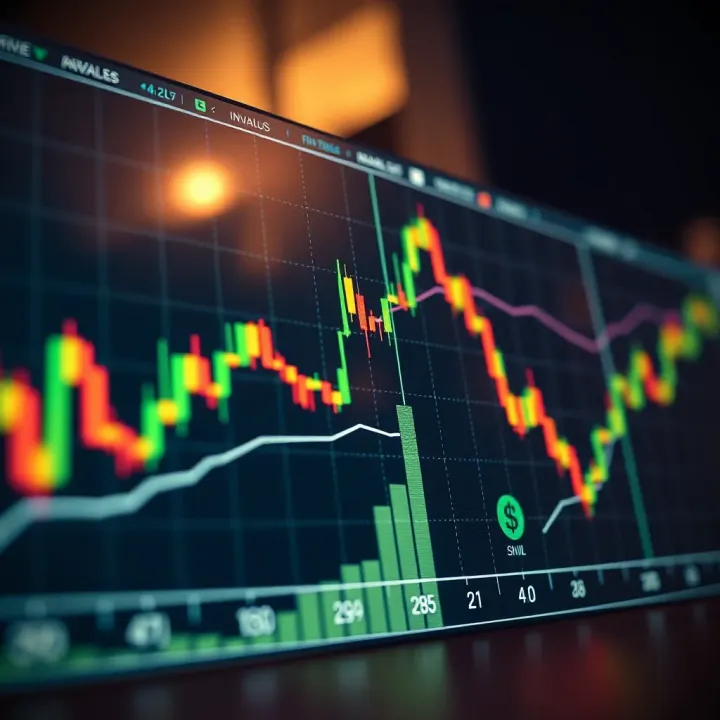
📈 Master forex trading with practical tips for Kenyan traders. Learn risk management, market insights, and tools to trade smart and grow your KSh profits wisely.
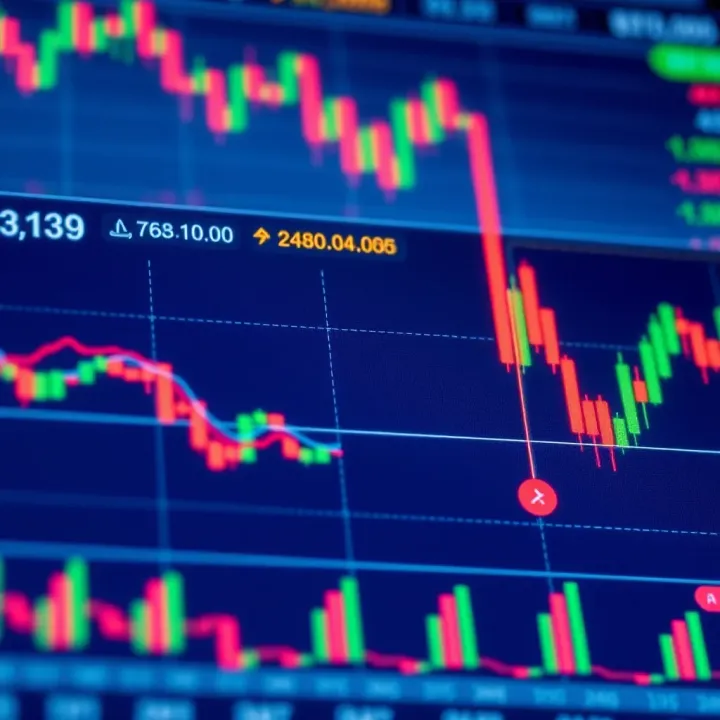
📈 Learn forex trading step by step with practical tips for Kenyan traders. Master market analysis, account setup, risk control & build a winning plan confidently.

📈 Learn how resistance and support levels guide forex traders in spotting price reversals, making informed decisions, and handling challenges in the Kenyan market.
Based on 15 reviews