
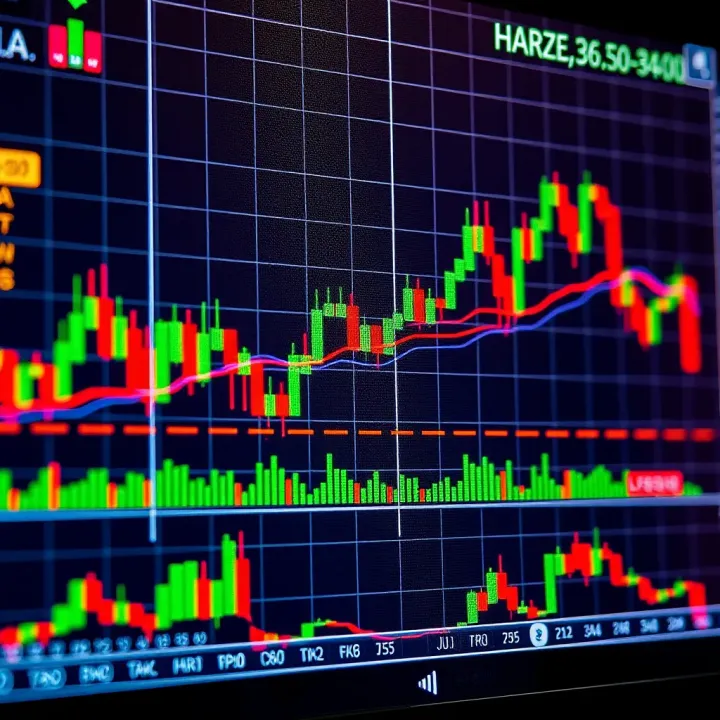
Forex Trading Charts Guide for Kenyan Traders
📊 Master Forex trading charts in Kenya! Learn to read patterns, choose time frames, and use indicators confidently for smarter currency trading decisions.
Edited By
Charlotte Bennett
Forex trading in Kenya has grown fast, attracting many looking to earn from currency movements. The forex market, where currencies are bought and sold, operates 24/5 and offers opportunities for profit if you understand the basics and risks involved.
Many beginners wonder where to start and how to navigate the complexities. The good news is, with the right approach, you can set up your trading journey without getting overwhelmed. This guide explains clear steps to help you begin trading forex confidently.

Before you dive in, it's important to understand key terms such as currency pairs, leverage, pip, and spread. For example, the USD/KES pair shows how many Kenyan shillings one US dollar buys. Forex trading relies on predicting these currency price changes to make gains.
To trade, you must open an account with a broker that supports Kenyan clients. Look for brokers licensed by the Capital Markets Authority (CMA) Kenya or reputable international brokers accepting M-Pesa deposits. Avoid unregulated entities that could jeopardise your funds.
Opening forex accounts typically requires your KRA PIN, national ID, and proof of address. Funding is now easy with M-Pesa, saving you from stiff bank charges and delays.
Once your account is ready, practise with demo accounts which offer virtual cash to sharpen your skills without risking real money. After gaining comfort, start small with live trading and keep risk management a priority. Use stop-loss orders to limit losses and avoid over-leverage, which can wipe out your account quickly.
In Kenya, many traders combine forex with other hustles, so managing your time and emotions is vital. Keep learning from local forums, financial news, and training sessions, as markets shift quickly.
This article will take you through setting up your account, choosing trustworthy brokers, understanding payment options, and essential strategies to manage risk and grow steadily as a forex trader.
Start with care, plan well, and build your forex skills gradually. Kenyan economic trends and the shilling’s movement offer realistic trading opportunities if approached wisely.
Getting a solid grasp of forex basics is key for anyone venturing into trading, especially beginners in Kenya. It helps you understand how the market operates, what factors influence currency movements, and how to manage your trades more effectively. For example, knowing the trading hours of the forex market can prevent you from attempting trades during illiquid times.
The forex market, short for foreign exchange market, is where different currencies are bought and sold. It’s the largest financial market globally, operating 24 hours a day across different time zones. In practical terms, it allows you to trade currencies, such as the US dollar or Euro, and make profits from their changing values.
Major currency pairs dominate this market. These include pairs like EUR/USD (Euro against US dollar), USD/JPY (US dollar against Japanese yen), and GBP/USD (British pound against US dollar). These pairs tend to be the most liquid and have tighter spreads, which means trading them often costs less in charges.
Forex trading works by speculating on the price movements between currency pairs. You buy a currency pair if you expect the base currency to strengthen against the quote currency, or sell if you think it will weaken. For instance, if you believe the Euro will rise against the dollar, you buy EUR/USD, aiming to sell it later at a higher price.
Pips, lots, and leverage are foundational terms. A pip represents the smallest price movement in a currency pair, often 0.0001 of the base currency. Lots refer to the size of each trade; a standard lot equals 100,000 units of the base currency. Leverage allows you to control a larger trade size with a smaller deposit, amplifying both potential profits and losses.
Bid and ask prices are crucial in understanding forex quotes. The bid price is what buyers are willing to pay for a currency, while the ask price is what sellers want. The difference between these two is the spread, which is a cost you pay when trading.
Spread and margin are closely linked to your trading costs and capital requirement. The spread is the small fee charged by brokers on each trade, varying by currency pairs and broker policies. Margin is the amount of money you need to open a position, often a fraction of the full trade size due to leverage. For example, with a leverage of 1:100, you only need to deposit 1% of the trade value as margin.
Understanding these terms and how they interact can help you trade smarter and protect your capital from unnecessary risks.
In Kenya, knowing these basics also helps navigate things like broker regulations, local trading platform options, and funding methods such as M-Pesa.
By mastering these essential concepts, you’re better positioned to develop effective trading strategies and avoid common beginner pitfalls.
Opening a forex trading account is the first practical step for anyone serious about trading in Kenya. This account serves as your gateway to the forex market, allowing you to buy and sell currency pairs. Setting it up correctly matters because it affects your trading efficiency, security, and access to essential tools. Getting familiar with the process also saves time and avoids costly errors down the line.
In Kenya, using a regulated broker brings peace of mind by ensuring the broker operates under legal frameworks meant to protect traders. The Capital Markets Authority (CMA) is the main regulator, so check if your broker is licensed by the CMA or recognized international bodies like the FCA (UK) or ASIC (Australia). This reduces risks such as fraud or sudden broker shutdowns.
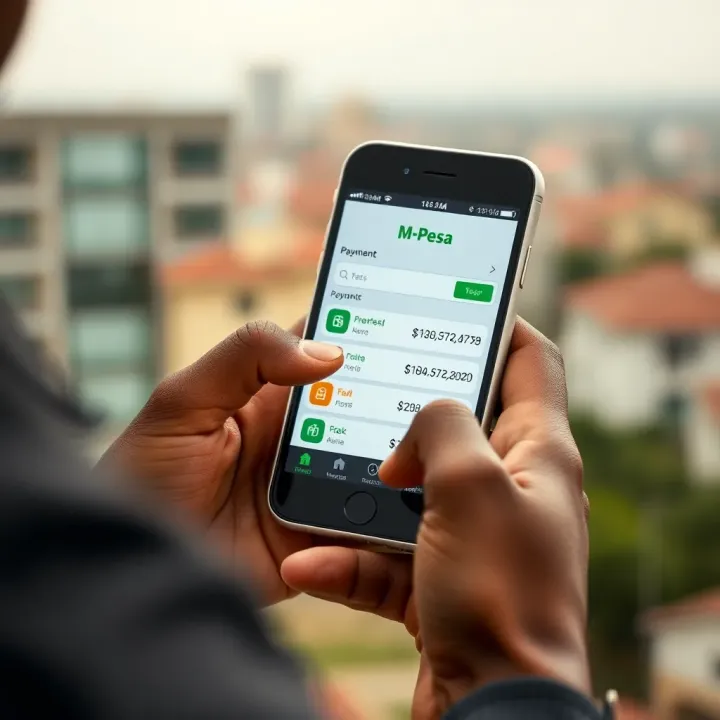
Several brokers are popular here, including HotForex, FXTM, and XM, which have Kenyan-centric support and accept M-Pesa payments. Their presence in Kenya usually means they understand local traders’ needs like mobile payment options and prompt customer support in Swahili or English.
Your choice also depends on the trading platforms supported. MetaTrader 4 and 5 remain the most common, offering a user-friendly interface for analysis and order execution. Watch out for fees and spreads; brokers sometimes offer low spreads but charge commissions or inactive fees. Also, responsive customer support is key — you want quick, helpful service especially when markets move fast.
Opening an account generally starts on the broker’s website or app. You’ll submit identification documents like a copy of your ID or passport, proof of residence, and sometimes proof of income. After verification, your account gets approved, and you receive login credentials to access the trading platform.
Many brokers now integrate M-Pesa for deposits and withdrawals, making it easy for Kenyans to fund accounts without a bank. This convenience eliminates the need for credit cards or international wire transfers, which can delay access to your funds and incur extra charges. Other methods like bank transfers or debit cards are also common but might take longer.
Minimum deposits vary between brokers—from as low as KSh 1,000 to upwards of KSh 50,000. Beginner-friendly accounts often require less capital and offer demo accounts to practise without risking real money. Account types might range from standard to VIP, each with different features like leverage limits, spreads, and support levels. Understanding which suits your budget and goals will save headache later.
Setting up your forex trading account with the right broker and payment method lays the groundwork for a smoother trading experience. Take your time choosing one that suits your trading style and financial situation.
Having a solid trading strategy is essential for anyone keen on succeeding in forex trading, especially beginners in Kenya. A well-structured plan helps traders avoid guesswork and emotional decisions, which often lead to losses. It gives you a clear roadmap on how and when to enter or exit trades, tailor your approach to market behaviour, and manage risk effectively.
Day trading involves opening and closing positions within the same trading day to take advantage of short-term price movements. It requires constant monitoring of the markets, quick decision-making, and often benefits from volatility during major market sessions, such as London or New York. For instance, a trader might buy the EUR/USD pair in the morning and close the position by afternoon to lock profits or limit losses.
On the other hand, swing trading takes a longer view, holding positions for several days or weeks to capitalise on medium-term trends. Swing traders rely less on quick market moves and more on technical analysis and fundamental factors. For example, if news suggests a change in monetary policy by the US Federal Reserve, a swing trader might adjust positions accordingly and hold through the ensuing market shifts.
Technical analysis helps traders study past price movements to predict future trends. Common indicators include Moving Averages (MA), Relative Strength Index (RSI), and Bollinger Bands. Moving Averages smooth out price data to identify direction, while RSI highlights when a currency pair might be overbought or oversold.
For instance, if the 50-day MA crosses above the 200-day MA on the USD/JPY chart, it often signals a buying opportunity. Kenyan traders can use platforms like MetaTrader 4 or 5, which include these technical tools, to help spot entry and exit points effectively.
Fundamental analysis looks at economic data, news, and events that influence currency value. Key factors include interest rates, inflation reports, employment data, and geopolitical developments. For example, if Kenya's Central Bank raises interest rates to curb inflation, the Kenyan shilling might strengthen against other currencies.
Understanding such data helps traders anticipate longer-term market direction. Incorporating fundamental analysis can provide context to technical signals, preventing traders from acting on misleading price movements alone.
It's important to set achievable targets when starting out in forex. Expecting to double your money in a week is risky and could lead to big losses. Instead, aim for steady gains such as 5% monthly returns, which allow for growth while managing risk.
Clear goals keep you focused and help measure progress over time. For example, a beginner might set a rule to never risk more than 2% of their capital on a single trade.
Forex markets never sleep, but trading at all hours isn't practical or wise. Kenyan traders should focus on the most active sessions overlapping with Nairobi time, such as the London or New York sessions, when liquidity and volatility are higher.
For example, trading EUR/USD during the London session (3 pm to 12 am EAT) often offers better opportunities. Scheduling specific trading hours also prevents burnout and keeps trading disciplined.
Keeping a trading journal helps identify what works and what doesn't. Record each trade's entry and exit points, reasons for taking it, profits or losses, and any lessons learned.
Reviewing this data weekly or monthly highlights strengths and weaknesses. For example, if many losses result from holding positions too long, it signals a need to adjust exit strategies. Logging trades builds discipline and improves decision-making over time.
Developing and following a clear strategy is the foundation of successful forex trading. It transforms trading from guessing to a planned activity with manageable risks and evidence-based improvements.
Managing risk is one of the most vital parts of forex trading, especially for beginners. Without proper risk control, you can lose your capital very fast, even if your trading strategy has potential. Protecting your capital means ensuring you stay in the game long enough to learn, adjust, and ultimately make profitable trades. For Kenyan traders, this is especially important, given the volatility in global markets and the temptation to use high leverage, which can quickly wipe out your account.
Setting stop-loss and take-profit levels is a fundamental way to manage risk. A stop-loss order automatically closes your position once the price reaches a predetermined level to prevent further losses. For example, if you buy the USD/KES pair at 110.0 and set a stop-loss at 109.5, your losses get capped if the market moves against you. Take-profit is the opposite; it locks in gains once the price hits your target. This automatic exit reduces the need to watch the market constantly, helping control fear and greed.
Position sizing and leverage control are equally important. Position sizing means deciding how much of your capital to put on a single trade. A common rule is to risk no more than 1-2% of your total capital per trade. If your account has KSh 100,000, risking KSh 1,000 or KSh 2,000 per trade limits damage if things go wrong. Leverage allows you to control bigger trades with a smaller deposit but amplifies both profits and losses. Using high leverage without control can cause traders to lose all their money quickly. For Kenyan traders, starting with low leverage, say 1:10 or even less, helps keep risks manageable.
Avoiding emotional trading is a challenge but vital for capital preservation. Fear and greed can push traders to make impulsive decisions—like doubling down after a loss or exiting a winning trade too early. Keeping to your strategy and risk limits, and using tools like stop-loss orders, helps reduce emotional impulses. Traders who let emotions take charge often end up chasing losses or overtrading, eroding their capital faster than they realise.
Overtrading and chasing losses drain capital quickly. Some new traders react to a losing trade by increasing trade size to recover losses fast. This approach often backfires because it ignores market conditions in favour of emotions. It’s better to take a break, review your strategy, and trade only with planned risk levels. Overtrading, or opening too many trades within a short time, also burns money on spreads and commissions, even if just a few trades turn profitable.
Relying solely on tips or rumours can be a costly mistake. Forex markets react to many factors, and blindly following social media tips or hearsay from WhatsApp groups leads to losses more often than wins. Kenyan traders should develop skills to analyse markets independently or follow trusted analysis from reputable sources. Remember, advice may be biased to benefit tipsters or carry outdated information.
Neglecting continuous learning causes stagnation and vulnerability to losses. Forex trading is dynamic; new tools, patterns, and economic events constantly change market behaviour. Many successful traders from Kenya attend training centres, join trading communities, or follow daily market updates. Keeping your knowledge fresh helps adapt your strategies and avoid mistakes that others easily fall into.
Managing risk isn’t just about avoiding losses, it’s about keeping your trading career alive. Protect your capital with discipline, clear rules, and continuous learning to increase your chances of success.
Having the right resources and tools is essential for successful forex trading, especially when you're just starting out. These assist not only in making informed decisions but also in managing risks effectively. For Kenyan traders juggling busy schedules and local market conditions, accessing reliable platforms, real-time data, and learning opportunities can make a significant difference.
Popular trading platforms and mobile apps provide the interface where you place trades and monitor the markets. In Kenya, platforms like MetaTrader 4 and 5 are widely used due to their user-friendly layout and support for local payment methods like M-Pesa. Mobile apps from brokers such as Pepperstone or XM also cater well to traders on the go, offering live charts, price alerts, and fast order execution. Choosing a platform with a reliable mobile app means you can react quickly to market movements, no matter where you are.
Economic calendars and news sources are vital for keeping track of key economic events that influence currency prices. These resources list dates and times for announcements like Central Bank of Kenya (CBK) interest rate decisions or US Non-Farm Payroll reports. Following such data via trusted sites or apps allows you to anticipate market volatility. Kenyan traders often rely on a mix of global financial news (like Bloomberg or Reuters) alongside local business news outlets to get a clear picture.
Demo accounts and practice tools give beginners a risk-free environment to learn trading mechanics and test strategies. Many brokers serving Kenya offer demo accounts funded with virtual money, letting you experiment without the fear of losing your real cash. Practising on a demo helps you understand order types, try out leverage settings, and build confidence before committing your capital.
Kenyan forex training centres and online courses are increasingly available for those wanting more structured learning. Centres such as Forex Kenya and various online platforms provide workshops and webinars tailored to local traders’ needs. Courses often cover basics, chart reading, and risk management, plus they offer chances to ask questions directly to instructors.
Trading communities and forums offer a place to exchange ideas, share experiences, and get peer support. Platforms like WhatsApp groups, Telegram channels, or dedicated forums enable Kenyan traders to discuss current market trends, broker reviews, and strategy tips. Being part of a community can keep you motivated and alert you to potential pitfalls.
Following market updates and analysis is crucial for staying ahead. Regular updates from analysts on Kenyan and international currencies help you understand market sentiment and refine your trading approach. Many brokers and financial websites provide daily or weekly newsletters summarising key movements and forecasts, which help in deciding when to act.
Having access to the right tools and knowledge sources can transform your forex trading experience. They provide the foundation for making smart trades, managing risks well, and continuing to improve your skills over time.
📊 Master Forex trading charts in Kenya! Learn to read patterns, choose time frames, and use indicators confidently for smarter currency trading decisions.
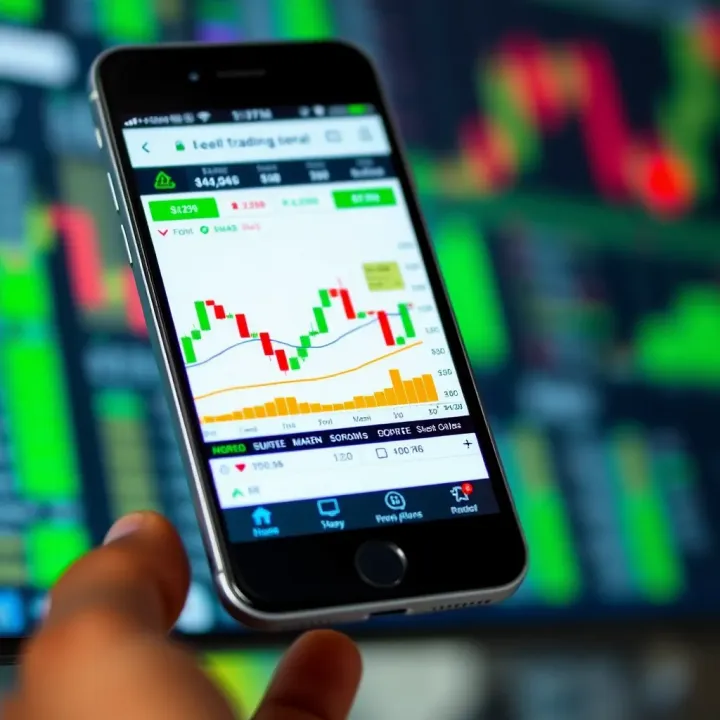
📱Explore top Forex trading apps in Kenya! Learn features, risks, regulations & smart tips to trade confidently in the mobile Forex market.💹

Explore effective forex trading strategies in Kenya 🇰🇪 including analysis, risk management, and psychology to boost your trading confidence and success 📈💡
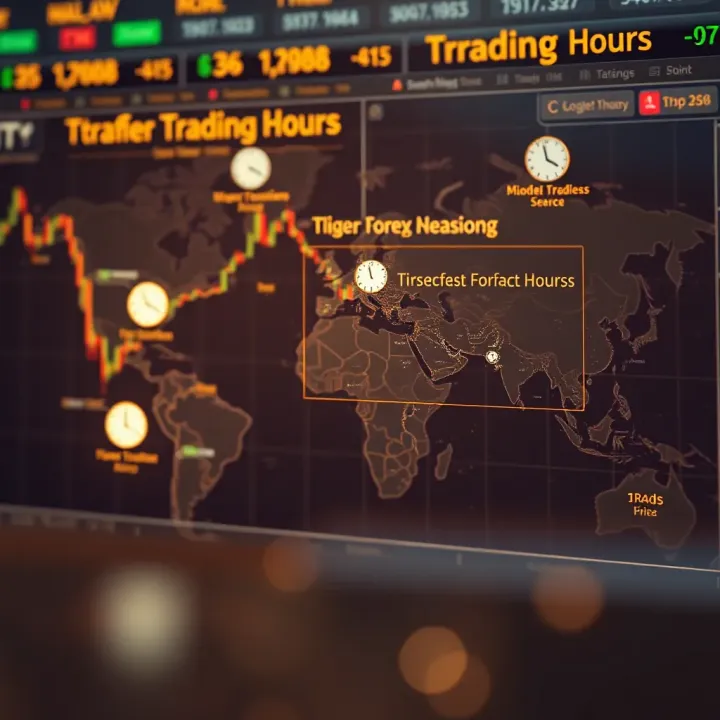
Discover the best forex trading times in Kenya 📈. Learn how market hours, liquidity, and news impact currency pairs for smarter trades 🕒💹.
Based on 8 reviews