
Effective Risk Management in Business and Daily Life
Learn practical ways to manage risks in business and daily life in Kenya 🇰🇪. Protect assets, ensure safety, and stay stable with strategies like risk audits, contingency plans, and local examples.
Edited By
Jack Reynolds
Managing risk is a day-to-day reality for businesses and individuals in Kenya. Whether you run a jua kali workshop, manage a growing enterprise, or just plan your household budget, understanding how to handle risk can save you big losses down the line.
Risk management means spotting potential problems before they arise, sizing up their impact, and deciding on actions to lessen or transfer the damage. Traders face market fluctuations, investors meet investment uncertainty, and daily life brings risks like theft or health emergencies.
Good risk management isn't about avoiding risk altogether; it’s about making informed choices to reduce harm and stay resilient.
Kenyan businesses often deal with risks like currency swings, delayed payments via M-Pesa, sudden policy changes by regulators such as the Kenya Revenue Authority (KRA), or disruptions from unpredictable weather affecting supply chains. On the home front, risks might include unexpected school fees, health costs, or crop failure.
Some effective techniques to handle risk include:
Risk assessment: Regularly review what threats you face. In financial markets, this means analysing price trends and geopolitical factors affecting asset prices. For small traders, it could involve checking credit risk before selling goods on credit.
Risk avoidance: Eliminate activities that may cause loss. For example, a retailer might avoid stocking fragile items prone to damage during transport.
Risk reduction: Take steps to lessen the likelihood or impact. Using secure payment gateways alongside M-Pesa can reduce fraud risk.
Risk sharing: Spread risk by partnering or insuring. Many Kenyan businesses use NHIF or commercial insurance to protect assets and employees.
Risk retention: Sometimes, accepting manageable risks makes sense to save costs. A small roadside duka might tolerate petty theft risk rather than invest heavily in security.
Applying these tactics requires clear records, timely monitoring, and a practical mindset. For traders and investors, timely data from Nairobi Securities Exchange (NSE) and strong networks can sharpen risk sensing. For daily life, budgeting for emergencies and seeking insurance cover can cushion shocks.
In the following sections, we will explore these techniques with local examples to help you make solid risk decisions that protect your business and family finances effectively.
Risk management is about recognising potential problems before they occur and having a plan to handle them. This is key not only for big businesses but also for individuals managing their daily lives. Without understanding risk management, chances are you could face losses that disrupt your finances, work, or peace of mind. For instance, a trader in Nairobi who fails to consider currency fluctuations might suffer losses when converting money. Similarly, a family ignoring health risks might struggle with medical bills later on.
Risk is the chance that something unwanted might happen, leading to loss or harm. This could be anything from losing money on an investment to an accident at home. Risk management means identifying these risks, assessing how likely they are, and taking steps to control or reduce their impact. For example, a business selling goods might insure its stock against theft, while a person might save some money to cushion against sudden expenses.
Both businesses and individuals face various risks, including:
Financial risks: Changes in interest rates, inflation, or dealing with unreliable borrowers
Operational risks: Machines breaking down, staff strikes, or supply chain problems
Market risks: Price changes affecting products or services demand
Health and safety risks: Illnesses, accidents, or environmental hazards
Legal and compliance risks: Failing to follow laws or regulations, which can lead to fines
Take a small shop in Mombasa: it faces theft (operational risk), fluctuating prices of stock (market risk), or delays from suppliers (operational). Knowing these allows the owner to plan better.
Applying risk management helps reduce surprises and protect what matters. Businesses that manage risks well can save money in the long run by avoiding costly mistakes. Individuals also benefit by safeguarding their income, health, and property. For instance, investing in health insurance can prevent family financial ruin if medical emergencies happen. Moreover, risk management improves decision-making — when you understand risks, you can make informed choices rather than hoping for the best.
Managing risk is not about avoiding problems altogether but preparing to face them calmly and effectively.
Effective risk management builds resilience in both personal and business contexts, enabling smoother operations even when challenges arise. It promotes stability, saves costs, and improves trust among customers, investors, or family members. This article covers practical tools and strategies to help you recognise and handle common risks confidently and smartly.
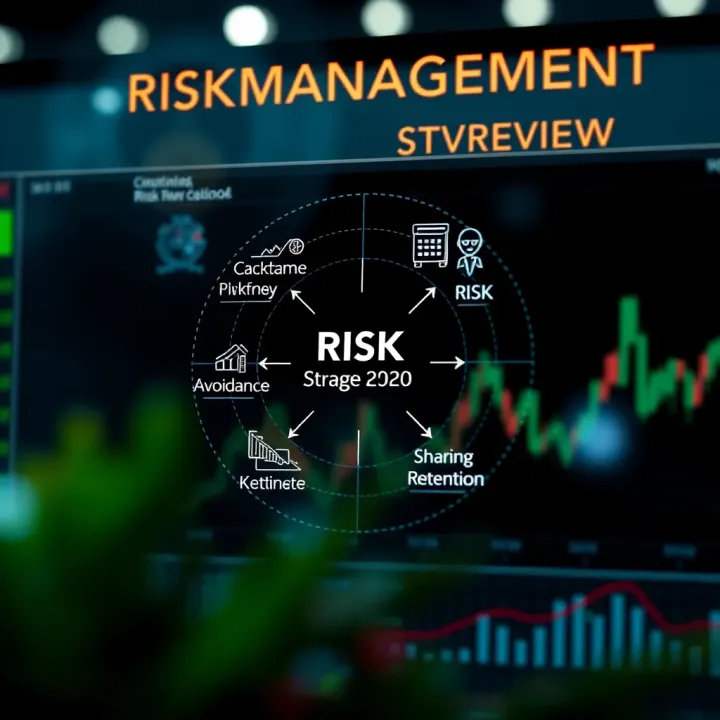
Managing risk effectively requires using core techniques that allow businesses and individuals to handle uncertainties with a clear plan. These methods help you decide when to avoid, reduce, transfer, or retain risks. Understanding these techniques is vital, especially in Kenya’s dynamic market where factors like political shifts and economic fluctuations can affect investments and daily activities.
Risk avoidance means deliberately staying away from actions or situations that could cause harm. For example, a trader in Nairobi might avoid dealing with unfamiliar suppliers who have poor reputations to prevent losses. While avoidance can mean missed opportunities, it’s a smart choice when risks outweigh rewards. It works best when hazards are obvious and impacts potentially severe.
Risk reduction involves taking steps to lessen how likely a risk is to happen or reducing its consequences if it does. A small business owner, for instance, may improve security measures like CCTV cameras to deter theft, thus reducing losses. Similarly, someone might diversify investments across different sectors to minimise financial risks. This technique allows you to continue a risky activity but in a safer way.
Risk transfer shifts potential losses to another entity, often through contracts or insurance. Many Kenyan businesses use insurance policies from local providers like CIC or Jubilee to cover fire or theft risks instead of bearing the full cost themselves. Alternatively, a company may outsource certain functions, passing operational risks to specialists. Transfer reduces the burden but usually involves paying a premium or service fee.
Sometimes, risks are accepted because they are either low impact or unavoidable. Retaining risk means preparing financially and operationally to deal with potential downsides. For example, a boda boda rider may accept the daily risk of minor accidents but prepares by saving some earnings for medical expenses. Companies might self-insure certain predictable costs instead of buying expensive insurance.
Understanding these four core techniques helps you create a balanced approach. By choosing the right method or a mix, you protect your business or personal finances while staying open to opportunities.
Implementing these methods thoughtfully, considering costs and practical limits, makes risk management a tool for stability rather than a burden.
Effective risk management depends heavily on having the right tools and processes in place. These help identify possible threats early, assess their potential impact, and monitor how well plans are working over time. Whether you are running a business or managing household affairs, understanding and applying these elements improves your ability to handle uncertainty and avoid costly surprises.
The first step in managing any risk is identifying what risks exist. For businesses, this might mean mapping out supply chains to spot vulnerabilities or reviewing financial records to note exposure to currency fluctuations. In daily life, it could involve assessing personal security risks while commuting or evaluating health risks during the long rains season.
Good risk identification involves gathering data from various sources and engaging relevant people. For example, a trader in Nairobi may consult suppliers, customers, and staff to get a clear picture of operational risks. Tools such as SWOT analysis (strengths, weaknesses, opportunities, and threats) and checklists tailored to specific industries or situations help structure this phase.
After identifying risks, assessing their severity and likelihood is key. Risk matrices are a popular approach here; they categorise risks based on the chance of occurrence and the scale of impact. This step shows where to focus resources. For example, a smallholder farmer might prioritise risks like drought over less likely political unrest.
Risk management is not a one-off activity. Constant monitoring and review keep plans relevant as circumstances change. In the Kenyan business scene, where market trends, regulatory environments, or political climates can shift quickly, regular reviews prevent outdated responses.
Monitoring involves tracking indicators linked to identified risks. Suppose a fintech company tracks transaction volumes and fraud attempts daily; sudden spikes would prompt immediate risk mitigation actions. Periodic performance reviews, incident reports, and feedback from frontline staff also provide insight into the effectiveness of risk strategies.
Review sessions should examine what worked, what didn’t, and if new risks have emerged. This might happen quarterly or after notable events, such as a supply-chain disruption or a regional security alert affecting matatu routes. Updating risk registers and improving communication channels within teams help embed a culture of risk awareness.
Consistent use of risk identification, assessment, and monitoring tools makes it easier to spot trouble brewing early and take corrective steps before problems escalate.
Together, these tools and processes build a solid foundation for managing risks proactively, protecting assets, and securing livelihoods in a fast-changing Kenyan environment.
Managing risk effectively in Kenya requires recognising the unique economic, environmental, and political factors that affect businesses and individuals here. Applying the right risk management techniques helps traders, investors, and financial analysts safeguard their assets, maintain steady operations, and make informed decisions in a market marked by both opportunities and uncertainties.
Financial risk is a major concern, especially for SMEs and individuals who rely on credit for growth or daily needs. Access to affordable credit from banks or microfinance institutions backed by solid credit appraisal can prevent over-indebtedness. Additionally, insurance products tailored to Kenyan needs—including crop insurance for farmers, health cover through NHIF (National Hospital Insurance Fund), and business interruption policies—help transfer financial risks to insurers. For example, a small shop owner in Kisumu might use M-Pesa’s business loans to cover stock purchases while having an insurance policy to protect against theft or fire. These measures cushion financial shocks and promote business continuity.
Operational risks often stem from disruptions in supply chains, equipment failures, or workforce challenges. In Kenya's jua kali (informal) sector, where businesses run on tight margins, managing these risks is essential. Simple steps like regular maintenance of machinery, transparent procurement processes, and basic record keeping reduce exposure. Also, diversification of suppliers can help small manufacturers adapt when a single vendor fails. For instance, a welder in Nairobi’s Kamukunji area who sources metal from multiple suppliers is less vulnerable to price hikes or shortages. Training and adopting standard safety protocols further reduce accidents, ensuring smoother day-to-day operations.
Kenya faces environmental risks such as droughts, floods, and locust invasions, which often disrupt agriculture-dependent livelihoods and supply chains. Risk management here involves adopting climate-smart farming, investing in water harvesting, and maintaining emergency funds. Politically, businesses must stay alert to election cycles, policy shifts, and county-level regulations, which can suddenly impact operations or market access. For example, traders in Nairobi might stockpile essential goods ahead of election periods to avoid supply interruptions or price spikes. Staying informed through local media and business networks helps anticipate and plan for such risks.
Mastering risk management within Kenya is not just about avoiding losses but about building resilience that supports growth and stability in a dynamic environment.
Overall, integrating these practical techniques strengthens the ability of Kenyan businesses and individuals to face risks head on, ensuring they remain competitive and secure despite the uncertainties common in our setting.
Effective risk management goes beyond just understanding risks; it requires embedding practices that consistently guard against threats. These best practices form the backbone of a solid risk management framework, especially for Kenyan businesses and individuals who face unique economic and environmental challenges. Adopting these approaches helps organisations and traders stay resilient, adapt quickly, and protect their investments.
A risk-aware culture means everyone in an organisation understands the risks present in their operations and is proactive in managing them. For example, a small manufacturing firm in Nairobi that encourages all staff—from factory workers to managers—to report safety hazards promptly will reduce accidents and downtime. This openness helps catch issues early and sends the message that managing risk is everyone's responsibility. Creating such a culture involves clear communication, leadership commitment, and reinforcing positive behaviours. Businesses without this culture often face unexpected costly losses.
Training strengthens the ability of employees to identify and handle risks before they escalate. In Kenya’s vibrant SME sector, regular workshops on cash flow management or cyber security can equip staff with essential skills. For instance, a retail outlet could train staff on recognising fraudulent mobile money transactions to reduce financial loss. Capacity-building initiatives also help organisations keep pace with new regulations and market changes. Scheduled refresher sessions ensure that knowledge stays current and risk management becomes second nature.
Incorporating technology in risk management provides real-time data and predictive insights. Kenyan businesses have increasingly relied on digital platforms like M-Pesa for transactions, making it easier to track financial flows and detect anomalies quickly. Tools like cloud-based accounting software help spot irregular patterns that might indicate fraud or inefficiencies. Besides finance, weather apps can assist farmers in adapting to environmental risks linked to Kenya’s long and short rains cycles. Using data analytics not only sharpens decision-making but also cuts response times to emerging risks.
Good risk management is a continuous effort that depends on a culture of awareness, ongoing learning, and smart use of technology. Embedding these practices ensures resilience against Kenya’s dynamic risk landscape.
By weaving these best practices into daily operations, traders, investors, and businesses enhance their ability to protect assets and capitalise on opportunities while managing the uncertainties around them.
Learn practical ways to manage risks in business and daily life in Kenya 🇰🇪. Protect assets, ensure safety, and stay stable with strategies like risk audits, contingency plans, and local examples.

🛡️ Learn how Kenyan businesses can identify risks, assess threats, and implement practical controls to safeguard assets and stay resilient amid economic changes. 📊
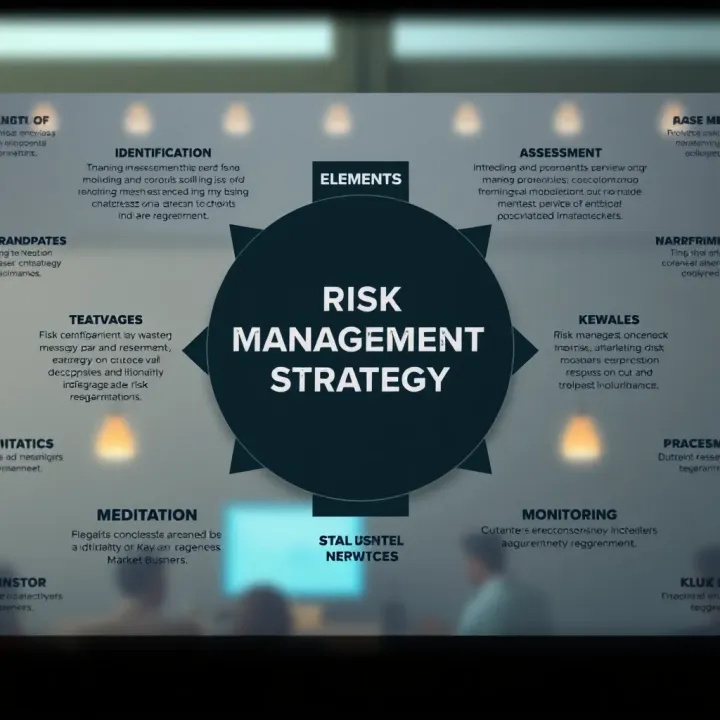
📊 Learn to build a solid risk management strategy that helps Kenyan businesses spot, assess, and control risks while boosting opportunities for growth and stability.
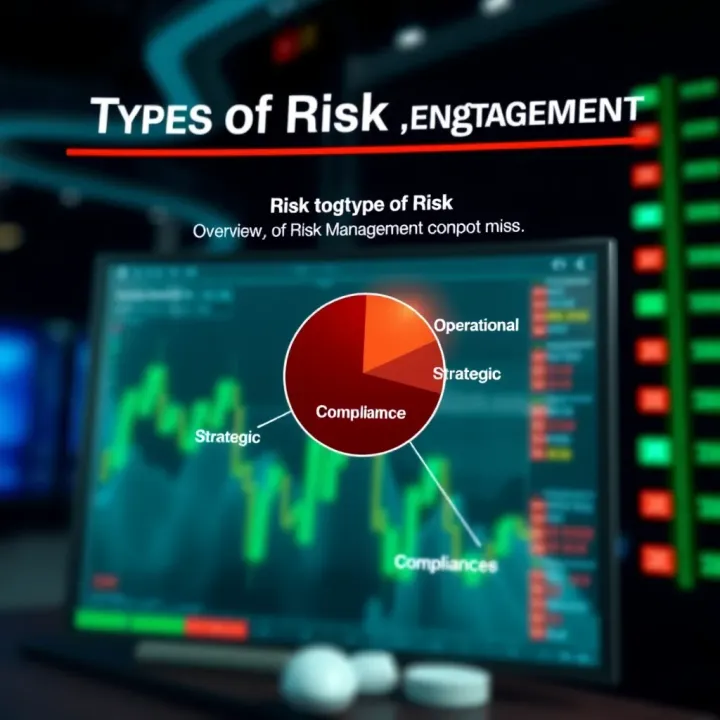
Explore how Kenyan businesses use financial, operational, and strategic risk management to protect assets and stay ahead of uncertainty 📊🔒.
Based on 7 reviews