

Understanding Risk Management for Kenyan Businesses
🔍 Learn how Kenyan enterprises can spot risks, assess threats, and use tech tools to protect operations and boost sustainable growth in local markets.
Edited By
Laura Morgan
Risk management is a key part of running any business, especially in Kenya where economic and operational challenges can shift quickly. Whether you run a small shop in Kisumu or manage a large trading company in Nairobi, the ability to spot risks and act early can protect your investments and keep your business stable.
The process involves several clear steps, starting with identifying potential threats that could impact your operations. For example, a trader dealing in agricultural products must consider weather changes that affect harvests, while a financial analyst monitoring stock trends needs to watch for policy changes by the Capital Markets Authority (CMA).

Once risks are identified, the next step is assessment. This means evaluating how likely a risk is to happen and the potential loss it could bring. For instance, a boda boda operator might assess the risk of accidents on busy roads during rainy seasons and how that could reduce daily income.
After assessment, you implement controls to manage these risks. Controls could be simple, like using secure payment methods such as M-Pesa or KCB M-Pesa to prevent theft, or more complex strategies involving insurance cover or diversifying suppliers. Many businesses in Kenya also consider NHIF and NSSF compliance as part of their risk controls to protect employees and operations.
Lastly, regular monitoring is vital. Risk environments change, especially with factors like political shifts or currency fluctuations. Businesses that stay alert can adjust their strategies promptly, avoiding losses that others might suffer.
Protecting your business means constantly scanning for risks, measuring their impact, putting in safeguards, and reviewing them often. This ongoing effort builds resilience in the face of Kenya’s dynamic economic landscape.
Identify risks relevant to your sector and location
Assess the probability and impact of each risk
Apply practical controls, considering both technology and local conditions
Monitor the effectiveness of controls and adapt when necessary
By following these steps, Kenyan traders, investors, and financial analysts can safeguard their businesses against common threats and stay competitive.
Understanding risk is the starting point for any business aiming to survive and thrive in Kenya's dynamic environment. Risk refers to potential events or situations that can negatively affect a company’s operations, finances, reputation, or growth prospects. By recognising these vulnerabilities early, businesses can take proactive steps to shield themselves from harm.
In a business setting, risk involves uncertainty about future events that could disrupt normal operations or goals. It includes anything from a supplier delay to unexpected regulatory changes. For example, a small Nairobi-based textile firm faces risks such as fluctuating cotton prices, power outages affecting production, or sudden shifts in customer demand due to economic slowdowns. Understanding risk means identifying not just obvious threats but also hidden ones that could silently drain resources or stall progress.
Kenyan businesses encounter a mix of risks shaped by local realities. These include:
Economic risks: Inflation swings or currency depreciation that raise costs or reduce profitability.
Operational risks: Power shortages, unreliable internet, or transport bottlenecks disrupting daily activities.
Regulatory risks: Sudden policy shifts, tax changes by the Kenya Revenue Authority (KRA), or delays in licence renewals.
Market risks: Competition from imported goods or changing consumer preferences.
Environmental risks: Flooding during the long rains season impacting supply chains or premises.
For instance, the jua kali sector often struggles with inconsistent access to raw materials and policy uncertainty, which can threaten business continuity.
Managing risk is more than just a defence measure — it’s vital for growth and stability. When businesses anticipate and control risks, they avoid costly surprises and gain confidence to explore new opportunities. For example, a company that has insured its equipment against theft and damage can avoid devastating losses, freeing funds for expansion instead.
Moreover, investors and lenders tend to back businesses with clear risk plans, seeing them as lower threats. This improves access to credit and favourable terms. On the flip side, ignoring risks can lead to fines, stalled projects, or damaged reputation — all of which hit the bottom line hard.
Managing risk is a practical investment in sustaining your business, especially in Kenya’s ever-changing economic and regulatory climate. It means turning uncertainty into manageable challenges.
By grasping what risk means, recognising the common challenges faced, and appreciating why risk management is necessary, Kenyan enterprises position themselves for resilience and long-term success.
Identifying risks specific to your business is a key step to managing potential threats effectively. This process narrows down broad concerns into concrete challenges that could affect your operations, finances, or reputation. In Kenya’s diverse economic and regulatory environment, a one-size-fits-all approach won’t work. Each enterprise must pinpoint risks that relate directly to its sector, size, and market conditions.
By identifying relevant risks early on, businesses can avoid costly surprises. For example, a livestock farm in Narok faces different issues from a tech startup in Nairobi’s CBD. Knowing what hazards are likely helps you allocate resources more wisely and craft response plans that make sense.
Conducting internal assessments means taking a close look within your own business—processes, staff capabilities, equipment, and finances. This can involve regular audits, reviews of operational workflows, or self-checklists. In practice, it might look like a retailer examining stock management to spot theft risks or faulty items.

The benefit of internal assessments is that they capture risks insiders know best. Staff on the ground often notice recurring problems that don’t come up in official reports. For instance, a boda boda operator might realise delays at a loading bay regularly cause customer frustration, indicating operational bottlenecks.
Talking with stakeholders—employees, suppliers, customers, and even regulators—offers fresh perspectives on potential risks. Stakeholders often experience a business from different angles and can highlight blind spots.
In Kenyan SMEs, involving suppliers in risk discussions can reveal supply chain vulnerabilities, such as delays caused by poor road conditions during the long rains. Similarly, engaging customers could uncover service gaps that risk reputational damage.
Reviewing historical incidents helps businesses learn from previous challenges. Whether it’s theft, equipment failure, or cash flow issues, past cases show where your enterprise has been vulnerable.
For example, a Nairobi café might discover from past stock records that supplier late deliveries led to lost sales during busy periods. This insight can prompt finding alternative suppliers or building buffer stock.
Risk checklists provide structured prompts to ensure common threats aren’t overlooked. They can cover everything from legal compliance to environmental hazards, tailored to your industry.
Using a checklist, a small manufacturer in Kisumu might systematically tick off concerns like worker safety equipment, waste disposal, or power outages. This tool simplifies complex thinking into manageable steps.
Gathering employees and stakeholders for brainstorming encourages open dialogue and creative identification of risks. These sessions benefit from diverse experiences and can surface unusual or emerging risks.
For instance, during a brainstorming meeting, a Jua Kali workshop might spot cyber-risks they hadn’t considered before, such as clients’ information exposure with new digital payment methods like KCB M-Pesa.
Risk maps visually plot risks according to their likelihood and impact, helping to prioritise attention. Colour coding or spatial arrangement quickly shows which hazards demand urgent action.
A café chain operating in different counties could use risk maps to compare regulatory risks across areas, highlighting where licenses are at risk of delays or compliance challenges.
Identifying relevant risks sharpens focus and strengthens preparedness, turning vague threats into actionable insights for a stronger business.
Evaluating and prioritising risks is a key step that helps Kenyan businesses focus their resources where they matter most. Not every risk carries the same weight or threat to operations. A trader dealing with perishable goods, for instance, needs to pay close attention to supply chain disruptions more than, say, minor equipment failures. By assessing which risks are more likely and which could cause bigger damage, businesses avoid wasting time and money on less urgent issues.
This step involves estimating how probable a risk event is and what its consequences would be if it occurred. Take a small textile manufacturer in Nairobi: power outages may happen often and disrupt production, making this a high-likelihood risk. Meanwhile, risks like floods might be less common but cause severe damage if they occur. Assigning likelihood (low, medium, high) and consequences (minor, moderate, severe) helps create a clearer picture of priority.
After scoring risks, the next action is to rank them according to urgency and impact. Those that can cause the most harm in the shortest time frame demand immediate attention. For example, a retailer depending heavily on mobile money payments must prioritise safeguarding against network downtime, which can halt transactions instantly. Conversely, risks with less immediate effect might be monitored and addressed later, ensuring critical threats get tackled first.
Kenya's economy can be unpredictable due to variable factors like inflation rates, currency shifts, or changes in commodity prices. These fluctuations affect business costs and demand patterns. For example, a maize supplier may face squeezed margins when prices spike due to inflation or foreign exchange volatility. Understanding economic trends allows businesses to anticipate financial stress and plan accordingly, such as securing fixed-price contracts to limit exposure.
Kenyan companies must navigate evolving regulations from bodies such as the Kenya Revenue Authority (KRA) or the Energy and Petroleum Regulatory Authority (EPRA). Sudden tax law amendments or import restrictions can disrupt operations. An agro-business importing fertilisers, for instance, will be hurt if new tariffs hike costs without prior notice. Staying updated and factoring these possibilities into risk assessments enables businesses to avoid costly compliance issues or penalties.
Issues like unreliable electricity, poor road networks, and limited internet connectivity remain hurdles for many Kenyan enterprises. A manufacturer with frequent power cuts risks production delays and increased expenses for standby generators. Similarly, logistics firms face delivery inefficiencies due to bad roads, raising fuel costs and affecting customer satisfaction. Identifying these infrastructural risks early means businesses can build resilience strategies, such as diversifying supply routes or investing in backup power.
Evaluating risks with these Kenya-specific realities in mind equips businesses to craft more realistic, actionable plans. It helps avoid surprises that could derail growth and prosperity.
Once risks are identified and evaluated, Kenyan businesses must develop clear strategies to respond effectively. This phase shapes how an enterprise protects its assets, operations, and reputation against potential threats. Getting this right can mean the difference between surviving shocks like market shifts, regulatory changes, or infrastructure hiccups and facing severe losses.
Business owners have four main ways to handle risks: avoid, reduce, share, or accept them. Each option depends on the nature of the risk and available resources. Avoiding risk means steering clear of activities that expose the business unnecessarily. For example, a small retailer in Nairobi may decide not to stock highly perishable goods to avoid losses from spoilage due to unreliable power supply.
Reducing risks involves taking steps to lower their likelihood or impact. A transport company in Mombasa might invest in GPS tracking and regular vehicle maintenance to reduce the risk of theft or breakdowns. Sharing risk often comes through partnerships, outsourcing, or insurance.
Accepting risk is sometimes the most practical choice, especially when the cost of mitigation outweighs the potential loss. A casual restaurant might accept occasional power outages as a cost of doing business but prepare by keeping a stock of non-perishable supplies.
After choosing how to handle each risk, businesses should formalise response plans. These action plans should spell out clear steps, resources needed, timelines, and people responsible. For instance, a manufacturing firm in Eldoret could assign a team to oversee supplier vetting to reduce supply chain risks.
Having designated individuals or departments accountable ensures swift action and helps avoid confusion during crises. Action plans also aid in training staff and setting expectations. Regular reviews and updates keep the plans relevant as the business environment evolves.
Insurance plays a vital role in risk management by transferring financial risks to insurers. Kenyan businesses should explore policies that cover property damage, business interruption, liability, and employee injuries. For example, an SME in Kisumu processing agricultural products might insure against fire or flood damage.
Beyond insurance, financial instruments like hedging through futures contracts or forward sales can protect businesses exposed to currency or commodity price fluctuations. A coffee exporter might use forward contracts to lock in prices, guarding against volatile global markets.
Effective risk response mixes these strategies based on specific business needs and context. It is always wise to review options carefully, ensuring that costs do not outweigh benefits.
By developing and implementing well-structured response strategies, Kenyan businesses enhance their resilience and safeguard their growth prospects amid an ever-changing economic landscape.
Keeping a close eye on your risk management strategies and regularly reviewing them is essential for Kenyan businesses to stay ahead of evolving threats. Monitoring ensures that the controls put in place continue to perform well and adapt to changes in the environment, such as shifting economic conditions or new regulatory requirements from bodies like the Kenya Revenue Authority (KRA) or the Capital Markets Authority (CMA).
To start, businesses should establish clear risk indicators—these are measurable signs that help track the presence and severity of different risks. For example, a trading company might monitor currency fluctuation indexes or delays in supply chain deliveries as key risk indicators. Regular performance checks on these parameters help spot potential issues early, preventing minor hiccups from turning into major disruptions.
Using simple tools like spreadsheets or affordable software solutions can make tracking manageable, especially for SMEs with limited budgets. The goal is to maintain updated information on risk trends and compare actual events against expected performance. For instance, a Nairobi-based exporter could track the frequency of delayed shipments and quantify their impact on revenue, adjusting risk controls accordingly.
No risk management plan is perfect, so learning from incidents is vital. Whenever a risk event occurs—say, a cyberattack or a regulatory penalty—businesses should conduct a thorough review to understand what went wrong. This process includes identifying weak spots in current controls and recognising any gaps in employee training or communication.
Adjustments can range from improving staff awareness programmes to revising procedures or upgrading security systems. For example, after a data breach, a firm might introduce multi-factor authentication and conduct refresher courses on phishing scams. Incorporating lessons learned helps avoid repeating costly mistakes and strengthens resilience over time.
Clear, timely reporting on risk management progress is crucial for decision-making and transparency. Regular updates to management and stakeholders—whether through quarterly reports or risk dashboards—promote accountability and encourage support for necessary changes.
Reports should highlight key risk exposures, the effectiveness of current controls, and outstanding issues needing attention. This approach builds trust, especially where investors or partners want assurance that risks are being handled proactively. For Kenyan companies, communicating in straightforward language, avoiding jargon, and including relevant data like financial impact supports well-informed choices.
Consistent monitoring and frank reviews of risk strategies transform them from a box-ticking exercise into a dynamic process that actively protects business interests amid Kenya’s changing economic and regulatory landscape.
By tracking indicators, learning from setbacks, and keeping everyone in the loop, Kenyan enterprises can sharpen their risk management and safeguard their operations effectively.
🔍 Learn how Kenyan enterprises can spot risks, assess threats, and use tech tools to protect operations and boost sustainable growth in local markets.

📊 Explore how Kenyan businesses can handle financial, operational, and reputational risks with insurance, diversification, and clear contingency plans to stay safe and flexible.
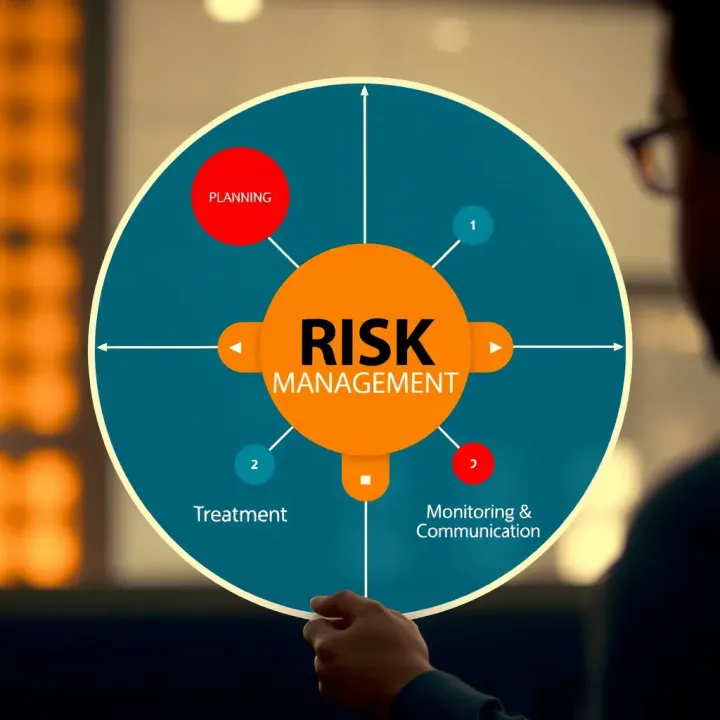
Learn how Kenyan businesses manage risks through planning, identification, analysis, treatment, monitoring, and communication to protect operations effectively. 📊🔍
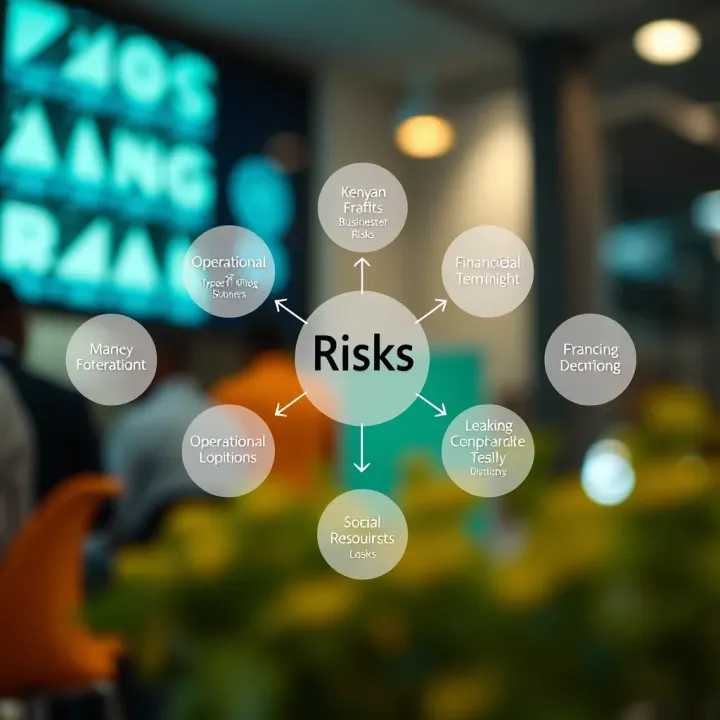
📊 Learn how Kenyan businesses can spot, evaluate, and manage risks to protect operations and finances effectively. Tools, benefits, and practical tips included.
Based on 8 reviews