

Understanding Risk Management for Kenyan Businesses
📊 Learn how Kenyan businesses can master risk management by identifying, assessing, and minimizing threats to protect their operations and thrive in uncertain times.
Edited By
Emily Clarke
Risk management is about spotting potential problems before they turn into serious issues. Businesses, especially in Kenya’s bustling market, face risks daily—from supply chain delays to currency fluctuations, and even unpredictable weather affecting production. Handling these risks properly helps companies protect their operations, avoid big losses, and make better decisions.
A solid risk management process isn’t just for big corporations; it’s vital for traders, investors, and brokers who need to safeguard their interests. It involves clear steps that help organisations understand what risks they face, measure how bad those risks could be, decide how to deal with them, and keep track of the whole process.
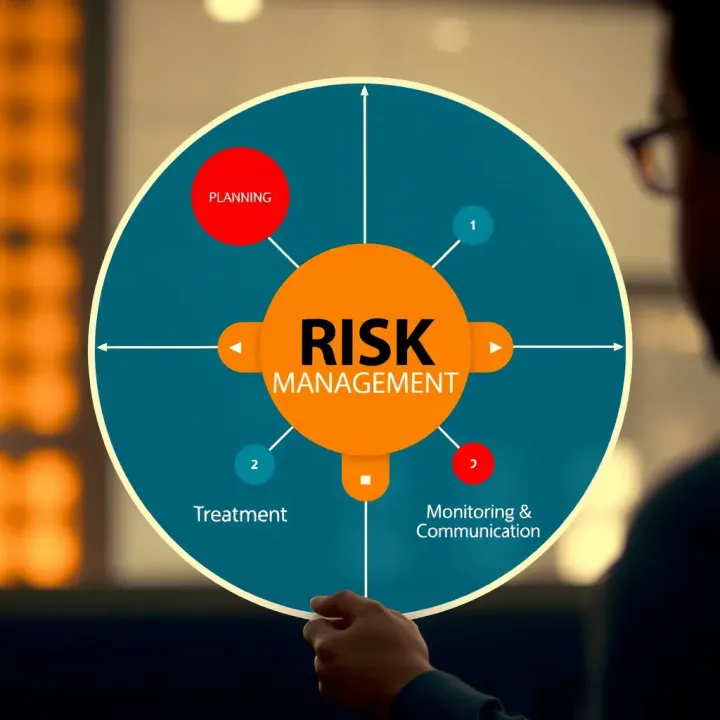
Managing risks actively can mean the difference between a business thriving or folding.
Planning: A business first sets its goals and decides the level of risk it can tolerate. For example, a small tea exporter might accept moderate risks to enter new markets but avoid risks that could halt production.
Risk Identification: It’s about uncovering where problems might occur. This could be financial risks like fluctuating foreign exchange rates or operational risks like equipment failure.
Risk Analysis: Once risks are known, businesses analyse their likelihood and potential impact. Say a farmer looks at the chance of drought and estimates how it would affect harvest volumes.
Risk Treatment: This step picks how to handle risks—whether to avoid, reduce, transfer (through insurance), or accept them.
Monitoring and Review: Risks aren’t static; businesses must continuously watch changes. Monitoring a supplier’s reliability over time is an example.
Communication: Keeping everyone informed, from management to staff, ensures that risk handling stays on track.
Most Kenyan firms blend traditional methods with technology, like using Excel sheets alongside M-Pesa transaction histories, to track risks. Investors might use reports on political stability or regulatory updates from bodies like the Capital Markets Authority (CMA) to anticipate shifting risks.
Understanding and applying these steps helps businesses and financial professionals protect their assets, improve resilience, and stay competitive in Kenya’s dynamic business environment.
Risk management is the backbone of safeguarding a business against uncertainties that can disrupt its operations or sap its resources. In practical terms, it involves foreseeing potential threats and figuring out how to either reduce or manage their effects. Kenyan traders, investors, and financial analysts benefit from this because it helps avoid losses that might otherwise catch them off guard, such as sudden market swings or supply chain interruptions.
A good grasp of risk management basics sets the tone for every step in the risk process. It ensures that companies, big or small, are not reacting blindly but have a methodical approach to recognising trouble spots before they escalate. For example, a retailer in Nairobi anticipating delayed shipments due to rainy seasons can act in advance to secure alternative suppliers.
Risk refers to the chance of losing something valuable or facing harm, usually in terms of money, time, or effort. Risk management is the process businesses use to identify these uncertainties, assess their potential impact, and then develop ways to handle them effectively. It isn't just about avoiding risks but managing them to keep operations steady.
In practice, this means a company might spot that currency fluctuations can drastically affect import costs and decide to hedge currency to cushion any impact. Or a business may identify risks related to staff shortages and put training programmes in place to build a deeper skills pool.
Without a structured approach to risk, businesses run the risk of sudden disruptions that can wipe out earnings or damage reputation. Whether it's a small shop in Mombasa or a large exporter in Nairobi, managing risks helps maintain steady cash flow and operational stability.
Moreover, risk management provides peace of mind. Business owners can focus on growth without constantly worrying about what might go wrong. For instance, a farmer insuring crops against drought uses risk management to protect income during uncertain weather years.
The first goal is to shield what’s valuable—this includes physical assets like stock and equipment, financial resources, and even intellectual property. A software company in Kenya, for example, will prioritise securing data against cyber threats to avoid losses and maintain client trust.
Risk management ensures that if something goes wrong, the business can still operate or quickly bounce back. Consider a logistics firm disrupted by a strike; a solid risk plan might include alternative routes or emergency staffing to keep vehicles moving.
Integrating risk management sharpens decision-making. Leaders rely on risk insights to weigh options carefully instead of making costly errors. For example, an investor might use risk assessments to decide between two projects, opting for the one with manageable risks and promising returns.
Effective risk management is not a one-time exercise but a continuous practice that supports sustainable business success in a rapidly changing environment.
In summary, understanding risk management basics helps Kenyan businesses protect their interests, navigate interruptions, and make smarter moves that keep them competitive and resilient.
Planning your risk management approach sets the foundation for how your business identifies, assesses, and handles risks. Without a clear plan, efforts become scattered, increasing vulnerability to threats that could stall operations or lead to losses. In the Kenyan business environment, where unexpected disruptions like political changes, regulatory updates, or droughts can occur, a well-thought-out plan helps organisations respond swiftly and stay afloat.
Understanding internal and external factors means taking stock of everything that can influence your business risks. Internally, this involves assessing resources, staff capabilities, and existing processes. For instance, a jua kali artisan specialising in welding might recognise the shortage of quality steel as an internal limitation. Externally, the business must consider the political climate, economic shifts, competition, or even weather patterns. A flower farm in Naivasha, for example, needs to factor in water availability and export regulations. Considering these elements ensures risk management fits the actual situation rather than relying on guesses.
Defining the risk management scope clarifies what parts of your business the plan will cover. It saves time and focuses efforts. For example, a small retail shop in Nairobi might limit risk planning to inventory shortages and theft, while a financial institution must include cyber threats and compliance risks. This step prevents the team from chasing too many leads and instead concentrates on the most relevant risks affecting business outcomes directly.
Creating guidelines and assigning responsibilities provide clear instructions on how risks should be handled and who manages each area. For instance, a manufacturing company may set a policy that all machinery inspections happen monthly, with the safety supervisor responsible for reporting. These policies prevent confusion, streamlining decision-making when threats arise. In Kenya, where many SME owners juggle multiple roles, clear duties prevent things from falling through the cracks.
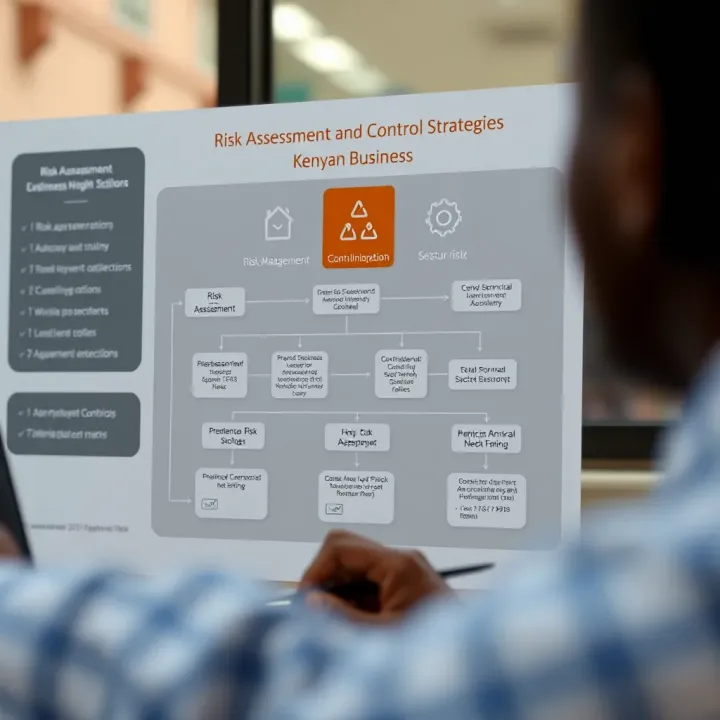
Aligning risk management policies with organisational goals ensures that managing risks supports overall business success. For example, if a transport company aims to expand into new counties, its risk strategies should focus on road safety regulations and vehicle maintenance. This approach keeps risk efforts practical and directly beneficial, rather than isolated tasks. Without this alignment, risk management becomes a checkbox exercise instead of an ongoing practice tied to growth and stability.
Effective risk management planning is not just about identifying possible threats but doing so with clear context, defined scope, and policies that fit the business’s ambitions and realities.
By carefully setting the context and policies, your risk approach becomes a tool for resilience rather than an afterthought. Kenyan traders, investors, and analysts alike will find this gives better control and readiness to handle the surprises that come with business.
Identifying and analysing risks is a vital step that sets the foundation for effective risk management in any business. Without a clear understanding of what risks exist and how they could impact the organisation, efforts to manage and control them become hit-and-miss, often leading to wasted resources or missed threats. This process helps businesses in Kenya, whether a small jua kali workshop or a large Nairobi-based investment firm, to focus their attention on the most significant threats and tailor strategies accordingly.
Brainstorming sessions bring together various minds within a company, from frontline staff to senior managers, to surface possible risks that might not be obvious from a single perspective. For example, in a manufacturing firm in Mombasa, combining the knowledge of machine operators with that of the financial controller during a brainstorming session can reveal both operational and financial risks that might otherwise be overlooked. Inviting experts from outside, like safety consultants or market analysts, broadens this view by adding specialised insights based on industry trends or regulatory changes.
Historical data offers invaluable clues about recurring or emerging risks. Businesses can look at previous incident reports, customer complaints, or police reports to uncover patterns. For instance, a retail chain in Kisumu might discover that theft incidents spike during festive seasons by analysing past reports, prompting them to improve security measures precisely when needed. This data-driven approach reduces guesswork and helps in recognising both common and complex risk scenarios.
Checklists provide structured guidance to ensure no risk category is missed, especially useful in small or medium enterprises that may lack specialised risk officers. A risk register goes a step further by documenting all identified risks along with their sources, potential impacts, and assigned owners. In a Kenyan tea farm, maintaining a risk register allows management to track climatic risks like drought alongside market risks like price fluctuations, enabling proactive responses and ensuring accountability within the team.
Once risks are identified, assessing their potential impact and the likelihood of occurrence enables business leaders to understand which risks deserve urgent attention. Qualitative methods, such as categorising risks as high, medium, or low based on expert judgement, are practical when precise data is limited. For example, a startup may label a power outage risk as high impact but medium likelihood based on experience.
Quantitative assessments apply numerical values to risks, like estimating potential financial loss in KSh or probability percentages. Larger enterprises, such as banks or insurers in Nairobi, often use this technique to model potential losses under different scenarios, making their risk response more precise and cost-effective.
Not all risks carry the same weight; prioritising them ensures resources focus on the threats that could harm the business most. Here, combining the impact and likelihood data helps rank risks. For example, a matatu operator might prioritise road safety risks (high impact and likelihood) over currency fluctuation risks (medium impact, lower likelihood). This ranking guides decision-makers to act on the riskiest items first while monitoring less urgent issues.
By accurately identifying and analysing risks, Kenyan businesses can allocate time and money wisely, avoid surprises, and build resilience in a changing economic environment.
In sum, the process of identifying and analysing risks feeds directly into effective planning and response. It turns vague concerns into concrete actions that protect a business’s assets and reputation while supporting sustainable growth.
When it comes to risk management, responding effectively to risks is key to keeping a business afloat and competitive. Once you identify and analyse risks, the next step is putting practical measures in place to tackle them. An effective response means not just stopping problems before they escalate but also ensuring minimal disruption to business operations. In Kenya’s dynamic business environment, where risks like political shifts, market volatility, or supply chain interruptions are frequent, having clear ways to respond to these threats can save resources and reputation.
Avoiding risks means steering clear of activities or situations that could lead to losses. For example, a trader might avoid importing goods from a region known for political instability, thus dodging the risk of shipment delays or losses. Reducing risk, on the other hand, involves taking steps to lower the chance or impact of a risk event. A small-scale manufacturer could install a backup generator to reduce the risk of production halts during power outages, which are common in some parts of Kenya.
Both strategies are proactive and aim to prevent problems before they occur. However, completely avoiding some risks may restrict business growth, so managers often balance avoidance with reduction techniques. For instance, a business might accept some delivery delays but keep an alternative supplier ready to reduce impact.
Sharing risks often involves bringing in partners or spreading responsibilities to lessen the burden. This could mean a company working with insurance providers or partnering with other firms for joint ventures. Transferring risk is commonly done through insurance policies—like for fire, theft, or business interruption—where an insurer takes on the financial consequences.
In Kenya, where some risks are hard to control, such as flooding in certain regions or currency fluctuations, insurance and outsourcing are practical tools to manage exposure. Sharing risks also makes projects more feasible. For example, a group of small traders might pool resources and share transport costs, spreading the risk of losses across them rather than one business bearing it alone.
Even with the best planning, some risks remain after all possible treatments; these are called residual risks. Accepting residual risks involves consciously deciding that these remaining risks are manageable or bearable given the cost or feasibility of further controls.
For example, a Nairobi-based retailer may accept the risk of occasional customer theft because adding security measures beyond a certain point may be too costly. Recognising residual risks helps businesses remain realistic and focus efforts where they matter most.
A risk response plan should clearly outline what actions to take for each identified risk. This means breaking down responses into specific steps that can be followed easily and consistently. Clear action steps prevent confusion during critical moments and allow the business to react quickly. For instance, a financial analyst at an investment firm might have a step-by-step process for reacting to sudden market dips, detailing when to sell stocks, alert clients, or consult compliance officers.
Well-defined actions improve coordination and reduce delays. They also help in training new staff or changing strategies as the business evolves.
A response plan must specify who takes charge of each action and what resources will be needed—whether money, personnel, or equipment. Without clear ownership, tasks can be overlooked, causing breakdowns in risk control.
Consider a logistics company facing vehicle breakdown risks. Assigning a fleet manager to oversee maintenance schedules ensures accountability, while allocating budget for spare parts guarantees readiness. Proper responsibility ensures actions are completed on time, while resource allocation supports execution without unnecessary delays.
Clear and swift responses backed by responsibility and resources are what make risk management work in practice, especially in the fast-moving Kenyan market.
An effective risk response plan ties together strategy and execution, boosting a business's ability to withstand setbacks and continue delivering value.
Monitoring and reviewing risk management keeps the system effective and responsive. Kenyan businesses face constantly changing risks—from regulatory shifts to economic fluctuations—making it vital to track risk factors regularly and adjust processes as needed. This phase safeguards the organisation against complacency and helps catch new or evolving threats early.
Using key risk indicators is about selecting measurable signs that highlight potential problems before they escalate. For example, a trading firm in Nairobi might watch indicators like currency exchange volatility, credit defaults among clients, or changes in interest rates. These indicators serve as early warning signs, enabling timely intervention to reduce exposure. Choosing the right indicators largely depends on the specific risks each business handles.
Regular audits and inspections provide hands-on checks that ensure risk controls work as planned. Take a manufacturing company around Eldoret: routine audits might spot machinery maintenance issues or safety breaches that could cause major losses. These inspections verify compliance with internal policies and regulatory requirements, closing gaps that risk assessments might miss. Reports from audits guide management on necessary adjustments, making the process essential for continuous risk improvement.
Learning from incidents and near misses helps businesses turn mistakes into growth opportunities. For instance, if a financial institution experiences a cyber attempt that was thwarted but exposed a loophole, its risk team should document and analyse the near miss. This reflection informs training and system updates to prevent real breaches, promoting a culture of vigilance.
Adjusting controls and strategies based on monitoring results ensures risk management adapts to new realities. Say a logistics company faces heightened theft in certain counties; it might strengthen security checkpoints or reroute deliveries. Similarly, policy changes from the Central Bank of Kenya often prompt financial firms to revise internal compliance measures. Such flexibility reduces vulnerability and aligns risk efforts with the current environment.
Constant monitoring and review are the pillars that keep risk management practical and relevant. Without them, businesses risk falling behind as threats evolve.
In summary, tracking risks with clear indicators, supporting this with regular audits, learning from every incident, and adapting controls are key steps that Kenyan businesses must embrace. Doing so improves resilience, protects resources, and builds stakeholder trust over time.
Effective communication and reporting on risks enable businesses to respond quickly to threats and align risk management efforts throughout the organisation. Without clear communication, risk information can be misunderstood or ignored, leading to costly oversights. Sharing accurate and timely risk data builds transparency, which in turn supports better decision-making and safeguards the business from unexpected shocks.
Ensuring clear communication channels is essential for spreading risk awareness across departments. When customer service, finance, and operations teams all understand potential risks, they can coordinate responses more efficiently. For instance, a manufacturing firm might share real-time supply chain risk updates via internal newsletters or WhatsApp groups to keep everyone informed. Clear channels prevent delays in addressing issues and promote a culture where risk management becomes everyone's responsibility.
Additionally, having designated risk coordinators or committees assures that important messages reach the right people without noise or distortion. Simple tools like shared risk registers accessible on company intranets also help maintain up-to-date risk information for all staff.
Training and awareness programmes bolster the organisation’s ability to spot and manage risks early. Regular workshops or online courses help employees understand what constitutes a risk and how to report it. For example, banks in Nairobi often run financial crime awareness sessions to help frontline staff identify suspicious transactions promptly.
Beyond just formal training, ongoing awareness campaigns—such as displaying risk tips on notice boards or via internal emails—keep risk on everyone’s radar. This consistent reinforcement ensures new and existing workers are equipped to contribute actively to risk management, reducing gaps in the system.
Meeting regulatory requirements is a major driver of risk reporting, especially in sectors like banking, insurance, and listed companies on the Nairobi Securities Exchange (NSE). Kenyan regulators demand that businesses submit regular reports detailing risk exposures and mitigation efforts to ensure compliance and financial stability. For example, banks must follow the Central Bank of Kenya’s prudential guidelines on risk disclosures.
Failing to meet these requirements can result in penalties or loss of licenses, which spells trouble for business continuity. Proper reporting demonstrates a firm commitment to governance and offers regulators assurance that risks are well-managed.
Building stakeholder confidence depends heavily on transparent risk communication. Investors, clients, and partners want to trust that a business can handle challenges effectively. When a company openly shares how it identifies, assesses, and manages risks, it builds a reputation for reliability. A private equity firm investing in an agribusiness may require detailed risk reports before releasing funds, aiming to understand crop, weather, or market risks clearly.
Clear reporting also helps stakeholders anticipate potential impacts and plan accordingly, reducing rumours or speculation. This confidence can translate into easier access to capital, stronger partnerships, and customer loyalty.
Open and honest risk communication acts like a safeguard net; it catches problems early and reassures everyone involved that the business has control even in tricky times.
| Key Considerations for Risk Communication | | Use simple, jargon-free language | | Establish responsible persons for updates| | Tailor reports to stakeholders’ needs | | Follow up with feedback mechanisms |
By prioritising communication and reporting on risks, Kenyan businesses can maintain resilience, uphold regulatory standards, and nurture trust among stakeholders.
📊 Learn how Kenyan businesses can master risk management by identifying, assessing, and minimizing threats to protect their operations and thrive in uncertain times.

📊 Learn financial risk management essentials in Kenya—identify, assess, and control risks using practical tools and best practices for business security.

Explore how Enterprise Risk Management frameworks help Kenyan businesses identify, assess, and manage risks 📊 for smarter decisions and stronger protection.

Explore practical risk management strategies 🛡️ for Kenyan businesses. Learn to identify, assess, and control risks with key tools and frameworks.
Based on 6 reviews