
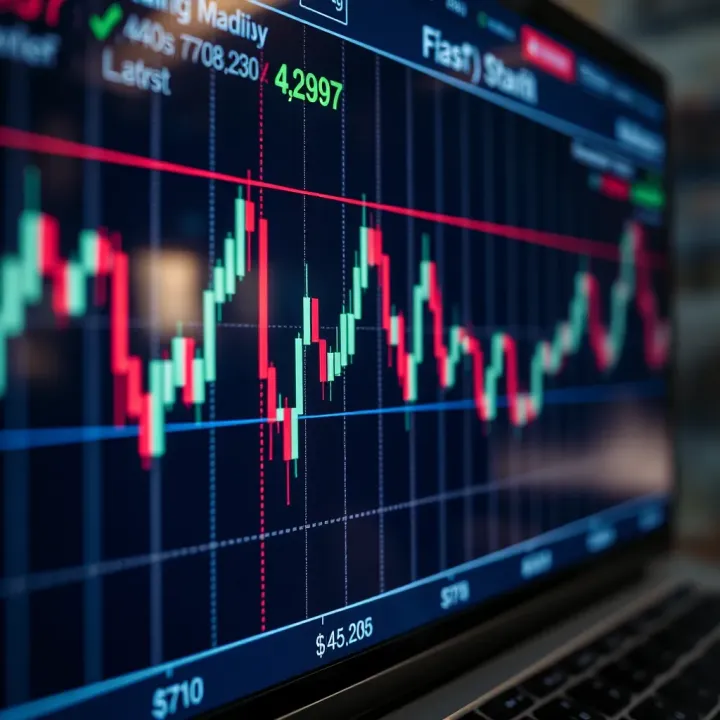
Forex Trading for Beginners in Kenya
📈 Learn forex trading basics for Kenyans: how the market works, start-up steps, risk tips, and practical advice to trade confidently and avoid common mistakes.
Edited By
James Stirling
Forex trading refers to buying and selling currencies on the global market. It is one of the largest financial markets that operates 24 hours a day, five days a week. For Kenyans interested in trading, forex offers an opportunity to diversify income sources beyond traditional jobs or businesses.
In Kenya, forex trading has gained traction thanks to increased internet access and mobile money platforms like M-Pesa, which simplify depositing and withdrawing funds from trading accounts. However, starting forex trading without a solid understanding can lead to losses quickly. This guide is aimed at breaking down the basics for beginners.

Accessibility: Brokers now accept KSh deposits via local methods, making it easier to join.
Leverage: Traders can control larger positions with relatively small capital, though this adds risk.
Market Hours: The market runs even when Nairobi’s stock market is closed.
Currencies are traded in pairs, like USD/KES or EUR/USD. The first currency is called the base, and the second is the quote. For example, if USD/KES is 110, it means one US dollar costs KS10. Movements in these rates open chances for profit or loss.
A sharp drop or rise in a currency is often linked to economic events, government policy changes, or even global developments.
Learn the jargon: Terms like pip, spread, leverage, and margin are common.
Pick a trusted broker: Check if the broker complies with regulation by Capital Markets Authority (CMA) Kenya.
Open a demo account: Practice without risking real money to understand the platform and market behaviour.
Forex trading can be rewarding once you grasp market mechanics and control risks. This guide will walk you through practical strategies and common pitfalls, all tailored for traders based in Kenya.
Getting a solid grip on forex trading basics is the first step every beginner in Kenya should take before jumping into the market. Understanding these fundamentals helps you navigate complexities and avoid costly mistakes. Knowing the mechanics of forex trading equips you to make informed decisions, rather than trading on guesswork or hearsay.
Forex trading involves buying and selling currencies with the aim of making a profit from exchange rate changes. It’s the largest financial market worldwide, with daily trades exceeding $6 trillion. For a Kenyan trader, forex offers a chance to trade currencies like the US dollar (USD) or euro (EUR) against the Kenyan shilling (KES) or other major currencies.
You don’t need to have a hefty capital to start. Many begin with small amounts via platforms linked to mobile payments, which offers flexibility and accessibility.
The forex market revolves mainly around major currency pairs, usually currencies of strong economies like the USD/EUR, USD/JPY (Japanese yen), GBP/USD (British pound), and USD/CHF (Swiss franc). These pairs have high liquidity and tighter spreads, making them ideal for beginners.
For instance, a Kenyan trader might watch the USD/KES pair closely, as fluctuations here directly impact imported goods prices and overall economic activity.
Forex trading is decentralised; it does not happen in a single location but across global financial centres like London, New York, Tokyo, and Sydney 24 hours a day from Monday to Friday. This continuous operation means you can trade forex anytime, which fits well with Kenyan traders’ schedules — many trade after work or during weekends.
Major banks, financial institutions, corporations, and individual traders all participate. Prices depend on supply and demand influenced by economic reports, politics, interest rates, and even unexpected events.
With relatively low capital requirements and round-the-clock trading, forex presents an attractive opportunity to earn additional income. Some Kenyans view it as a side hustle complementing their daily earnings, especially during tough economic times.
Take, for example, a teacher or small-business owner who trades on the side after working hours using modest funds. If managed well, gains from currency fluctuations can supplement their income.
Kenya’s mobile penetration, led by Safaricom’s M-Pesa, makes forex trading more accessible than ever. Traders can open accounts, fund them through mobile money, and execute trades directly from smartphones.

This tech convenience lowers barriers that once existed due to the need for banks or brokers located far from rural areas. Now, even someone living outside Nairobi can join the forex market with a few clicks.
Forex trading isn’t without risks. Leverage—borrowing money to trade larger positions—can amplify earnings but can also wipe out your capital fast if not managed.
In Kenya, some fall prey to unregulated schemes promising quick riches, so understanding the risks tied to scams and the volatility of forex markets is essential.
That said, disciplined traders who educate themselves, use proper risk management, and trade cautiously can find forex rewarding. Starting small, practising on demo accounts, and learning consistently are key steps to protect your funds.
Remember, forex is not a get-rich-quick scheme but an investment activity needing patience, vigilance, and continuous learning.
Starting forex trading in Kenya requires careful preparation to avoid common pitfalls. It’s not just about opening an account and trading. You need to understand broker credibility, how to set up accounts properly, and the terms used daily in forex markets. Getting these basics right helps you trade confidently and reduces unnecessary risks.
When selecting a broker, regulation is a top priority. Brokers regulated by recognised bodies, such as the Capital Markets Authority (CMA) in Kenya or the Financial Conduct Authority (FCA) abroad, offer a degree of protection against fraudulent activity. For instance, brokers without proper licences may withhold your funds or provide misleading trading conditions.
Spreads and fees also affect your costs directly. A broker with tight spreads means you spend less on each trade. Look for platforms offering competitive spreads on common currency pairs like USD/KES or EUR/USD. Additionally, the trading platform itself matters. Platforms like MetaTrader 4 and MetaTrader 5 are popular for their user-friendly interfaces and advanced charting tools, which help with better decision-making.
Among brokers accessible to Kenyans, names like HotForex, XM, and Exness are frequently mentioned. They support local payment options like M-Pesa and have responsive customer service. Choosing brokers familiar with the Kenyan market can simplify your trading journey, especially when it comes to account funding and withdrawals.
For beginners, micro or mini accounts are generally suitable. These account types allow you to trade smaller volumes, which limits your exposure while learning. It’s wise to start small; many brokers offer accounts requiring deposits as low as KSh 1,000, which eases the entry barrier.
Funding your account has become easier, thanks to mobile money services like M-Pesa. Many brokers accept direct M-Pesa payments, making deposits quick and convenient without needing complicated bank transfers. Besides M-Pesa, some brokers also accept bank cards and electronic wallets like Skrill. Always check the deposit options available and any associated fees before committing.
Understanding terms like pip, lot, leverage, and margin is key. A pip represents the smallest price movement for currency pairs and helps measure gains or losses precisely. Lots define the trade size; one standard lot equals 100,000 units of the base currency, but beginners often use mini or micro lots to trade smaller amounts.
Leverage allows you to control larger positions with a modest deposit, but it increases risk too. For example, leverage of 1:100 means you can trade KSh 100,000 with just KSh 1,000 in your account. Margin is the amount set aside by your broker as a security deposit for open positions. Knowing how these work helps prevent margin calls and unexpected losses.
Buying and selling positions form the core of trading moves. A buy (long) position profits when the base currency strengthens against the quote currency. Conversely, a sell (short) position gains when the base currency drops in value. Grasping these fundamentals enables you to react appropriately to market moves and build effective trading strategies.
Starting well-prepared can save you a lot of heartache. Know your broker, setup your account sensibly, and master basic terms before risking your money.
By focusing on these practical steps, Kenyan traders can approach forex trading with greater confidence and a clearer plan for success.
Understanding basic forex trading strategies is key for new traders looking to make informed decisions rather than guessing market moves. In Kenya's growing forex market, having clear strategies helps manage risks and spot opportunities. These strategies offer practical methods to navigate the market's ups and downs without relying on luck.
Reading charts and identifying trends plays a major role in technical analysis. Charts display past currency price movements and help traders see whether a market is trending upwards, downwards, or sideways. For example, if the USD/KES pair shows a consistent rise over days, a trader may decide to buy, expecting the trend to continue. Trendlines and support or resistance levels guide traders in timing their trades and setting targets.
Common indicators used in forex include tools like Moving Averages, Relative Strength Index (RSI), and Bollinger Bands. Moving Averages smooth out price data, revealing the market's direction. RSI measures whether a currency is overbought or oversold, hinting at possible reversals. Bollinger Bands show price volatility, helping traders spot when a currency may be due for a shift. These indicators provide signals traders can incorporate into their decision-making routine.
Economic indicators impacting currencies are statistics like inflation rates, employment figures, and GDP growth. These numbers influence how strong a currency looks globally. For instance, Kenya's inflation rate rising faster than expected may weaken the shilling, as investors lose confidence. Traders track such data to anticipate currency movements before they appear on charts.
News events and their effect on the forex market cause sharp price swings. In Kenya, announcements about Central Bank policy or political developments can trigger sudden shifts in the shilling’s value. Traders must stay alert to local and international news since these often override technical signals. For example, a significant policy change from the US Federal Reserve may affect the USD even for Kenyan traders.
Setting stop-loss and take-profit points protects traders from losing too much and locking in gains. A stop-loss order automatically closes a trade if the currency price moves against you by a set amount—say 50 pips. Take-profit closes a trade when desired profits appear, preventing greed from wiping out gains. This discipline keeps emotions out of trading, which is vital in volatile markets.
Managing leverage and position size is about balancing potential profits with risk. Using high leverage means controlling a large trade with little capital, but it also amplifies losses. Beginners should cautiously use low leverage and adjust trade sizes to match their account balance. For example, risking 2% of the account per trade helps preserve capital over time. Effective risk management makes trading sustainable and avoids blowing your account on a single bad move.
Mastering both technical and fundamental tools, alongside solid risk control, builds a strong foundation. These basic strategies are practical stepping stones in Kenya’s forex market, where patience and discipline win over quick gains.
Learning forex trading effectively means more than just knowing the terms or how to buy and sell currencies. You need practical tools and tips that guide you through real-world scenarios, especially here in Kenya where access and market conditions differ from global hubs. Using reliable resources like PDFs, joining supportive communities, and practising on demo accounts help build solid foundations before risking your hard-earned money.
Trustworthy PDFs tailored for beginners serve as easy-to-access guides that break down complex forex concepts into straightforward language. Websites of well-known brokers or financial education platforms such as IG or FXTM often offer free downloadable PDFs focused on beginners. These resources usually cover basics like market structure, common jargon, and simple strategies with Kenya-specific examples or tutorials. Avoid random PDFs from unknown sites since forex scams abound; always check for sources linked to licensed brokers or training institutions recognised by Kenyan authorities.
To get the most out of these guides, take a hands-on approach. Rather than just reading passively, follow along with the examples using demo accounts or charts. Bookmark important sections for quick reference, and try summarising key points in your own words to ensure understanding. For instance, if a PDF explains what pips and lots mean, open your trading platform and identify these concepts live. This way, PDFs become more than static text—they turn into practical tools that reinforce your learning step by step.
Joining local forex trading groups on platforms like Facebook or dedicated Kenyan trading forums gives you a chance to connect with fellow traders who understand local challenges and opportunities. These communities discuss broker reviews, recent market trends affecting the Kenyan shilling, and even share tips on optimising M-Pesa deposits for funding accounts. Active participation also helps you stay updated with regulatory changes, such as new forex licensing guidelines from the Capital Markets Authority (CMA).
Sharing your experiences in these groups invites constructive feedback and alternative perspectives. Learning from peers can reveal pitfalls you might miss alone, like recognising pump-and-dump scams or poor risk management habits. Plus, it builds a network of support that encourages discipline and motivation—two qualities invaluable for consistent trading success.
Starting with a demo account lets you trade using virtual money, so you can test strategies and get a feel for the market without losing real cash. This is particularly useful in Kenya where forex markets can be volatile due to economic announcements or external shocks. Practising in a risk-free setting allows you to understand how leverage magnifies both gains and losses, helping avoid costly mistakes when you switch to real trading.
For effective practice, treat your demo account seriously. Set realistic trade sizes and try applying risk management techniques such as stop-loss limits. Track your trades in a journal to analyse what works and what doesn’t. Avoid the trap of reckless trading common with demo accounts since there’s no actual loss. Instead, prepare methodically as if real money is on the line—this mindset smooths the transition from practice to live markets.
Practical learning combines theory with hands-on experience. Use educational resources wisely, engage with local traders, and practice consistently to build confidence in forex trading.
Forex trading in Kenya brings exciting chances but also some real challenges that can drain both money and morale. Recognising these pitfalls early and learning how to steer clear of them helps you grow as a trader and not lose hard-earned savings. This section highlights key difficulties Kenyans face in forex trading and offers practical advice on how to handle them.
Fake forex schemes are sadly common in Kenya. Watch out for brands promising guaranteed returns, unrealistic profits in a short time, or pressure to invest more cash quickly. These are classic signs fraudsters use to lure traders. For example, a broker offering a 100% return in a week with no risk is likely pushing a scam. Always be sceptical if it sounds too good to be true.
Proper regulation acts as a safety net. In Kenya, trustworthy brokers should be licensed by bodies like the Capital Markets Authority (CMA) or reputable international regulators such as the Financial Conduct Authority (FCA) or Cyprus Securities and Exchange Commission (CySEC). Confirm the broker’s licence status on official sites before handing over your money. This protects you from firms without accountability or legal oversight.
The forex market’s constant fluctuations can easily trigger strong emotions, especially for new traders. Sticking to discipline prevents costly mistakes such as chasing losses or exiting trades too early. One way to stay calm is to treat trading like a regular job, logging your actions and reviewing them, rather than gambling on whims. Avoid making big trades based on hearsay or market hype.
Having a trading plan is essential. Set clear entry and exit points and decide your maximum loss for each trade before you start. This plan acts as a guide when the market gets jittery. For instance, if your stop-loss is set at KSh 500 loss, stick to it rather than hoping for a turnaround that might never come. This approach saves you from erratic choices driven by excitement or fear.
Many Kenyan traders juggle forex alongside jobs, studies, or family duties. Good time management is vital. Dedicate specific hours for market research, trading, and learning, and avoid trading impulsively during busy or distracted moments. Using alarms or calendar reminders helps keep this balance without feeling overwhelmed.
Setting realistic goals also matters, especially in Kenya’s economic context where disposable income varies widely. Rather than expecting huge profits immediately, focus on steady progress and small, consistent gains. For example, aiming for KSh 1,000 profit monthly initially is more achievable than trying to double your account in weeks. Realistic targets reduce stress and build confidence gradually.
Taking forex trading seriously means understanding its challenges and planning carefully to avoid common traps. This discipline makes a real difference in sustainable success.
📈 Learn forex trading basics for Kenyans: how the market works, start-up steps, risk tips, and practical advice to trade confidently and avoid common mistakes.
📊 Learn forex trading basics, risk management, and local tips in Kenya. Get practical steps with a downloadable PDF guide to start trading confidently today!
📈 Learn forex trading basics, key concepts, risk tips, and step-by-step guidance for Kenyan beginners. Get your practical tutorial PDF and start trading with confidence today.
📈 Learn forex trading basics with clear strategies, risk tips, and tools tailored for Kenyan traders in 2022. Start trading confidently and responsibly today!
Based on 5 reviews