

Forex Trading Guide for Kenyan Investors
🌍 Learn how forex trading works, key strategies, risks, and regulations tailored for Kenyan investors. Start trading smart with practical steps today! 📈💼
Edited By
William Harris
Starting forex trading in Kenya can seem overwhelming, but with the right approach, it is achievable and potentially rewarding. The forex market operates 24 hours a day across global financial centres, allowing you to trade currency pairs like USD/KES (US Dollar to Kenyan Shilling) or EUR/USD (Euro to US Dollar). Before anything else, understand that forex trading involves buying one currency while selling another simultaneously.
Kenyan traders have increasingly joined this market thanks to easy access via smartphones and platforms supporting mobile payment options such as M-Pesa. This feature is vital because depositing and withdrawing money conveniently lowers barriers for many.
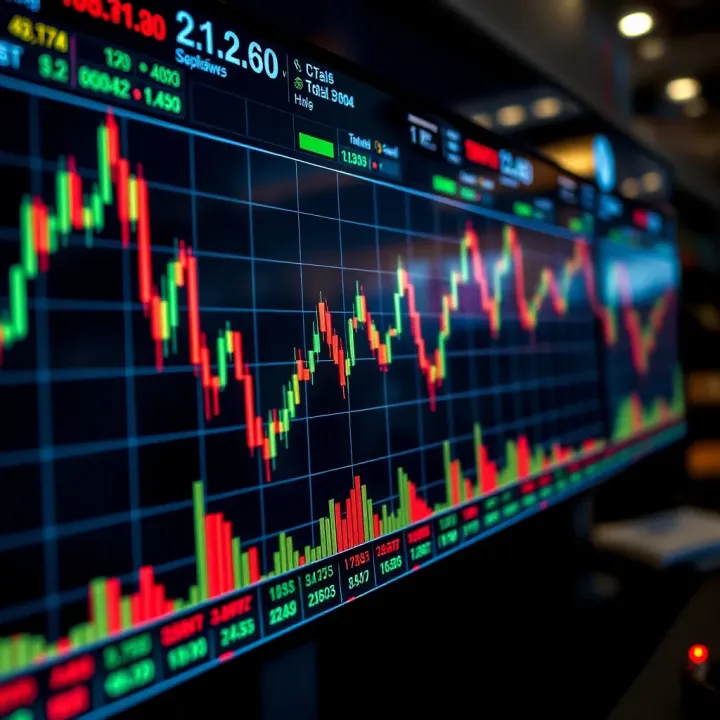
Remember: Forex is not a quick rich scheme. It requires careful planning, continual learning, and solid risk management to succeed.
Here’s what beginners should focus on:
Learn the basics: Get familiar with how currency pairs work, what impacts exchange rates, and key trading terms like pips, leverage, and spreads.
Choose the right broker: Look for brokers regulated by reputable authorities, preferably those accepted by local authorities and that allow payments through local methods such as M-Pesa or bank transfers.
Understand risks: Leverage can magnify profits and losses. Know how to set stop-loss orders and avoid risking more than a small portion of your capital per trade.
Practice first: Most brokers offer demo accounts. Use these to gain experience without risking real money.
Stay updated: Global news and events can drastically affect currency prices. Kenyan traders should also watch local economic updates and CBK policy signals.
Starting forex trading in Kenya is practical if you approach it one step at a time, with clear objectives and discipline. This guide will walk you through crucial steps to get started and navigate the market responsibly.
Grasping the basics of the forex market is crucial for anyone wanting to trade currencies in Kenya. Understanding how this market functions helps traders make informed decisions, avoid common pitfalls, and identify opportunities based on economic trends and global events.
Forex trading, also known as foreign exchange trading, is the process of buying and selling currencies. Unlike the stock market, the forex market operates 24 hours a day and involves the exchange of one currency for another, aiming to profit from changes in their relative values. For example, a Kenyan trader might buy US dollars with Kenyan shillings if they expect the dollar to strengthen against the shilling.
In forex trading, currencies are quoted in pairs, such as USD/KES (US dollar to Kenyan shilling) or EUR/USD (Euro to US dollar). The price of a currency pair reflects how much of the second currency (called the quote currency) is needed to buy one unit of the first currency (called the base currency). Understanding these pairs helps traders know what they are buying or selling. For instance, if the USD/KES pair rises, it means the US dollar is getting stronger compared to the Kenyan shilling.
The forex market involves several key players, each bringing liquidity and influencing price movement. These include central banks like the Central Bank of Kenya (CBK), commercial banks, hedge funds, multinational companies, and retail traders like individuals using platforms such as MetaTrader. CBK's decisions on interest rates or monetary policy can affect the shilling’s value, which traders need to watch closely.
The forex market is open 24 hours, divided into different trading sessions based on major financial centres: Sydney, Tokyo, London, and New York. For Kenyan traders, the London and New York sessions are often the most active and offer the best liquidity. These sessions overlap during the early afternoon Nairobi time, increasing market activity and volatility — a time when many traders prefer to place trades to catch bigger moves. Knowing when sessions are active helps in planning trades and managing risk effectively.
Understanding the forex market's basic terms, key players, and active hours helps you trade more confidently and avoid common mistakes, especially when managing the Kenyan shilling against other currencies.
By knowing these fundamental aspects, you build a solid foundation that any serious trader in Kenya must have before risking real money in the forex market.
Setting up a forex trading account is your first practical step into the bustling world of currency trading. This stage isn't just about filling forms; it lays the foundation for how smoothly your trading activities will run, your security, and even how you manage your money. For Kenyan traders, understanding broker selection, account types, and local payment options like M-Pesa can make all the difference.
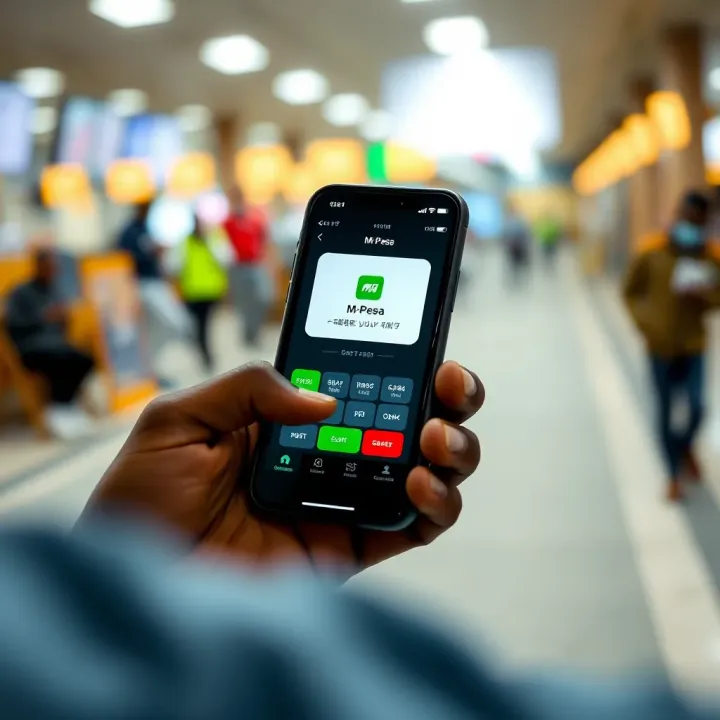
Choosing a broker regulated by credible authorities is vital to protect your funds and ensure fair trading practices. In Kenya, while the Capital Markets Authority (CMA) is the main financial regulator, forex brokers often operate under regulations from international bodies like the Financial Conduct Authority (FCA) or the Cyprus Securities and Exchange Commission (CySEC). Checking that your broker complies with these regulations, or better still is licensed by CMA, gives you assurance that they meet minimum standards for client safety and transparency.
Broker fees and spreads impact your profitability directly. Spreads represent the difference between the buying and selling price of currency pairs and vary by broker. Lower spreads often mean lower costs, but some brokers might compensate with hidden fees or limited service quality. Choose brokers that clearly state all charges, including overnight fees and withdrawal costs, so you’re not caught unaware. For example, a broker offering a 1.2-pip spread on USD/KES might seem attractive, but if withdrawal fees are high or slow, that can eat into your gains.
The platform you trade on affects your ease of use, access to tools, and even your decision speed. Popular platforms like MetaTrader 4 (MT4) and MetaTrader 5 (MT5) are widely supported by brokers operating in Kenya. They offer charting tools, technical indicators, and mobile apps that help you trade on the go. Before committing, test demo versions of platforms to see which interface suits your style best.
Brokers typically offer several account types tailored to different needs. For instance, a standard account might require a higher initial deposit and offer more leverage, while a mini or micro account allows start-up traders to invest smaller amounts. Choosing the right account depends on your capital, risk appetite, and trading strategy. For example, a beginner might find a micro account with daily trade limits and moderate leverage less intimidating and better for learning.
Using funding options that are convenient and secure keeps your trading smooth. In Kenya, M-Pesa has become a natural choice for deposits and withdrawals due to its widespread use and reliability. Many brokers now allow you to fund your account via M-Pesa directly or through linked bank accounts, making transactions faster and simpler compared to international wire transfers. Always verify processing times and costs before committing, as some brokers may charge for certain withdrawal methods or have minimum transaction amounts.
Starting your forex trading journey the right way means choosing trustworthy brokers, suitable accounts, and payment methods that fit your lifestyle—especially if you’re trading from Kenya.
Remember, the choices made in setting up your forex account are what shape your trading experience, so taking time here pays off in the long run.
Grasping the basics of forex trading puts you on a solid footing to make informed decisions rather than shooting in the dark. This section looks at two key areas: technical and fundamental analysis. Both are essential for understanding currency market movements, especially when trading currencies like the US dollar, euro, or the Kenyan shilling.
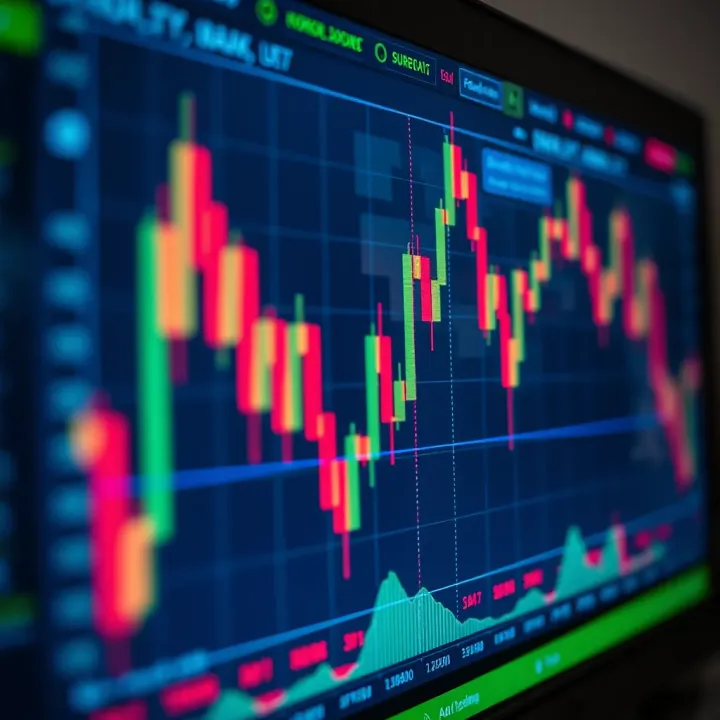
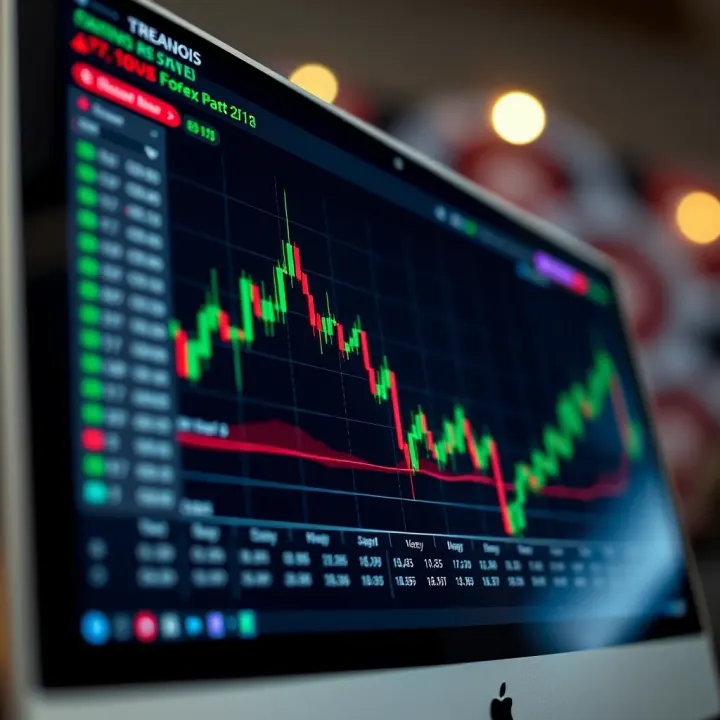
Charts are the bread and butter of forex trading. They show historical price movements and help traders spot trends or patterns. The most common chart types you’ll encounter are line charts, bar charts, and candlestick charts. Candlestick charts are particularly popular because they give clear visual clues about price action, showing open, high, low, and close prices for each time period. For instance, if the candlestick body is green, it means the closing price was higher than the opening, hinting at buyer dominance. In Nairobi’s forex trading floor or even at home, reading these charts helps you time your trades better.
Basic technical indicators like the Moving Average (MA), Relative Strength Index (RSI), and Bollinger Bands add layers of insight beyond simple price data. The Moving Average smooths price fluctuations so you can identify trends more easily — whether a currency is generally rising or falling. RSI measures momentum and signals if a currency pair might be overbought or oversold, which can point to a possible reversal. Bollinger Bands indicate volatility, showing when prices are unusually high or low compared to recent averages. If you’ve followed the NSE stocks, you’ll appreciate how such indicators help anticipate price shifts and manage trading risks effectively.
Fundamental analysis looks beyond charts to the economic factors that influence currency prices. Key economic indicators like Kenya’s inflation rate, interest rate decisions by the Central Bank of Kenya (CBK), GDP growth, and employment data heavily impact the Kenyan shilling’s strength against other currencies. For example, if CBK raises interest rates, it might attract foreign investment, pushing the shilling up. On the flip side, poor GDP growth could weaken it. Keeping an eye on these indicators helps traders predict the broader market direction.
News events also move forex markets sharply. Political developments, trade talks, or economic policies can cause currency values to jump or drop quickly. For instance, a surprise policy change by the US Federal Reserve often affects USD pairs worldwide. Locally, announcements on budget changes or election outcomes tend to sway the shilling’s value. Traders who monitor reliable news sources and understand these impacts manage their trades more confidently rather than reacting blindly to sudden price moves.
Mastering both technical and fundamental analysis equips you to trade forex with a clearer understanding of when and why currency prices move, making it easier to plan your entries and exits in the market.
In forex trading, having a clear strategy and effective risk management is not just beneficial—it’s necessary. Without these, trading resembles a gamble rather than a calculated investment. Creating a trading plan and knowing how to manage your risks help you stay focused and protect your capital, especially in a fast-moving market.
Setting realistic goals means understanding what you want to achieve and what results are achievable given your time, capital, and risk tolerance. For example, aiming to double your money in a month might sound tempting but is usually unrealistic and risky, especially for beginners. A more practical goal could be to target consistent small gains while learning the market dynamics. This approach builds confidence and reduces emotional trading, which often leads to losses.
Choosing a trading style is about finding what fits your schedule, personality, and market understanding. Some traders prefer scalping, making quick trades within minutes, suitable for those who can watch the screen frequently. Others opt for swing trading, holding positions for days, which fits people with other daily commitments. Kenyan traders, for instance, often balance day jobs with trading, so swing or position trading offers flexibility without constant screen monitoring.
Using stop-loss and take-profit orders helps control losses and secure profits automatically. A stop-loss order closes your trade once the price reaches a set level, limiting what you could lose if the market moves against you. A take-profit order closes when you've reached your desired gain. For example, if you buy the USD/KES pair at 110, you might set a stop-loss at 108 to limit losses and take-profit at 113 to lock gains. This prevents emotional decision-making and preserves your trading capital.
Position sizing and leverage considerations mean deciding how much of your capital to risk on a trade and how much borrowed money (leverage) to use. Position sizing is key; risking too much on one trade can quickly wipe out your account. Many professionals recommend risking no more than 1-2% of your total capital per trade. Leverage can magnify gains but also losses, so use it sparingly. In Kenya, brokers often offer high leverage, but it’s safer to start low, like 1:10, because volatile moves can lead to heavy losses quickly.
Managing risks is not about eliminating them, but about controlling them so you can trade another day.
Developing a clear strategy and managing risks wisely puts you on a stronger footing for long-term trading success. It helps you navigate the ups and downs of the forex market with more confidence and less stress.
Starting your forex trading journey right means not rushing into live markets before you're ready. This section covers the first practical steps you’ll take and the importance of continuous learning to hone your skills and adapt to changing market conditions.
Demo accounts give you a risk-free space to practise trading with virtual money. This lets you try out strategies, understand how orders work, and get comfortable with the trading platform without risking your KSh. For instance, a new trader in Nairobi might practise chart reading and executing trades repeatedly on a demo account before real money is involved.
Using a demo account helps you experience real-market conditions such as price fluctuations and spreads, making your learning more practical. It also reduces the psychological pressure that often leads beginners to make rash decisions in live trading.
When you feel confident enough, shifting to live trading involves more than just opening an account with real funds. Start with small amounts and tight stop-loss orders to limit losses until you understand how emotions like fear and greed affect your decisions. Many Kenyan traders begin with KSh 2,000–5,000 to manage risk while gaining experience.
Regularly reviewing your trades and journalling what works and what doesn't is crucial as you shift from demo to live trading. This helps build discipline and filters out bad habits.
The forex market is always moving, so keeping up is key. Several online platforms offer courses tailored for beginners in Africa, such as BabyPips and Investopedia, which cover basics and intermediate topics clearly. Kenyan financial websites and YouTube channels also provide localised forex training and market updates.
Courses on forex offered by institutions like NSE Academy or local universities sometimes combine theory with practical sessions, which can be quite useful. Investing time in structured learning sharpens your strategies and keeps you aware of economic changes that impact currency prices.
Beyond formal courses, local forex communities and forums serve as active hubs for sharing knowledge and experiences. Groups on platforms like WhatsApp or Telegram allow Kenyan traders to discuss recent market moves, regulatory changes, or even broker reviews.
Being part of such networks helps you stay informed and gain insights from others who face similar challenges. Peer support is especially valuable in the early days when making mistakes is part of the learning curve.
Success in forex trading depends not just on the initial knowledge but on continuing to learn, practise, and adapt with time.
By combining demo practice, cautious live trading, and constant education through credible resources and community engagement, you'll build strong foundations to trade forex confidently on Kenya’s growing financial scene.
🌍 Learn how forex trading works, key strategies, risks, and regulations tailored for Kenyan investors. Start trading smart with practical steps today! 📈💼
Explore top forex trading classes in Kenya 🇰🇪, learn key basics, pick the right course, and boost your skills with expert tips for success 📈💡.
Discover how top forex trading companies operate in Kenya 🇰🇪, navigate local regulations, pick trusted brokers, and avoid scams with expert tips 💡
🔍 Discover how to pick the right forex brokers in Kenya! Understand regulations, broker types, key features & avoid common pitfalls for smarter trading choices.
Based on 6 reviews