

Forex Trading Guide for Kenyan Investors
🌍 Learn how forex trading works, key strategies, risks, and regulations tailored for Kenyan investors. Start trading smart with practical steps today! 📈💼
Edited By
Isabella Freeman
Forex trading involves buying and selling currencies to profit from their changing values. For Kenyan beginners, understanding this market can seem daunting, but breaking it down makes it manageable. The forex market is the largest financial market globally, operating 24 hours on weekdays, making it flexible for traders across time zones.
Getting started with forex trading requires familiarising yourself with currency pairs such as USD/KES, EUR/USD, or GBP/USD. Each pair shows the value of one currency against another and how they fluctuate matters for profits or losses. For example, if the USD strengthens against the Kenyan shilling (KES), you could sell KES to buy USD expecting the USD value to rise further.
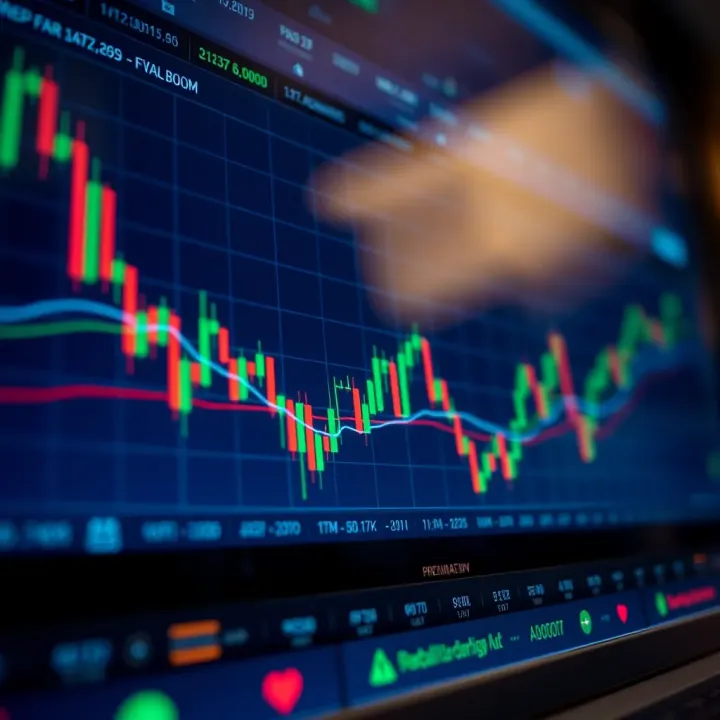
Successful forex trading depends heavily on risk management. Kenyan traders often overlook this, but controlling losses is as important as making gains. Using tools like stop-loss orders helps limit potential losses if the market moves against your position. It’s wise to only risk a small portion of your trading capital on any single trade, typically 1-2%.
Practical tips to improve your trading skills include starting with a reliable forex trading tutorial PDF, practising with a demo account, and keeping a detailed trading journal. This way, you build confidence without risking actual money initially.
"No trader wins every trade – the key is managing risk and making consistently small profits."
Before committing real funds, ensure your broker is regulated by the Capital Markets Authority (CMA) Kenya and offers robust platforms supporting M-Pesa for swift deposits and withdrawals.
Understand basic forex concepts like currency pairs, pips, and leverage
Practice on a demo account to test strategies
Use stop-loss orders to protect your capital
Pick a CMA-regulated broker prioritising secure, local payment methods
This structured approach provides a grounded path for Kenyan traders looking to enter forex confidently with practical tools and knowledge.
Grasping the basics of the forex market is essential for anyone looking to trade currencies effectively. It helps you understand what moves the market, who the main participants are, and when the market is most active. This knowledge improves your decision-making and can enhance your chances of making consistent profits.
Forex trading, or foreign exchange trading, is the buying and selling of currencies. The purpose is to profit from changes in exchange rates between currencies. For instance, if you believe the US dollar (USD) will strengthen against the Kenyan shilling (KES), you'll buy USD/KES currency pair hoping to sell it later at a higher price.
Forex isn’t just about speculation; businesses and governments trade currencies to support international trade and manage financial risks. For example, an exporter shipping tea from Kenya to Europe will convert earnings from euros to shillings, which affects currency flows.
Currencies are always traded in pairs — one currency is bought, and another sold simultaneously. The first currency in the pair is the base currency; the second is the quote currency. Taking EUR/USD as an example, if the price is 1.1000, it means that 1 euro costs 1.10 US dollars. If the price rises, the euro strengthens relative to the dollar.
This pairing system means that understanding how one currency moves requires awareness of movements in its counterpart. Changes in the economic conditions of either country affect the pair’s value. For Kenyan traders, popular pairs include USD/KES and EUR/USD.
Central banks and governments play a big role. They control monetary policies, interest rates, and currency reserves that can influence exchange rates. For example, if the Central Bank of Kenya (CBK) decides to raise interest rates, it may strengthen the shilling because higher rates attract foreign investment.
Commercial banks and financial institutions facilitate the majority of forex trading. They provide liquidity and create the infrastructure for smooth currency transactions. These players often conduct large trades on behalf of clients or for their own accounts, which impacts market prices.
Retail traders and brokers make up the smaller portion of the market but are growing fast thanks to online trading platforms. Brokers connect traders to the market and offer tools and leverage to increase buying power. For instance, Kenyan traders use brokers like HotForex and XM to access global forex markets.
The forex market operates 24 hours a day due to the different time zones. It is divided into major trading sessions: Asian, European, and American. Each session has its own characteristics; the European and American sessions often see higher volatility and volume.
For Kenyan traders, the best times to trade are when the London and New York sessions overlap. This generally happens between 4 pm and 8 pm East Africa Time (EAT). During this period, currency pairs like USD/EUR and GBP/USD experience strong movements and tighter spreads, offering more trading opportunities.
Knowing when the market is most active helps you plan your trading strategies and manage risks more effectively.
Understanding these market basics sets a firm foundation to trade forex professionally. By knowing what forex trading is, who the main players are, and when the market operates actively, you’re better placed to approach the market with confidence and clarity.
Grasping essential trading concepts and terminology is the backbone for anyone serious about forex trading. These basics help you understand market movements, communicate clearly with brokers, and make smart trade decisions. Without this foundation, even the best strategies might fall flat.
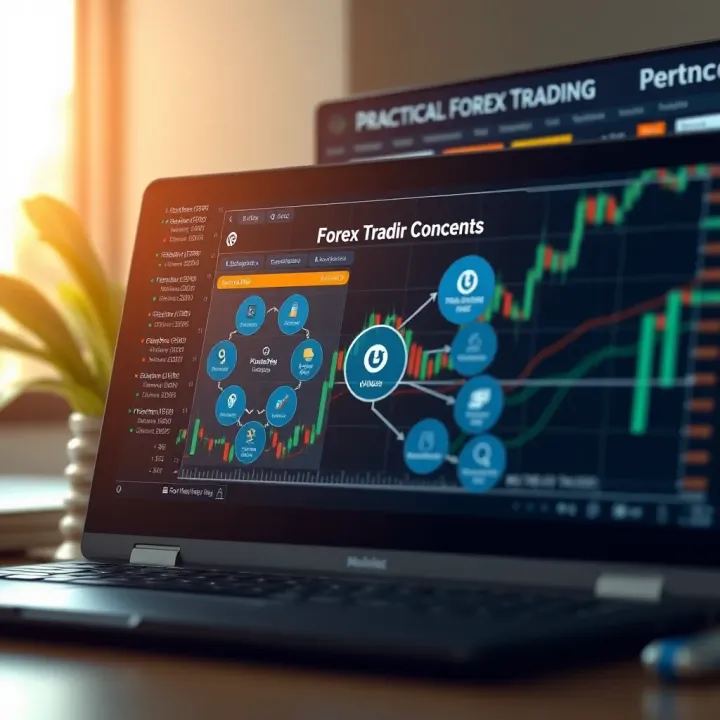
The forex market always involves trading currency pairs — you are simultaneously buying one currency and selling another. The base currency is the first currency listed in the pair, while the quote currency is the second. For example, in the USD/KES pair, USD is the base and KES (Kenyan Shilling) is the quote. If USD/KES is trading at 110, it means one US dollar costs 110 Kenyan shillings.
Understanding which is base and which is quote is practical because it determines how price changes affect your trade. If the base currency strengthens against the quote, the pair’s price rises. For Kenyan traders, knowing this distinction helps in estimating gains or losses when trading pairs involving the shilling.
Currency pairs are split into majors, minors, and exotics based on their popularity and liquidity. Major pairs always include the US dollar and tend to have the tightest spreads, such as EUR/USD or USD/JPY. Minor pairs do not involve the US dollar directly but include other liquid currencies like EUR/GBP or AUD/NZD. Exotic pairs combine a major currency with one from a smaller or emerging economy, like USD/ZAR (South African rand).
Liquidity and volatility vary across these groups. Majors are generally more stable and cheaper to trade, suitable for beginners. Exotics might catch your eye for bigger moves but come with wider spreads and higher risks. Kenya-based traders should balance potential returns with risk, especially when choosing pairs involving the shilling or African currencies.
A pip is the smallest price increment in a currency pair. It’s crucial for measuring profit or loss. For example, if EUR/USD moves from 1.1200 to 1.1201, that’s one pip. Even small pip changes add up when trading large volumes. Understanding pips clarifies how much you stand to gain or lose.
Trading volume is measured in lots, which represent the number of currency units you trade. The standard lot equals 100,000 units of the base currency, but there are also mini (10,000 units) and micro lots (1,000 units). Larger lots amplify both profits and losses, so scaling lot sizes to your capital protects your wallet.
Leverage lets you control a bigger trade size with a smaller deposit. For instance, with 50:1 leverage, KSh 2,000 allows you to trade KSh 100,000 worth of currency. While leverage can multiply gains, it also raises the stakes drastically. Even a slight adverse move might wipe out your capital. Kenyan traders should respect leverage limits set by brokers and avoid overcommitting.
The bid price is what buyers are willing to pay for a currency pair, while the ask price is what sellers want. The difference between them is the spread, which covers the broker's fee and liquidity cost. For example, if EUR/USD has a bid of 1.1200 and an ask of 1.1203, the spread is 3 pips.
Spreads directly affect your trading costs. Narrow spreads mean cheaper trades and better chances for profit, especially for frequent traders like scalpers. Wide spreads increase the hurdle to break even. Some brokers offer fixed spreads while others vary depending on market conditions. Kenyan traders should compare spreads carefully since this cost eats directly into their returns.
Understanding these key terms makes forex trading less confusing and equips you with the tools to trade wisely. Knowing how currency pairs work, tracking pips, managing lot sizes, leveraging cautiously, and watching bid-ask spreads shapes a strong trader's approach in any market condition.
Starting forex trading in Kenya involves several practical steps that set the foundation for a successful trading experience. This section guides you through selecting the right broker, setting up your trading account, using tutorial materials, and funding your account—each tailored to the Kenyan context.
Choosing a regulated forex broker is essential to protect your funds and ensure fair trading conditions. Look for brokers licensed by reputable authorities such as the Capital Markets Authority (CMA) of Kenya or global bodies like the Financial Conduct Authority (FCA). Regulation means the broker meets standards on transparency, security, and dispute resolution.
For Kenyan traders, popular brokers include Exness, XM, and FXTM, all known for supporting M-Pesa deposits and providing platforms suited to beginner and experienced traders alike. These brokers offer competitive spreads and leverage options while maintaining compliance with financial regulations, providing a safer trading environment.
Opening a trading account generally requires basic identification documents such as a Kenyan ID and proof of residence. Verification processes help prevent fraud and ensure compliance with anti-money laundering rules. You’ll typically submit these through an online portal.
MetaTrader 4 (MT4) and MetaTrader 5 (MT5) are the dominant platforms many Kenyan traders use. Both offer user-friendly interfaces, real-time pricing, and comprehensive charting tools. MT5 provides additional features like a built-in economic calendar and more order types, but MT4 remains popular for its simplicity and widespread broker support.
Credible tutorial PDFs can be found on broker websites, financial education platforms, and forums dedicated to forex trading. These PDFs are handy for learning at your own pace and revisiting concepts anytime.
To get the most out of these materials, practise alongside them using demo accounts. Mark important sections, work through examples, and take notes. Consistent study and practical application help reinforce learning and build confidence before risking real money.
Depositing funds is straightforward in Kenya due to integration with mobile money platforms. M-Pesa is the most common funding method, allowing instant deposits from your mobile wallet to your trading account. Bank transfers are another option, though they may take longer.
Always check the fees and processing times associated with each payment method. While M-Pesa deposits are usually quick and low-cost, some brokers may charge withdrawal fees or have minimum deposit requirements. Being aware of these factors prevents surprises and helps you manage your trading capital effectively.
Selecting the right broker and mastering technical setup are the first crucial steps for any Kenyan beginner aiming to trade forex confidently and responsibly.
By following this practical guide, you ensure your entry into forex trading is backed by sound decisions and ready-to-use resources.
Sound risk management and well-thought-out trading strategies are essential for any forex trader, especially beginners in Kenya. They help protect your capital from major losses and increase your chances of consistent profits. Without clear rules to control risks, even the most promising trades can quickly lead to a wiped-out account.
Setting stop-loss and take-profit points is a practical way to limit potential losses and secure gains. A stop-loss order automatically closes a trade when the price moves against you to a certain level, preventing runaway losses. For example, if you buy the USD/KES pair at 110.50, setting a stop-loss at 110.00 means your loss won’t exceed 0.50 KSh per unit. Conversely, a take-profit order locks in profits by closing the trade once it reaches a favourable price. This discipline helps avoid the temptation to hold onto losing or winning positions for too long, which is a common mistake among new traders.
Managing trade size relative to capital means you should never risk too much of your trading account on one trade. A common rule is to risk no more than 1-2% of your capital on a single trade. So, if your trading account holds KSh 50,000, you risk about KSh 500 to KSh 1,000 per trade. This approach helps absorb any losing streaks without draining your funds quickly. Adjusting your lot size according to your risk tolerance ensures safer trading and smoother learning.
Scalping and day trading basics focus on making quick profits from small price moves during a trading day. Scalpers execute dozens—or even hundreds—of trades in a session, aiming for tiny gains each time. This strategy requires constant attention, fast decision-making, and tight stop-losses. Day traders also close all positions before the market closes to avoid overnight risks. These methods suit traders who prefer an active approach and are comfortable with rapid market fluctuations.
Swing trading and position trading are longer-term strategies. Swing traders hold positions for several days to capture medium-term price swings, while position traders may hold for weeks or months, relying on bigger market trends. These strategies require patience and less screen time, making them ideal for those juggling trading with other commitments. Kenyan traders juggling day jobs or business may find swing or position trading more manageable.
Using technical and fundamental analysis helps traders make informed decisions. Technical analysis studies past price charts and indicators to predict future moves, while fundamental analysis examines economic data and events affecting currencies. For instance, a weaker Kenyan shilling after poor economic reports might signal a sell opportunity. Combining both analyses provides a fuller picture and improves trade timing.
Controlling greed and fear is key to staying consistent in forex trading. Greed can push traders to overtrade or hold positions too long, hoping for bigger profits, while fear might cause premature exits or avoidance of trades. Recognising these emotions and sticking to your trading plan keeps you balanced and objective.
Keeping a trading journal means writing down every trade: reasons for entering, exit points, profits or losses, and how you felt. This simple habit reveals patterns in your behaviour and performance, helping you learn from mistakes and reinforce successes. Over time, the journal becomes an invaluable tool for improving your skills and decision-making.
Good risk management and solid strategies don’t guarantee profits, but they dramatically increase your chances of trading successfully and sustainably.
Trading forex without a clear plan is like driving in Nairobi traffic without directions—you might reach your destination, but chances are you’ll waste time and fuel. Start with small, controlled steps and build your confidence gradually.
Building your forex trading skills is not an overnight task; it requires consistent practice, learning from the markets, and engaging with resources that sharpen your knowledge. For Kenyan traders, these practical tips are essential to develop confidence and minimise costly mistakes that often come with real-money trading.
Demo accounts allow you to simulate real trading without risking a single shilling. These accounts mirror live market conditions and use virtual funds, so you experience how currency pairs fluctuate in real time. For example, you can test how KSh/USD or EUR/USD pairs behave during different market sessions without fear of loss.
This approach is particularly useful because it helps get you accustomed to the trading platform’s interface, whether it's MetaTrader 4, MetaTrader 5, or another tool. You'll learn how to place orders, set stop-losses, and monitor trades as if you were handling real money.
Testing strategies before going live is another vital use of demo accounts. Suppose you read about a scalping method that capitalises on small price movements during the London session. You can try applying this method on your demo account to see if it consistently produces gains or if the risks outweigh the rewards.
Taking time to thoroughly test strategies in this environment saves you from jumping into live markets blindly. Once you are comfortable and your strategy shows consistent results, transitioning to a live account becomes less intimidating.
Tracking economic indicators such as GDP growth rates, inflation data, employment figures, and interest rate decisions is key. For instance, if the Central Bank of Kenya (CBK) raises its benchmark rate, the Kenyan shilling might strengthen. Awareness of such events helps you anticipate currency moves.
Global events also move the forex markets significantly. Political unrest, trade negotiations, or crises like the Russia-Ukraine conflict can cause sudden swings, affecting currency prices worldwide. A trader who overlooks these factors might get caught in unexpected market turbulence.
Keeping an eye on reliable news sources, economic calendars, and global developments informs your trading decisions. This knowledge lets you avoid holding positions during volatile periods or spot opportunities when markets overreact.
Several websites such as BabyPips, Investopedia, as well as dedicated forex forums, offer valuable tutorials and community support. Online courses can further deepen your understanding; many of these are free or affordable, catering well to Kenyan learners.
Joining local forex trading communities or seminars in Nairobi or Mombasa helps you network with fellow traders. Real-world experience shared in these gatherings can reveal insights you won’t find online. For example, discussions on how M-Pesa payment integrations facilitate funding trading accounts or local tax implications.
Maintaining an ongoing commitment to learning is essential. Forex markets evolve, and so should your strategies. Practical exposure paired with theoretical knowledge creates a strong foundation for long-term success.
Practising in safe environments, staying informed on economic changes, and tapping into educational networks give Kenyan traders the edge to grow their forex skills steadily and confidently.
🌍 Learn how forex trading works, key strategies, risks, and regulations tailored for Kenyan investors. Start trading smart with practical steps today! 📈💼
Explore top forex trading classes in Kenya 🇰🇪, learn key basics, pick the right course, and boost your skills with expert tips for success 📈💡.
Discover how top forex trading companies operate in Kenya 🇰🇪, navigate local regulations, pick trusted brokers, and avoid scams with expert tips 💡
🔍 Discover how to pick the right forex brokers in Kenya! Understand regulations, broker types, key features & avoid common pitfalls for smarter trading choices.
Based on 10 reviews