

Forex Trading Guide for Kenyan Investors
🌍 Learn how forex trading works, key strategies, risks, and regulations tailored for Kenyan investors. Start trading smart with practical steps today! 📈💼
Edited By
Ethan Price
Forex trading presents a chance for many Kenyans to diversify their investments beyond traditional avenues like stocks or real estate. But before you jump in, it's essential to grasp the basics of how the currency market operates and what it takes to trade responsibly.
At its core, forex trading involves buying one currency while selling another simultaneously. This happens across a global marketplace that runs 24 hours on weekdays, making it different from stock markets limited by business hours. For example, you might trade the US dollar against the euro, known as the USD/EUR currency pair.
Getting started requires more than just capital; understanding key terms such as "pip" (the smallest price move in forex), "leverage" (using borrowed funds to increase exposure), and "spread" (the cost difference between buying and selling prices) is important. Leverage is particularly popular in Kenya, but it comes with heightened risk — think of it as a double-edged sword that can amplify gains and losses.
Risk management cannot be overstated. Many new traders fall into traps of overtrading or risking too much on single positions. A good rule of thumb is to risk only 1–2% of your trading capital per trade. Using stop-loss orders to limit downside is a practical step you can implement immediately.
Successful forex trading hinges not just on analysis but discipline and emotional control — attributes that protect your trading account even in volatile markets.
You may ask, how to begin practically? Most Kenyans use local brokers that accept M-Pesa payments, making funding accounts straightforward. Choose brokers regulated by reputable authorities to avoid scams—trustworthy platforms often provide demo accounts to practise without risking real money.
Lastly, this guide offers you downloadable PDF resources tailored for Kenyan traders. It covers step-by-step instructions on opening trading accounts, technical and fundamental analysis basics, and everyday trading tips adapted to our local market context.
With this foundation, you are better positioned to explore the forex world in a way that suits your goals and risk appetite. Keep learning, apply practical tools, and never trade money you can’t afford to lose.
Grasping the basics of forex trading lays the foundation for making informed decisions and avoiding common pitfalls. It’s not just for those who work in banks or investment firms; anyone can trade currencies if they understand how the market operates and the core concepts involved. This section covers what forex trading entails, highlighting the essential terms and mechanics you need to get started, especially in the Kenyan context where accessibility through platforms like M-Pesa has increased.
The foreign exchange market, or forex, is where currencies from around the world are bought and sold. Unlike stock markets that operate in one place, forex trading happens electronically across global networks 24 hours a day during weekdays. This continuous operation allows Kenyan traders to respond to events in Europe, Asia, or the US at almost any hour that suits them.
Major currencies include the US dollar (USD), euro (EUR), Japanese yen (JPY), British pound (GBP), and Swiss franc (CHF), among others. Currencies are always traded in pairs, such as EUR/USD or USD/JPY. When you buy one currency, you sell another. For example, if you think the US dollar will strengthen against the Kenyan shilling, you might trade USD/KES if available, or a major pair like USD/EUR depending on the broker.
Currency values fluctuate because of demand and supply influenced by economic news, political events, interest rate changes, and market sentiment. For example, if the US Federal Reserve raises interest rates, the USD tends to strengthen, affecting traders holding US dollar pairs. This constant change offers opportunities but also risks, so understanding what moves currency prices is key.
A pip is the smallest price movement in a currency pair and is critical in measuring profit or loss. For most pairs, one pip equals 0.0001 change in the exchange rate. A lot represents the trade size; a standard lot is 100,000 units of the base currency, but beginners often start with mini or micro lots to manage risk.
The spread is the difference between the bid (selling) and ask (buying) price given by the broker, usually measured in pips. Narrow spreads mean lower trading costs. Leverage lets you control a larger position with a smaller deposit but inflates risks; using 1:100 leverage means controlling KS00,000 with KS,000.
The bid price is what buyers pay, while the ask price is what sellers want. Knowing these helps you understand where you can enter or exit trades. For example, if USD/EUR bid is 0.8900 and ask is 0.8902, the spread is 2 pips.
Lastly, long and short positions determine your market direction. Going long means buying a currency pair expecting it to rise, while going short means selling it with the expectation the price will drop. If you expect the euro to strengthen against the dollar, you buy the EUR/USD pair (going long). If you think it will weaken, you sell (going short).
Understanding these basics saves you from diving into forex trading without a clear direction. It sets the stage for sound strategy and risk management later on.
This knowledge anchors your journey so you know what you’re trading and why, enabling you to handle fluctuations better and use terms confidently when discussing trading setups.
Setting up properly to trade forex is the foundation of any beginner's success. This stage ensures you have the right tools, knowledge, and support system before risking real money in the market. Without a reliable broker, proper account funding, and familiarity with trading platforms, even the best strategies can fail. For Kenyan traders, considering local conditions such as payment methods like M-Pesa and regulated brokers is especially important.
A dependable broker must be licensed by a recognised authority to protect your funds and ensure fair trading conditions. In Kenya, look for brokers regulated by bodies such as the Capital Markets Authority (CMA) or well-established international regulators with a strong reputation. This regulation means the broker follows set rules, providing some security against fraud or sudden platform shutdowns.
For example, a broker operating without CMA regulation might offer attractive spreads but carry the risk of delayed withdrawals or lack of transparency. Therefore, choosing a regulated broker gives you peace of mind while you focus on trading.
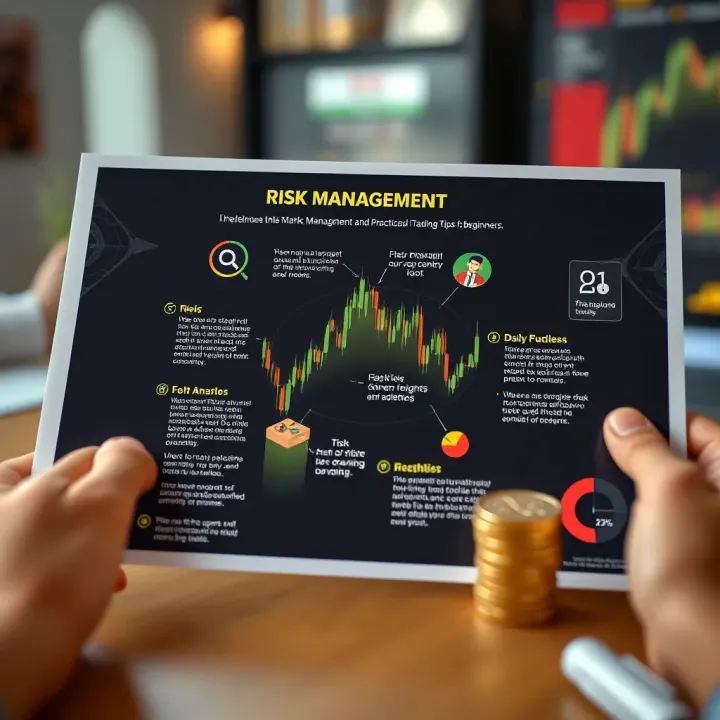
The trading platform is where you’ll execute orders, analyse charts, and monitor your trades. Popular platforms in Kenya include MetaTrader 4 (MT4), MetaTrader 5 (MT5), and proprietary platforms offered by brokers like XM or HotForex. MT4 remains popular because of its user-friendly interface and vast tutorial resources.
Since your comfort with the platform can impact decision-making, select one that suits your level and device. Mobile-friendly platforms that support M-Pesa payments and have fast order execution are a great fit, especially for traders who prefer trading on the go.
Understanding the costs involved helps you manage your profits better. The spread is the difference between the bid and ask price, typically how brokers earn on your trades. In Kenya, competitive brokers might offer spreads as low as 1 pip on major currency pairs like USD/KES.
Besides spreads, some brokers charge commissions or fees for withdrawals and deposits. These fees can quickly add up, so read the broker's fee structure carefully before opening an account. For instance, a broker with zero commissions but high withdrawal fees might end up costing you more in the long run.
Most brokers offer various account types catering to different experience levels. Beginners in Kenya should look for accounts with low minimum deposits, such as micro or mini accounts. These allow trading with smaller amounts, reducing risk while you learn.
Some accounts also offer flexible leverage, letting you control your exposure. Be cautious with leverage though, as it magnifies both gains and losses. Starting with leverage around 1:10 is sensible until you understand the market better.
Funding your account conveniently is critical. Kenyan traders benefit from brokers accepting M-Pesa — the leading mobile money platform. This method is fast, secure, and widely accessible across the country.
Besides M-Pesa, brokers may accept bank transfers, credit/debit cards, or other e-wallets. Choose a funding method with low or no transaction fees to avoid unnecessary costs. Also, ensure the broker processes deposits and withdrawals promptly so your trading cashflow isn't held up.
Before committing real money, it's wise to practise on demo accounts. These simulate live markets using virtual money, letting you test strategies, learn platform navigation, and build confidence without financial risk.
Most reputable brokers provide demo accounts automatically upon registration. Kenyan traders should leverage this to understand volatility in pairs like USD/KES or EUR/USD before going live. Regularly practising can help reduce costly beginner mistakes.
Remember, a successful start in forex trading is not just about having money. It's about setting up the right foundation with trusted brokers, suitable accounts, easy funding, and proper practice.
Having a clear forex trading strategy can make all the difference between consistent gains and unpredictable losses. A strategy helps you understand when to enter or exit trades, how to interpret market data, and how to protect your capital. For Kenyan traders, especially beginners, this means breaking down complex market movements into actionable steps.
Using economic news and indicators is about understanding how global and local events impact currency values. For example, announcements like Kenya's GDP growth rate or US Federal Reserve interest rate changes can push the Kenyan shilling or US dollar up or down. Staying alert to such economic data gives you a practical edge before making trades.
Reading charts and patterns gives insight into market sentiment and possible price movements. Recognising shapes like "head and shoulders" or support and resistance lines can guide your decisions. If you spot a pattern showing a likely price rise, you might choose to buy, but a reversal pattern signals caution.
Popular technical indicators explained include tools like the Moving Average Convergence Divergence (MACD) and Relative Strength Index (RSI). MACD helps you spot momentum shifts, while RSI indicates if a currency is overbought or oversold. Using these alongside charts can confirm signals and reduce risks.
Defining entry and exit points means deciding the exact prices at which you'll buy or sell currencies. For instance, you may set to enter a trade when EUR/USD drops to 1.10, expecting it to bounce back. Knowing these points keeps your actions clear and avoids emotional reactions.
Setting stop-loss and take-profit levels is crucial to protect your funds and lock in gains. A stop-loss might be placed at a level where losses become unacceptable, say 1.08 on EUR/USD, while take-profit could be 1.12 where you plan to cash out. This balance limits big losses while aiming for reasonable profits.
Keeping a trading journal helps you track your trades, emotions, and results. By writing down why you entered or exited trades and what worked or failed, you build a personalised database for improvement. Many successful Kenyan traders use journals to spot recurring mistakes and adapt their strategies.
Developing and sticking to a forex trading strategy is not about predicting the market perfectly but about managing your trades in a disciplined, informed way. This strategy becomes your roadmap in navigating the often volatile forex market.
Through these steps, beginners can build confidence and gradually refine their trading style based on real experience and clear analysis. A good strategy paired with disciplined execution often separates casual gamblers from steady traders.
Managing risks is a key part of succeeding in forex trading. Without solid risk control strategies, you could lose more than you planned for — this is especially true for beginners. It helps protect your capital and keeps your losses small, allowing you to learn and grow without wiping out your account. Avoiding common pitfalls also saves you from emotional trading, which often leads to bad decisions. In forex, knowing what traps to avoid is almost as valuable as understanding the market itself.
Stop-loss orders are a simple but powerful tool to limit your losses when a trade moves against you. By setting a stop-loss, you tell the broker to sell your position once the price falls to a specific point. For example, if you buy the USD/KES pair at 110.50 but don’t want to lose more than KSh 500, you set a stop-loss at a price that caps your possible loss. This prevents emotional decisions during sudden market swings.
The risk-reward ratio helps you measure the potential loss compared to the potential gain for each trade. A good rule is to look for trades where the potential profit is at least twice the possible loss (a ratio of 1:2). For instance, if you're willing to risk KSh 1,000, aim for a trade that could make you at least KSh 2,000. This approach balances your wins and losses over time, making it possible to remain profitable even if half your trades don’t work out.
Position sizing means deciding how much money to allocate to each trade. It’s safer to risk only 1–2% of your trading capital on one trade. This way, one bad trade won’t take out your whole account. Leverage allows you to control a bigger position with a small deposit, but it also magnifies losses. For beginners, keeping leverage low (like 1:10 or less) helps manage risk better, preventing huge losses that can happen quickly with high leverage.
Overtrading comes from trying to make many trades in a short time, often driven by excitement or frustration. It quickly burns your capital, especially when decisions are emotional rather than planned. For example, after a loss, a trader might impulsively try to recover by opening several positions without proper analysis. Keep a strict trading plan and take breaks when needed to stay clear-headed.
Many traders fall into the trap of copying others without understanding the reasons behind trades. This “herd mentality” can lead you into bad trades and big losses. Independent thinking means doing your own research, analysing the market yourself, and sticking to your strategy even when others are acting differently. It’s important to balance listening to expert advice with making decisions based on your findings.
Forex markets change all the time, influenced by global economics and politics. A trader who stops learning risks falling behind. Staying current through financial news, updated PDF guides, webinars, and practice keeps your skills sharp. Even experienced traders review their trades to learn what worked and what didn’t. Remember, trading success is a marathon, not a sprint.
Managing risks and avoiding mistakes aren’t just safety measures — they are the foundation for long-term success in forex trading. Treat them with the seriousness they deserve to protect your investments and grow steadily.
Accessing forex trading resources in PDF format offers a practical way for beginners and seasoned traders alike to build knowledge at their own pace. PDFs provide structured, detailed content that you can save, revisit, and study offline, which is especially useful in Kenya where internet access can be inconsistent. These guides often break down complex topics such as currency pairs, leverage, or technical analysis into manageable sections, making them invaluable for grasping the fundamentals and developing trading skills.
Trusted Kenyan financial websites often host a range of downloadable PDF guides tailored for local traders. Websites affiliated with Kenyan regulatory bodies or major banks occasionally provide educational materials that reflect the Kenyan market's specific conditions and compliance requirements. For example, the Capital Markets Authority (CMA) or local investment firms may publish beginner-friendly PDFs covering forex basics, risk management, and legal considerations unique to Kenyan traders.
Broker tutorials and guides are another rich source of forex PDFs. Reputable brokers active in Kenya, such as Exness, Pepperstone, or HotForex, typically offer detailed PDF tutorials explaining how to use their trading platforms, interpret charts, and apply strategies effectively. These resources are directly tied to practical trading, so they often include examples based on live market conditions, helping you connect theory with action.
Educational platforms offering free downloads provide a broader perspective, often bundling forex PDFs with video courses, webinars, and forums. Platforms like BabyPips or Investopedia may have large libraries of beginner-friendly forex PDFs that cover everything from basic terminology to advanced technical analysis. Since these focus on global markets, they are helpful for understanding universal trading principles but should be complemented with Kenya-specific materials for local relevance.
Following step-by-step instructions in forex PDFs ensures you don’t miss critical steps in setting up accounts, analysing charts, or placing trades. Many PDFs include checklists and exercises that build your confidence progressively. For instance, a PDF might guide you through opening a demo account before risking real money. Taking these small, measured steps helps solidify your understanding and reduces costly mistakes.
Complementing PDFs with practical trading is key to turning theory into skill. While PDFs lay the foundation, nothing beats real trading experience, even if it's in a demo environment initially. Using PDF lessons alongside daily practice—such as monitoring currency trends on a platform like MetaTrader or practicing trade entries—reinforces learning and sharpens decision-making.
Regularly updating materials and knowledge is vital in the fast-moving forex market. PDFs downloaded a year ago may miss recent rule changes, technological advances, or market trends. It’s wise to seek updated versions or new guides that reflect current events, especially around important economic releases or regulatory shifts affecting Kenyan traders. Staying current helps you adapt strategies and maintain a competitive edge.
Keeping a reliable collection of forex PDFs and using them actively alongside real trading practice can greatly improve your journey from a beginner to a confident forex trader in Kenya.
🌍 Learn how forex trading works, key strategies, risks, and regulations tailored for Kenyan investors. Start trading smart with practical steps today! 📈💼
Explore top forex trading classes in Kenya 🇰🇪, learn key basics, pick the right course, and boost your skills with expert tips for success 📈💡.
Discover how top forex trading companies operate in Kenya 🇰🇪, navigate local regulations, pick trusted brokers, and avoid scams with expert tips 💡
🔍 Discover how to pick the right forex brokers in Kenya! Understand regulations, broker types, key features & avoid common pitfalls for smarter trading choices.
Based on 12 reviews