

Forex Trading Guide for Kenyan Investors
🌍 Learn how forex trading works, key strategies, risks, and regulations tailored for Kenyan investors. Start trading smart with practical steps today! 📈💼
Edited By
Harry Evans
Forex trading involves buying and selling currencies to profit from changes in exchange rates. It is the world’s largest financial market, with daily trading volumes surpassing $6 trillion. For Kenyans interested in growing their investment skills, understanding how forex works can open new financial opportunities.
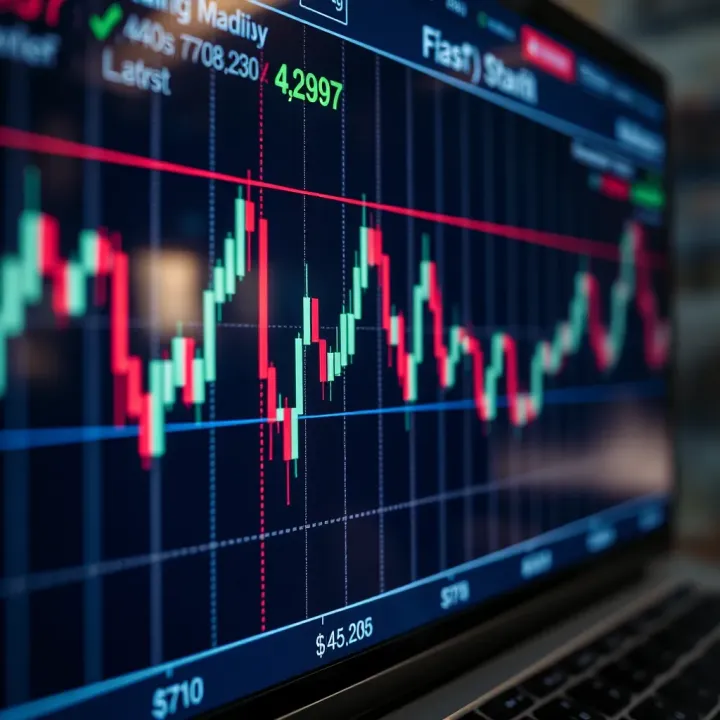
Unlike stock markets, forex trading happens over-the-counter (OTC), meaning trades occur directly between parties through electronic networks or telephone. The market runs 24 hours a day during the working week, allowing you to trade almost any time—ideal if you want to fit trading around your daily schedule or matatu rides.
Currency pairs, like USD/KES or EUR/USD, represent what you are buying and selling. For example, if you expect the USD to strengthen against the Kenyan shilling (KES), you’d buy the USD/KES pair. When successful, you can sell the USD at a higher price, earning a profit.
Choose a regulated broker: Pick one licensed by reputable organisations, such as the Capital Markets Authority (CMA) in Kenya, to ensure your funds are safe.
Open a trading account: This often requires verifying your identity through official documents.
Learn to use the trading platform: Practice on demo accounts that mimic real markets without risking real money.
Start small: Trade small amounts initially to build confidence and understand market behaviour.
Forex markets can be volatile. You should always:
Set stop-loss orders to limit potential losses.
Avoid trading on rumours or unverified news.
Diversify trades and avoid putting all your capital in a single currency.
Remember, trading with money you can’t afford to lose can lead to financial strain. Approach forex trading as a skill to develop gradually.
Having a clear plan and staying disciplined helps Kenyan beginners avoid common pitfalls like chasing losses or over-leveraging. With consistent effort, you can build a solid foundation in forex trading tailored specifically to the Kenyan market context.
Grasping what forex trading involves and how it operates is key to becoming a confident trader. This foundation equips you to navigate the market with clarity, understand price movements, and make informed decisions rather than just guessing. You’ll avoid common mistakes, like confusing currency pairs or choosing the wrong trading hours, which could cost real money.
Forex trading is the exchange of one currency for another, done in a global market where currencies constantly fluctuate in value. For example, buying the US dollar (USD) against the Kenyan shilling (KES) means you believe the dollar will strengthen compared to the shilling. Traders buy and sell currencies hoping to profit from these value changes. The forex market is enormous, with daily volumes above $6 trillion, making it the largest financial market worldwide.
What sets forex apart from stocks or bonds is its continuous nature and global reach. While stock markets close at set times and involve shares of companies, forex runs 24 hours a day across different time zones and deals purely in currencies. This means you can trade forex any time, picking up opportunities whenever they arise.
Certain currency pairs get more attention because they have higher liquidity and tighter spreads. For Kenyans, the USD/KES pair is crucial since many imports, exports, and foreign investments tie to the US dollar. Globally popular pairs like EUR/USD or GBP/USD also attract high volumes, providing good price movements and easier trade execution.
Currency pairs are presented in a particular format: base currency quoted against a counter currency. For USD/KES, USD is the base and KES the counter. If USD/KES is 120, it means 1 US dollar equals 120 Kenyan shillings. Traders watch these rates closely to decide when to buy or sell and understand how much one currency costs in terms of another.
The forex market hours follow the opening and closing times of major financial centres — London, New York, Tokyo, and Sydney. Because these centres overlap, forex trading happens almost nonstop from Sunday evening to Friday evening (EAT time). This global timing allows Kenyan traders to access active market sessions during daytime or night, suiting different lifestyles.
Market makers and brokers play vital roles. Market makers provide liquidity by quoting buy and sell prices, ensuring trades can happen smoothly. Brokers act as intermediaries between traders and the larger market, offering platforms like MT4 and MT5 to place orders. When choosing a broker, Kenyans should check for licensing by the Capital Markets Authority (CMA) Kenya, ensuring protection against fraud.
Understanding these basics — what forex is, key pairs, and how the market ticks — lays the groundwork for trading smart. Without this knowledge, you risk walking into the market blind, which is a quick path to losses.
Starting forex trading without the right tools is like trying to navigate Nairobi traffic without a map. Having reliable tools and platforms matters because they provide the foundation for making smart trades, analysing markets, and managing risks effectively.
Forex brokers operating in Kenya must be authorised by the Capital Markets Authority (CMA). This regulation is crucial because it ensures brokers follow strict rules meant to protect your funds and personal data. For example, a CMA-licensed broker will hold your money in segregated accounts, so it isn’t mixed with their operational funds, reducing risks of loss.
Beyond protection, CMA regulation means the broker is transparent about fees, trading conditions, and dispute handling. So, when picking a broker, checking if they are licensed by CMA Kenya should be your first step.
Not all brokers offer the same services. Some important features to look for include competitive spreads (the difference between buying and selling prices), ease of deposits and withdrawals (especially through popular options like M-Pesa), and available currency pairs such as USD/KES. Also, consider the broker’s client support – preferably one offering quick responses via phone or live chat during Nairobi business hours.
Other useful features are education resources, such as webinars and tutorials, and transparent fee structures without hidden commissions. Reliable trade execution and low minimum deposit requirements are also key for beginners avoiding large upfront costs.
The most widely-used trading platforms globally, including Kenya, are MetaTrader 4 (MT4) and MetaTrader 5 (MT5). These platforms provide tools for charting, order placement, and technical analysis. MT4 is simpler and excellent for beginners, while MT5 offers more advanced features like additional timeframes and more technical indicators.
Besides MetaTrader, some brokers offer proprietary platforms with user-friendly interfaces suited for mobile phones, enabling you to trade while on the move – perfect if you spend most of your day commuting in a matatu or riding a boda boda.
Before risking real shillings, it’s smart to open a demo account. Demo accounts let you trade with virtual money using real market data. This practice helps you get comfortable with trading platforms and test strategies without financial risk.
For instance, a demo account will let you practise opening a buy order for USD/KES, see how price moves, and test stop-loss settings. Many Kenyan brokers offer demo accounts with no expiry, so you can learn at your own pace and feel confident before going live.
Starting forex trading with the right tools isn’t just a good idea – it’s how you protect your capital and build a solid foundation for success in the market.
Starting forex trading might look daunting at first, but breaking it into clear steps helps you build confidence and avoid unnecessary mistakes. This guide walks you through the key stages—from opening your account to reading charts—to get you ready to trade smartly.
Most brokers in Kenya offer several account types tailored to different trading needs. For instance, a standard account lets you trade larger volumes with tighter spreads, while a mini account is ideal for beginners who want to start with smaller amounts. Some brokers even provide Islamic accounts that comply with Shariah law, which avoid interest charges. Knowing what suits your budget and risk tolerance is essential before you fund your account.
Kenyan traders enjoy multiple convenient ways to deposit money. Most brokers accept payments via bank transfer, credit/debit cards, and increasingly popular mobile platforms like M-Pesa. Using M-Pesa to fund your forex account is fast and secure, allowing you to get started without the hassle of visiting a bank. Always check that your broker supports deposits with M-Pesa and confirm any fees or minimum amounts.
Understanding how to place orders is fundamental to managing trades effectively. A market order executes immediately at the current price, handy when you want to enter or exit quickly. A limit order sets a specific price at which to buy or sell, preventing you from paying more than intended. Stop orders are designed to limit losses or lock in profits by automatically closing positions when certain price levels are reached. Each type helps in controlling your trading strategy and risks.
Placing trades usually involves selecting your currency pair, choosing the order type, entering the trade size (lots), and confirming the transaction on your platform. Demo accounts are useful for practising without risking real money. Remember, after placing a trade, monitor it regularly and be ready to adjust stops or take profits as market conditions change.
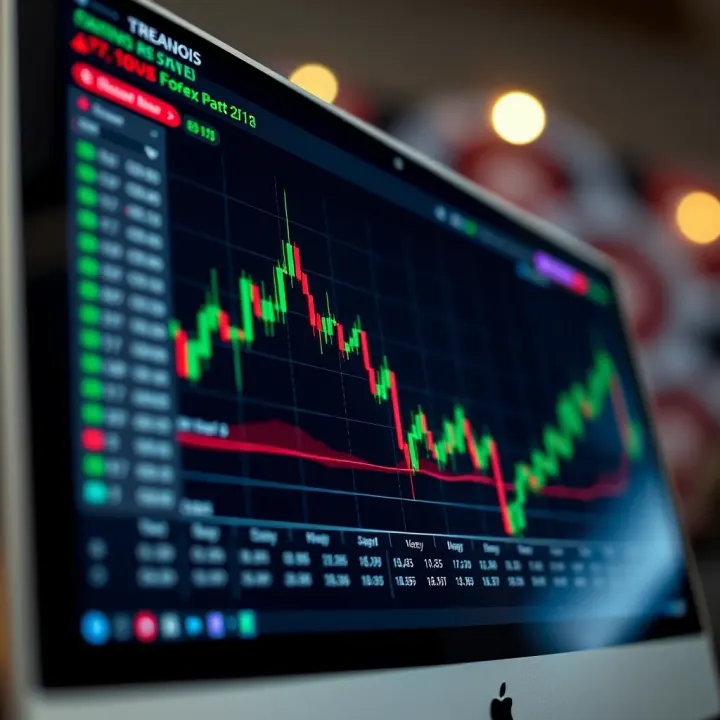
Forex price charts show the movement of currency pairs over time and come in formats like line, bar, or candlestick charts. Candlesticks are popular because they provide detailed info on opening, closing prices, highs, and lows in each time frame. By observing these, you get a clearer picture of market trends and potential reversal points.
Many traders use technical indicators to guide decisions. For example, Moving Averages smooth out price data to highlight trends, while the Relative Strength Index (RSI) signals overbought or oversold conditions. Meanwhile, Bollinger Bands help spot volatility changes. Familiarising yourself with these tools lets you interpret market signals better and time your trades more precisely.
Starting forex trading takes time and practice, but a solid grasp of account setup, order types, and chart reading sets the foundation for success in the Kenyan market.
Risk management is the backbone of successful forex trading, especially for beginners in Kenya. Without proper control, even the best strategies can lead to significant losses. Protecting your capital ensures that you remain in the market for the long haul and avoid wiping out your account with a single bad trade. This section highlights practical ways to manage risks and safeguard your money.
Leverage in forex means trading with borrowed funds from your broker to increase your purchasing power beyond what you could with your own capital alone. For instance, if your broker offers 1:100 leverage, you can trade KSh 100,000 worth of currency with just KSh 1,000 in your account. This magnifies both your potential gains and losses.
While leverage can boost profits, it can also drain your account quickly if the market moves against you. Kenyan traders should be cautious, especially since high leverage is risky without experience or strict discipline. Using small leverage ratios, like 1:10 or less, often suits beginners who want to limit exposure while gaining hands-on experience.
Leverage's pros for Kenyan traders include the ability to control larger positions and potentially earn faster returns with less capital. However, the downside is that it increases volatility and magnifies losses, which can wipe out your trading funds fast if not monitored properly.
One effective risk management tool is setting stop-loss and take-profit orders. A stop-loss order automatically closes your trade when the price hits a level that limits your loss. For example, if you buy USD/KES at 110 and set a stop-loss at 108, your trade will close if the price drops to 108, preventing bigger losses. Take-profit orders work similarly but secure your gains once a target price is reached.
Besides setting stops and limits, diversifying your trades and controlling position sizes help manage risk. Avoid putting all your capital into one currency pair. Spread your funds across different pairs or trading styles to reduce the impact of any single loss. Furthermore, position sizing means adjusting how much money you risk per trade – many experts suggest risking no more than 1-2% of your total capital on one trade. This way, even a string of losses won’t decimate your account.
Managing risk is not about avoiding losses altogether but about protecting your capital so you can continue trading smarter and longer.
By understanding leverage and using clear risk strategies like stop-losses, take-profits, diversification, and position sizing, Kenyan traders can build resilience and improve their chances of sustained profits in the forex market.
When stepping into forex trading, practical tips and awareness of common mistakes shape your path to success. These pointers not only help avoid costly errors but build strong habits necessary for sustained trading. For Kenyan traders, where market conditions and personal finance pressures can vary widely, understanding these aspects is particularly valuable. Let’s look closely at what works and what to avoid.
Trading in the forex market often stirs up strong emotions—excitement when prices move favourably or frustration with losses. Without emotional control, traders risk making impulsive decisions. For example, a beginner might double their position after a winning trade, hoping to quickly grow profits, but this can lead to excessive risk. Maintaining calm and sticking to a clear strategy prevents rash moves and protects your capital during volatile market swings.
Kenyan traders often juggle forex with daily work and family responsibilities, which can add pressure. Discipline means setting limits on your trading time and losses, recognising when to step back. This restraint is key in avoiding burnout or emotional trading, common pitfalls that drain both wallet and spirit.
A trading plan acts like a roadmap. It sets clear rules on when and how to enter or exit trades, how much capital to risk, and how to respond to different market scenarios. For instance, a trader might decide only to trade during London and New York overlap hours when liquidity and volatility are typically higher, making price moves more predictable.
Without a plan, beginners tend to chase random tips or gut feelings, which often leads to inconsistent results. A solid plan helps measure performance objectively and build confidence. The best plans in Kenya consider local factors like the timing of economic releases from the Central Bank of Kenya (CBK) or the impact of global events on the Kenyan shilling (KES).
One frequent mistake is overtrading—placing too many trades with little thought. This can happen when a trader feels the need to recover losses fast, a behaviour called chasing losses. For example, a trader who loses KSh 5,000 on a few trades may try doubling their bets immediately to recover that amount, which often worsens the situation.
This approach drains your funds quickly and increases exposure to unpredictable market moves. The key is to accept that losses are part of trading and to manage them with set stop-loss orders and realistic expectations. Healthy trading respects calculated risk rather than emotional urges.
Forex markets react strongly to economic news and geopolitical developments. Ignoring schedules for key data releases like Kenya’s inflation report or US Federal Reserve policy announcements can leave you blindsided. For example, unexpected changes in interest rates usually cause sharp currency shifts.
Successful traders keep a keen eye on trusted news sources, economic calendars, and even local events that might sway foreign exchange rates. Staying informed lets you plan trades with better timing and avoid surprises that lead to losses.
Good trading blends knowledge with discipline. Avoiding common pitfalls and sticking to practical strategies builds a foundation that can help Kenyan traders grow steadily and confidently over time.
🌍 Learn how forex trading works, key strategies, risks, and regulations tailored for Kenyan investors. Start trading smart with practical steps today! 📈💼
Explore top forex trading classes in Kenya 🇰🇪, learn key basics, pick the right course, and boost your skills with expert tips for success 📈💡.
Discover how top forex trading companies operate in Kenya 🇰🇪, navigate local regulations, pick trusted brokers, and avoid scams with expert tips 💡
🔍 Discover how to pick the right forex brokers in Kenya! Understand regulations, broker types, key features & avoid common pitfalls for smarter trading choices.
Based on 12 reviews