

Best Forex Trading Platforms for Kenyan Traders
🔍 Find reliable forex trading platforms in Kenya with insights on fees, tools, user experience, and regulations to trade smarter and safer. 📈
Edited By
Liam Crawford
Forex trading has grown in popularity in Kenya, thanks partly to the rise of accessible trading platforms and the widespread use of mobile money like M-Pesa. However, jumping into forex trading without the right tools and information can be risky. This guide provides a straightforward look at the main forex trading platforms available to Kenyan traders and how to pick one that fits your needs.
Trading platforms are the software or apps where you buy and sell currencies. They connect you to the global forex market and provide real-time prices, charts, and order execution. In Kenya, some platforms are localised to support familiar payment methods, while others are global but accessible through internet and mobile devices.
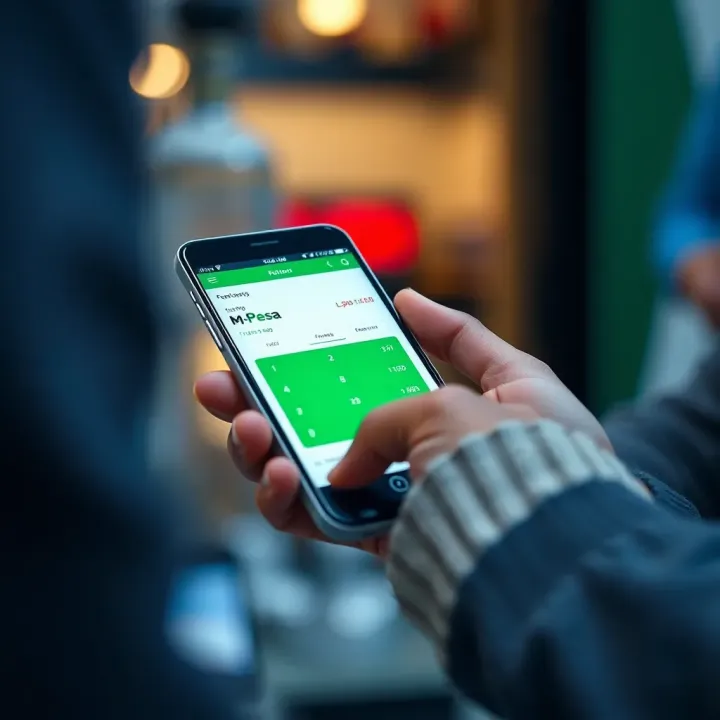
When choosing a platform, consider these practical factors:
Regulation: Verify that the platform operates legally under recognised authorities like the Capital Markets Authority (CMA) in Kenya or reputable international bodies.
Payment convenience: Look for platforms that allow deposits and withdrawals through reliable Kenyan channels such as M-Pesa, bank transfers, or local banks. This saves costs and reduces delays.
User interface: A simple and intuitive interface can make trading easier, especially if you are a beginner. Some platforms offer demo accounts to practise before real trading.
Trading tools: Features like live charts, technical indicators, and risk management options matter if you want to trade effectively.
Customer support: Responsive and localised support helps resolve issues quickly, preventing costly mistakes.
Popular forex trading platforms accessed by Kenyan traders include MetaTrader 4 (MT4), MetaTrader 5 (MT5), and proprietary platforms from brokers like HotForex, FXTM, and ThinkMarkets Kenya. MT4 and MT5 remain favoured for their robust tools and wide acceptance, while broker-specific platforms often offer better payment integration with M-Pesa.
Choose your trading platform carefully — easy deposits via M-Pesa and reliable customer support can make a big difference to your trading experience.
Understanding how these platforms work and what to expect helps you avoid common pitfalls. From setting up your account to managing risk and making payments, having practical knowledge is key to navigating forex in Kenya confidently.
The next sections will explore specific features, how to get started, and managing your risks effectively.
Forex trading platforms are the essential tools that Kenyan traders use to buy and sell currencies directly from their computers or mobiles. Understanding how these platforms work helps traders make smarter decisions and avoid common pitfalls. For example, knowing the role a platform plays in executing trades can clarify why some trades happen faster or at better rates than others.
A forex trading platform acts as the bridge between you and the currency market. Instead of physically exchanging cash, these platforms connect you to brokers who execute your buy or sell orders on the global forex market. They also consolidate market prices and show live data for traders to react quickly. This connection is crucial—without it, trading would be slow or even impossible for individuals.
Most forex trading platforms offer several standard features that help traders manage their activities. This includes simple chart displays, an order entry system to place trades, and account management tools to monitor profits and losses. For instance, MetaTrader 4, popular in Kenya, provides these basics alongside an intuitive interface so that both newbies and experienced traders find it easy to navigate.
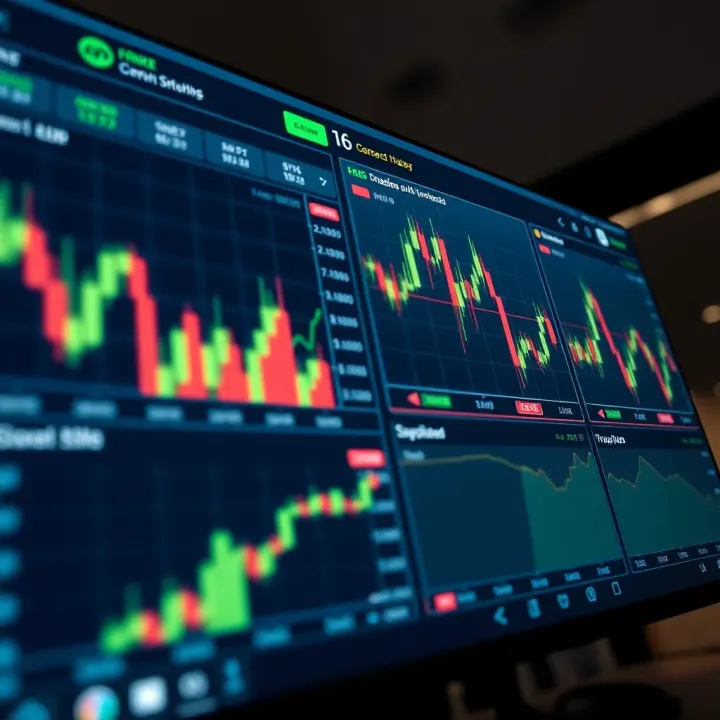
Platforms come loaded with charting tools like candlestick patterns, moving averages, and technical indicators to help you analyse price movements. These tools assist in spotting trends or possible reversal points. A practical example is using the Relative Strength Index (RSI) to judge if a currency is overbought or oversold, informing your decision to buy or sell.
When you place an order to buy or sell on a forex platform, it’s sent to the broker, who then executes it on the interbank system or electronic communication networks (ECNs). The speed and efficiency of this process affect your trade’s outcome—especially in volatile markets where prices shift rapidly. Instantaneous execution means you get the price you expect, while delays could lead to slippage, where the executed price differs from what you requested.
Forex platforms give you access to trade a variety of currency pairs, from major ones like USD/KES (US Dollar/Kenyan Shilling) to exotic pairs involving currencies from emerging markets. The range of pairs depends on the broker you choose. Kenyan traders often look for platforms offering straightforward access to USD/KES alongside other popular pairs such as EUR/USD or GBP/USD, enabling diversification.
A reliable forex platform updates currency prices in real-time, reflecting the current market conditions. This live data allows traders to react promptly to economic news or unexpected market moves. For example, during Kenya’s budget announcements, currency rates might fluctuate quickly; a real-time feed ensures traders act fast enough to protect or capitalise on their positions.
Having a clear grasp of how forex trading platforms function can be the difference between managing risks effectively and running into trouble. For Kenyan traders, this knowledge makes it easier to select a platform that suits their needs, whether they trade for a side income or a full-time livelihood.
Choosing the right forex trading platform in Kenya means weighing several critical factors that directly impact your trading experience, security, and profitability. Traders must go beyond flashy interfaces and adverts to consider elements like regulation, fees, usability, and payment methods compatible with local systems like M-Pesa. These aspects not only protect your investments but also make trading smoother and more practical for Kenyan users.
Licensing and compliance are the backbone of a trustworthy forex platform. Platforms authorised by recognised bodies follow strict rules to safeguard your funds and personal information. For example, a platform licensed under the Capital Markets Authority (CMA) Kenya signals that it operates under Kenyan financial laws and consumer protection. This matters because unregulated platforms may expose traders to fraud or sudden account freezes. Always confirm the platform’s regulatory status before committing any capital.
For Kenyan traders, the main regulators to watch are the CMA and sometimes international regulators like the Financial Conduct Authority (FCA) in the UK. Even if a platform is global, having CMA approval or local partnerships is beneficial since it ensures compliance with Kenyan standards and easier dispute resolution. Platforms lacking any credible licence should raise red flags, as recourse options in cases of mismanagement will be limited.
Understanding spreads, commissions, and hidden charges is vital because they eat directly into your profits. The spread, which is the difference between buy and sell prices, varies across platforms and currency pairs. Some platforms charge zero commissions but widen spreads to compensate, while others separate these fees. Traders should also watch out for deposit or withdrawal fees that can quickly add up.
Costs matter because high charges reduce your profitability, especially for frequent traders or those working with tight margins. For instance, a trader working with a KS00,000 account might lose hundreds daily to fees on an expensive platform, making consistent gains harder to achieve. Comparing platforms based on actual cost figures rather than just promotional offers will save money in the long run.
An intuitive user interface and mobile compatibility help Kenyan traders stay connected and react quickly to market moves. Many traders rely on smartphones over desktops, so platforms offering well-designed mobile apps, such as MetaTrader 4 or 5, are preferred. Simple navigation, quick order execution, and real-time updates make a practical difference in daily trading.
Alongside accessibility, availability of research tools, technical indicators, and educational materials boosts traders’ skills and confidence. Platforms that provide integrated webinars, charts, and demo accounts enable users to test strategies without risking real funds. This combination of convenience and support is key for newcomers and seasoned traders alike.
For Kenyan users, deposit and withdrawal methods must align with local preferences and banking infrastructure. Platforms accepting M-Pesa top-up and withdrawals score highly since M-Pesa is by far the most popular payment method nationwide. Bank transfers through major banks like KCB or Equity Bank offer alternative options, but speed and ease vary.
Integration of M-Pesa means you can fund your forex account directly from your mobile wallet instantly, avoiding the delays and sometimes high fees associated with international bank transfers. Some platforms even support linking payment wallets to auto-sync accounts, reducing manual steps. This practical feature ensures Kenyan traders can manage funds quickly and securely without travelling to banks or dealing with complicated processes.
When choosing a forex platform, focus on transparency, local compatibility, and reliable regulatory backing to protect your money and maximise your trading potential in Kenya.
Choosing the right forex trading platform is the backbone of any trader’s success in Kenya. Popular platforms combine reliability, user-friendliness, and powerful features tailored to both beginners and seasoned traders. Kenyan traders often favour platforms that support local payment methods like M-Pesa and offer access to trusted brokers. Understanding the strengths of the most widely used platforms can save you time and money.
MetaTrader 4 (MT4) and MetaTrader 5 (MT5) are the most frequently used platforms among Kenyan traders because of their versatility and ease of use. MT4 remains popular, especially for beginners, due to its straightforward interface, huge community support, and effective charting tools. It provides essential features like custom indicators, automated trading through Expert Advisors (EAs), and multiple order types that help traders manage positions effectively.
MetaTrader 5, on the other hand, offers some advanced functions beyond MT4. It supports more asset classes, including stocks and commodities, along with forex. Kenyan traders moving towards professional levels appreciate MT5’s improved charting options, more timeframes, and better analytical tools. Still, MT5 maintains a user-friendly design similar to MT4, which makes the switch relatively easy.
Regarding compatibility, both MT4 and MT5 work seamlessly with many Kenyan brokers such as Exness Kenya, HotForex, and FXPesa. These brokers support local deposit and withdrawal options, making funding smooth and secure. The platforms integrate well with Kenyan banking systems, allowing traders to easily move money using bank transfers or M-Pesa. That ease of integration is key when selecting a platform to avoid delays or unnecessary fees.
cTrader is renowned for its transparency and advanced charting tools, appealing to traders looking for detailed price action analysis. The platform provides raw spreads from liquidity providers and shows market depth, a feature that many novice platforms lack. This level of visibility helps Kenyan traders make smarter decisions, especially when markets become volatile.
Its advanced charting capabilities include features like multiple chart types, sophisticated drawing tools, and integrated trading indicators. Such tools make it practical for traders who rely heavily on technical analysis. The intuitive interface also supports quick order execution and customised layouts, which traders can save and use repeatedly.
Primarily suited for professional traders, cTrader offers algorithmic trading through its cAlgo tool, allowing coding of Automated Trading Systems (ATS). This feature attracts Kenyan traders with programming skills or those who prefer set-and-forget strategies. The platform also supports one-click trading and fast order management, which is essential for scalping and high-frequency trading.
Several Kenyan brokers also offer their own specialised trading platforms that cater to unique local needs. For example, some brokers provide web-based platforms allowing easy access without installations, which appeals to traders who use shared or low-spec devices. Others build mobile apps optimised for Kenyan internet speeds and data consumption, crucial for those trading on the go.
These broker-specific platforms often integrate tightly with Kenyan payment methods like M-Pesa, streamlining deposits and withdrawals. They may also include localised customer support in Swahili and English, making technical help more accessible. Such platforms can offer promotions, local market insights, or educational content aligned with Kenyan trading habits.
When deciding on a platform, consider whether it fits your trading style and accommodates practical needs like payment options and local support. Popular platforms like MT4, MT5, and cTrader have strong reputations, but broker-specific platforms sometimes deliver a more tailored experience for Kenyan traders.
Starting forex trading in Kenya requires a clear understanding of the initial steps to make the journey smooth and legally compliant. Setting up your account properly and knowing how to fund it can save you from troubles later on. Kenyan traders have the advantage of platforms that accept familiar payment methods like M-Pesa, making access to the forex market quite practical. Additionally, being aware of how to execute trades and manage positions helps traders avoid common pitfalls.
Documentation and registration steps involve providing basic identification documents such as a national ID or passport, proof of residence (like a utility bill), and sometimes a tax identification number (PIN). These documents ensure you meet legal requirements and help brokers verify your identity. Kenyan residents need to register on the chosen forex platform, filling in personal information accurately to avoid delays.
Verification requirements for Kenyan residents are a crucial step. Most reputable brokers require Know Your Customer (KYC) checks to comply with anti-money laundering laws. The process involves submitting scanned or photographed copies of your documents. For example, you might upload your ID and a recent electricity bill through the broker’s online portal. This verification may take a few days but is necessary to secure your account and access full trading services.
Depositing funds using M-Pesa is widely preferred in Kenya due to its convenience and ubiquity. Many forex brokers partner with payment providers that facilitate easy and quick transactions from your M-Pesa wallet to your trading account. Bank transfers are another option but can sometimes take longer, especially if using international banks. The smooth integration of M-Pesa in funding your forex account means you can top up from your mobile phone anytime without visiting a bank.
When considering minimum deposit amounts and currency, Kenyan brokers often set minimums starting from as low as KSh 1,000 to KSh 10,000, which makes forex accessible to many. It’s also important to check which currencies your broker supports; some accept Kenyan shillings directly, while others trade in US dollars or euros. Trading in foreign currency may expose you to currency exchange costs, so reviewing these beforehand helps you plan your finances better.
Placing orders and managing open positions are the hands-on parts of trading. After funding your account, placing an order means buying or selling a specific currency pair at a given price. You can set types of orders, such as market orders for immediate execution or limit orders to trade at a preferred price. Managing open positions means monitoring your trades and deciding when to close them.
Understanding leverage and margin is essential for Kenyan traders venturing into forex. Leverage lets you control larger positions with a small deposit but increases risk. For example, a 1:100 leverage means with KSh 1,000, you can trade KSh 100,000 worth of currency. However, losses can also magnify, so using leverage wisely and maintaining margin levels prevents your broker from closing your positions unexpectedly.
Getting started right involves both clear paperwork and practical knowledge of trading tools. Kenyan traders who understand these fundamentals tend to avoid early losses and build from a solid base.
By focusing on these steps – account setup with proper verification, convenient funding methods, and mastering the basics of trading – you position yourself well for meaningful engagement with the forex market in Kenya.
Managing risks is fundamental for anyone involved in forex trading. The market can be volatile, with exchange rates shifting quickly due to political events, economic data releases, or even global news. Kenyan traders must be aware of these risks to protect their capital and increase chances of success. Beyond just avoiding losses, smart risk management helps you stay in the game longer, giving you opportunities to learn, adapt, and grow.
A stop-loss order automatically closes your trade when the price moves against you by a certain amount. This tool prevents runaway losses and helps protect your investment. For instance, if you buy the USD/KES pair expecting it to rise, you can set a stop-loss at a level where you’re willing to accept some loss – say 2% below your entry price. If the market drops to that level, the platform sells your position to stop further loss.
This is particularly useful in Kenya’s fast-moving forex market where unexpected events — like sudden changes in CBK monetary policies or regional unrest — may move prices sharply. Many Kenyan brokers offer easy-to-use stop-loss features on platforms like MetaTrader 4, so you can set these limits at the time you place your order, keeping your risk within your comfort zone.
Don’t put all your eggs in one basket. Trading multiple currency pairs spreads risk. For example, instead of focusing only on USD/KES, try adding EUR/USD or GBP/USD into your portfolio. These pairs react differently to economic news, reducing the chance you’ll lose big from a single event.
Diversification also exposes you to broader market opportunities. While the Kenyan shilling might be stable or volatile at times, European or US dollar pairs may offer different trading signals. However, avoid over-diversifying, which can dilute your focus. Pick a manageable number of pairs to follow closely — this helps you understand their behaviour and time your trades better.
Forex trading is a skill that improves with knowledge. Many Kenyan brokers and online platforms offer free tutorials, webinars, and articles tailored to local traders. Using these resources builds your understanding of concepts like technical analysis, fundamental analysis, and market sentiment.
For example, understanding how Kenya's economic reports affect the KES can help you anticipate price movements. Relying on authoritative sources rather than social media rumours will save you from costly mistakes. Keep learning—markets don’t stand still, and neither should you.
Demo accounts allow you to trade forex using virtual money in real market conditions. This practice helps Kenyan traders gain experience without risking actual money. You can test strategies, understand platform features, and learn how different currency pairs behave.
Since the Kenyan shilling often has specific volatility patterns, practising with demo accounts accessible on platforms like MetaTrader 5 or cTrader can familiarise you with these movements. Use the demo phase to build confidence before moving to live trades with real money.
Managing risk and continuously improving your skills are vital to long-term forex trading success. It’s not just about making profits but preserving your capital and learning from the market.
In summary, applying stop-loss orders and diversifying currency pairs can shield you from heavy losses. Meanwhile, investing time in education and practising on demo accounts equips you with the knowledge and confidence necessary to navigate Kenya’s forex market effectively.
🔍 Find reliable forex trading platforms in Kenya with insights on fees, tools, user experience, and regulations to trade smarter and safer. 📈

🌍 Learn how forex trading works, key strategies, risks, and regulations tailored for Kenyan investors. Start trading smart with practical steps today! 📈💼

📈 Learn forex trading basics for Kenyans: how the market works, start-up steps, risk tips, and practical advice to trade confidently and avoid common mistakes.

📊 Learn forex trading basics, risk management, and local tips in Kenya. Get practical steps with a downloadable PDF guide to start trading confidently today!
Based on 5 reviews