
Forex Trading Guide for Kenyan Investors
🌍 Learn how forex trading works, key strategies, risks, and regulations tailored for Kenyan investors. Start trading smart with practical steps today! 📈💼
Edited By
Benjamin Wright
Forex trading opens a world of opportunities by enabling individuals to buy and sell different currencies. For beginners in Kenya, understanding how this market works is key before jumping in. Unlike stock exchanges, the forex market runs 24 hours a day during weekdays, offering flexibility but also requiring discipline.
Trading forex involves speculating on whether a currency’s value will rise or fall against another. For example, if you believe the US dollar (USD) will strengthen against the Kenyan shilling (KES), you buy USD/KES pairs. If the exchange rate moves in your favour, you profit; if not, you face losses.
Starting forex trading is straightforward but needs a solid foundation. You’ll need a reliable trading platform—MetaTrader 4 and 5 are widely used—plus access to market data and a secure broker registered with the Capital Markets Authority (CMA) Kenya. Some brokers even offer demo accounts to practise without risking real money.
Keep in mind: forex trading carries risk and isn't a guaranteed way to make money. Learning risk management and maintaining discipline are as critical as knowing market fundamentals.
Key tools to begin with include:
Trading platform: software to execute trades and analyse charts.
Economic calendar: tracks important events that affect currency prices, like US Federal Reserve meetings or Kenyan inflation reports.
Access to news: Forex prices react fast to political and economic changes; staying updated is vital.
Effective strategies often revolve around technical analysis using chart patterns, moving averages, or support and resistance levels. Others prefer fundamental analysis based on economic indicators. Kenyan traders should pay close attention to both local factors—like Central Bank of Kenya (CBK) policy changes—and international events.
Risk management can’t be overstated. Never trade money you can’t afford to lose, and use stop-loss orders to limit potential losses. Many traders adopt a small position size, risking just 1–2% of their capital per trade to protect their portfolio against unexpected swings.
By grasping these basics, Kenyan beginners can approach forex markets confidently with clear expectations and better preparation for the challenges ahead.
Grasping the basics of forex trading is vital before getting into actual trading. It helps you get a clearer picture of how the market works and what factors affect currency values. Without this foundation, it’s easy to make costly mistakes or get overwhelmed by jargon and rapid price changes. Understanding the basics also establishes a strong base for developing strategies that suit your style and goals.
Forex trading, short for foreign exchange trading, involves buying and selling currencies from around the world. It’s the largest financial market, with over $6 trillion traded daily, allowing traders to speculate on currency price movements. In practical terms, if you think the US dollar will strengthen against the euro, you might buy USD/EUR hoping to profit from the shift.
Currencies are traded in pairs because when you buy one currency, you’re selling another simultaneously. For example, in the USD/KES pair, buying USD means selling Kenyan shillings (KES). Traders aim to profit from the currency price changes relative to each other, not just the absolute value of one currency.
Globally, forex trading supports international trade and investments. Locally in Kenya, forex has grown with easier access through mobile platforms and brokers. It allows Kenyan traders to participate in global markets even with as little as KSh 1,000, making it an appealing option for diversifying income beyond traditional businesses or stocks.
Pips, lots, leverage, and margin describe core trading mechanics. A pip is usually the smallest price movement in currency pairs, often four decimal places. If USD/KES moves from 108.1500 to 108.1600, that’s one pip. A lot defines trade size; for instance, one standard lot often equals 100,000 units of the base currency. Kenyan traders often start with smaller, micro or mini lots.
Leverage lets you control a larger position with a smaller deposit (margin). For example, 1:100 leverage allows you to trade KSh 100,000 with KSh 1,000 margin. While it can boost profits, leverage also raises the risk of bigger losses, so use it cautiously.
Currency pairs fall into major, minor, and exotic categories. Majors include pairs like EUR/USD or USD/JPY, which are highly liquid. Minors exclude the US dollar but involve strong currencies like EUR/GBP. Exotics pair a major currency with that of an emerging economy, such as USD/KES; these often have wider spreads and less liquidity, meaning costs and risks can be higher.
The bid price is what the market will pay to buy a currency, while the ask price is what sellers want to receive. The difference between the two is called the spread—a key cost in trading. For example, if the bid for USD/KES is 108.10 and the ask is 108.15, the 0.05 KSh difference is your spread cost.
Knowing these terms helps you navigate trading platforms, understand costs, and manage risk better, making your entry into forex trading smoother and more informed.
By learning these basics, you prepare yourself to trade smartly rather than relying on guesswork. Keeping track of how currencies move, what affects their prices, and the mechanics of trading can increase your chances of steady growth in the forex market.
Starting well with forex trading gives you a strong foundation to build on. It's not just about picking any platform and trading blindly; setting up properly helps avoid unnecessary losses and frustration. For instance, choosing a broker without checking their credibility can lead to locked funds or hidden charges. On the other hand, having the right tools ready makes analysing market moves easier, especially when you're adapting to the fast pace of forex.
Regulatory considerations in Kenya and internationally play a big role in protecting your money. In Kenya, brokers registered with the Capital Markets Authority (CMA) follow local laws designed to safeguard traders. Engaging with a CMA-regulated broker means they meet specific rules about transparency and fund security. Meanwhile, international regulation—from bodies like the UK's Financial Conduct Authority (FCA) or Australia's ASIC—offers additional layers of protection, especially for trades crossing borders. Selecting a broker without proper regulation can expose your funds to fraud or irresponsible business practices.
When it comes to broker fees, spreads, and commissions, these costs directly affect your profits. Brokers typically earn through spreads—the difference between the buying and selling price of a currency pair—or by charging commissions on each trade. For example, a tight spread on the popular EUR/USD pair means you need smaller price movements to make money. Beginners should look for brokers with low spreads and transparent commission structures to avoid surprises. Sometimes, brokers offering very low fees might compensate through slower trade execution or less reliable platforms, so balance cost with quality.
Account types and features suitable for beginners matter because they influence your trading experience. Many brokers offer demo accounts, micro-lots, and educational resources tailored for newcomers. A demo account lets you practise with virtual money to build confidence without risking real cash. Micro or mini accounts allow traders to start with small amounts, reducing financial pressure while gaining market experience. Additionally, accounts with user-friendly interfaces and clear reporting tools help beginners understand their trades better. Avoid complex account types focused on professionals until you grasp the basics.
Popular trading platforms and mobile apps form the backbone of your daily trading activities. Platforms like MetaTrader 4 (MT4) and MetaTrader 5 (MT5) are widely used for their reliability and extensive analysis tools. They support automated trading and custom indicators, which may become important as you advance. For those frequently on the move, mobile apps from brokers or MT4/MT5 offer flexibility to monitor and execute trades from anywhere, provided you have internet access. Choosing a platform already familiar to local traders can also mean better community support and tutorials.
The importance of demo accounts for practice cannot be overstated. They simulate real market conditions but use virtual funds, helping beginners understand market behaviour and test strategies without risking a shilling. For example, practising how to place stop losses and set take profits in a demo environment prepares you to control emotions better in real trading. Most brokers provide demo accounts for free, so it’s worth using them extensively until you feel ready for live trading.
Charting tools and technical indicators basics equip you to make informed decisions. Charts show price movements over time, and technical indicators like Moving Averages or Relative Strength Index (RSI) highlight trends and potential reversal points. Even simple chart reading, like spotting candlestick patterns, can improve timing for entry or exit. Combining these tools lets you move beyond guesswork, reducing risks. Many platforms integrate these features seamlessly, so beginners should prioritise learning how to use them effectively.
Setting up carefully raises your chances of success and limits early losses. Take your time choosing a regulated broker, understand the fees, and get comfortable with tools before risking real money.
Developing a solid forex trading strategy is vital for navigating the volatile currency markets. A well-planned approach helps traders make informed decisions rather than relying on guesswork or emotions. For beginners, understanding different strategies can clarify how to respond to fluctuating prices and market signals, improving chances for profit while limiting losses.
Day trading involves opening and closing positions within the same trading day, capitalising on small price movements. This approach demands constant attention and quick decision-making, so it suits traders who can dedicate time and focus during market hours. For example, a Nairobi-based trader might monitor the USD/KES pair closely during peak business hours, reacting to local economic news.
Swing trading takes a longer-term view. Trades last from several days to a few weeks, aiming to catch larger price shifts. This style fits beginners less keen on hourly monitoring. Instead, swing traders might analyse weekly charts to identify entry points, allowing them to manage trades alongside other daily responsibilities.
Fundamental analysis in forex trading examines economic indicators, geopolitical events, and monetary policies to predict currency movements. For instance, if the Central Bank of Kenya unexpectedy changes its interest rate, the Kenyan shilling may strengthen or weaken depending on market expectations. Keeping an eye on news releases like GDP reports, inflation rates, or political stability helps traders anticipate such swings.
While beginners might not delve deep into economic data, recognising key events and their likely impact offers a big advantage. For example, understanding that a higher interest rate often attracts foreign investment and strengthens a currency can guide trade decisions effectively.
Technical analysis uses price charts and indicators to identify patterns and potential market reversals. Beginners usually start with common tools like moving averages, support and resistance levels, and the Relative Strength Index (RSI). For example, spotting a consistent support level on the EUR/USD chart might signal a good entry point as prices bounce there repeatedly.
This method helps traders time their buys and sells without relying on fundamental news alone. In practice, a Kenyan trader might use MetaTrader 4 to monitor these signals and set alerts to avoid staring at screens all day.
Stop loss orders automatically close a position at a predetermined price to limit losses. They act as safety nets, preventing a single bad trade from wiping out large parts of your capital. For example, if you buy GBP/USD at 1.3500, setting a stop loss at 1.3450 limits your loss to 50 pips.
Beginners often overlook this step, but it is essential for survival in forex trading. A disciplined use of stop losses protects you from unexpected market moves and helps maintain emotional control.
Take profit orders lock in gains by closing trades at specific favourable prices. Setting realistic targets based on recent price action and volatility ensures profits are not overly ambitious. Instead of aiming for 200 pips on a short-term swing with daily price swings of 50 pips, setting a target of 50 to 70 pips aligns better with market behaviour.
This mindset avoids disappointment and encourages consistent, manageable profits over time.
Markets rarely move in a straight line, so adjusting stops and targets can optimize outcomes. If a trade moves favourably, moving the stop loss closer to break even reduces risk. Similarly, traders might scale out some positions when targets near.
For example, a trader in Nairobi might trail the stop loss on USD/JPY after it climbs 100 pips, ensuring some profit even if the trend reverses. This flexibility supports smarter trade management and protects capital.
Effective strategies blend patience, analysis, and risk control. Without a plan, traders risk chasing losses or falling prey to emotions.
Developing your own approach based on these principles will steer you away from common traps and closer to consistent results in forex trading.
Managing risks in forex trading is not just a good practice; it’s what separates consistent traders from those who lose fast. Without a proper approach to managing risks, you might lose your entire trading capital in just a few poor trades. This section sheds light on how limiting exposure, using leverage well, and maintaining psychological control can help you avoid costly mistakes.
Limiting exposure per trade means only risking a small portion of your total trading fund on any single deal. For instance, if you have KSh 100,000 in your trading account, you should not risk more than 1-2% per trade (KSh 1,000 to KSh 2,000). This way, even if the market moves against you, your losses remain manageable. This approach gives you room to recover and continue trading without wiping out your account immediately.
When you limit exposure, you’re protecting your capital from the unpredictable swings forex markets can have. Kenyan traders often get caught up in the excitement and place large bets, thinking big wins will come quickly. However, focusing on small, controlled risks keeps your trading sustainable in the long run.
Using leverage responsibly is another critical factor in risk management. Leverage lets you control large amounts of currency with a relatively small deposit. For example, a 1:100 leverage means KSh 1,000 can control KSh 100,000 worth of currency. While this sounds attractive, it’s a double-edged sword—profits and losses both multiply.
Imagine using high leverage without a clear plan; a small price movement can wipe out your trading account. That’s why careful use of leverage, with stop-loss orders in place, is essential. Beginners should start with low leverage ratios and only increase as they gain experience and confidence.
Psychological discipline in trading is often overlooked but is key to managing risk well. Trading can be stressful, and emotions like fear and greed easily cloud good judgment. A disciplined trader sticks to their strategy and risk limits, regardless of short-term wins or losses.
For example, after a losing trade, some traders want to recover losses quickly by increasing their stakes, a common trap called "revenge trading". It usually leads to even bigger losses. Staying calm, reviewing trades objectively, and following your risk management plan helps you stay in control and avoid emotional decisions.
Overtrading and chasing losses happens when traders place too many trades or repeatedly try to recover from losses quickly. This often happens out of frustration or hope to regain lost money fast. Such behaviour increases trading costs and exposure, which can accelerate losses instead of fixing them.
A better approach is to pause after losses, review what went wrong, and stick to your trading plan. Quality over quantity matters in forex trading—each trade should be carefully chosen, not rushed.
Ignoring proper analysis is a common pitfall where traders jump into trades based on tips, rumours, or gut feeling rather than solid research. Successful forex trading depends on analysing currency pairs, economic news, or technical patterns.
For example, not checking upcoming Kenyan shilling exchange rate news or global events can lead to surprises that wipe out profits. Using both fundamental and technical analysis tools can guide more informed trades.
Letting emotions drive decisions can ruin your trading career. Whether it’s excitement after a big win or panic during a downturn, emotional trading often breaks rules around risk and strategy.
Traders should set clear entry and exit rules and use automated stop-loss orders when possible to avoid making sudden impulsive moves. Keeping a trading journal helps reflect on mistakes and control emotional biases.
Managing risks well doesn’t mean avoiding all losses but rather protecting your capital and mindset so you can trade profitably long term.
By applying these practical risk management principles and steering clear of common rookie errors, you will build a stronger foundation for your forex trading journey.
Understanding practical aspects of forex trading in Kenya is essential for success. Local conditions, such as payment methods, currency fluctuations, internet access, and legal requirements, affect how traders interact with global forex markets. This section offers clear advice tailored to Kenyan traders, helping you navigate these unique factors confidently.
Using mobile money options like M-Pesa for deposits and withdrawals makes entering and exiting forex trades easier for Kenyan traders. Almost everyone in Kenya uses M-Pesa, making it a convenient way to fund your trading account or withdraw profits without dealing with complex bank transfers. Brokers that support M-Pesa allow quick, affordable transactions – you won't need to queue at banks or pay heavy fees.
For example, many brokers in Kenya directly accept M-Pesa deposits, so you can top up your account from your phone anytime. Likewise, withdrawing winnings back into M-Pesa ensures you can access your funds instantly, especially useful if you’re outside major cities.
Navigating exchange rate fluctuations involving KSh is another key aspect. Since forex trading often involves major currencies like USD, EUR, or GBP, changes in the KSh's rate against these currencies can impact your bottom line. For instance, if the Kenyan Shilling weakens against the US dollar, depositing KSh into a USD-based trading account will cost more.
Knowing how to monitor CBK (Central Bank of Kenya) exchange rate updates and factoring in currency swings can help you decide when to move funds into or out of forex accounts. This advice prevents surprises and helps you protect your capital.
Internet connectivity and data cost considerations are practical issues Kenyan traders face daily. Reliable internet is critical for smooth trading, but not all areas in Kenya have strong signals, and data costs can pile up quickly.
Choosing forex platforms with lightweight apps or web versions that perform well on slower connections can save you time and money. Additionally, some Kenyan internet providers offer affordable bundles or unlimited night data, which you might use for research and strategy planning offline later. Always make sure your connection is stable during active trading to avoid missed opportunities or costly mistakes.
Understanding KRA requirements for forex profits is vital. The Kenya Revenue Authority treats forex gains as part of your taxable income, so profits from trading are subject to income tax. Ensure you know how to declare these earnings when filing tax returns to avoid penalties.
Unlike some informal earnings, forex profits are traceable through bank and mobile money transactions when you withdraw your funds. That means the KRA expects honesty and compliance. For instance, even if you use multiple brokers or accounts, consolidated profit figures matter during assessment.
Keeping records for tax and compliance plays a critical role in staying on the right side of the law. Maintaining detailed logs of all your trades, deposits, withdrawals, and related communications helps substantiate your income sources. This information proves useful if KRA requests audits or clarifications.
A simple spreadsheet or specialised trading journal app can track these details efficiently. Also, keep receipts from M-Pesa or bank transactions linked to your forex activities.
Staying informed about local regulations protects you from scams and sudden legal changes. Forex trading regulations in Kenya continue to evolve. For example, the Capital Markets Authority (CMA) may tighten rules or introduce licensing requirements for brokers and agents.
Regularly checking updates from Kenyan financial authorities or trusted local forex communities can alert you to such changes early. This vigilance ensures your trading activities remain legal and reduces risk from unregulated platforms.
Keeping abreast of Kenya-specific trading conditions and rules gives you a clear edge in the forex market. Practical handling of payments, taxes, and connectivity makes your trades smoother and safer.
By paying attention to these practical tips, you set yourself up for a more informed and successful forex trading experience in Kenya.
🌍 Learn how forex trading works, key strategies, risks, and regulations tailored for Kenyan investors. Start trading smart with practical steps today! 📈💼
Explore top forex trading classes in Kenya 🇰🇪, learn key basics, pick the right course, and boost your skills with expert tips for success 📈💡.
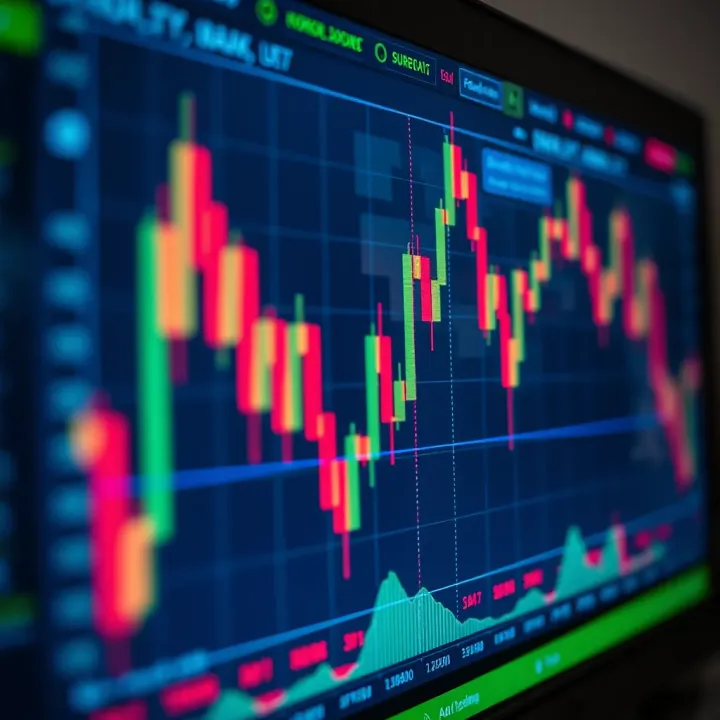
Discover how top forex trading companies operate in Kenya 🇰🇪, navigate local regulations, pick trusted brokers, and avoid scams with expert tips 💡
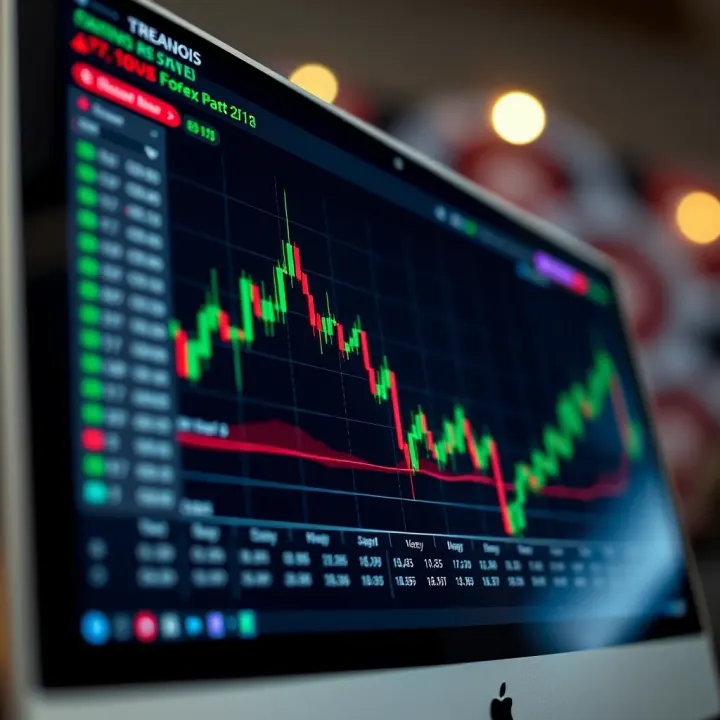
🔍 Discover how to pick the right forex brokers in Kenya! Understand regulations, broker types, key features & avoid common pitfalls for smarter trading choices.
Based on 9 reviews