

Understanding Risk Management for Kenyan Businesses
📊 Learn how Kenyan businesses can master risk management by identifying, assessing, and minimizing threats to protect their operations and thrive in uncertain times.
Edited By
James Whitaker
Every business, whether small jua kali workshop or a growing SME in Nairobi, faces risks that can disrupt operations and affect profitability. Risk management is about recognising these threats early and taking sensible steps to reduce their impact. For Kenyan businesses, practical risk management isn’t just about theory; it’s about finding solutions that fit local realities.
Financial risks like currency fluctuations or delayed payments often hit first. For example, importers dealing with foreign suppliers regularly face currency risks as the Kenya Shilling’s value swings against the dollar. On top of that, cash flow interruptions from customers who pay late can stall daily operations.

Operational risks, such as supply chain disruptions or power outages, also affect many firms. Imagine a manufacturer in Mombasa relying on consistent electricity—when outages occur, production comes to a halt. Similarly, transport strikes or road closures can delay deliveries especially outside the capital, causing losses.
Reputation risk matters just as much. In Kenya's connected digital age, a negative review on social media or poor customer service can quickly spread, affecting brand trust. Businesses need proactive ways to manage their public image.
Effective risk management blends anticipating problems with putting structures in place to respond swiftly. This reduces surprises and protects your business’s future.
Identification: Spotting risk sources based on your business type and environment.
Assessment: Evaluating how likely risks are to occur and their potential damage.
Mitigation: Developing ways to lower risk impact, including insurance, supplier diversification, or contingency plans.
Monitoring: Keeping an eye on risks' evolution and reviewing strategies regularly.
Kenyan businesses that integrate these steps can better navigate uncertainties. For instance, a retailer can diversify suppliers from local and regional markets to avoid total dependence on one source. Investing in insurance products tailored to Kenyan businesses, such as fire or political risk cover, also secures critical assets.
Ultimately, risk management should be part of everyday business planning — not a once-off exercise. With consistent attention, your business can stay resilient and spot opportunities even when challenges arise.
Kenyan businesses face a variety of risks that can affect their stability and growth. Understanding these risks helps business owners make informed decisions and develop strategies that protect their investments. Each risk type requires tailored approaches, and knowing them well can prevent losses and support long-term success.
Cash flow challenges are one of the most common risks Kenyan businesses encounter. For example, small retailers might struggle to keep enough money flowing during off-peak seasons or when customers delay payments. Insufficient cash flow disrupts day-to-day operations, making it difficult to pay suppliers, staff, or cover unexpected expenses.
Currency fluctuations affecting imports and exports also have a strong impact. Businesses that import raw materials or export goods can lose profit when the Kenyan shilling weakens against the dollar or euro. A manufacturer buying parts from abroad might suddenly pay 10-15% more due to exchange rate shifts, squeezing margins unless prices adjust.
Credit risk from clients arises when customers or other businesses delay or fail to pay invoices. For Kenyan SMEs extending credit to trusted clients, this can become a financial headache. For instance, a boda boda assembly workshop supplying parts on credit to several matatu operators risks losses if those operators default or delay payments.
Supply chain disruptions can halt production or delay deliveries. Take a food processing factory relying on fresh maize from farmers; bad weather disrupting harvests or transport snarls on dusty roads can cause shortages. Such interruptions force businesses to either slow down output or spend more on alternative suppliers.
Equipment failure is another pitfall. A printing business where machines break down regularly will face delays, unsatisfied clients, and repair costs. Without backup equipment or maintenance plans, such breakdowns risk lost contracts or revenue.
Staff turnover and labour issues affect continuity and morale. High staff exit rates in Kenya’s retail or hospitality sectors increase recruitment and training costs. Complaints about pay or working hours can also spark strikes that disrupt operations. Managing labour relations effectively is critical for smooth running.
Handling customer complaints effectively protects a business’s image. Negative word of mouth spreads fast in local communities and on social media. A duka with poor customer service risks losing loyal buyers who might share their bad experiences widely. Quick and respectful complaint resolution builds trust.
Compliance with county and national regulations avoids costly penalties. Businesses in Nairobi or Mombasa must meet licensing rules, health and safety standards, and tax requirements. Staying on top of changes in regulations helps avoid fines or even closure. For instance, food vendors must register with the county health department and follow hygiene rules diligently.
Managing public perception and media matters as online and offline reputation influences sales. A scandal involving unethical sourcing or pollution can cause backlash. Tracking coverage on social media and engaging proactively with customers allows businesses to correct misunderstandings before they escalate.
Understanding these different risks enables Kenyan businesses to prepare better and build resilience. Each risk type brings specific challenges but also opportunities to adapt and improve operations.
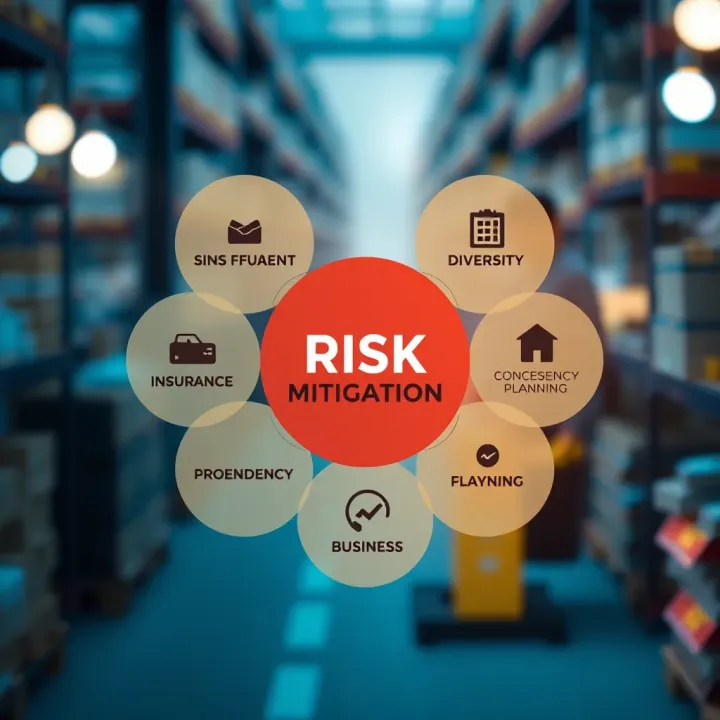
Identifying and assessing risks early helps Kenyan businesses avoid costly surprises. By spotting potential problems before they escalate, organisations can make informed decisions and plan effective responses. This means not just reacting to issues but staying ahead with thoughtful strategies suited to the local business environment.
Regular business audits check the health of a business’s operations and finances. Many small and medium enterprises (SMEs) in Kenya often rely on informal accounting, which can hide warning signs like dwindling cash flow or unpaid debts. Conducting periodic audits, even on a quarterly basis, surfaces these concerns early. For example, a retail shop in Nairobi might discover rising theft losses or stock discrepancies, prompting quicker action to tighten security or improve inventory controls.
Staff feedback channels offer valuable frontline information that top management might miss. Employees handling day-to-day sales, customer complaints, or logistics often notice issues brewing long before they affect the bottom line. Encouraging open communication through suggestion boxes or routine meetings creates a culture where risks are shared transparently. Consider a factory in Kisumu where workers highlight frequent machine breakdowns; managers can act timely and avoid costly production stoppages.
Market and competitor analysis helps businesses understand external threats and opportunities. Kenyan firms operating in sectors like agriculture or transport face rapid changes – such as new policies, disruptive competitors, or shifting consumer preferences. By monitoring these trends, businesses can anticipate risks like price fluctuations or demand drops. For instance, a maize miller tracking county-level maize prices and competitors’ offers can adjust their procurement or marketing strategies to stay competitive.
Prioritising risks that threaten business survival keeps attention on what truly matters. Some risks, though possible, might have limited impact, while others can wipe out an enterprise. Kenyan businesses with tight margins must focus on risks that could cause cash shortages or legal troubles. For example, delayed payments from large clients in the informal sector can jeopardise operations, making credit risk a top priority.
Using simple risk matrices helps visualise risks by combining how likely they are with the damage they could cause. This method fits well with Kenyan SMEs that may not have complex analytics but still need structured risk views. Plotting risks like supplier defaults or seasonal sales slumps on a matrix assists managers to allocate resources wisely—fixing the high-impact, high-likelihood issues first.
Risk quantification with basic financial metrics anchors risk evaluation in money terms. Calculating potential losses from late payments, regulatory fines, or equipment failure guides practical responses. For example, a transport company considers the cost of vehicle downtime versus insurance premiums when deciding coverage levels. Quantifying risks helps businesses balance expenses against potential harm effectively.
Early and practical risk identification paired with clear assessment methods provides Kenyan businesses a foundation to safeguard their future amidst a dynamic commercial environment. Systematic attention to these processes supports resilience and better decision-making.
Developing risk response strategies helps Kenyan businesses act on identified risks before they escalate. This stage moves beyond recognising risks to managing them proactively, reducing potential losses and ensuring smooth operations. For example, a Nairobi-based retailer might change supplier arrangements or invest in new staff skills once a supply-chain risk is spotted.
Changing business practices to prevent risk involves adjusting operations to sidestep known hazards. A local dairy farm, for instance, may switch to drought-resistant feed during the dry season to avoid livestock health issues caused by water scarcity. Such changes can limit exposure to factors beyond the business's control, improving resilience without adding much cost.
Investing in staff training builds a knowledgeable workforce that can spot and deal with risks early. For example, a tech startup in Kenya might train its developers on new cybersecurity threats to protect client data. This reduces errors and downtime, saving both time and money while building customer trust.
Upgrading technology and equipment ensures businesses stay current with tools that reduce operational errors and improve efficiency. A manufacturing firm in Nakuru could invest in automated quality testing machinery to catch defects early, avoiding costly recalls. Though the initial cost is high, the long-term savings and reputational benefits often outweigh it.
Insurance coverage relevant to Kenyan businesses helps transfer financial risk to insurers. For instance, many SMEs take asset and liability insurance to protect against fire or theft. Given Kenya's varied risk profile—from floods in some counties to theft in urban centres—choosing tailored insurance policies can prevent catastrophic financial loss.
Partnering with reliable suppliers spreads operational risks by ensuring continuous input supply. A hotel in Mombasa that partners with multiple food suppliers avoids disruption caused by one supplier failing. Trustworthy suppliers often have proven reliability, which safeguards the business from breakdowns caused by delayed deliveries or poor quality.
Outsourcing non-core functions allows businesses to transfer certain risks to experts. For example, an accounting firm in Eldoret may outsource IT support to a specialised provider instead of managing it in-house. This cuts costs and lets the firm focus on its main services while relying on specialists to handle technical challenges efficiently.
Creating emergency response plans means setting clear steps when crises happen. A small processing plant in Kisumu might develop a fire emergency plan detailing evacuation routes and fire extinguisher locations. Having such plans prevents confusion and injury, allowing quick recovery after incidents.
Backup systems for critical operations ensure business continuity if primary systems fail. For instance, a retail outlet in Nakuru may use cloud-based POS (point of sale) systems alongside local servers to avoid sales interruptions during power outages or system crashes common in some Kenyan towns.
Communication strategies during crises maintain trust and coordination. During the 2017 elections, many businesses in Kenya used WhatsApp groups to update staff and customers quickly about operational changes caused by unrest. Having a clear, reliable communication channel minimises misinformation and helps manage reputational risks effectively.
Effective risk response strategies combine prevention, transfer, and planning to keep Kenyan businesses agile and resilient in the face of uncertainty.
Effective risk management doesn't end with planning; it requires regular monitoring and reviewing to keep up with changing business environments. Kenyan businesses face various challenges—from unpredictable economic shifts to operational hiccups—and staying alert through ongoing oversight helps avoid nasty surprises. Proper tracking reveals early signs of trouble, enabling timely interventions that save resources and reputation.
Financial indicators such as liquidity ratios help assess if a business can meet its short-term obligations. For instance, a liquidity ratio below 1 might suggest cash flow issues, common in Kenya's SMEs during off-peak seasons. Tracking these ratios monthly using your accounting software will highlight financial stress early, allowing you to adjust credit terms or control expenses before cash shortages become critical.
Operational metrics like downtime frequency measure how often business processes or equipment fail. For a Nairobi-based manufacturer, repeated machine breakdowns not only delay orders but hit client trust hard. Monitoring downtime helps pinpoint weaknesses in maintenance and informs budget allocation for repairs or upgrades. Even a small reduction in downtime can improve customer satisfaction and profitability.
Customer satisfaction and brand reputation measures play a vital role in risk oversight, especially in service industries. Tools like feedback surveys or social media sentiment analysis reveal shifts in public opinion. For example, if several customers on platforms like Jumia or Naivas complain about delayed deliveries, it signals operational flaws needing urgent attention. Tracking these measures ensures your brand remains strong, reducing risks tied to lost business or negative headlines.
Engaging leadership and staff in discussions creates an inclusive risk culture. Leadership’s active involvement shows commitment, encouraging employees at all levels to voice concerns early. For example, a local retail chain that holds quarterly risk meetings involving store managers often spots trends—like supplier delays or local policy changes—before they escalate.
Updating risk registers is critical for keeping risk records current. A risk register lists identified risks with details on likelihood, impact, and mitigation plans. In the Kenyan context, where market conditions can shift quickly due to factors like currency fluctuations or new regulatory rules, regularly revising this document helps businesses stay relevant. It is especially useful for those seeking loans or tenders, as it demonstrates organised risk management.
Adapting strategies based on new data and environment ensures your approach remains effective amid change. For instance, a transport company in Mombasa might initially focus on vehicle maintenance risks but later shift attention to fuel price volatility or road regulations after reviewing monthly reports. Flexibility in adjusting plans protects the business from unexpected shocks and supports steady growth.
Monitoring and reviewing risk processes act like a health check-up for your business, offering chances to respond before risks turn into crises.
Continuous attention to risk indicators, inclusive discussions, and dynamic strategy updates build resilience in Kenyan businesses navigating uncertain markets. These steps don’t just manage threats but also open paths to seize opportunities safely.
Technology plays a big part in how Kenyan businesses manage risks today. From spotting potential financial trouble to tracking deliveries and looking after customers, digital tools help reduce surprises and keep operations smooth. Using the right technology cuts down on human error and enables faster decision-making, which is crucial given how fast market conditions can change locally.
Accounting and financial management software helps businesses keep a close eye on their money. Whether it’s simple bookkeeping apps or more advanced systems like QuickBooks or Sage, these tools allow firms to track cash flow, manage invoicing, and generate financial reports seamlessly. For example, a Nairobi-based SME can monitor customer payments and outstanding debts in real-time, helping avoid cash shortfalls before they become a crisis.
Supply chain tracking systems are essential in managing operational risks that arise from disruptions. Kenyan businesses often face delays from weather, transport interruptions, or supplier issues, especially in remote areas. Using GPS-enabled tracking or platforms like Twiga Foods’ supply chain tech enables better visibility over deliveries and stock levels. It allows businesses to respond quickly to delays, reorder stock timely, and avoid production stoppages.
Customer relationship management (CRM) platforms organise customer data and interactions efficiently. For instance, platforms like Zoho CRM or Salesforce can track sales, feedback, and service requests all in one place. This helps businesses to spot patterns early—such as increased complaints or service problems—that may hint at reputational risks. Kenyan businesses can also personalise marketing and customer support, improving loyalty amid stiff competition.
Remote data access for faster decision-making means business owners and managers don’t have to be at the office to check critical information. Cloud solutions like Google Workspace or Microsoft 365 store data securely online, accessible from mobile phones or laptops anywhere in Kenya. This speeds up responses during emergencies or changes in the market—like meeting sudden shifts in demand or addressing supplier issues promptly.
Cost-effective tools suitable for small businesses lower barriers to adopting risk management technology. Many cloud-based apps offer free or low-cost plans tailored for SMEs with limited budgets. Tools such as Trello for project tracking or Wave for small business accounting provide practical options without huge upfront investment. This makes it possible even for micro and small enterprises in towns like Kisumu or Eldoret to employ professional risk management support.
Integration with M-Pesa and other local payment platforms ensures smooth financial transactions that lower payment risks. By linking accounting and CRM systems to M-Pesa or Lipa Na M-Pesa, businesses can automate receivables and track payments instantly. This reduces delays in cash inflows, a common challenge for Kenyan sellers. Moreover, integration helps reconcile payments quickly and transparently, which builds trust with suppliers and customers alike.
Efficient use of technology in risk management isn’t just about fancy gadgets; it’s about choosing tools that fit your business size and local context to keep operations steady and safe.
Leveraging the right digital tools gives Kenyan businesses a clear edge in managing risks across finance, operations, and customer relations. It pays off with better control, fewer surprises, and the ability to adapt quickly when challenges come up.
📊 Learn how Kenyan businesses can master risk management by identifying, assessing, and minimizing threats to protect their operations and thrive in uncertain times.

🔍 Explore how risk management helps businesses in Kenya spot and handle threats, reduce losses, and make stronger decisions for steady growth.
📊 Learn practical strategies to identify and manage financial risks in Kenya's markets. Protect investments and minimize losses with effective tools and insights.
Explore credit risk management in Kenyan banks 🏦: key types, assessment tools, strategies, and challenges to safeguard assets and ensure stability 📊.
Based on 6 reviews