

Understanding Risk Management for Kenyan Businesses
📊 Learn how Kenyan businesses can master risk management by identifying, assessing, and minimizing threats to protect their operations and thrive in uncertain times.
Edited By
Liam Walker
Risk management is essential for any business wanting to sustain growth and avoid costly disruptions. For Kenyan businesses, the unexpected—be it economic swings, regulatory changes, or operational hiccups—can hit hard without proper safeguards. Understanding risk management means recognising potential problems before they occur and taking steps to minimise their impact.
Risk refers to uncertain events that might affect your business negatively. These include financial risks such as currency fluctuations affecting import costs, operational risks like machine breakdowns, or reputational risks from poor customer service. For example, a retailer relying on imported goods from China could face delays or price hikes due to global supply chain issues.
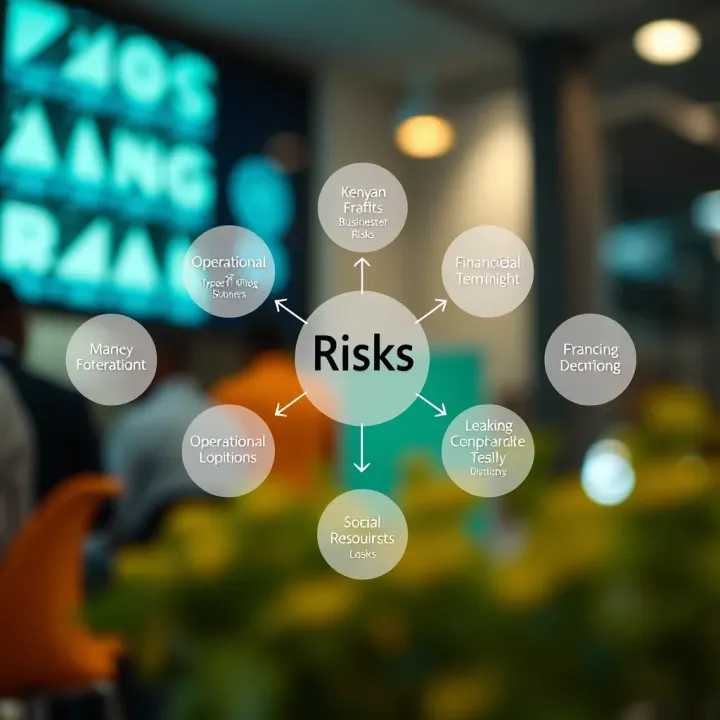
Why does risk management matter? It helps businesses:
Protect financial stability by preparing for losses or unexpected expenses
Ensure smooth day-to-day operations despite uncertainties
Improve decision-making based on risk analysis
Maintain compliance with Kenya's regulatory framework, such as KRA tax laws or county-level licensing
A well-built risk management plan is like an insurance policy — it doesn’t stop challenges from happening, but it cushions the blow and keeps your business running.
Kenyan SMEs and larger companies can implement risk management through a simple process:
Identify risks: List possible internal and external threats related to finance, operations, surroundings, or compliance.
Assess risks: Understand how likely each risk is and its potential impact on your business.
Control risks: Decide how to handle the risk—whether to avoid, reduce, transfer (e.g., insurance), or accept.
Common tools include risk registers, SWOT analysis (Strengths, Weaknesses, Opportunities, Threats), and monitoring key performance indicators (KPIs). For example, a manufacturer might track supplier reliability or raw material prices to spot risks early.
Ultimately, managing risk is a continuous effort, requiring regular review and adjustment as your business grows or market conditions change. Kenyan businesses that embrace practical risk strategies tend to navigate uncertainties better, preserving both profits and reputation.
Risk management is about recognising what could go wrong in business while also spotting chances to do better. For Kenyan businesses, this means understanding both threats like economic fluctuations and opportunities such as emerging markets. Seeing risks as opportunities as well shifts perspective, so you’re not just playing defence but can also strategise for growth.
For example, a small agribusiness in Kenya might identify erratic weather as a risk but also see the chance to diversify crops or invest in irrigation technology that others overlook. This practical approach helps businesses stay resilient rather than just reactive.
Risk refers to anything that threatens your business goals but also anything that could open up new pathways. This dual nature means risk management isn’t just about avoiding losses; it’s about managing uncertainty to improve outcomes. For Kenyan traders or investors, this could mean assessing political shifts that might disrupt imports but also open new trade agreements.
Having a clear view of risks helps leaders make smarter choices. Rather than guesswork, decisions become informed by understanding which risks could cause setbacks and which are worth taking. For instance, a financial analyst advising companies on foreign exchange risks can guide them to hedge appropriately using forward contracts, limiting big losses in volatile markets.
Sustaining a business means lasting through tough times and adapting to change. Risk management equips Kenyan enterprises to keep operations steady amid challenges. For example, a manufacturing firm that plans for power outages by investing in backup generators reduces downtime, protecting revenue and employee jobs during load shedding.
Kenya’s market faces unique pressures like fluctuating fuel prices, unpredictable regulatory enforcement, and infrastructural hiccups. These factors create risks that are different from more stable economies. Businesses must grasp these local realities to manage risks effectively. For example, a matatu operator contends with roadblocks and fare regulations that other industries might not face.
Local companies often deal with currency swings, supply chain delays especially from Nairobi traffic jams, or compliance complexities with county governments. For instance, a Nairobi-based supplier might face delays if Mombasa port congestion spikes, impacting delivery schedules and client trust.
Ignoring risks often leads to surprise expenses, lost customers, or legal trouble. A retail shop that fails to budget for taxes or NHIF compliance might face fines reducing profitability. Similarly, a business without proper data security measures risks losing customer trust and incurring heavy costs after cyber incidents. Good risk management avoids these costly shocks, preserving cash flow and reputation.
Taking risk management seriously is not just about avoiding loss — it’s about keeping your business steady and ready to seize opportunities in Kenya’s dynamic economy.
By clearly understanding what risks mean for your business and why managing them matters, you’re better placed to navigate challenges and thrive in the Kenyan market.
Understanding the common risks Kenyan businesses face helps traders, investors, and financial analysts prepare better strategies to protect their ventures. Each type of risk carries its own challenges and identifying them at an early stage allows for more effective management.
Currency fluctuations are a real concern for Kenyan businesses, especially those dealing with imports or exports. For example, a supplier in Nairobi buying goods from China must watch the US dollar-Kenyan shilling exchange rate closely. If the shilling weakens, the cost of buying goods rises, squeezing profit margins. Inflation adds another layer by increasing the costs of fuel, raw materials, and wages, all of which can put pressure on pricing and profitability.
Many Kenyan businesses extend credit to customers and suppliers, especially in sectors like agribusiness and wholesale. The risk here is that some clients may delay payments or default altogether, creating cash flow crunches. For instance, a retailer depending on supplier credit may struggle to pay rent or salaries if customers delay settling debts. Managing credit risks involves thorough vetting and clear credit terms to help maintain steady cash flow.
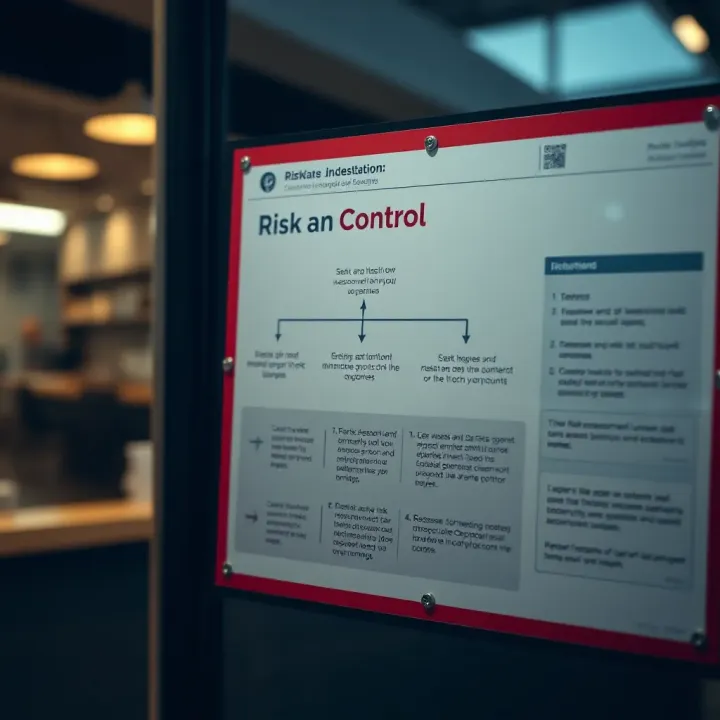
Supply chain interruptions can easily bring business operations to a halt. For example, excessive rains during the long rainy season might delay delivery of building materials to a construction project in Mombasa. Unexpected road closures or border delays also cause stock shortages or late deliveries. Developing alternative supplier contacts or local sourcing can reduce dependence on vulnerable supply routes.
Machinery breakdowns disrupt production timelines, especially in manufacturing or farming businesses. A small business using diesel generators for power back-up during blackouts experiences delays when the generators fail. Labour issues also impact productivity, such as when strikes or absenteeism reduce workforce availability. Addressing these risks means regular equipment maintenance and maintaining clear communication with staff.
KRA’s regulations and tax requirements change periodically, which can confuse businesses. For example, not submitting accurate tax returns through iTax can lead to penalties. SMEs without proper record-keeping systems risk non-compliance even when willing to comply. Staying up-to-date with KRA notices and investing in reliable accounting practices helps avoid fines and maintains good standing.
Different counties in Kenya have distinct by-laws affecting businesses, such as licensing requirements or waste disposal rules. A food vendor operating in both Nairobi and Kisumu needs to understand local standards in each county. Ignoring county regulations can result in fines or business closures, so keeping tabs on each county’s rules is necessary, especially for businesses expanding regionally.
Kenya’s growing middle class means consumer tastes keep evolving rapidly. A mobile phone retailer in Nairobi's CBD might find older models unsellable as customers opt for newer brands. New entrants and big retail chains increase competition, forcing businesses to innovate or risk losing market share.
Agricultural businesses often face risks from erratic rains, affecting crop yields and supply consistency. For example, a tea farm in Kericho may suffer during a dry spell, reducing harvest volumes. Seasonal festivals or school terms also influence demand cycles for businesses like retail shops or eateries. Understanding these patterns allows better stock and staffing planning.
Successful risk management starts with recognising the specific threats your business might face within Kenya’s diverse economic and environmental context. Addressing these areas head-on reduces surprises and supports steady growth.
Risk management is not just a checklist exercise; it is a continuous cycle that businesses must actively engage in to survive and thrive. For Kenyan enterprises, adopting a clear process to manage risks turns potential pitfalls into manageable challenges. This section breaks down the main steps to help you build a system that works for your unique business context.
To identify risks effectively, start by examining all parts of your business operations. Look beyond obvious challenges like theft or market changes and include less visible ones such as supplier reliability or technology breakdowns. For example, a Nairobi-based retailer may find that their biggest risk comes from disruptions in their supply chain through Mombasa port delays. Using tools like SWOT analysis (Strengths, Weaknesses, Opportunities, Threats) can help shine a light on threats you might not have considered.
No single person has a full picture of all risks. That’s why it’s crucial to bring together staff from different departments—finance, sales, operations, and even frontline workers—to contribute their views. Diverse teams provide broader perspectives, uncover hidden risks, and foster ownership of mitigation plans. For instance, factory workers might spot safety hazards management overlooks, or sales teams could foresee changes in customer preferences.
After listing risks, estimate how likely each is to happen and what the consequences would be. This evaluation sorts risks by importance and guides where to spend effort and resources. A shop owner in Kisumu might see flooding as unlikely but devastating, while currency fluctuation might be common but manageable. Assigning scores or categories like ‘high’, ‘medium’, or ‘low’ can simplify this process.
Once risks are mapped, focus first on those both likely and severe. Urgent risks should receive immediate attention to prevent losses or disruptions. Lower priority risks can be monitored or accepted if cost of mitigation outweighs benefits. This approach ensures limited resources are used wisely, especially for SMEs where every shilling counts.
Risk response strategies fall into four common categories: avoiding the risk outright, reducing its likelihood or impact (mitigation), transferring the risk (e.g., through insurance), or accepting the risk when it’s minor or unavoidable. For instance, a company facing power outages in rural Kenya might avoid certain processes during peak blackout hours, install a backup generator (mitigation), buy insurance covering equipment damage, or accept occasional delays without extra cost.
It’s tempting to aim for perfect risk control, but businesses must choose what fits their budget and capacity. Small traders might prioritise strengthening relationships with reliable suppliers over costly technological fixes. Selecting affordable and effective measures keeps risk management realistic and sustainable.
Good plans fail without clear ownership. Define who among your staff will implement each risk control and what their specific tasks are. This accountability helps maintain momentum and ensures timely action. For instance, the finance manager can oversee credit risk monitoring, while the shop supervisor handles theft prevention measures.
Risk environments change—new competitors emerge, regulations shift, or unforeseen events occur. Schedule regular check-ups of your risk management plans to update them accordingly. Reviewing losses, near-misses, and feedback helps refine strategies and stay ahead. A business experiencing seasonal floods can adjust timing of stock procurement every year based on rainfall patterns.
Effective risk management is a living process, not a one-time activity. By following these steps carefully, Kenyan businesses can protect themselves better and adapt smoothly to challenges as they arise.
Effective risk management depends heavily on using the right tools and techniques. These help Kenyan businesses, especially SMEs, organise risks, track changes, and respond quickly when new threats arise. The right tools make risk management practical and manageable, not just a paperwork exercise.
Organising information on risks helps businesses capture all the risks they face in one place. A risk register acts like a central log where risks are listed along with details such as their source, potential impact, and how likely they are to occur. For a Nairobi-based tea exporter facing currency fluctuations and supply delays, putting these risks in a register means they don’t get forgotten. This clear overview supports decision-making and prioritises which risks to tackle first.
Tracking changes over time is just as important as knowing the current risks. Businesses evolve, market conditions shift, and new threats can emerge. Keeping an updated risk register or checklist allows firms to spot trends — say, if late deliveries are becoming more frequent during Kenya’s long rainy season — so they can adapt their controls. Regular reviews also keep the whole team aware of changing risk landscapes.
Affordable digital options for SMEs have made risk management more accessible than ever. Cloud-based tools like Google Sheets or specialised apps such as Risk Management Software Kenya provide easy ways for businesses to keep their risk registers online. This allows access from any location and encourages collaboration across teams. With limited budgets, small traders can even use simple mobile apps for tracking risks and incidents, instead of expensive custom software.
Integrating with existing business systems is another key advantage of technology. For example, a retailer using accounting software like QuickBooks or a point-of-sale system can link risk alerts directly to financial data. This integration helps spot risks impacting cash flow or inventory quickly. Plus, it reduces manual work and errors, making risk management part of everyday business rather than a separate task.
Common insurance types for Kenyan businesses include covers like fire and theft insurance, public liability, and business interruption insurance. For instance, a jua kali workshop can protect its tools and stock against theft. Farmers might take out crop insurance to shield against drought or pest damage. Insurance helps spread the financial burden when things go wrong, providing peace of mind.
How insurance complements other risk measures lies in its role as a safety net rather than a standalone solution. While proper planning and controls reduce risk likelihood, insurance ensures that when a loss happens, the business won’t collapse under the cost. Combining good risk mitigation — like regular equipment maintenance or staff training — with appropriate insurance coverage creates a more resilient approach.
Keeping risks organised, tracking them with updated tools, and securing your business with insurance are vital steps for Kenyan businesses to manage uncertainty and remain competitive.
By embracing these tools and techniques, Kenyan firms can transform risk management from a daunting task into a practical habit that protects their bottom line and supports growth.
Risk management isn’t just a back-office task; it shapes how Kenyan businesses stay afloat and grow. By handling threats proactively, firms can avoid shocks that might derail their operations or finances. This section breaks down key benefits, giving you practical ways to protect and advance your business.
A business in Nairobi relying on imported goods can face sudden forex shifts or delays. Without risk management, these disruptions can lead to unplanned expenses or stockouts that hurt your bottom line. By identifying risks early—like currency volatility or supplier instability—you can put measures in place, such as forward contracts or alternative suppliers, to avoid these hidden costs.
Investors and business partners prefer to back companies that understand their risks and have plans to manage them. When a Kenyan SME demonstrates strong risk controls, it signals reliability and foresight. This can be the difference between securing KS0 million in funding or failing to convince investors. Moreover, strong risk management reassures partners your firm can sustain challenges without jeopardising projects or shared goals.
Kenyan businesses often face complex regulations from bodies like the Kenya Revenue Authority (KRA) and County Governments. Effective risk management helps ensure compliance, avoiding penalties or licence suspensions that disrupt operations. For example, a retailer who regularly audits tax filings and safety standards at their shops can steer clear of fines or forced closures, safeguarding continuous business.
When customers see a business that manages risks properly—such as food outlets adhering to health standards or banks protecting customer data—they feel safer engaging with it. Reputation builds trust, which in Kenya's competitive market translates to repeat clients and positive word-of-mouth. In contrast, a single incident caused by poor risk control can tarnish a company's image, driving customers away.
Whether it’s a matatu strike, power outage, or delays in raw material supply, disruptions are inevitable. Businesses with strong risk plans can maintain service by having backup suppliers, alternative transport routes, or generator power ready. This preparedness is vital for sectors like retail or manufacturing where downtime means lost income and frustrated customers.
Kenyan markets can shift fast due to new policies, consumer trends, or technology shifts. Firms that’ve mapped out risks can pivot faster. For instance, when new KRA guidelines appear on VAT, a business with a risk-aware finance team can adjust pricing or accounting promptly, staying compliant and competitive. This agility allows making smart moves before rivals catch on.
Effective risk management offers Kenyan businesses a foundation of resilience. Beyond just avoiding losses, it opens doors to growth, compliance, and trust—building firms that stand the test of time and changing markets.
📊 Learn how Kenyan businesses can master risk management by identifying, assessing, and minimizing threats to protect their operations and thrive in uncertain times.

Explore practical risk management strategies 🛡️ for Kenyan businesses. Learn to identify, assess, and control risks with key tools and frameworks.

🔍 Explore how risk management helps businesses in Kenya spot and handle threats, reduce losses, and make stronger decisions for steady growth.
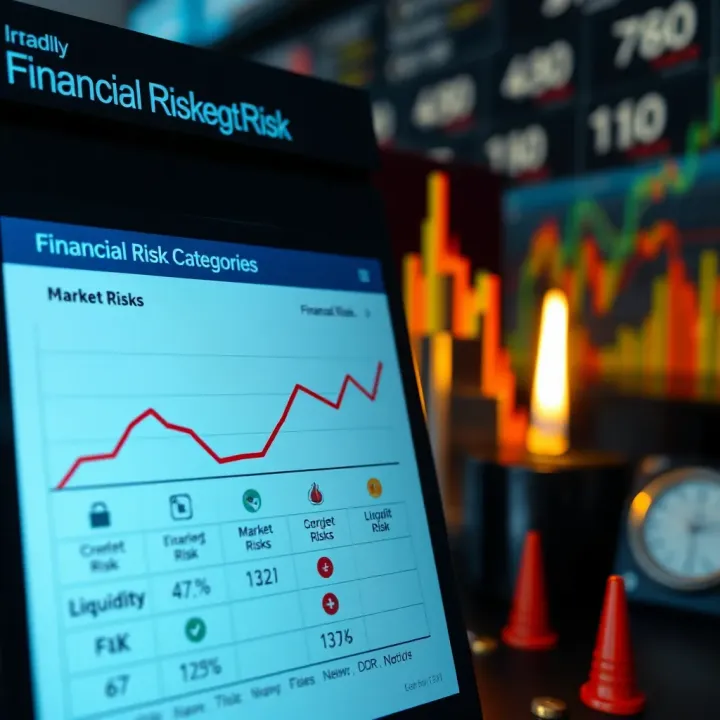
📊 Learn practical strategies to identify and manage financial risks in Kenya's markets. Protect investments and minimize losses with effective tools and insights.
Based on 5 reviews