

Effective Compliance Risk Management Strategies
Navigate compliance risk management in Kenya 🇰🇪 with strategies on culture, risk assessment, and monitoring to avoid legal and reputational pitfalls.
Edited By
Isabella Reed
Every business or organisation faces risks daily—unexpected changes in the market, regulatory adjustments, supply chain disruptions, or even local factors like adverse weather affecting logistics in Kenya. Developing a clear, effective risk management strategy helps these organisations spot potential threats early, assess their possible impact, and put controls in place before problems spiral.
An effective risk management approach isn’t just about avoiding losses; it also helps businesses seize opportunities with confidence knowing the risks are well understood. For instance, a trader in Nairobi dealing with fluctuating forex rates needs a plan to protect profits while keeping the door open for growth.
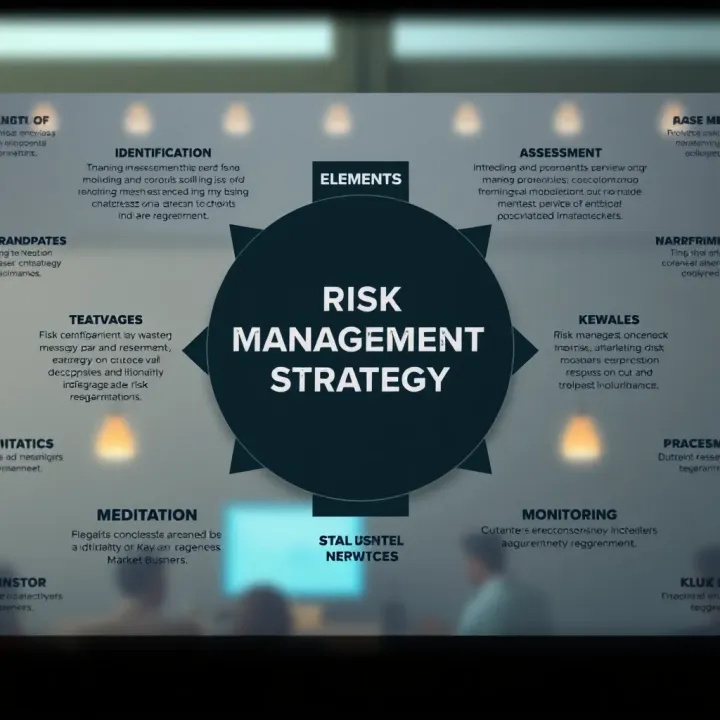
This section outlines the key steps to build such a strategy, focusing on practical methods you can apply, whether you manage investments, run a jua kali workshop, or oversee financial portfolios.
At its core, risk management involves three main actions:
Identification: Recognising all potential risks, both internal (like staff turnover) and external (such as political instability).
Assessment: Evaluating the likelihood of each risk and estimating its impact, both financially and operationally.
Control: Deciding how to handle each risk—whether to avoid, reduce, transfer (e.g., insurance), or accept it.
Each step requires accurate data and clear communication within the organisation. For example, a broker handling equities must continuously monitor market trends and regulatory news to identify new risks promptly.
Kenyan businesses operate in a unique environment where factors like changing tax policies by the Kenya Revenue Authority (KRA), fluctuating shilling exchange rates, and infrastructure challenges can throw plans off course. A poor risk response can cost thousands or even millions of shillings.
Implementing a risk management strategy tailored to local conditions enables businesses to stay resilient. Consider an agribusiness preparing for the long rains; knowing the weather patterns helps plan harvests sustainably and avoids losses due to unexpected floods.
A proactive risk management plan transforms uncertainty from a threat into manageable challenges.
Understanding these fundamentals lays a strong foundation for building a comprehensive risk system. In the next sections, we'll explore how to put these ideas into practice with clear tools and Kenyan-specific examples.
Grasping the fundamentals of risk management is the first step towards crafting a strategy that truly protects your business. It means recognising what risks look like, understanding why they matter, and knowing how to approach them in a way that supports long-term stability. For traders and investors in Kenya's fast-moving markets, this knowledge helps avoid pitfalls while tapping into opportunities safely.
Businesses encounter various risks that can disrupt operations or lead to losses. These typically fall into categories such as financial risks (like currency fluctuations or interest rate changes), operational risks (equipment failure, supply disruptions), market risks (changing consumer preferences or competitor actions), and regulatory risks (new policies, taxes from KRA, or compliance with CMA rules). For instance, a Nairobi-based exporter may face currency risk when settling deals denominated in US dollars, while a retailer in Mombasa may confront operational risks during the long rains when roads become impassable.
Without managing risks, businesses expose themselves to unexpected shocks that can drain resources or stall growth. Take the example of a small manufacturing firm without a clear plan for equipment breakdowns; a sudden machine failure could halt production for days, causing significant revenue loss and damage to reputation. On the other hand, firms that assess and control risks tend to maintain smoother operations, survive economic downturns, and gain trust from investors and customers alike. Managing risk doesn’t eliminate uncertainty but equips businesses to navigate it confidently.
Proactive risk management involves identifying and addressing risks before they escalate. This could mean regularly reviewing market trends or conducting equipment maintenance to prevent downtime. Reactive management happens after a risk event has occurred, focusing on damage control. For example, a company spotting early signs of late supplier deliveries can adjust orders in time, avoiding bigger issues. Kenyan businesses thriving in competitive sectors, such as fintech startups, rely heavily on proactive approaches to stay ahead and avoid crises.
Every business decision carries some risk, but it also offers potential rewards. A prudent risk strategy weighs these carefully rather than avoiding all risk, which can stifle growth. Consider an investment portfolio where riskier stocks might deliver higher returns but need careful monitoring. Similarly, a company entering a new market like East Africa must balance potential profits with the unknowns of local regulations or consumer behaviour. Finding this balance helps businesses pursue growth opportunities without exposing themselves to reckless losses.
Solid risk management starts with understanding what types of risks you face and adopting a mindset that combines prevention with smart risk-taking. This approach gives Kenyan traders, investors, and analysts the tools to protect assets and seize chances in a changing economy.
By mastering these basics, your organisation lays a foundation for a risk strategy that truly works in today’s business environment.
A solid risk management strategy stands firm on a few core elements essential for its effectiveness. These elements enable organisations to spot potential threats early, assess their possible impact, and craft responses that safeguard business goals. Without a clear understanding and execution of these components, risk management efforts tend to become reactive or superficial, causing unnecessary losses or missed opportunities.
Common tools for spotting risks include risk registers, checklists, and SWOT analysis (Strengths, Weaknesses, Opportunities, Threats). For instance, a Kenyan agribusiness using a risk register can systematically list risks like drought, pests, or fluctuating market prices. These tools help bring hidden risks to light before they escalate into bigger problems. Scenario analysis also plays a key role, especially in volatile sectors where market conditions change quickly.

Involving stakeholders in risk detection is crucial because they bring varied perspectives and on-the-ground insights. Employees, suppliers, customers, and even community leaders may notice risks that management misses. For example, in Nairobi's transport sector, matatu drivers might spot common safety hazards or route disruptions early, feeding valuable information back to company management. Engaging stakeholders encourages ownership of the risk process and often leads to faster, more precise detection.
Qualitative and quantitative assessments offer a balanced view of risks. Qualitative assessment relies on expert judgement, categorising risks as high, medium, or low based on experience and intuition. On the other hand, quantitative assessment uses data such as financial loss estimates or probability percentages. In Kenyan investment firms, a mix of both methods often guides decisions, allowing firms to understand risks like currency fluctuation or political instability both through numbers and context.
Prioritising risks for action means focusing limited resources where the potential impact and likelihood combine to pose the biggest threat. A risk with low likelihood but devastating impact, say a major cyberattack, might require more attention than a frequent but minor disruption. Tools like risk matrices help Kenyan businesses visualise risk priorities and plan accordingly.
Avoidance, reduction, transfer, and acceptance strategies form the backbone of risk responses. For example, a Nairobi retailer might avoid risk by not stocking a volatile product, reduce risk by installing security cameras, transfer risk through insurance, or accept minor risks as part of daily operations. Understanding which option fits a particular risk helps in making practical, cost-effective decisions.
Allocating resources effectively means directing funds, personnel, and time to manage the prioritised risks. A Kenyan SME might allocate part of its budget to staff training on fraud prevention while investing in backup power solutions to avoid outages. Smart resource allocation supports a proactive stance, preventing risks from escalating and ensuring smoother business continuity.
Successful risk management hinges not just on recognising risks but on methodical assessment and clear response plans tailored to your business realities. This organised approach keeps your operations stable and prepared, even when unexpected challenges arise.
Implementing and monitoring risk strategies are vital steps that bring risk management plans to life. Without proper execution and follow-up, even the best strategies remain just plans on paper. This stage ensures that identified risks are managed proactively while giving the business room to adapt to changes.
For a risk management strategy to be effective, it must become part of everyday business activities. Instead of sitting separately, risk handling should be embedded in processes such as procurement, sales, and customer service. For example, a trading firm might integrate risk checks before approving deals, ensuring exposure stays within approved limits. When risk management is routine, employees treat it as a part of their job rather than an extra task, which improves compliance and response times.
Defining who does what in the risk management process is critical to avoiding confusion and gaps. Each department or individual should know their specific duties, such as monitoring market risks, reporting anomalies, or implementing safeguards. For instance, in an investment firm, analysts might focus on identifying risks, while the risk manager oversees mitigation plans and accountability. Clear roles also make it easier to train staff and hold people responsible for their part in risk control.
Monitoring risk is not just about setting controls but also about spotting red flags early on. Indicators can be financial, operational, or external, such as currency fluctuations, policy shifts, or supply delays. For example, a company relying on imported goods should track currency exchange rates as an early warning sign of cost risk. Having a system to detect such signs helps organisations to act fast before problems grow.
Risks are not static; they evolve with business conditions and the wider environment. That means risk management plans require regular checks to stay relevant. Scheduled reviews, perhaps quarterly or biannually, help identify new risks, discard outdated ones, and ensure mitigation measures work as intended. For example, after a major regulatory change, reviewing compliance risks promptly avoids unexpected penalties. Regular updates also signal commitment to risk governance among stakeholders.
Consistent implementation and vigilant monitoring turn risk management from a theoretical concept into a practical shield against uncertainty, building resilience and confidence in any business environment.
By embedding risk management into the daily rhythm, assigning clear responsibilities, watching warning signs, and reviewing plans regularly, businesses strengthen their ability to weather surprises and seize emerging opportunities effectively.
Kenyan businesses face unique risks that require practical tools and techniques tailored to local realities. Understanding these tools helps organisations spot risks early, assess their impact accurately, and plan effective responses. Given Kenya's growing economy and dynamic sectors like agriculture, manufacturing, and fintech, integrating suitable tools enhances risk awareness and decision-making.
Risk registers and heat maps are fundamental tools that Kenyan companies use to keep track of identified risks. A risk register lists possible risks beside their causes, impacts, likelihood, and mitigation plans. For example, a Kenyan tea exporter might catalogue risks related to weather changes, transport disruptions, or currency fluctuations. Heat maps then visualise these risks by plotting their likelihood against impact, helping managers quickly spot which threats demand immediate attention. This method simplifies risk prioritisation and ensures scarce resources focus on the most critical threats.
Scenario planning and simulations provide businesses a hands-on approach to preparing for uncertain futures. Kenyan SMEs operating in areas vulnerable to drought or political unrest benefit from running different "what-if" scenarios—like sudden market closures or supply chain delays. These practices help decision-makers experience possible outcomes without real-world costs, revealing hidden vulnerabilities and backup options. By simulating market shifts or payment system outages, companies can refine contingency plans and build resilience in a fluctuating environment.
Mobile platforms have transformed risk monitoring for Kenyan businesses, thanks primarily to widespread smartphone use and mobile internet. Tools that integrate with M-Pesa, for instance, enable real-time reporting of financial risks or fraudulent transactions. A retailer in Nakuru can promptly flag unusual payment patterns or stock shortages through mobile apps, allowing quicker responses. Additionally, platforms that gather weather forecasts or security updates keep enterprises informed about external risks, making it easier to adjust plans on the fly.
Kenya's diverse industries rely on specific data sources for better risk management decisions. Agricultural firms tap into the Kenya Meteorological Department’s forecasts to anticipate rainfall and plan shamba activities. Meanwhile, financial analysts use Central Bank of Kenya updates and Nairobi Securities Exchange (NSE) reports for market risk insights. Accessing such local, reliable data helps businesses accurately assess risks relevant to their sectors – be it fluctuating forex rates for importers or regulatory changes for fintech startups. Combining these data sources with local knowledge boosts risk strategy effectiveness.
Practical tools and technology rooted in local realities make all the difference when managing risks. Kenyan businesses that embrace these methods tend to stay a step ahead in uncertain times.
Regularly updating risk registers keeps management aware of evolving threats.
Heat maps visualise risks clearly, aiding quick decision-making.
Scenario planning reveals vulnerabilities before crises hit.
Mobile platforms provide timely alerts on financial and operational risks.
Local data informs sector-specific risk assessments.
Employing these tailored tools and techniques arms Kenyan organisations with the insights needed for effective risk planning and response.
Understanding the challenges in risk management helps businesses prepare realistic strategies that work. Without recognising common obstacles, efforts may fall short, leaving firms exposed to avoidable risks. For Kenyan traders, investors, and financial analysts, this means knowing why risk controls sometimes fail and what practical steps can fix them.
Resource constraints often rank high among challenges. Many Kenyan SMEs lack enough funds to implement comprehensive risk monitoring systems or hire specialised staff. For instance, a small agro-processing firm struggling with cash flow may delay investing in software to track supply chain risks. This gap leaves them vulnerable to spoilage or market shocks, impacting profitability. Even larger corporations sometimes wrestle with budget allocations because they prioritise expansion over risk management, which can backfire during unforeseen shocks.
Resistance to change within organisations also blocks effective risk management. Employees and managers might hesitate to adopt new procedures due to comfort with existing workflows or fear of increased workload. For example, a trading firm introducing real-time risk dashboards could encounter pushback from traders used to older methods. This reluctance slows down adopting important practices, weakening the company’s ability to react quickly to shifts in the market or regulatory environment.
Training and capacity building play a vital role in overcoming these barriers. When staff understand the ‘why’ and ‘how’ behind risk strategies, they tend to commit more fully. Organisations that invest in regular workshops create a culture where risk awareness becomes part of daily operations. For example, a Nairobi-based investment house that runs quarterly risk assessments and training boosts its team’s confidence to flag and manage exposures before they escalate.
Engaging leadership and staff is just as important. Risk management must start from the top, with clear communication from directors down to frontline workers. A company where the CEO actively supports risk initiatives sets a tone encouraging open discussions about vulnerabilities. In one Kenyan insurance company, leadership spearheaded monthly risk review meetings that brought together actuaries, sales teams, and operations, improving information sharing and joint problem-solving.
Overcoming these challenges requires a blend of practical investment in skills and strong support from leadership. It’s about building a resilient mindset and capacity throughout the organisation, not just ticking boxes.
Addressing resource gaps and cultural resistance in Kenyan firms helps make risk strategies more effective and sustainable. This ultimately improves decision-making, protects capital, and positions businesses to seize opportunities even amid uncertainty.
A well-planned risk strategy acts as a solid shield for businesses, helping protect them from unexpected setbacks. It also opens avenues to spot and exploit opportunities that might otherwise be overlooked. For traders, investors, and financial analysts, understanding these benefits is key to maintaining resilience and competitive advantage in an ever-changing market.
Minimising losses is the backbone of any risk strategy, particularly in environments where market conditions can turn quickly. By identifying potential risks early, businesses can avoid or reduce the impact of financial shocks. For example, a Kenyan export company can use currency hedging to guard against shilling fluctuations that might otherwise erode profits. This tactic not only saves money but preserves capital for future investments.
Managing risks also means avoiding costly legal disputes or regulatory penalties. Consider a financial institution that ensures compliance with the Central Bank of Kenya’s regulations; failing to do so could result in hefty fines or licence withdrawal. Hence, aiming to reduce both direct and indirect losses boosts the business’s ability to continue operating without disruption.
A clear risk plan also keeps operations steady when crises hit. Businesses with contingency measures can respond faster and avoid chaos. For instance, during the 2020 locust invasion affecting Kenyan agriculture, firms with business continuity plans quickly adjusted supply chains and diversified sources to keep goods flowing.
Smooth operations in tough times depend on having assigned roles and communication channels ready. A well-prepared team doesn’t scramble but follows set procedures to handle emergencies, saving time and reducing confusion. This approach also protects employees’ welfare and maintains customers’ trust, crucial for survival.
With a sharp understanding of risk, decision-makers can evaluate both potential downsides and upsides more effectively. When Kenyan investors look at a new project, knowing the risks involved enables them to choose projects with a balanced risk-reward profile. This means they can decide whether potential returns justify the risks or if alternative options offer better value.
Informed choices reduce guesswork and help avoid costly mistakes. For example, using data on political stability or supply chain reliability can guide decisions on where to expand or invest, assuring better resource allocation.
A transparent risk management framework builds confidence among investors, partners, and clients. When stakeholders see that risks are actively monitored and managed, they are more likely to invest or engage in business. Kenyan companies that disclose risk controls in annual reports often attract more funding due to perceived stability.
Besides financial backers, employees and suppliers gain trust in organisations that prepare for uncertainties. This trust translates into smoother partnerships and often better credit terms, supporting smoother business growth.
A well-designed risk strategy is not just about avoiding danger; it's a practical tool for building a resilient and forward-looking business that can thrive under pressure.
In sum, effective risk management safeguards against losses and disruptions while opening the door to smarter decisions and stronger stakeholder relationships. Kenya’s dynamic markets demand such readiness for businesses pursuing lasting success.
Navigate compliance risk management in Kenya 🇰🇪 with strategies on culture, risk assessment, and monitoring to avoid legal and reputational pitfalls.

Learn essential forex risk management strategies tailored for Kenyan traders 📊. Master position sizing, stop losses, and trading psychology for safer trades.

📊 Learn financial risk management essentials in Kenya—identify, assess, and control risks using practical tools and best practices for business security.

Explore how Enterprise Risk Management frameworks help Kenyan businesses identify, assess, and manage risks 📊 for smarter decisions and stronger protection.
Based on 10 reviews