

Understanding Risk Management for Kenyan Businesses
📊 Learn how Kenyan businesses can master risk management by identifying, assessing, and minimizing threats to protect their operations and thrive in uncertain times.
Edited By
James Stirling
Businesses need clear strategies to identify, assess, and handle risks efficiently. This is not just about avoiding loss; it's about making informed decisions that help enterprises thrive despite uncertainty.
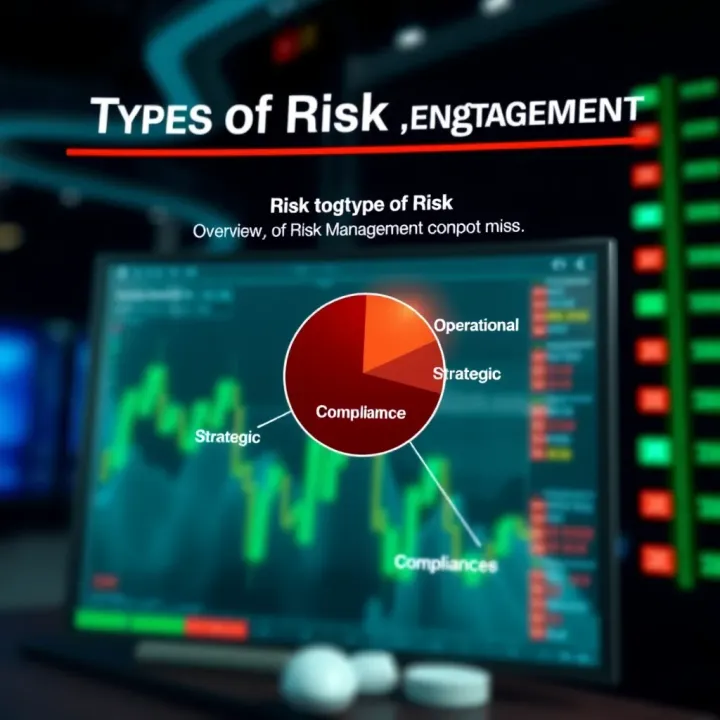
Not all risks are the same. A bank's concerns over loan defaults differ from a manufacturing firm's focus on machine breakdowns. Therefore, risk management practices vary to suit specific challenges and industries.
Here are the common types you will find in Kenyan business environments:
Financial Risk Management: This involves managing uncertainties related to cash flow, credit, investments, foreign exchange, and interest rates. For example, a Kenyan exporter might use hedging techniques to protect earnings against fluctuations in the US dollar.
Operational Risk Management: Focuses on risks arising from internal processes, people, or systems. A Nairobi-based logistics company could mitigate operational risk by regularly maintaining vehicles and training drivers to avoid accidents.
Strategic Risk Management: Deals with risks tied to business decisions and market competition. A retailer might assess how new entrants or changes in consumer trends could affect profitability.
Compliance Risk Management: Primarily about adhering to laws and regulations. Kenyan financial institutions, for instance, must comply with Central Bank guidelines and anti-money laundering laws to avoid penalties.
By categorising risks, organisations can tailor their approach, making resource allocation more effective and responses quicker.
Understanding these categories helps traders, investors, and financial analysts pinpoint where risks lie and what tools or policies fit best. Practical application of risk management is evident when Kenyan companies integrate daily monitoring, staff training, and use technology platforms such as eCitizen or iTax for compliance tracking.
The next sections will offer deeper insights into each type, showing how they operate in real Kenyan business settings and what benefits they bring.
Risk management is about spotting potential threats that could disrupt your business goals or cause losses, then finding ways to lessen those dangers. In Kenya's dynamic economic and regulatory environment, understanding and managing these risks is not just good practice—it’s necessary for survival and growth. Whether you run a small jua kali workshop or manage investments on the Nairobi Securities Exchange (NSE), risk management helps you avoid costly surprises.
Simply put, risk means the chance that something might go wrong or not as planned, leading to loss or damage. This could be a supplier failing to deliver goods, currency fluctuations hitting profits, or even political changes affecting market conditions. For example, a tea exporter in Kericho faces the risk that weather changes could reduce harvests, impacting income.
Risk management aims to identify these threats early, measure how severe they could be, and decide on steps to either avoid, reduce, or prepare for them. In a practical sense, this means setting up controls like credit checks to prevent bad debts, training staff to reduce accidents, or adjusting investment portfolios to balance risks. The goal is to protect your organisation’s health and keep it running smoothly despite challenges.
Effective risk management safeguards your physical assets—like machinery, stock, or buildings—from damage or theft. Equally important, it protects your company’s reputation. In Kenya, where word of mouth and community trust are vital, a single operational failure or scandal can hurt your standing seriously. For instance, a bank that falls victim to a cyberattack risks losing customer confidence and business.
Planning for risks helps your business keep going when problems arise. Imagine a boda boda operator facing fuel shortages or a trader dealing with delayed supply shipments; having backup options or emergency funds helps them continue without major interruptions. Companies that prepare for disruptions reduce downtime, which saves money and keeps customers satisfied.
The Kenyan government and regulators like the Capital Markets Authority (CMA) and Kenya Revenue Authority (KRA) set rules to ensure businesses operate fairly and safely. Risk management helps companies comply with these regulations by making sure policies and procedures are in place. For example, financial institutions must assess and report risks to meet CMA standards, or face penalties.
Ignoring risk management is like driving blind; you might get lucky for a while, but sooner or later, trouble will catch up.
In summary, understanding risk and having systems to manage it helps Kenyan businesses stay resilient, protect what matters, and meet legal obligations. This foundation paves the way for more specialised risk types discussed in later sections.
Financial risk management is about safeguarding an organisation's money and resources from unexpected losses. For businesses and investors in Kenya, managing these risks is essential to keep operations running smoothly and protect profits. This type of risk management deals with uncertainties tied to finances, like loan defaults or currency changes. Addressing them well can prevent sudden shocks that might otherwise cripple a company’s finances.
Credit risk arises when a borrower or counterparty fails to meet their payment obligations. For instance, a Kenyan bank that lends to SMEs may face losses if many businesses default due to cash flow problems. This risk is very real in sectors like agriculture, where seasonal income fluctuations can affect loan repayments. Properly assessing this risk helps lenders avoid giving out money to clients who are unlikely to repay, saving them from significant financial strain.
Market risk involves possible losses due to changes in market prices such as stocks, interest rates, or foreign currencies. Kenyan exporters, for example, face foreign exchange risk when the shilling weakens against the dollar, reducing the value of their earnings from abroad. Similarly, investors in NSE-listed firms must watch for market volatility affected by political events or global economic shifts. Monitoring market risk allows businesses to prepare for and respond to price swings before they cause big losses.

Liquidity risk occurs when a company cannot quickly convert assets to cash without a significant loss, or when cash inflows do not meet outflows. For instance, a manufacturing firm may have stock sitting idle yet face urgent bills for suppliers or staff salaries. Poor liquidity management can stall operations or force businesses to borrow at high interest rates. Ensuring enough liquid assets or accessible credit facilities helps firms manage day-to-day payments and unexpected expenses.
Hedging involves using financial contracts like futures, options, or swaps to protect against adverse price movements. A Kenyan coffee exporter might use currency futures to lock in the exchange rate ahead of receiving foreign payments, shielding themselves from shilling depreciation. Though derivatives require financial know-how and some upfront cost, they can provide a valuable safety net against market swings.
Spreading investments across different assets, sectors, and geographic regions reduces risk concentration. For example, a pension fund investing only in Nairobi stocks faces higher risk than one allocating funds to bonds, real estate, and regional equities. Diversification helps smooth returns because losses in one area might be offset by gains in another, improving overall portfolio resilience.
Credit risk models use data and statistical techniques to predict the likelihood of default. Kenyan banks rely on credit scoring systems that consider borrower income, repayment history, and sector risk. These models help lenders make informed decisions, price loans appropriately, and manage their loan portfolios prudently, reducing unexpected losses.
Effective financial risk management combines these approaches to keep your organisation financially healthy despite uncertainties. Understanding and applying these methods helps investors, traders, and financial analysts in Kenya protect their bottom line and plan confidently for the future.
Operational risk management (ORM) is vital for businesses that want to maintain smooth daily functioning. Unlike financial or strategic risks, operational risks arise from internal processes, people, and systems. For traders, investors, and analysts, understanding operational risks can prevent disruptions that directly affect income streams or investment returns.
System failures and disruptions often cause the most immediate and visible operational risks. For example, in Nairobi’s busy banking sector, a daily system outage can delay payments and block clients from accessing funds. Similarly, internet downtime can stop online trading platforms from processing orders, leading to potential losses. The unpredictability of such failures means businesses must have contingency plans to minimise downtime.
Human error and staff productivity also form a large part of operational risks. Mistakes from data entry clerks or traders misreading figures can lead to costly errors. In some cases, low staff morale or inadequate supervision results in poor productivity, affecting workflows and deadlines. A practical example is a small trading firm where insufficient staff training causes mismanagement of client portfolios, resulting in financial penalties.
Supply chain and logistics risks affect businesses dependent on timely delivery of goods or raw materials. For agricultural export businesses in Kenya, delays from unreliable transport or border customs can spoil fresh produce and harm reputation. Similarly, disruptions in the supply of important equipments, like fuel or trading terminals, can stall operations until resolved. The key risk lies in the connectivity and reliability of this chain.
Standard operating procedures (SOPs) help organisations create clear, repeatable steps for tasks. By documenting how processes should be done, SOPs reduce inconsistencies and human errors. For instance, a Forex trading firm with SOPs for transaction approvals can avoid unauthorised deals and improve accountability. SOPs also serve as a benchmark for training new staff or improving existing methods.
Staff training and capacity building are equally important to enhance employee skills and awareness. Regular refresher courses on compliance, new technologies, or risk awareness improve staff ability to handle operational challenges. For example, brokers attending workshops on fraud detection reduce chances of falling prey to scams, protecting both themselves and clients. Well-trained staff also boost overall productivity and morale.
Maintenance and technology upgrades keep essential systems running smoothly and reduce technical failures. In many Kenyan businesses, outdated hardware or software can become a bottleneck. For example, upgrading servers or securing reliable internet connections ensures trading and communications stay uninterrupted. Scheduled equipment maintenance avoids unexpected breakdowns, while technology investments often improve efficiency and security.
Managing operational risks consistently helps businesses avoid costly surprises and keeps daily activities on track. Companies that proactively identify weak points in their operations stand a better chance of delivering quality services and staying competitive in the Kenyan market.
Strategic and compliance risk management help businesses avoid setbacks from poor planning and legal troubles. These risks, if unchecked, can cause long-term damage beyond immediate financial loss. For traders and investors, understanding these risks sharpens decision-making and protects investments from regulatory or market upheavals.
When businesses make choices without enough data or clear insight, they expose themselves to strategic risks. For example, a firm may enter a new market without considering local consumer behaviour or costs, resulting in losses. In Kenya, where markets evolve quickly due to changing consumer habits, poor decisions can drain resources and harm reputations.
Poor strategic choices, like ignoring digital trends in retail, can leave a company behind competitors. Studies show that firms that regularly reassess their strategy perform better at managing uncertainties around demand and competition.
Competitive pressure in Kenya's growing economy is intense, especially in sectors like mobile money and retail. Players like Safaricom push businesses to innovate constantly. Without adapting, companies risk losing market share.
Also, consumer preferences change fast – for instance, more people now prefer online shopping or healthier food options. Kenyan SMEs that fail to track these shifts might see reduced sales. Keeping up with trends through market research thus forms a key defence.
Kenya's political climate can create strategic risks, especially around election periods. Policy changes, tax adjustments, or unrest can affect business plans abruptly. For example, increased fuel levies impact transport businesses and suppliers.
Economic factors like inflation and foreign exchange fluctuations further stress company budgets. Firms must factor in these variations when planning expansions or pricing strategies to avoid surprises.
All businesses must follow laws set by authorities like the Kenya Revenue Authority (KRA) and the Capital Markets Authority (CMA). Non-adherence, even accidental, can lead to fines or licence revocations.
For example, timely VAT remittance through iTax matters a lot for retail businesses. Delays can attract penalties, affecting cash flow. Compliance thus secures business continuity.
Certain industries have extra rules. Banks, for instance, follow Central Bank of Kenya (CBK) regulations, while food processors adhere to health safety standards by the Kenya Bureau of Standards (KEBS). These specify quality and safety measures.
Ignoring them can jeopardise operations and customer trust. A food processor facing safety violations may lose certification, hurting brand reputation and sales.
Falling foul of rules may bring penalties including hefty fines, legal battles, and forced business closures. Companies also face reputational damage that scares away clients and investors.
For example, telecom companies breaching data privacy rules risk CBK sanctions and consumer backlash. The long-term cost of ignoring compliance greatly outweighs short-term savings.
Conducting thorough risk assessments helps identify potential pitfalls before committing resources. This involves analysing internal capabilities, market dynamics, legal environment, and financial health.
For traders, this means evaluating economic forecasts and policy directions to anticipate risk exposures. Planning with these insights builds resilience.
Risks evolve constantly. Regular monitoring through audits ensures early detection of issues. Internal reviews and external audits keep controls effective and identify compliance breaches.
For example, firms conducting quarterly audits around tax filings and operational procedures reduce chances of regulatory slips.
Having advisers familiar with Kenyan laws and industry standards equips businesses to manage complexities. They help interpret regulations, prepare documentation, and represent companies if disputes arise.
Experts guide businesses through shifting legal landscapes, especially with recent regulatory changes in data protection and environmental laws.
Strategic and compliance risk management are ongoing commitments. For Kenyan businesses, staying alert to these risks ensures they remain competitive, avoid costly penalties, and maintain public trust.
By addressing these risks actively, investors and business leaders position themselves for sustainable success in the dynamic Kenyan market.
Some forms of risk management don’t always get the spotlight, yet they're key to a firm’s stability. Environmental, reputational, and cybersecurity risks affect operations beyond traditional financial or strategic risks. Kenyan businesses, dealing with both local challenges and global integration, benefit greatly by addressing these areas thoughtfully.
Protecting against natural disasters and accidents involves identifying threats like floods, fires, or drought, which are quite common in various parts of Kenya. For example, firms near the Rift Valley or coastal areas face risks of flooding or heavy rains disrupting operations. Preparing for such risks means having emergency plans, insurance coverage, and resilient infrastructure. This helps limit damage and speeds up recovery.
Health and safety compliance in workplaces is more than legal obligation; it safeguards staff wellbeing and productivity. In sectors such as manufacturing or jua kali workshops, hazards vary from machinery accidents to unsafe chemical handling. Following standards set by bodies like OSHA Kenya and conducting regular safety training helps reduce workplace injuries. It also avoids costly fines and builds a safety culture that reassures employees and clients alike.
Maintaining public trust and brand image is vital, especially with the rise of social media and instant news sharing in Kenya. A negative incident or public complaint can spread quickly, hurting sales or partnerships. Companies like Safaricom and Equity Bank invest heavily in maintaining transparency and consistently delivering quality service to keep customer confidence.
Crisis communication strategies prepare firms to respond swiftly to damaging events, such as scandals, protests, or product recalls. Clear, honest communication channels prevent misinformation and panic. For instance, during the Covid-19 pandemic, companies that communicated effectively about safety measures managed to retain customer loyalty better than those who kept silent or gave confusing messages.
Responding to cyber threats and data breaches is an urgent concern, given the growing digital economy in Kenya. Financial institutions, e-commerce platforms, and telecoms constantly face phishing attacks, malware, and data leaks. Quick detection and response prevent financial losses and legal consequences.
Implementing IT security measures covers regular software updates, firewalls, and user access controls. Firms should also train staff on recognising scams and securing devices. M-Pesa and Kenyan banks, for example, have strict cybersecurity policies to protect millions of users. These measures not only protect the business but also enhance customer trust in digital services.
Tackling environmental, reputational, and cybersecurity risks together strengthens overall resilience, enabling Kenyan businesses to thrive despite uncertainties.
📊 Learn how Kenyan businesses can master risk management by identifying, assessing, and minimizing threats to protect their operations and thrive in uncertain times.
Explore credit risk management in Kenyan banks 🏦: key types, assessment tools, strategies, and challenges to safeguard assets and ensure stability 📊.
🔍 Learn how Kenyan businesses can spot risks, stay compliant, and follow legal rules. Practical tips to safeguard your business and keep operations smooth.

Learn essential forex risk management strategies tailored for Kenyan traders 📊. Master position sizing, stop losses, and trading psychology for safer trades.
Based on 13 reviews