

Forex Trading Basics Explained
📊 Get to know forex trading basics in Kenya: currencies, markets, strategies, risks, and tips to trade smartly and confidently.
Edited By
James Thornton
Forex trading in Kenya and worldwide presents various styles and approaches tailored to different trader profiles. Understanding these types can help you pick a method that fits your ambitions, capital, and how much risk you can bear without losing sleep.
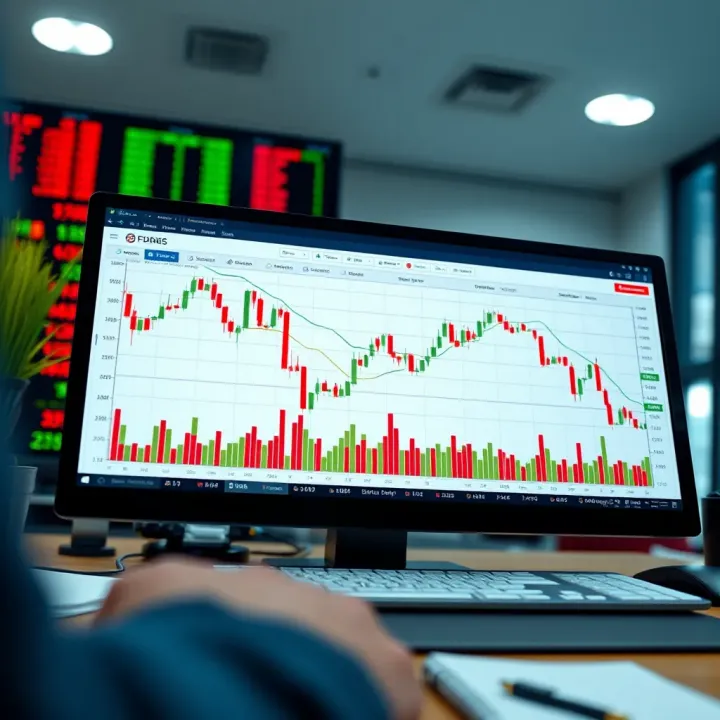
Forex trading can be broadly divided by the time a trader holds positions and the strategies they apply. Most common types include:
Scalping: This involves making a large number of very quick trades, often holding positions for just seconds or minutes. Scalpers aim to profit from small price movements. This style requires fast execution, high focus, and often access to low spreads. For example, a trader operating from Nairobi might open 20 trades a day, capturing a few pips on each.
Day Trading: Positions are opened and closed within the same trading day. Day traders avoid overnight market risks. This approach suits those who can monitor the markets during Kenyan work hours and prefer active, hands-on trading.
Swing Trading: Holding positions for several days to a few weeks, swing traders rely on technical and fundamental analysis to trade based on expected price swings. This suits people who can’t monitor markets all day but still want to take advantage of medium-term trends.
Position Trading: This long-term approach involves holding trades for weeks, months, or even years. Position traders focus on macroeconomic factors and fundamental data. In the Kenyan context, this might be suitable for investors looking to diversify savings or HELB loan refunds over time.
Capital and Costs: Scalping typically demands higher capital and tight spreads to be profitable, so consider your available funds and broker charges.
Time Commitment: Day and scalping strategies need full attention during market hours, unlike swing or position trading where decisions can be less frequent.
Risk Tolerance: Fast trading exposes you to rapid losses or gains, while longer-term trading might tolerate wider market swings.
Understanding the differences between these forex trading types improves your chance of picking a style that fits your daily routine, budget, and comfort with risk.
By selecting the appropriate forex trading method, Kenyan traders can better navigate the forex market's complexities and align their activities with personal goals and skills.
Understanding forex trading is key for anyone looking to participate in global financial markets. This overview clarifies what forex trading entails, the main players involved, and how the market functions. It helps set a solid foundation before exploring different trading styles or strategies.
Forex trading starts with exchanging one currency for another. At its core, it's about buying a currency expecting it to strengthen against another. For example, if you expect the US dollar (USD) to gain strength against the Kenyan shilling (KES), you might buy USD/KES, hoping to sell later at a higher rate. This fundamental concept drives all forex activity.
Currency values fluctuate based on supply and demand, interest rates, economic indicators, and political developments. So, traders are constantly assessing these factors to decide which currencies to buy or sell.
In forex, some currency pairs are traded more often due to their liquidity and economic significance. These are called major pairs and include EUR/USD, USD/JPY, GBP/USD, and USD/CHF.
For instance, the EUR/USD pair sees high daily trading volumes because both the eurozone and the United States have large economies. For Kenyan traders, pairs involving the US dollar are particularly relevant since many transactions and imports are priced in USD.
Knowing these major pairs helps traders focus on markets with tighter bid-ask spreads and better price stability.
Brokers act as intermediaries allowing retail traders to access the forex market. They provide platforms—such as MetaTrader 4 (MT4) or MetaTrader 5 (MT5)—where traders can execute orders, analyse charts, and manage positions.
A broker’s reliability, fees, and execution speed greatly affect trading success. In Kenya, many prefer brokers offering M-Pesa deposit options and local customer support. Platforms also need user-friendly interfaces for both desktop and mobile to cater to diverse trader preferences.
These are individuals or small groups trading for personal profit. Today, retail forex trading is widely accessible thanks to online platforms and low capital requirements.
Kenyan traders, for example, often use mobile-enabled platforms that allow trading even outside office hours. While retail traders may not influence currency prices substantially, their activity adds to market liquidity.
Banks are major forex market players handling transactions worth billions daily. They trade for clients, hedge currency risk, and profit from short-term price movements.
In Nairobi, commercial banks like KCB and Equity Bank also provide forex services influencing local currency liquidity and exchange rates.
These institutions steer monetary policy and intervene in forex markets to stabilise their currency. For instance, the Central Bank of Kenya (CBK) monitors shilling fluctuations and may intervene to prevent excessive volatility.
Governments can also use forex reserves for payments and stabilisation during economic shocks. Their actions often set the tone for market trends.
Understanding the key market players and how forex trading works helps you grasp where opportunities and risks lie. It also shows why forex is an active and dynamic market both globally and in Kenya.
This context prepares you for exploring different trading types with a clearer picture of the trading environment.
Understanding the various forex trading styles helps traders pick the method that aligns best with their goals, time availability, and risk appetite. Different styles suit different personalities and market conditions, so knowing these distinctions can save you from costly mistakes and emotional burnout.
Scalping involves making quick trades that last just minutes, sometimes even seconds. Traders aim to profit from tiny price movements, often entering and exiting the market multiple times in a day. For example, a scalper might spot a brief dip in the USD/KES rate and execute trades to grab a handful of pips before prices bounce back.
The advantage of scalping is the chance to earn frequent small profits, which can add up over time. It also reduces exposure to unpredictable overnight risks since positions close quickly. However, costs like spreads and commissions can pile up and eat into earnings. The style demands intense focus, fast decision-making, and a reliable trading platform with low latency.
Scalping fits traders who can stay glued to their screens for extended periods and handle stress well. It’s also ideal for people who prefer short bursts of trading activity rather than long-term commitments. For instance, someone working from home with flexible hours might find scalping appealing.
Day trading means opening and closing forex positions within the same trading day. Unlike scalping, trades usually last from minutes to hours. The goal is to capitalise on intraday price movements without holding overnight risks. For example, a day trader might buy EUR/USD in the morning and sell it off by the afternoon when the market shows weakness.
Day traders rely on charts, moving averages, RSI (Relative Strength Index), and economic news releases to make informed decisions. In Kenya, keeping an eye on global economic news that affects currency pairs is vital, such as US Federal Reserve announcements or Brexit developments.
This style can be lucrative, but fast market changes mean losses can occur quickly. Day traders need strict discipline to cut losses early and avoid emotional trades. On the bright side, closing positions daily eliminates overnight market exposure.
Swing trading sits between day trading and position trading. Here, trades last several days or up to a few weeks to capture medium-term trends. For instance, a swing trader might hold GBP/USD during a week-long uptrend caused by new UK economic policies.
Swing traders often use technical analysis combined with fundamental insights, such as economic reports or central bank signals. Identifying support and resistance levels on charts helps anticipate trend reversals.
This style offers flexibility for people who cannot monitor markets all day. Checking charts once or twice a day and setting stop-loss orders can manage risk without constant attention.
Position trading involves holding trades for weeks, months, or even years, focusing on broad market trends. A trader might invest in USD/JPY expecting a long-term economic recovery in Japan to strengthen its currency.
This style demands understanding of macroeconomic data, government policies, and geopolitical events as they influence currencies over time. For example, Kenya’s inflation rates or political stability could affect KES pairs.
Since position trading requires patience to ride out market swings, it suits those with sufficient capital to absorb drawdowns without panic. It also needs a disciplined approach to avoid frequent, impulsive trades.
Choosing the right forex trading style depends on your lifestyle, goals, and market understanding. Each style carries its own risks and demands, so picking one that matches your situation improves your chances of success.
Selecting the right forex trading style is not just about personal preference; it fundamentally affects how you engage with the market and manage your resources. The best trading type for you should reflect your personality, goals, risk appetite, as well as practical factors like time availability and costs involved. For example, a trader with limited free time cannot comfortably follow scalping strategies which require constant attention, while someone with a lower risk tolerance might prefer longer-term position trading that tends to avoid abrupt market swings.
Risk tolerance measures how much uncertainty you can handle without panic or snap decisions. If you are the type to lose sleep over sudden losses, scalping or day trading may not suit you well, as these require swift reaction to market swings. On the other hand, swing or position trading allows more breathing space, with trades held over days or weeks, offering time to absorb market moves. For instance, a trader who prefers a calmer approach might focus on monthly or quarterly trends rather than reacting to minute-by-minute price changes.
The number of hours you can commit daily heavily influences the forex style you choose. Scalping demands intense focus for short bursts throughout the day; missing even a few seconds can lead to missed opportunities or losses. Conversely, position trading fits well for those with full-time jobs or other commitments because it does not require regular market monitoring. Taking a practical view, a Nairobi-based employee trading after work will likely lean toward swing or position trading rather than day trading that requires market engagement during business hours.
Your financial ambitions and available capital also inform your choice. Scalping needs quick returns but often requires larger capital to absorb frequent transaction costs and spreads. Position trading suits traders with a bigger capital base and long-term growth targets, allowing them to ride out fluctuations. Say you aim to build wealth steadily over years; investing in longer-term trades reduces stress and potentially avoids constant anxiety over daily price changes.
Market volatility and liquidity dictate how easily you can open or close positions at desirable prices. Higher liquidity, like in the USD/KES pair, generally means tighter spreads and fewer sudden price jumps, favouring scalping and day trading. Low liquidity scenarios can trap short-term traders in unfavourable price swings. For example, during Kenya’s long rain season, lower trading volumes might increase spreads, suggesting swing or position trading is wiser to avoid costly slippage.
Costs like spreads and commissions eat into profits, especially for frequent traders like scalpers. A spread of 2 pips might seem small but repeated over many trades quickly reduces gains. Traders should therefore choose brokers with competitive spreads and transparent fees. For someone trading smaller volumes, a high spread could wipe out profits, so checking the spread structure before starting is essential.
Holding positions overnight entails swap or rollover fees that add up over time. These charges mainly affect swing and position traders and can turn profitable trades into losses if ignored. Traders in Kenya using local brokers must pay attention to these fees and consider whether their strategy justifies carrying costs. For instance, a swing trader holding positions for a week should factor in these fees when calculating expected returns.
Picking the right forex trading type tailors your strategy to your lifestyle and financial reality, reducing unnecessary risks and enhancing your chances of consistent success.
Understanding these practical considerations will help you make an informed choice that aligns well with your unique situation and objectives in forex trading.
Choosing the right platforms and tools is fundamental for successful forex trading. They provide the environment where traders execute their strategies, analyse price movements, and manage risks. In Kenya, with growing internet access and mobile penetration, these platforms must support varied needs—from beginners to experienced investors. Using reliable and user-friendly platforms can make a real difference in how you respond to market changes and protect your capital.
MT4 and MT5 features: MetaTrader 4 (MT4) and MetaTrader 5 (MT5) are among the most popular forex trading platforms worldwide, including Kenya. MT4 is known for its simplicity and robust charting capabilities, suitable for most retail traders. On the other hand, MT5 offers more advanced tools, supports additional asset classes like stocks and futures, and allows more complex order types. Traders in Kenya often choose between these based on their experience and the assets they want to trade.
These platforms come with automated trading options, letting you use expert advisors (EAs) to automate strategies and reduce emotions in decision-making. MT4 and MT5 also support mobile apps, so you can manage trades on the go, which is crucial for busy traders or those constantly on the move.
Broker selection criteria: Selecting the right forex broker is equally vital. Kenyan traders should prioritise brokers regulated by reputable authorities such the Capital Markets Authority (CMA) Kenya or international bodies like the FCA or CySEC. This regulation ensures your funds' safety and fair trading conditions. Check for transparent fee structures—spread, commission, overnight fees—and confirm the broker supports your preferred platforms (MT4/MT5).
Local presence can be a plus; some brokers have Kenyan customer support, which helps with swift problem resolution and easier deposits or withdrawals, often through M-Pesa or bank transfers. Also, consider the broker’s execution speed, as slow or delayed orders can hurt especially scalpers or day traders.
Mobile trading options: With smartphone use widespread in Kenya, mobile trading has become indispensable. MT4 and MT5 mobile apps allow you to monitor charts, open or close positions, and set alerts conveniently. These apps are optimised for limited data and can operate smoothly even on modest network connections common outside Nairobi.
Besides MetaTrader, some brokers offer proprietary apps tailor-made for Kenyan traders, often integrating M-Pesa for instant deposits. Mobile trading provides flexibility, letting you respond quickly to market shifts during matatu rides or while away from a desktop.
Technical indicators and charts: These tools help traders examine price history and forecast future moves. Common indicators like moving averages, Relative Strength Index (RSI), and Bollinger Bands help identify trends and potential reversals. Charts come in various styles—candlestick, line, or bar—and show detailed price action.
Kenyan traders often use these visuals to decide entry and exit points. For example, a trader might watch for RSI crossing below 30 to signal a possible buy. Relying on multiple indicators reduces guesswork and improves trading accuracy.
News and economic calendars: Forex prices react strongly to economic data and geopolitical events. Following an economic calendar lets you know when key reports, like Kenya’s GDP figures or US Federal Reserve meetings, are due. Being aware helps traders avoid surprises that could cause sudden price swings.
News tools embedded in platforms provide real-time updates. For instance, if Kenya’s Central Bank announces a policy rate change, swift access to this news enables timely adjustments. Combining economic calendars with local or global news feeds keeps you informed and ready.
Risk management tools: Managing risk stops losses from spiralling and protects your capital. Stop-loss orders automatically close trades at set levels, limiting potential downsides. Take-profit orders lock in gains once a price target is hit. Position sizing calculators help determine how much to trade per position based on your risk appetite.
Some platforms also allow trailing stops, which move the stop-loss order closer to the price as the market moves favourably. These tools are vital for all trading types, especially for swing and day traders managing multiple positions. Using them effectively can mean the difference between steady growth and heavy losses.
Using the right platforms and tools isn't just convenient—it's essential. They form the backbone of disciplined forex trading, especially in a market as dynamic as forex where timing and precision matter.
Risk management is a critical part of forex trading regardless of the style you choose. Every trading method carries its own unique risks, so understanding these can save you significant losses. Managing risks properly allows you to stay in the market longer and trade with confidence, especially when conditions become unpredictable.
Scalping demands quick trades, often opened and closed within minutes. Here, spreads—the difference between the buying and selling price—can seriously affect your profits. For example, if the spread is wide, a scalp trade needs to move more in your favour just to break even. Kenyan traders should select brokers offering tight spreads to avoid bleeding money on each trade.
Since scalping involves many trades daily, these small costs add up quickly. An instance might be someone scalping EUR/USD with a spread of 2 pips. Every trade starts with an immediate loss of 2 pips, meaning the price must move at least 2 pips before you see gains. This sensitivity to spread means scalpers must keep a close eye on transaction costs.
For swing or position traders holding overnight or several days, market swings can be both an opportunity and a threat. Sudden announcements—like unexpected changes in Kenya’s central bank rates or global economic shocks—can cause large price jumps. While volatility can bring gains, it also risks wiping out positions if stops aren’t placed properly.
Take, for instance, a position trader holding USD/KES expecting gradual appreciation. If geopolitical tensions in the region spark sharp market moves, the price might quickly move against the open position. Without effective risk limits, losses can be substantial. Such traders usually need to monitor global and local news closely to assess when to hold tight or exit.
Short-term trading styles like scalping and day trading bring mental pressure. High-speed decisions and watching markets tick constantly can cause stress and impulsive moves. This often leads to overtrading—chasing losses or jumping into bad trades due to impatience.
For example, a day trader might hold onto a losing trade longer than planned, hoping for a rebound, only to compound losses. Traders must cultivate discipline and emotional control to avoid these pitfalls. Regular breaks and a clear trading plan help manage the psychological strain.
Stop-loss orders protect your capital by automatically closing a trade when price reaches a certain unfavourable level. Take-profit orders secure earnings by closing trades when targets are hit. Using these tools reduces the chance of significant unexpected losses.
Consider a swing trader entering GBP/USD at 1.3000 with a stop-loss at 1.2950 and a take-profit at 1.3100. If the price drops, the stop-loss activates, limiting loss to 50 pips. If the price rises, the take-profit locks in gains. Kenyan traders on platforms like MT4 can set these easily and avoid watching the market every minute.
How much you trade per position impacts risk directly. Position sizing helps allocate a percentage of your capital to each trade, preventing overexposure. Using excessive leverage increases risk too much and can wipe out your account fast.
Say you have KSh 100,000 and risk 2% per trade, that’s KSh 2,000 risked. If you set a stop-loss 50 pips away, you can calculate the ideal trade size so that losing 50 pips would not exceed KSh 2,000. Kenyan brokers often offer leverage up to 1:100 or even 1:500, but using full leverage without control is a recipe for disaster.
Discipline is about sticking to your strategies and risk rules even when emotions run high. This means avoiding chasing losses, not overtrading, and respecting stop-loss levels. Failure to maintain discipline often erodes profits and leads traders into unnecessary risks.
For example, a trader who planned to risk only 3% per trade but doubles this out of frustration puts their capital in jeopardy. Keeping a trading journal and regularly reviewing trades can reinforce discipline by highlighting what works and what does not.
Managing risk is not just about protecting money but also about preserving your trading mindset and long-term success.
In short, understanding the specific risks in each forex trading style and applying practical management methods helps Kenyan traders trade smarter and avoid costly mistakes.
📊 Get to know forex trading basics in Kenya: currencies, markets, strategies, risks, and tips to trade smartly and confidently.

Explore bot forex trading 🌐: learn how it works, pick the right bots, set them up, and manage risks to boost your forex trading strategy 📈.

📚 Discover top books for forex trading success! Learn strategies, market analysis, psychology & risk management tailored for Kenyan traders and beyond.
📊 Master Forex trading charts in Kenya! Learn to read patterns, choose time frames, and use indicators confidently for smarter currency trading decisions.
Based on 5 reviews