

Learn Forex Trading Free in Kenya: A Practical Guide
📈 Learn forex trading for free in Kenya with practical steps, key tools, local market tips, and risk-free strategies to build your skills using M-Pesa and comply with KRA rules.
Edited By
William Harris
Forex trading, or foreign exchange trading, involves buying and selling currencies to profit from changes in their value. For Kenyan traders, this market opens opportunities beyond local investments, connecting you directly to global financial flows. Whether you’re a broker, analyst, or just starting as an investor, grasping the basics of forex is essential before diving in.
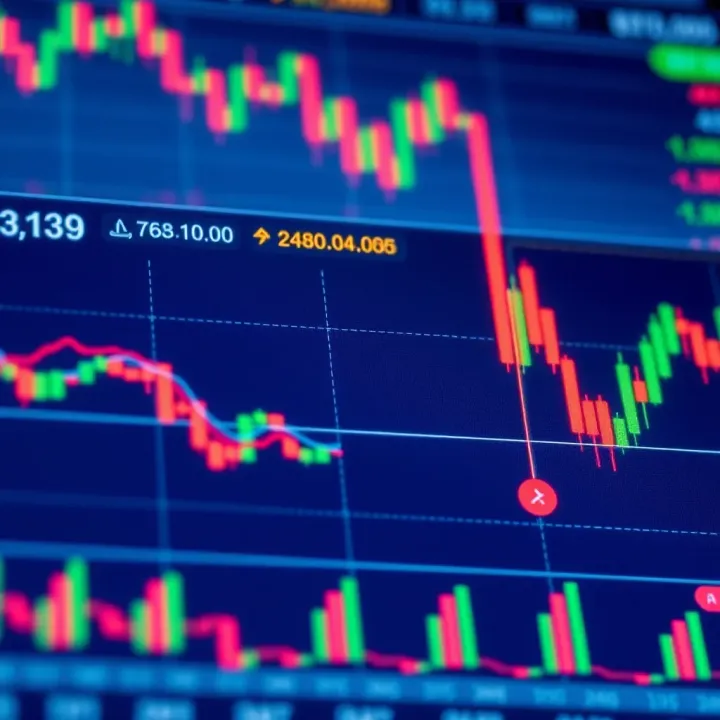
At its core, forex trading is about exchanging one currency for another. For example, swapping US dollars for euros anticipating the euro’s value will rise. The goal is simple: buy low, sell high. Unlike the Nairobi Securities Exchange (NSE), forex operates 24 hours a day across major financial centres like London, New York, and Tokyo, which means you can trade almost any time, adjusting to your schedule.
Currencies are always traded in pairs, such as USD/KES or EUR/USD, reflecting how much of one currency you need to buy another. The Kenyan shilling (KES) usually pairs with major currencies like the US dollar (USD) or Euro (EUR). Prices fluctuate based on economic data, interest rates, political events, and even weather patterns affecting trade.
For example, if the Central Bank of Kenya raises rates, the shilling might strengthen as investors seek better returns, impacting your trades.
Local brokers partnering with international platforms enable access to forex markets. These platforms offer live charts, order books, and risk management tools. You’ll also find options to fund accounts using M-Pesa, bank transfers, or credit cards, making entry easier.
Tip: Choose brokers regulated by reputable bodies, such as the Capital Markets Authority (CMA) in Kenya or international regulators, to avoid scams.
Open a trading account with a trusted broker.
Learn to read market charts and understand price trends.
Practice with a demo account before risking real money.
Develop a trading plan that includes risk limits and profit targets.
Trading forex isn't a get-rich-quick scheme. It requires patience, discipline, and constant learning. As you progress, you’ll build strategies that fit your style and adjust to Kenya’s unique economic conditions.
With this foundation, you’re set to explore deeper into market analysis, account setup, and risk management tailored for Kenyan traders.
Grasping the basics of forex trading lays a solid foundation for anyone looking to navigate this vast market confidently. Without understanding what forex trading involves, you risk making costly mistakes. This knowledge helps you identify opportunities and manage risks effectively, especially given forex's fast-moving nature. For example, knowing how currency pairs behave can help you decide when to buy or sell the US dollar against the euro, particularly during volatile periods.
Definition of forex trading: Forex trading means exchanging one currency for another at current market prices. It's the process where traders try to profit from changes in currency values. For instance, if you believe the Kenyan Shilling will strengthen against the US dollar, you might buy KES/USD hoping to sell it later at a better rate.
How currency pairs work: In forex, currencies are quoted in pairs, like USD/KES or EUR/USD. The first currency in the pair is the base currency; the second is the quote currency. When the pair's price rises, it means the base currency is gaining strength against the quote currency. For example, if EUR/USD moves from 1.10 to 1.15, the euro has appreciated, making it more expensive in US dollars. This setup helps you understand the relative value between two currencies instantly.
Market participants and purpose: Various players participate in forex trading, from large banks and central banks to hedge funds, companies, and retail traders like you. Commercial banks might trade to facilitate cross-border payments, while speculators aim to profit from currency movements. Central banks also intervene sometimes to stabilise their currency. Understanding these different motives gives you insight into why markets move.
Market sessions and hours: Forex trading happens 24 hours a day during weekdays, divided into sessions—Asian, European, and American. For Kenyan traders, the London session, which runs roughly from 10 am to 7 pm EAT, is usually the most active and liquid. Knowing session times helps you plan your trades when volatility is higher and spreads are tighter.
Liquidity and volatility: Liquidity means how easily you can buy or sell currencies without affecting prices much. High liquidity, such as during the London or New York sessions, means tighter spreads and better prices. Volatility refers to how much prices fluctuate. While volatility can bring profit opportunities, it also increases risk. For example, news from the US Federal Reserve can cause sharp moves in USD pairs, demanding careful risk management.
Role of brokers and platforms: Brokers act as intermediaries, providing access to the forex market through trading platforms like MetaTrader 4 or 5. They offer tools for analysis, order execution, and risk control. Choosing a regulated broker with transparent fees prevents issues like price manipulation or refusal to execute trades. Platforms also offer mobile apps, which are handy for Kenyan traders on the move using M-Pesa to fund their accounts.
Knowing the basics of forex trading equips you with essential tools to make smarter trading decisions and avoid common pitfalls.
Key takeaways: Understanding currency pairs, market players, trading sessions, and the broker’s role sets the stage for building effective strategies.
This knowledge is especially useful if you plan to trade during Kenyan market hours or react to global news affecting forex markets.
Setting up your forex trading environment is a key step before you start buying and selling currency pairs. A proper setup not only gives you confidence but also improves your chances of success by ensuring you have the right tools and support. Think of it like preparing your shamba before planting – without good soil, water, and tools, crops won’t thrive. Likewise, in forex, your broker, trading platform, and analysis tools form the foundation of your daily trading practice.
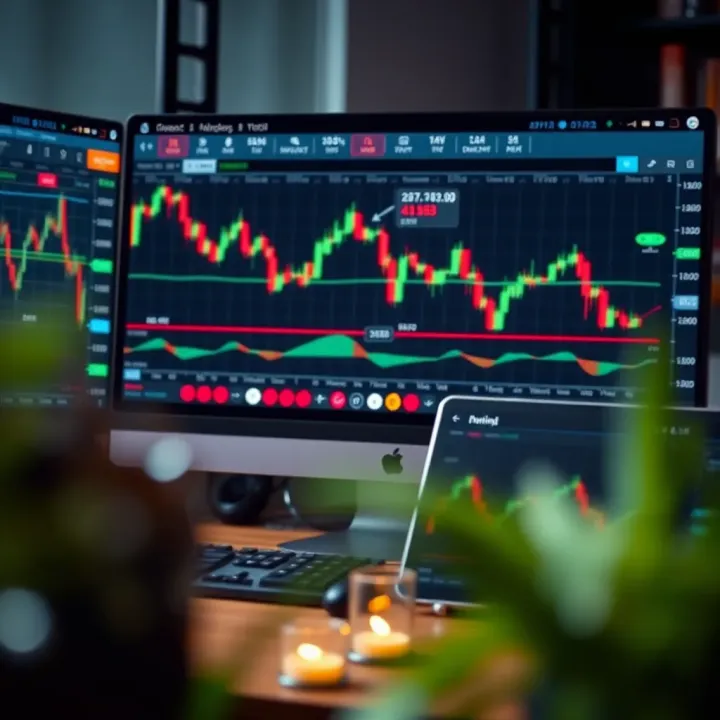
Picking a broker should not be taken lightly. Trustworthiness, fair pricing, and good customer service are some major factors to weigh. A broker's reputation often reflects in how transparent their spreads and commissions are, and how swiftly they execute trades. For instance, a Kenyan trader might avoid brokers with frequent slippage or withdrawal delays, as these issues can eat into profits or block timely exits.
Besides cost, check if the broker offers good educational material and customer support tailored for Kenyan clients. Some brokers provide support in both English and Swahili, which makes understanding terms and conditions easier for first-timers.
Regulation gives you protection. In Kenya, brokers licensed by the Capital Markets Authority (CMA) must follow strict rules to keep your funds safe. Verifying that your broker is CMA-regulated ensures they maintain proper capital requirements and practice ethical dealings.
Global regulations such as those from the Financial Conduct Authority (FCA) in the UK or the Australian Securities and Investments Commission (ASIC) also provide safeguards. While Kenyan traders often use international brokers for access to diverse markets, confirming the broker adheres to recognised regulatory standards helps avoid scams and malpractice.
After choosing a broker, you’ll need to open and verify your trading account. This process involves submitting identification documents like your national ID or passport, proof of residence, and sometimes KRA PIN details. Verification may take a few hours to several days depending on the broker's procedures.
Account verification is critical because it meets anti-money laundering rules and ensures your funds are managed securely. Once verified, you can fund your account via methods common in Kenya, such as M-Pesa or bank transfers, and start trading.
Most brokers offer access to popular platforms like MetaTrader 4 (MT4) and MetaTrader 5 (MT5). These platforms are user-friendly, support automated trading strategies, and provide comprehensive charting tools. For example, a trader using MT4 will find numerous indicators available to spot entry and exit points.
Besides MetaTrader, some brokers have proprietary platforms that offer features tailored for African markets, such as 24/7 support or local payment integrations. It's worth exploring a few platforms to see which matches your trading style and comfort.
Good charting tools help you read price movements clearly. Tools that allow you to plot trend lines, moving averages, and Fibonacci retracements are invaluable for spotting patterns and potential reversals.
Additionally, economic calendars integrated into some platforms provide real-time updates on Kenyan economic reports or global events impacting forex prices. Having these tools within easy reach saves time and assists in making informed trades.
In Kenya, mobile trading is especially important because many traders rely on smartphones. Most platforms have mobile apps compatible with Android and iOS, enabling you to trade on the go—whether waiting for a matatu or during lunch break.
These mobile apps offer almost the same functionalities as desktop versions, including charting and order placement. However, stable internet connection is key since drops can affect trade execution. On top of that, ensure the chosen broker's app supports M-Pesa payments or other local methods for easy deposits and withdrawals.
Preparing your forex trading environment carefully is like planting well in fertile soil. The better your foundation, the stronger your trading journey will be.
Understanding how to analyse the forex market is a vital skill for any trader. Analysis helps you interpret market movements, pinpoint entry and exit points, and manage your trades effectively. Without a solid grasp of market analysis, trading can feel like guessing, increasing the risk of losses. Kenyan traders, in particular, must consider both global influences and local economic factors when analysing forex.
Reading charts and identifying trends is the first step in technical analysis. Charts display past price movements, helping you spot patterns like upward trends (bullish) or downward trends (bearish). For example, if the USDKES currency pair shows higher highs and higher lows over a few days on your chart, it indicates a bullish trend signalling a potential buy opportunity. Recognising these trends early means you can ride the momentum instead of trading against it.
Common indicators and patterns help confirm these trends or warn of reversals. Indicators like the Moving Average Convergence Divergence (MACD) or Relative Strength Index (RSI) provide insights into market momentum or overbought conditions. Patterns such as "head and shoulders" or "double tops" suggest trend reversals. For instance, spotting a "head and shoulders" pattern on the EURUSD chart might prompt you to prepare for a possible downtrend, protecting your investment.
Using support and resistance levels is also crucial in technical analysis. Support marks a price level where demand prevents a currency from falling further, while resistance is a ceiling that limits price rises. Imagine USDKE trading around KSh 110, bouncing off that level several times; this forms a support zone. Placing buy orders near support or sell orders near resistance can improve your chances of successful trades.
Understanding economic indicators is key to fundamental analysis. Indicators like Kenya’s GDP growth rate, inflation, or unemployment figures affect currency value. For example, if Kenya reports a higher-than-expected inflation rate, the Kenyan shilling might weaken due to reduced purchasing power, affecting forex pairs involving KES. Traders monitoring these figures get ahead of big market moves.
Impact of global news on currencies should not be underestimated. Political stability, international trade deals, or unexpected events like natural disasters influence currency strength worldwide. A political announcement in the US affecting interest rates can cause the USD to shift sharply, and because many Kenyan traders deal in USD pairs, staying updated helps avoid sudden losses or seize opportunities.
Central banks and interest rates play a big role too. The Central Bank of Kenya’s decisions on rates impact the shilling's strength. Generally, higher interest rates attract foreign capital, strengthening the currency. For example, if the Central Bank raises rates, it might lead to an influx of foreign investment, boosting the KES. Meanwhile, global central banks like the US Federal Reserve affect major currencies, which in turn ripple into local forex markets.
Good market analysis blends both technical patterns and fundamental news, enabling traders to make informed decisions rather than relying on guesswork.
Mastering these analysis approaches puts you on firmer ground, increasing your chances of consistent profits in the forex market.
Creating a clear trading strategy and plan is fundamental for any forex trader who wants to succeed in the long run. It acts as your roadmap, guiding decisions based on logic rather than emotion. Without a plan, traders often find themselves reacting impulsively to market moves, resulting in avoidable losses.
Setting realistic expectations is the starting point. Many beginners hope to double their accounts overnight, but forex trading rarely works that way. For example, aiming for a steady 5% monthly return is more achievable and keeps you grounded. Realistic goals help manage risks and sustain motivation, especially when markets get choppy.
Next, choosing your trading style and timeframe ties directly to your lifestyle and personality. If you have a busy day job in Nairobi or Kisumu, day trading might be tough to manage. Swing trading, where positions hold for several days, could suit you better. On the other hand, if you enjoy quick decisions, scalping might appeal, but it demands constant attention and swift execution.
Managing leverage and position sizes is where many traders stumble. Forex brokers offer high leverage, sometimes up to 1:500, but using this carelessly can wipe your account fast. For example, starting with leverage of 1:20 or less and limiting positions to just 1–2% of your trading capital per trade protects your funds from large swings.
Then, there is using stop-loss and take-profit orders. These are your safety nets. A stop-loss automatically closes losing trades to prevent huge damage, while take-profit locks in gains before the market reverses. Suppose you enter a trade on EUR/USD; placing a stop-loss 50 pips away and a take-profit 100 pips away creates a clear risk-reward balance. Without these orders, you might lose more than planned or exit too early out of fear.
Finally, maintaining discipline and emotional control is crucial. The forex market can be an emotional rollercoaster. Overtrading after losses or chasing quick profits often ends badly. One practical way is to set daily loss limits; once reached, step away from the screen. Keeping a trading journal also helps track emotions and patterns, so you learn to control impulses over time.
A solid trading plan is not just about money management or strategy choice—it’s about building habits that help you trade consistently and confidently.
By focusing on clear goals, a suitable style, strong risk management, and emotional discipline, you lay the groundwork for steady progress in forex trading. This approach suits Kenyan traders juggling market realities and daily life demands alike.
Starting to trade in the forex market marks the transition from theory to real experience. Continuous improvement is crucial because markets constantly evolve, influenced by global events and shifting economic policies. For Kenyan traders, this stage demands a careful balance between action and learning, ensuring that early mistakes do not drain capital but instead teach valuable lessons.
Demo trading lets you interact with a practice account that mirrors actual market behaviour, including live price movements and spreads, without risking real money. For example, a trader in Nairobi using a demo account on MetaTrader 4 will see how currencies like USD/KES fluctuate throughout the day, just as they do on a live market. This helps build familiarity with market dynamics and the trading platform.
With a demo account, you can try different trading approaches — whether scalping or swing trading — without worrying about losses. You might notice your strategy works well during quiet market times but fails during high volatility. Finding this out on a demo account saves you from costly errors when you eventually trade live.
When moving to live trading, begin with small position sizes to manage risk effectively. For instance, if your demo account involved trades worth KSh 100,000, reduce this to KSh 10,000 or less initially. As you gain confidence and your strategy proves profitable, gradually increase your trade sizes. This cautious approach helps build experience without exposing you to excessive losses.
Keep a detailed journal of your trades, including entry and exit points, trade rationale, emotions felt, and outcomes. Reviewing this regularly reveals patterns in your decision-making, showing what works and what doesn’t. It’s similar to how a boda boda rider keeps track of routes and tips to improve earnings. Learning from mistakes and successes is vital for steady progress.
Several platforms offer forex courses tailored for Kenyan traders, often covering topics from basic currency pairs to complex risk management. Following courses by local experts or institutions gives a practical perspective tuned to our market and regulatory environment.
Joining Kenyan trader groups on social media or forums allows you to share experiences, ask questions, and learn from others’ successes and challenges. These communities often host meet-ups or webinars, creating valuable networks of support and knowledge.
Stay informed by following daily or weekly economic reports and currency analysis from reputable sources. These updates help anticipate market movements, such as how CBK policy announcements affect the shilling. Being current strengthens your ability to make timely, informed decisions.
Remember, forex trading is not just about making quick profits but developing skills through continuous practice, reflection, and learning. Starting carefully and improving over time shapes a more successful trader.
📈 Learn forex trading for free in Kenya with practical steps, key tools, local market tips, and risk-free strategies to build your skills using M-Pesa and comply with KRA rules.

📚 Discover top books for forex trading success! Learn strategies, market analysis, psychology & risk management tailored for Kenyan traders and beyond.
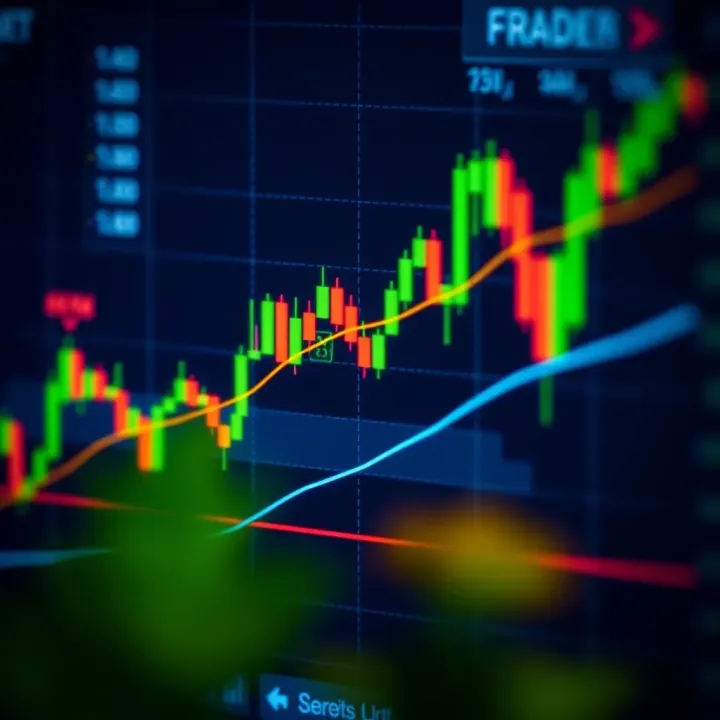
📈 Learn how resistance and support levels guide forex traders in spotting price reversals, making informed decisions, and handling challenges in the Kenyan market.
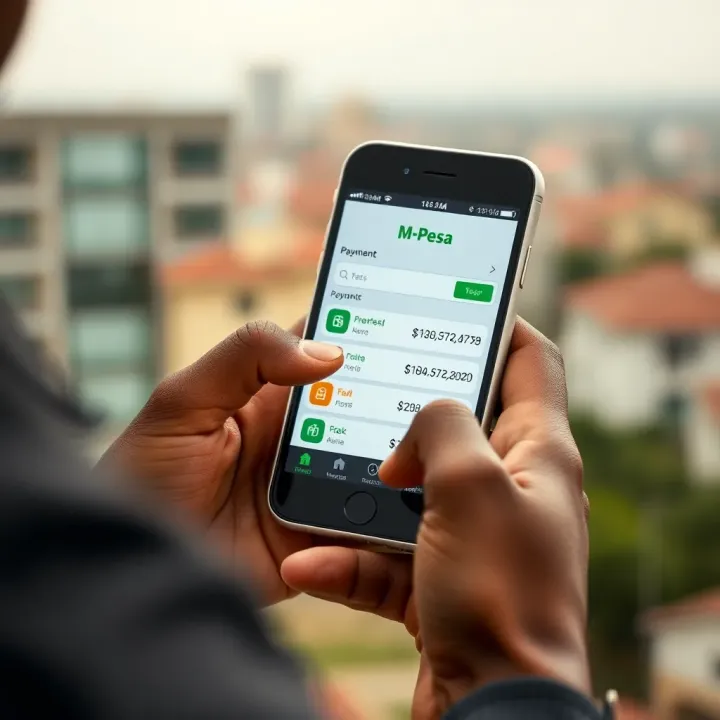
Start your forex trading journey in Kenya with clear steps on setting up accounts, choosing trusted brokers, managing risk & using M-Pesa 💹💼
Based on 7 reviews