
Best Forex Brokers for Kenyan Traders
Find the best forex brokers for Kenyan traders 🇰🇪 with tips on regulations, fees, platforms, and support to trade confidently and securely 📈💼
Edited By
Sophie Reynolds
Forex trading means buying and selling foreign currencies with the hope of making a profit from the changes in exchange rates. It’s not just a game for big banks or global investors anymore—Kenyan traders, whether experienced or newbies, have joined the market thanks to easier access and digital platforms.
In Kenya, the forex market operates 24 hours from Monday to Friday, opening just after Sydney’s market and closing when New York’s session ends. This gives traders the chance to react to global events at any time of the day or night. Because of this, many use forex trading as a side hustle to supplement their income or as a more serious investment.
Before you put your shillings on the line, it’s vital to understand the basics. Forex isn’t a guaranteed way to get rich quickly; it needs skill, discipline, and a clear strategy to navigate the swings. Starting out, you’ll hear a lot about currency pairs like USD/KES (US Dollar against Kenyan Shilling) or EUR/USD (Euro against US Dollar) and terms such as lots, pips, spread, and leverage. These form the language of forex and knowing them well is key.
Kenyan traders should also be aware of the regulatory environment. The Capital Markets Authority (CMA) oversees forex trading to protect investors from scams. Trading with brokers licensed by CMA gives you an extra layer of security. Remember, unregulated brokers can take your money and vanish, so always check for registration.
Trading platforms are your gateway to the forex universe. Popular ones like MetaTrader 4 (MT4) and MetaTrader 5 (MT5) offer tools for analysis, charting, and order execution. Some brokers also provide mobile apps, making it easier to trade during your daily commute in a matatu or while enjoying nyama choma with friends.
Forex trading in Kenya combines global market opportunities with local realities. Understanding its fundamentals, the regulatory framework, and choosing the right tools helps you trade smartly and avoid unnecessary risks.
By getting these basics down, you’ll have a strong footing to explore different strategies, manage risk properly, and gradually grow your trading confidence and skills.
Next, we will look at what you need to start trading forex in Kenya, including capital, choosing brokers, and the tech setup.
Grasping the foundations of forex trading is essential before you start placing any bets in the currency markets. This knowledge gives you the tools to navigate practical challenges, understand what drives price changes, and make smarter decisions. For Kenyan traders, appreciating these basics means you can spot opportunities and avoid pitfalls common in a global market that runs twenty-four hours a day.
Forex trading simply refers to buying and selling different currencies on the foreign exchange market. Imagine exchange offices at airports—where you swap your Kenyan Shillings for US Dollars or Euros. Forex trading operates much like that but on a bigger, electronic scale with trillions of dollars changing hands daily.
In practical terms, forex trading allows investors and institutions to capitalise on currency fluctuations. For example, if you think the US dollar will strengthen against the Kenyan shilling due to economic data or political stability in the US, you can trade to benefit from that movement.
Currencies are always traded in pairs. This means when you buy one currency, you're simultaneously selling another. Take the USD/KES pair: if you buy USD/KES, you're buying US dollars and selling Kenyan shillings. Conversely, selling USD/KES means selling US dollars and buying Kenyan shillings. This pair system is crucial because all forex trades involve comparisons between two values.
This mechanism allows traders to speculate on which currency will perform better, opening many avenues for profit from price differences. For instance, a Kenyan business importing goods from the US monitors USD/KES rates carefully since currency shifts affect costs directly.
Why do many people turn to forex trading? The forex market is popular because it offers high liquidity, meaning trades execute quickly with minimal delays. Also, the market runs 24/5, letting traders respond to news anytime during the business week. The possibility of using leverage — borrowing money to increase trade size — also attracts those looking to amplify their returns, although it carries risk.
To get comfortable trading, understanding some basic forex terms is essential.
Currency pair is the quotation of one currency against another, such as EUR/USD or USD/KES.
Bid price is what buyers pay, while the ask price is what sellers want.
The spread is the difference between these prices — often the broker's fee in disguise.
For example, if USD/KES bid is 115.00 and ask is 115.03, the spread is 0.03. A tighter spread means lower trading costs.
Leverage lets you control a large position with a small deposit by borrowing funds from the broker. For example, leverage of 1:100 enables you to trade KSh 100,000 while putting down only KSh 1,000 as margin.
While leverage can multiply profits, it can also wipe out capital quickly, so managing margin levels carefully is key.
Other useful terms include pips, which measure price movements—usually the fourth decimal in a price quote; lot size, which dictates the trade volume; and trading hours, as different markets (London, New York, Tokyo) open and close at set times influencing volatility.
Kenyan traders benefit by knowing these terms as they align their trading strategies around local currency pairs, broker conditions, and market hours, avoiding surprises and managing risks better.
Understanding these basics helps you approach forex trading with clearer expectations and stronger preparedness, which is especially handy in Kenya’s growing trading community.
Starting forex trading in Kenya involves understanding some important steps that help you trade safely and effectively. This section covers legal rules, choosing brokers, and practical tips on setting up your account. Knowing these details will save you headaches later and improve your chances of success.
The Capital Markets Authority (CMA) is the government body that oversees forex trading activities in Kenya. It licenses and supervises brokers to ensure they follow the law and protect Kenyan traders. The CMA's role matters because it helps curb fraud and dishonest practices that can easily catch new traders off guard. For example, trading with a CMA-regulated broker gives you recourse if disputes arise.
Trading only with licensed brokers is essential since this means your money and personal data have some protection under Kenyan law. Unlicensed brokers may offer temptingly low spreads or flashy platforms, but they often operate without oversight. This increases the risk of scams or withdrawal difficulties. It’s like buying an item from a trusted shop versus an unknown street vendor — the safety and reliability differ.
Tax implications also matter for forex traders in Kenya. Profits from forex are considered taxable income and must be declared to the Kenya Revenue Authority (KRA). Failure to declare earnings could lead to penalties later, so keeping clear records of trades and profits is wise. Also, some traders may need to register for KRA PIN and file returns yearly depending on their trading scale.
Choosing a suitable forex broker starts with checking regulation, trading platforms, and user reviews. Some brokers specialise in serving Kenyan traders with support in Swahili, M-Pesa deposits, and quick withdrawals. Others offer advanced tools for experienced traders. Pick a broker that matches your knowledge level and trading style to avoid frustration.
Opening an account can be straightforward if you use platforms connected to Kenya's eCitizen portal or directly on broker websites. Most brokers require identification documents like a national ID or passport and proof of residence. Completing verification promptly helps to start trading without delays.
Funding your account using M-Pesa is one of the easiest methods for Kenyan traders. It’s fast, secure, and widely accessible even outside Nairobi. Some brokers also accept bank transfers, credit cards, or other mobile wallets, but M-Pesa remains by far the most convenient option. Before depositing, check any fees or minimum deposit amounts so you don’t get caught off guard.
Starting forex trading properly means playing by Kenya’s rules and picking the right partners. This foundation makes trading smoother and safer.
In summary, understanding regulation, picking a good broker, and knowing how to fund your account are practical steps every Kenyan forex trader should prioritise before entering the market.
Choosing the right forex broker is a key step for any trader in Kenya. The broker acts as your gateway to the forex market, so their reliability and the services they provide can directly affect your trading success and security. It's not just about getting the lowest cost or flashiest platform; you want a broker that fits your specific needs, complies with regulations, and provides smooth access to the market.
Kenya’s forex market is regulated by the Capital Markets Authority (CMA), which safeguards traders by licensing credible brokers. Trading with a CMA-licensed broker means you can expect fair treatment, transparency, and adherence to local laws. For instance, brokers like Exness and HotForex hold local licences and are recognised by Kenyan traders for their accountability.
Aside from CMA regulation, global regulatory bodies like the Financial Conduct Authority (FCA) or the Cyprus Securities and Exchange Commission (CySEC) add extra trustworthiness. A broker with a clean reputation across these regulators demonstrates commitment to ethical trading practices, reducing the risk of scams.
Your broker's trading platform is your main tool; it must be user-friendly, reliable, and equipped with useful features. MetaTrader 4 (MT4) and MetaTrader 5 (MT5) remain popular as they offer a range of technical indicators, automated trading options, and charting tools essential for technical analysis.
Some brokers also provide proprietary platforms with advanced features or mobile apps for trading on the go. Since many Kenyans rely on mobile devices for internet access, having a stable mobile trading app is a practical consideration. Imagine missing a key market move simply because your platform kept disconnecting!
The costs of trading include spreads—the difference between buying and selling prices—and sometimes commissions per trade. Tight spreads mean less cost per trade, which helps especially if you trade frequently or scalp small profits.
However, some brokers balance low spreads with higher commissions or vice versa. For example, a broker might offer a 0.1 pip spread but charge $7 per lot, while another offers no commissions but wider spreads. Understanding these costs helps you pick a broker aligning with your trading style, particularly important when working with limited capital.
Efficient deposit and withdrawal processes save you time and hassle. For Kenyan traders, brokers that integrate with M-Pesa or accept local bank transfers have an advantage, making funding smooth and quick.
Withdrawal should also be straightforward; delays or hidden fees can affect your cash flow. Also consider minimum deposit requirements—some brokers ask for as low as KS,000, making them more accessible to beginners.
Brokers like Exness, XM, and HotForex have become favourites for many Kenyan traders due to their local presence, CMA regulation, and good reputations. Exness, for example, offers flexible leverage options and tight spreads, making it suitable for both beginners and seasoned traders.
XM is known for its educational resources and no hidden fees policy, which helps newcomers get started without surprises. HotForex offers various account types catering to different trader profiles, from low-budget beginners to professional speculators.
Local support centres provide direct help in the same time zone and language, crucial when you face urgent trading issues. Brokers with offices or partnerships in Kenya understand local market nuances and regulations better.
Integration with Kenyan payment methods like M-Pesa is also vital. Depositing KS,000 via M-Pesa is faster and more familiar than international wire transfers. This convenience encourages more regular trading and quicker access to funds.
Good brokers offer distinct account types to meet different skill and capital levels. Beginner accounts often feature educational support, low minimum deposits, and risk control tools like limited leverage.
For experts, brokers provide advanced features, higher leverage (where permitted), ECN accounts offering direct market access, and sophisticated trading platforms. For example, a Kenyan trader just starting might open a micro account with Exness, while an experienced trader can select the professional account with raw spreads.
Selecting a suitable forex broker is more than a checklist task — it can influence your entire trading experience. In Kenya, favour brokers that combine solid regulation, accessible payment methods, and platforms tailored to your trading needs.
Developing solid forex trading strategies is essential for anyone serious about succeeding in the Kenyan forex market. A good strategy helps you make well-informed decisions instead of relying on guesswork or emotions. With forex trading, the market moves fast, and having a clear plan improves your chances of making profits while protecting your capital.
Technical analysis focuses on studying historical price charts and market data to predict future movements. In Kenya, traders often use tools like candlestick charts, moving averages, and the Relative Strength Index (RSI). For example, if a currency pair like USD/KES shows consistent support at a particular level on the chart, traders might buy near that point expecting a bounce. Technical indicators help spot trends, reversals, or ranges without needing to follow every news update.
Fundamental analysis looks at economic and political factors that influence currency values. For Kenyan traders, paying attention to reports like Kenya’s inflation rate, Central Bank of Kenya (CBK) interest rate decisions, or global events (e.g., US Federal Reserve announcements) is key. These factors can cause sharp moves in forex pairs such as USD/KES or EUR/USD. Understanding fundamentals offers a bigger-picture view, helping traders decide when to enter or exit trades beyond just what the charts say.
Scalping means making many small trades to grab tiny profits, often holding positions for minutes or even seconds. Day trading involves opening and closing trades within the same day to avoid overnight risk. These strategies suit active Kenyan traders who can monitor the market regularly during Nairobi’s active hours. For example, a trader might scalp during high liquidity times such as London or New York sessions, taking advantage of quick price swings often caused by economic data releases.
Setting stop-loss and take-profit orders helps limit losses and lock in gains automatically. For instance, if you buy USD/KES at KS10, you might set a stop-loss at KS09.50 to prevent losing more than expected. Take-profit orders, on the other hand, ensure that once your target price is reached, the trade closes to secure profits. This hands-off approach protects you from sudden market shocks and emotional decisions.
Managing the size of each trade based on your account balance is vital to prevent big losses. Kenyan traders should keep position sizes small relative to their capital, especially when using leverage. Leverage can boost your gains but also magnify losses. For example, using 10:1 leverage means every KS,000 you risk controls KS0,000 in the market. Applying tight risk control by risking only 1-2% of your total capital per trade helps keep your trading sustainable in the long run.
Controlling your emotions separates successful traders from others. Avoid chasing losses or opening too many trades when the market is uncertain. Overtrading can quickly drain your account with unnecessary transaction costs and poor decisions. Kenyan traders must develop a routine that includes taking breaks and reviewing trades calmly. Sticking to your strategy and accepting losses without frustration helps maintain mental balance and long-term profitability.
Good trading strategies combined with risk control build a strong foundation. The Kenyan forex market rewards steady, informed approaches over risky gambles.
By mixing technical and fundamental insights with careful risk management, Kenyan traders can trade more confidently, avoid common pitfalls, and increase their chances of success.
Forex trading can be demanding, especially for Kenyan traders who have to navigate both local economic factors and global market swings. Practical tips help you stay grounded and make smarter trading choices. They are not just about technical skills but also about understanding how external factors influence currency moves, and how to prepare without risking too much at the start.
Using reliable news sources is key to staying updated on what can move the forex market suddenly. For example, sites like Reuters, Bloomberg, and Kenya’s own Business Daily provide trustworthy updates on economic data, political developments, and central bank announcements. Kenyan traders should also monitor reports from the Central Bank of Kenya and the East African Community (EAC) since policies from these bodies often affect the shilling directly. Without trustworthy information, you risk reacting late or to false rumours, which can be costly.
Understanding how events affect currency prices helps you predict market reactions more clearly. Take the Kenya National Bureau of Statistics releasing inflation data; a higher inflation rate might weaken the shilling because it lowers purchasing power. Similarly, political changes like county elections can create short-term volatility, while global issues such as USA interest rate changes or oil price shocks influence popular pairs like USD/KES. Knowing this lets you adjust your trades — for instance, tightening stop-loss orders before big announcements to avoid heavy losses.
Practising without risking real money is vital for building confidence and skills. Most brokers allow you to open demo accounts where you trade virtual KSh against real market conditions. This environment helps you test strategies, understand leverage, and familiarise yourself with the platform without losing cash. For example, some Kenyan traders use demo trading to simulate how M-Pesa deposits and withdrawals might look before funding their live accounts.
Accessing Kenyan forex trading courses and communities gives you an edge by learning from experts familiar with local nuances. Platforms like Forex Peace Army Kenya and training sessions organised by Nairobi’s financial institutions share useful insights tailored for Kenyan markets. Joining Kenyan traders’ WhatsApp or Telegram groups also offers practical tips and alerts on profitable opportunities, creating a support network that many beginners miss out on initially.
Staying up to date with market news and learning through practice and community support are the cornerstones for anyone wanting to succeed in forex trading in Kenya.
By combining these practical steps, Kenyan forex traders can approach the market more confidently and reduce common mistakes while increasing their chances of profit.
Find the best forex brokers for Kenyan traders 🇰🇪 with tips on regulations, fees, platforms, and support to trade confidently and securely 📈💼
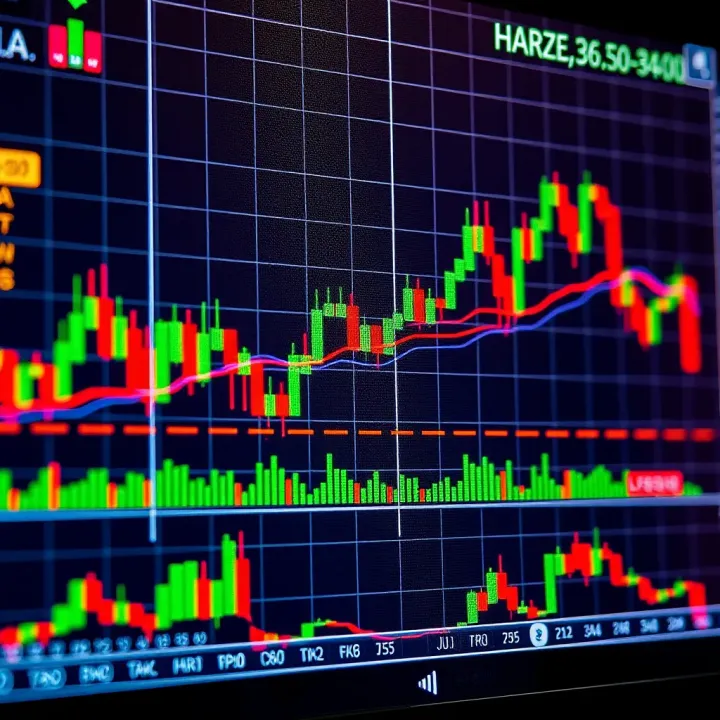
📊 Master Forex trading charts in Kenya! Learn to read patterns, choose time frames, and use indicators confidently for smarter currency trading decisions.
Learn how to pick the best forex brokers in Kenya 🇰🇪 with our practical guide covering regulations, costs, platforms, support, and security tips.
📱Explore top Forex trading apps in Kenya! Learn features, risks, regulations & smart tips to trade confidently in the mobile Forex market.💹
Based on 9 reviews