
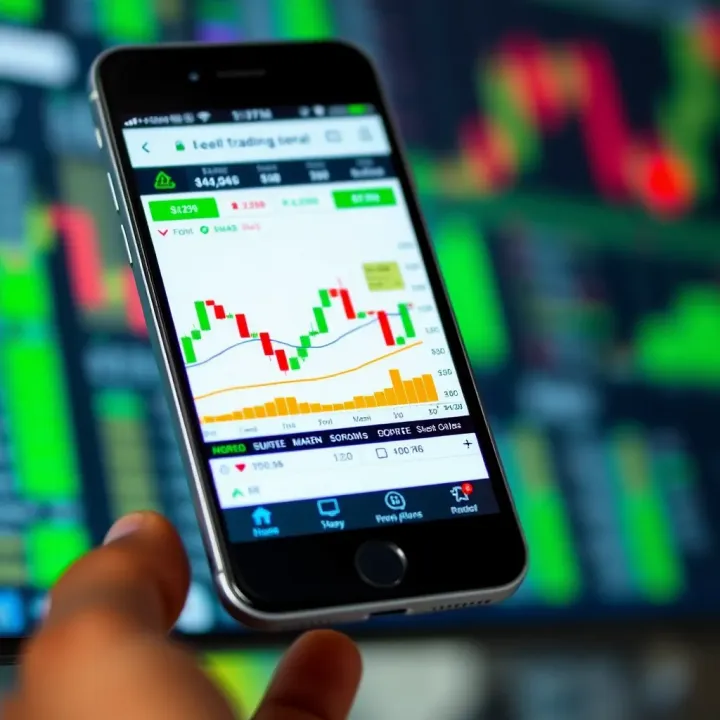
Guide to Forex Trading Apps in Kenya
📱Explore top Forex trading apps in Kenya! Learn features, risks, regulations & smart tips to trade confidently in the mobile Forex market.💹
Edited By
Emily Parker
Forex trading has steadily gained traction among Kenyan traders who are eager to tap into global financial markets. With the rise of smartphones, mobile trading apps have become the go-to platform for buying and selling currencies. That said, choosing the right forex trading app isn't as straightforward as it might seem.
Kenya's unique economic environment, internet connectivity challenges, and regulatory framework make it essential for traders to pick apps tailored to local needs. A wrong choice could mean higher fees, security risks, or poor user experience that eats away at profits.
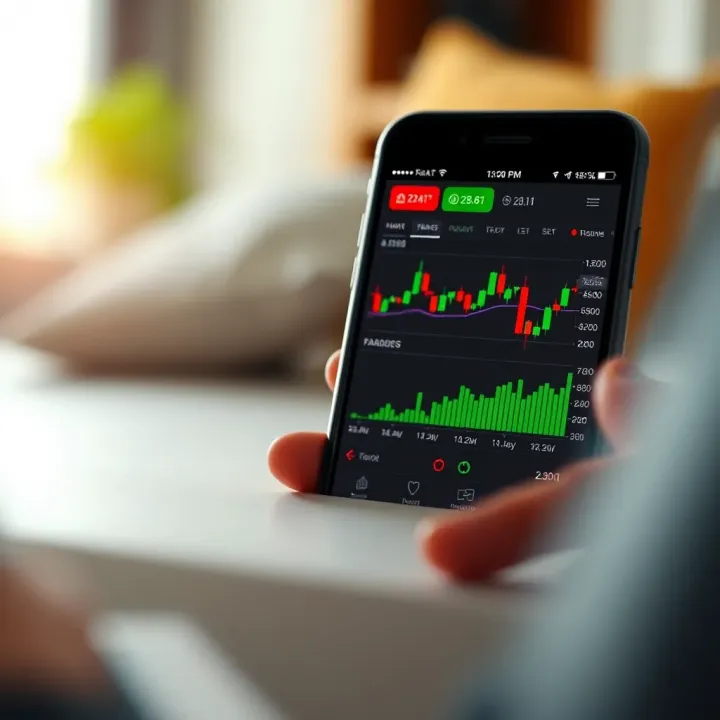
In this guide, we’ll walk through the main factors a Kenyan trader should consider when selecting a forex app—from security features and fee structures to how user-friendly the platform is. We’ll also review some popular apps relevant to the Kenyan market and offer practical tips for getting started.
Remember, the best trading app is not necessarily the flashiest one, but the one that fits your trading habits, offers solid security, and aligns with your financial goals.
Let’s get right into the nitty-gritty so you can trade confidently and wisely.
Grasping the ins and outs of forex trading apps is the first step for Kenyan traders hoping to stay sharp in this fast-moving market. These apps aren't just about squeezing trades onto your phone; they can provide a real edge if you know what you're handling. Think of it like moving from riding a bike around the neighborhood to driving a compact car in rush hour traffic — the tools you use and how they fit your needs matter a lot.
At its core, a forex trading app is software designed to let traders buy and sell foreign currencies directly from their mobile devices. The main whys behind its use are simple: accessibility and speed. For instance, a trader in Nairobi can react quickly to market news at midnight without needing to boot up a laptop. These apps offer a streamlined version of trading platforms, focusing on essential features like placing orders, accessing account balances, and viewing live currency charts. The aim is to give you control wherever you are.
Compared to their desktop cousins, trading apps shed some of the heavy tools to keep things light. This means no overly complex charting software or multiple monitors' worth of detailed reports. Instead, they offer a clean, simple interface optimized for touchscreens. This difference is crucial because while desktops cater to deep technical analysis, apps cater to quick decisions and on-the-go monitoring. For example, MetaTrader 4 and MetaTrader 5 apps keep most of the core features but arrange them so even a trader waiting in line at a matatu stage can check their positions easily.
The biggest selling point for these apps is their convenience. Kenyan traders can place trades whenever they spot an opportunity, whether on the way to work or during a coffee break at their local café. Unlike traditional desktop platforms that bind you to your workspace, a forex app lets you carry the market in your pocket. Also, this means you don’t miss out on sudden market moves because you're stuck away from your computer.
Forex markets don't sleep, and neither do forex apps with their real-time notifications. These alerts can be game changers — imagine getting an instant warning about a currency pair hitting your set target or an unexpected rally. For example, apps like IG or FXTM allow customizable push notifications for price movements and economic events. This keeps you in the loop without needing to stare at your phone all day, a handy feature for busy Kenyan traders managing multiple tasks.
Mastering the use of forex trading apps isn't just about tech savvy — it’s about fitting the tool to your trading style and lifestyle, ensuring you stay ahead in the hustle of forex markets.
When picking a forex trading app, knowing which features really matter can save you headaches down the line. Kenyan traders need platforms that are not just flashy but genuinely practical and responsive to market moves. The right features boost your ability to make informed decisions swiftly, which is the name of the game in forex.
If you're fumbling through an app trying to find basic functions like placing an order or checking your portfolio, you’re losing precious time and potentially money. A good forex app has straightforward menus, clearly labeled buttons, and minimal clutter to keep the focus on trading. Imagine scrolling through the app and instantly spotting your open positions without having to dive through a maze of tabs — that's ease of navigation in action.
Custom dashboards let you tailor the trading space to what feels natural. For instance, a trader who values watching currency pairs side by side can set up split-screen views, while others might prefer a single pane with large charts. This personalization helps Kenyan traders concentrate on what matters most without distractions, making the app a true extension of their trading style.
Forex trading is all about timing, and technical indicators are your signals on when to act. Whether it's moving averages, RSI, or Bollinger Bands, these tools help you identify trends and reversals. An app missing these essentials is like navigating Nairobi's traffic without a map or GPS.
Markets shift in seconds. An app that updates data in real-time ensures you’re working with the freshest info. Delays can mean missed opportunities or worse, making trades on outdated prices. Traders in Nairobi or Mombasa need this immediacy to stay competitive and avoid nasty surprises.
Flexibility in order types lets you execute strategies smoothly. Market orders get you in or out immediately at the current price, good for volatile pairs like USD/KES. Pending orders, on the other hand, let you set your target price ahead, so you don’t have to stare at the screen all day waiting for the right moment.
No one likes finding out their order went through at a price worse than expected, a problem known as slippage. Reliable execution means your trades get filled quickly and as expected, even during busy times. Trading with delays or price jumps can erode profits — a risk Kenyan traders must vigilantly avoid.
Your financial details and trading activity must stay locked up tight. Good trading apps use strong encryption methods to guard your data from hackers. It’s like having a security guard on your forex account 24/7.
Adding a second step to log in protects your account from unauthorized access. Even if someone guesses your password, without the second factor—like a code sent to your phone—they’re stuck outside. This extra layer is a small hassle for the peace of mind it brings, especially when dealing with real money.
Remember, a forex trading app isn’t just about flashy graphics or endless options; it must streamline your trading process, keep you secure, and offer tools that put you a step ahead in Kenya’s dynamic market.
Choosing apps with these features keeps your trading efficient, safe, and tailored to your style. Your fingers are quick, but the app has to keep pace.
When diving into forex trading via mobile apps in Kenya, keeping an eye on costs and fees is just as important as understanding market trends. Even the best trading platform can drain your pockets if you're not mindful of the expenses involved. Evaluating these costs upfront helps traders avoid nasty surprises and allows for smarter budgeting of their trading activities.
The main costs to watch out for include spreads, commissions, and transaction fees linked to deposits and withdrawals. Each of these can subtly chip away at your profits if ignored. Imagine trading with a tight margin only to find that high fees turn your winnings into break-even or even losses. That's why you want to get familiar with how each of these expenses plays a role.
By weighing costs effectively, Kenyan traders can select forex apps that suit their financial goals and trading style, ensuring their hard-earned money works efficiently.
Spreads represent the difference between the buy and sell price of a currency pair. Think of it as a small fee built directly into the price when you enter a trade. For example, if the EUR/USD bid is 1.1000 and the ask is 1.1003, the spread is 3 pips. This means you start your trade slightly in the red, needing the price to move favorably just to break even.
In Kenya, where volatility in forex markets can sometimes be sharp, a tight spread means less cost to your trading position. Many popular apps like MetaTrader 4 offer variable spreads that fluctuate with market conditions, so it’s prudent to check how spreads behave during different times, especially when liquidity is lower.
Traders who use apps offering fixed spreads often pay a consistent fee, which can be beneficial for budgeting, but might be higher than variable spreads during normal market times.
Some brokers charge commissions in addition to or instead of spreads. This is usually a small fixed amount per trade or a percentage of the trade size. For example, a broker might charge $7 per standard lot traded, regardless of the spread.
Commissions can actually be beneficial if they result in lower spreads overall. For instance, interactive brokers might offer tight spreads plus a small commission which, when calculated, proves cheaper for high-frequency traders.
Understanding whether an app uses spreads only, commissions only, or a mix helps you anticipate costs better. Kenyan traders should consider their trading volume and strategies to decide which fee structure fits best.
When moving money between your Kenyan bank and a forex trading app, local bank fees come into play. These charges depend on your bank’s policies and the method used. M-Pesa, for instance, is popular for quick mobile payments but has limits on the amount and fees per transaction.
Kenyan banks may also impose fees for international transfers or currency conversion, which could add another layer of expense if your trading account operates in a foreign currency like USD or EUR.
Always check with your bank what fees apply for deposits and withdrawals to and from your forex app. These costs might discourage frequent small transactions, nudging you to plan deposits carefully.
Apart from bank charges, some forex apps impose their own deposit or withdrawal fees. These can range from fixed amounts (say $5 per withdrawal) to percentages of the transaction.
For example, the FXTM app charges no deposit fee but applies a withdrawal fee depending on the payment method. Knowing these charges helps avoid surprises when cashing out your profits.
Carefully comparing fees across forex apps can save Kenyan traders a lot over time. If one platform charges hefty withdrawal fees, it might be worth considering another with more wallet-friendly policies.
In summary, Kenyan forex traders should treat costs and fees as a core part of their decision process. Paying attention to spreads, commissions, and transaction fees ensures your trading gains are not eaten up before you can enjoy them. Always review the fine print on cost structures for each app before committing your funds.
When picking a forex trading app, one of the first things you need to check is how well regulated and safe that app is. Regulation in the trading world is like having traffic lights — without it, chaos reigns and scams are more likely to thrive. For Kenyan traders, who deal with both local and international brokers, understanding the regulatory landscape can save money and protect you from fraud.
Apps backed by proper regulation mean the platform has passed specific checks to ensure fairness, security, and integrity. For example, a forex app regulated by Kenya's Capital Markets Authority (CMA) or global bodies like the Financial Conduct Authority (FCA) in the UK signals trustworthiness. On the flip side, apps without clear regulation might offer flashy features but could expose you to risks such as theft or unfair trading conditions.
Taking regulations seriously protects not just your money but also your personal data, ensuring the systems in place guard against hacking or misuse. This section breaks down which regulators matter most and why their role is vital.
The Capital Markets Authority (CMA) is the key player in Kenya when it comes to forex trading regulations. Its job is to license, supervise, and monitor forex brokers and platforms operating in the country. For example, if you’re eyeing a forex app that claims to operate locally, check whether the CMA has licensed it. No license means no official oversight, which is a big red flag.
The CMA ensures brokers comply with local laws, keep client funds separated, and maintain transparent trading practices tailored to Kenya's market. This local oversight also means you have a Kenyan legal body to turn to should disputes arise, which isn’t a guarantee with offshore brokers.
Given forex is global, many Kenyan traders use platforms governed by big international regulators. Authorities like the UK's Financial Conduct Authority (FCA), the Australian Securities and Investments Commission (ASIC), and the Cyprus Securities and Exchange Commission (CySEC) are names you’ll hear a lot.
Why does this matter? These international regulators enforce strict rules on brokers — ranging from capital requirements that ensure brokers can handle market risks, to rules on how client money is protected. For instance, an FCA-regulated platform has to separate client funds from operational funds, minimizing risk in case the broker falls on hard times.
Choosing apps regulated by these bodies tends to add an extra layer of safety, especially if the Kenyan CMA hasn't licensed them yet. But remember, cross-border legal protection can be tricky, so weigh your choices carefully.
Regulations exist mainly to protect you, the trader. Without them, unscrupulous brokers can disappear with your deposits or manipulate trades against you. A regulated app operates under rules that mandate fair dealing, honesty, and proper disclosure.
Take the case of FXPro, a popular international broker regulated by FCA and CySEC. Such platforms provide compensation schemes or insurance in extreme cases, giving traders a safety net. Additionally, they are required to confirm client identities, which helps prevent fraud and money laundering.
In Kenya, the CMA's oversight makes sure that brokers have enough capital and proper infrastructure, reducing the chances you’ll deal with a platform that can’t meet its financial obligations. This is especially comforting in a market where not all players are equally equipped.
Regulation also demands that brokers operate transparently. This means clear communication about fees, spreads, execution policies, and risk warnings. Unregulated apps might hide charges in the fine print or fail to disclose slippage risks — a common way some brokers quietly take advantage.
Accountability is key. When you trade on regulated platforms, you have a framework to hold brokers accountable if things go south. Regulatory bodies can investigate complaints and impose fines or sanctions. This kind of regulatory muscle deters bad behavior and encourages brokers to maintain high standards.
Choosing a regulated forex trading app is not just about following rules; it’s about safeguarding your investments and ensuring a fair trading experience.
By focusing on regulation and safety, Kenyan traders can trade confidently, knowing that their chosen apps meet important legal standards designed to protect them at every step.
For Kenyan traders, choosing the right forex trading app is about more than just picking a fancy interface. It’s about finding a tool that aligns with local market needs, regulatory standards, and bank integration for smooth transactions. Popular apps often set themselves apart by offering features that meet these specific demands, improving accessibility and trade execution speeds right from mobile devices.
Many traders in Kenya value apps that combine usability with robust history and a track record of reliability. This ensures not only ease of trading but also confidence that their funds and data are safe. As we explore the most commonly used apps, we’ll see how each can fit into a Kenyan trader’s daily routine and trading style.
MetaTrader 4 (MT4) and MetaTrader 5 (MT5) remain the pillars of forex trading platforms worldwide, including Kenya. They offer a solid mix of technical tools—think customizable charts, dozens of technical indicators, and automated trading options via Expert Advisors (EAs). MT5, the newer sibling, adds more asset classes beyond forex, such as stocks, and offers a more refined user experience.
What stands out is their support for multiple order types and a scripting language to build custom indicators or bots, essential for traders looking to tailor their approach. Both platforms provide real-time quotes and have mobile versions for Android and iOS, making it super convenient for Kenyan traders constantly on the move.
MT4 and MT5 fit Kenyan traders because many local Forex brokers support these platforms, making deposits and withdrawals smoother with familiar local banking options or mobile money like M-Pesa. Their wide acceptance means plenty of community support, easy access to educational resources in Kenya, and compatibility with local market conditions.
Plus, the platforms allow traders to practice on demo accounts before jumping into real money trades—helpful for those new in the game or looking to test strategies without risk. The strong security features also lock down user data, which is reassuring where online safety is a concern.
Apart from MT4/MT5, other apps are gaining traction among Kenyan traders. For instance, IQ Option blends intuitive design with competitive spreads and a broad range of tradable assets, not only currency pairs but also CFDs on commodities and indices. Its demo account feature is beginner-friendly.
FXTM Trader provides tight spreads and quick deposits via local methods, appealing to those who want direct access to their accounts without fluff. For more social traders, eToro’s platform—though more popular in other regions—is slowly picking up due to its copy-trading feature, allowing beginners to mirror experienced traders.
When picking among these alternatives, it's worth noting:
IQ Option offers a smooth user experience but sometimes faces criticism for withdrawal delays.
FXTM Trader scores high on speed and fees but may have a less extensive educational ecosystem compared to MT4/MT5.
eToro brings ease of social trading but comes with higher spreads and might be more suited to intermediate traders.
Choosing the best forex trading app isn’t just about features but also what fits your trading style and local context. Evaluate how the app handles deposits, local currency support, and customer service responsiveness before committing.
Choosing a reliable app tailored for Kenyan users' needs saves hassle down the line and positions traders for more confident, informed trading decisions.
Getting started with a forex trading app can feel like stepping into a maze without a map. This section breaks down the initial steps to help Kenyan traders begin their forex journey smoothly. From downloading the right app to understanding the trading environment, these foundational moves set up the stage for informed and confident trading.
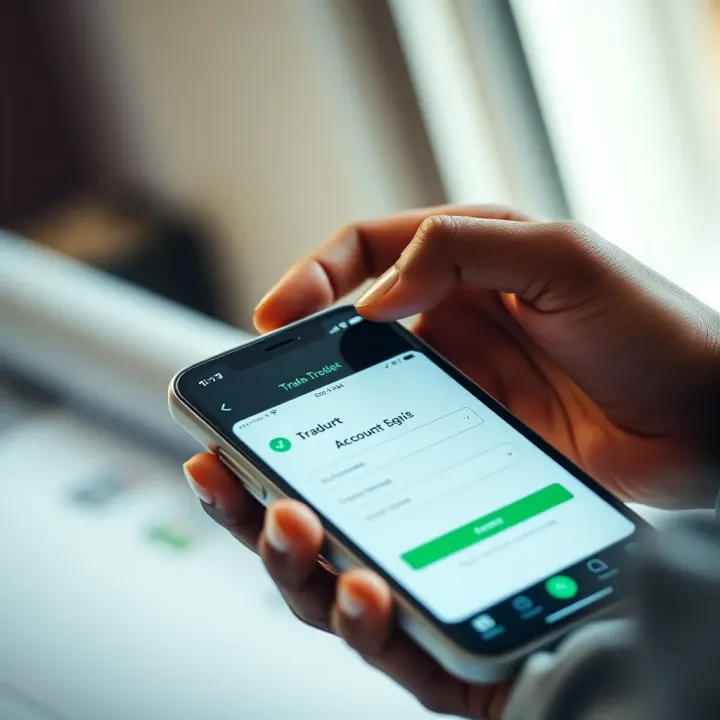
Before you dive into trades, you need to get the app on your phone and create an account. The registration process is usually straightforward but must be done with attention to detail. For example, apps like MetaTrader 4 (MT4) or MetaTrader 5 (MT5) require basic personal information such as your full name, email, phone number, and preferred currency. This step is crucial because it links your trading activity to your verified identity, preventing fraud and ensuring regulatory compliance.
Document verification is the next hurdle that might slow some traders down, but it’s worth the effort. After registration, brokers will ask for documents like a government-issued ID (for example, a Kenyan national ID or passport) and proof of address (utility bills or bank statements dated within the last 3 months). This helps verify you are who you say you are and is essential for regulatory bodies like the CMA (Capital Markets Authority) here in Kenya. It also helps protect your account from unauthorized access.
Remember, even though document verification can take a couple of days, trying to skip or rush this process might lead to account restrictions or delays when you want to withdraw your profits.
Once your account is set up, it’s wise to get a feel for the trading environment before risking real money. Demo accounts offered by platforms like MT4 or IG Markets simulate real trading conditions using virtual money. This risk-free practice lets you test strategies, understand market trends, and get comfortable with the app’s interface.
Basic trading principles also deserve attention right from the start. For instance, knowing terms like "bid" and "ask" prices, leverage, margin, and how currency pairs work can save you from beginner mistakes. Take the Kenyan shilling (KES) paired with the US dollar (USD) as an example—a rise or fall here affects whether you profit or lose.
By grasping these basics and experimenting with demo accounts, Kenyan traders can avoid the trap of jumping into live markets blindly. It also builds confidence, helping traders recognize when to enter or exit a trade and how to manage risks.
In short, starting off on the right foot by setting up your account correctly and understanding the trading environment can make a huge difference in your forex trading experience. It’s about knowing your tools and the playground before placing your bets.
Trading forex on mobile devices can be convenient, but it also requires a keen eye on managing risks. Mobile forex apps in Kenya open doors to trading anytime, anywhere, yet the fast pace and smaller screens might tempt traders to make hasty decisions. Taking a cautious approach when managing risk is not just smart – it’s necessary to protect your capital and stay in the game longer.
Effective risk management means you don’t let emotions dictate your trades. Simple strategies like setting clear stop-loss and take-profit points help you define exactly when to get out of a trade, whether it’s in profit or loss. These tools ensure you’re not chasing the market or holding on to losing positions hoping things will turn around.
Additionally, avoiding overtrading on mobile devices is crucial. It can be easy to fall into the trap of making multiple trades just because the app is at your fingertips. This often leads to impulsive moves, which usually end up shrinking your balance rather than growing it. Knowing how to control your trade frequency and stick to a well-planned strategy can boost your chances of success.
By combining these practical tips, you can take full advantage of mobile forex apps while keeping losses at bay. Let’s dig deeper into these key risk management techniques.
Setting stop-loss and take-profit orders is like having a safety net for your trades. A stop-loss order automatically closes a trade when it hits a certain loss level you’re comfortable with, preventing a small loss from spiraling into a big one. For example, if you buy the USD/KES pair at 110 and set stop-loss at 108, the trade will close once the price falls to 108 – protecting you from further drops.
Take-profit orders work the same way but lock in profits. Suppose the price rises to a target level of 115; your app will automatically close the position to secure gains. Many mobile trading apps such as MetaTrader 4 and 5 offer intuitive interfaces to set these orders quickly with just a tap.
Without these tools, traders often hold losing trades too long or miss out on profits by waiting for better prices, which rarely come. Setting these limits ahead of trading prevents emotional decisions and helps enforce discipline.
"Think of stop-loss and take-profit points as your trade boundaries—pre-agreed exit points that act like traffic lights controlling your risk and reward."
Overtrading is a common pitfall, especially when using a mobile forex app where the temptation to jump into the market constantly is high. Many traders in Kenya start with enthusiasm but soon find their accounts drained by frequent trades that haven’t been properly planned.
To dodge this, set daily or weekly limits for the number of trades and stick to them. Focus on quality over quantity by waiting for trades that fit your strategy rather than reacting to every market movement or rumor. For instance, a trader might decide to place no more than three trades a day based on clear technical signals instead of chasing every small price change.
Another useful tactic is to take breaks from the app when you start feeling anxious or frustrated. Emotional trading is one of the quickest ways to blow up your account. Many successful Kenyan traders schedule regular review times instead of checking the app continuously.
Finally, using features available on popular platforms like FXTM or Exness to monitor your trading history and performance can provide insights on patterns leading to overtrading. Awareness is the first step to improvement.
Avoiding overtrading keeps your focus sharp and your capital intact, which are essential for long-term profit in forex trading.
Managing risk in forex trading doesn’t have to be complicated. By using stop-loss and take-profit orders and keeping overtrading in check, you build a solid foundation for consistent trading without chasing losses or profits blindly. Mobile forex apps put the market within your reach, but it’s your risk control that determines if you’ll come out ahead.
When diving into forex trading via mobile apps, Kenyan traders often face hurdles that can trip up even the most experienced. Addressing these common challenges head-on is vital for maintaining a smooth trading experience. This section sheds light on typical issues like connectivity problems and app glitches, offering practical tips to keep your trading on track.
Poor internet connection is a classic thorn in the side for forex traders using apps, especially in areas where network coverage isn't rock solid. Imagine placing a trade at a critical moment only to have your app freeze or your order delayed because of spotty service. This can lead to missed opportunities and even losses.
To tackle this, make sure your device is connected to a reliable internet source—preferably a high-speed 4G or 5G network. For those living in more remote parts of Kenya, consider using an app that supports offline features or switch between different mobile networks when one signal gets weak. Additionally, closing background apps that hog your bandwidth can improve your connection speed.
Pro Tip: Keep your mobile data topped up, but also have Wi-Fi access ready if possible, especially during heavy trading hours.
Nothing is more frustrating than your trading app crashing mid-trade. Whether caused by bugs, outdated software, or compatibility issues, app crashes can shake your confidence and cost money. Many Kenyan traders face this when apps haven't been updated or when running on older smartphones.
The best defense is to keep your forex trading app regularly updated. App developers routinely fix bugs and improve stability through updates—so ignoring them could mean risking app reliability. Also, clear cache from time to time to avoid “clogged” data slowing down the performance.
If crashes persist, check if your phone's operating system is compatible with the newest app version. Sometimes, using a lighter version of trading apps, like MetaTrader 4 instead of MT5, helps on low-spec devices.
Keeping your device’s software fresh and compatible with your trading app isn’t just a nice-to-have—it's essential to protect your trades from technical hiccups.
By understanding and preparing for these common pitfalls, Kenyan traders can enjoy a more consistent and secure forex trading experience on their mobile devices.
Understanding where forex trading apps are headed in Kenya is vital for traders hoping to stay ahead of the curve. As mobile technology becomes more embedded in daily life, these apps are evolving rapidly, offering more than just basic trading functions. This section looks at key trends shaping the future—particularly the rise in mobile access and cutting-edge technologies like AI and security enhancements.
Kenya has witnessed explosive growth in smartphone usage over the past decade, largely driven by affordable devices and improved internet access. Today, even traders in rural areas can participate in global markets thanks to mobile-friendly forex platforms. This trend is a game changer because it means forex trading is no longer locked behind desktop-only platforms or expensive setups.
For instance, Safaricom’s widespread network and affordable data plans have empowered many traders to engage through apps like MetaTrader 4 or local brokers’ mobile platforms. Traders can execute trades, monitor currency pairs, and receive market alerts wherever they are, disrupting traditional trading norms.
This mobile penetration paves the way for a more inclusive financial environment, letting individuals who might never have visited a brokerage firm join the forex market. The practical benefit is clear: more access means more opportunities to capitalize on currency fluctuations promptly.
Artificial Intelligence (AI) and automation are steadily becoming integral parts of forex trading apps. AI can analyze huge volumes of data to identify patterns human traders might miss. For example, Kenyan traders using apps equipped with AI-driven algorithms get personalized insights that adapt as market conditions change, significantly improving decision-making accuracy.
Automation simplifies routine tasks such as setting stop-loss, take-profit levels, or executing trades at specified conditions—tasks that can be tedious or prone to emotional errors when done manually. Apps like MetaTrader 5 have introduced Expert Advisors, which automate trading strategies based on predefined criteria, freeing traders from constant screen-watching.
This tech makes trading more efficient and less time-consuming, especially for part-time traders or those balancing trading with other duties.
With increased app usage comes greater risk of cyber threats. Recognizing this, developers focus heavily on beefing up security. The latest forex apps for Kenyans incorporate multi-layered protection including biometrics (fingerprint or facial recognition), end-to-end encryption, and two-factor authentication to keep accounts and funds safe.
Moreover, innovative security measures like behavioral biometrics analyze typing patterns or device movement to spot suspicious activity early. This ensures that only the legitimate user can carry out trades or withdrawals, minimizing fraud risks.
For Kenyan users who frequently rely on their mobile devices for trading, these improvements foster trust and protect hard-earned capital.
Staying updated on technological trends in forex trading apps will equip Kenyan traders with tools to trade safely and strategically, adapting fast in the shifting financial landscape.
Overall, the future of forex trading apps in Kenya hinges on connectivity gains and smart tech integration. Traders who embrace these developments stand a better chance at maximizing profits and navigating market risks effectively.
📱Explore top Forex trading apps in Kenya! Learn features, risks, regulations & smart tips to trade confidently in the mobile Forex market.💹

Explore top forex trading apps in Kenya 🇰🇪! Learn about security, features, ease of use, and how to pick the perfect platform for your trading style 📈.
📱 New to forex trading in Kenya? This easy guide walks you through choosing, using apps, managing risks, and practicing before you invest real money.
Discover top forex trading apps in Kenya 📱 Compare features, security, fees & find the best fit for beginners and pros to trade smartly and safely.
Based on 8 reviews