

Best Forex Trading Platforms for Kenyan Traders
🔍 Find reliable forex trading platforms in Kenya with insights on fees, tools, user experience, and regulations to trade smarter and safer. 📈
Edited By
Sophie Mitchell
Forex trading in Kenya has grown rapidly, with many traders seeking platforms that blend ease of use, security, and local compatibility. Choosing the right forex trading platform can be the difference between consistent gains and avoidable losses. This guide focuses on navigating the options available, tailored specifically for Kenyan traders.
The forex market operates 24 hours a day, five days a week, and demands platforms that offer reliable access, real-time data, and user-friendly interfaces. For Kenyan traders, the ability to fund and withdraw using local methods such as M-Pesa or bank transfers adds an essential layer of convenience.

When weighing platforms, consider these key factors:
Regulation and Security: Ensure the broker and platform are licensed by recognised authorities such as the Capital Markets Authority (CMA) of Kenya or reputable international bodies. This protects your funds and personal data.
Trading Costs: Look for competitive spreads and fees. High costs eat into profits, especially for active traders.
Usability and Tools: Platforms should provide intuitive charts, technical indicators, and risk management features. This helps in making timely and informed decisions.
Payment Options: Local deposit methods like M-Pesa and bank transfers expedite funding and withdrawals. Platforms lacking these options risk frustrating users.
Customer Support: Reliable support, ideally with Kiswahili-speaking agents, improves problem resolution and user experience.
Kenyan traders often face challenges with platforms that do not adapt to local banking systems. Prioritising local payment integration and regulatory compliance simplifies trading and builds trust.
Some platforms to keep an eye on include MetaTrader 4 and 5, which are popular globally and supported by many brokers in Kenya. Others like cTrader and proprietary platforms from brokers such as FXPesa and Canadian FX provide localised experiences. Each platform has its strengths, making it vital to match your trading style and needs.
In the sections ahead, we will break down these platforms, highlighting their features, usability, and suitability for traders based here in Kenya. The goal is to equip you with clear, practical information to trade forex with confidence and ease.
Forex trading platforms are the software or online services that traders use to buy and sell currencies. In the Kenyan context, where access to reliable digital services varies, understanding what these platforms offer is crucial. They serve as the trader’s gateway to the market, connecting Kenyan investors to forex exchanges worldwide.
A forex trading platform is much like a digital marketplace where currency pairs are traded. It provides tools needed to execute trades, analyse markets, and manage accounts. For example, a popular platform like MetaTrader 4 offers charts, indicators, and automated trading features, helping traders make informed decisions. Without a platform, you can’t place orders or see live prices, so it’s the core of any trader’s activity.
Security is a key factor especially when real money is on the line. Kenyan traders must choose platforms regulated by recognised authorities such as the Capital Markets Authority (CMA) or internationally respected regulators like the UK's Financial Conduct Authority (FCA). A regulated platform offers protection against fraud and ensures client funds are handled properly. For instance, platforms like FXTM and IC Markets operate under strict regulation, giving Kenyan traders peace of mind.
User-friendly platforms matter because many Kenyan traders may not have extensive experience. A platform with a clear interface and accessible features makes trading less intimidating. Also, platforms that integrate smoothly with mobile devices—and support local payment methods like M-Pesa—offer more convenience. Imagine a trader who wants to adjust their stop-loss on the go; if the platform isn’t mobile-compatible or responsive, they might miss chances to safeguard investments.
Costs can quickly eat into profits; this includes spreads, commissions, and withdrawal fees. For Kenyan traders, platforms offering competitive spreads and low commissions are preferable. For example, IC Markets is known for tight spreads, which is appealing to day traders. Also, transparent fee structures ensure you’re not hit with unexpected charges, which can be particularly frustrating when dealing with foreign currency conversions and multiple payment gateways.
Choosing the right forex platform helps Kenyan traders manage their risk better, trade efficiently, and make informed decisions. Considering security, ease of use, and costs tailored to local needs is vital before committing your funds.
Understanding these elements ensures you pick a platform aligning with your trading goals and Kenyan realities, setting a foundation for more confident and controlled trading.
When picking a forex trading platform, especially as a Kenyan trader, focusing on the right features can save you time, money, and stress. The platform should not only fit your trading style but also provide the tools and protections you need. Below are the essential features to consider.
Trust is critical in forex trading, and regulatory oversight offers a level of safety. Kenyan traders should look for platforms regulated by reputable bodies like the Capital Markets Authority (CMA) of Kenya, the Financial Conduct Authority (FCA) in the UK, or the Cyprus Securities and Exchange Commission (CySEC). These regulators enforce rules that protect traders’ funds and ensure fair trading practices.
Security features such as two-factor authentication (2FA) and data encryption prevent unauthorised access, while segregated client accounts keep your money separate from the broker's operating funds. For instance, platforms like IC Markets and HotForex offer these measures, which is a reassurance against fraud or sudden fund loss.
A clean and intuitive layout allows traders to focus on strategies instead of navigating complicated menus. Platforms like MetaTrader 4 (MT4) and MetaTrader 5 (MT5) are favoured in Kenya because they balance advance features with simple interfaces, making them suitable whether you are a beginner or an experienced trader.
Look out for customisable dashboards that let you organise your charts, watchlists, and orders your way. Poorly designed platforms can lead to mistakes, like entering wrong order sizes or missing price alerts.
Kenyan traders usually focus on major and minor currency pairs, but access to exotic pairs or other asset classes like commodities and indices can diversify your trading options. Good platforms offer multiple instruments, so you aren’t stuck trading only forex.
For example, FXTM provides a broad selection including African currencies like the South African Rand (ZAR), which might offer opportunities linked to regional trade and markets.

Charts, technical indicators, and automated strategies help you make informed decisions. Platforms that come with built-in news feeds, economic calendars, and graphing tools provide real-time insights.
Some platforms offer extra perks like ‘copy trading’ where beginners can follow experienced traders’ moves. This is especially handy for those just starting out or with limited time for market analysis.
Mobile trading is a must in Kenya given wide smartphone use and frequent matatu or boda boda rides where traders watch markets on the go. The platform should have a responsive mobile app that doesn’t drop features found on desktop versions.
Payment methods are crucial too. M-Pesa integration is a top priority since it is the most trusted and widespread mobile money system in Kenya. Platforms that accept M-Pesa, bank transfers, and local cards simplify deposits and withdrawals without forcing you to use complicated international bank processes.
Choosing a platform with the right features ensures your money and effort are well spent. From security to mobile convenience, these factors help Kenyan traders trade confidently and efficiently.
In summary, weigh regulatory standards, usability, instrument variety, tools, and payment options carefully. This practical approach reveals platforms that match your needs and respect Kenyan trading realities.
Choosing the right forex trading platform is a key step for Kenyan traders aiming to succeed in the foreign exchange market. This overview highlights platforms that combine global reputation with local relevance, helping traders navigate issues like local payment methods, regulatory compliance, and customer support tailored to Kenya.
By knowing the top platforms, you can avoid pitfalls common with unregulated or unsuitable services and focus on trading efficiently. Some platforms stand out for their widespread adoption and advanced tools, while others gain favour thanks to local conveniences and dedicated support.
MetaTrader 4 and 5 (MT4/MT5) are perhaps the most widely used forex platforms worldwide, including Kenya. Traders appreciate their reliability, customisability, and wealth of technical analysis tools. With MT4 and MT5, you get access to automated trading through Expert Advisors, helping you test strategies or manage trades more effectively. Importantly, the platforms support trading on major currency pairs and various financial instruments, making them versatile for different trading styles.
While MT4 remains popular for its simplicity and stability, MT5 offers additional features like more timeframes and order types. Kenyan traders often start with MT4 but may upgrade to MT5 as they gain experience. Both platforms support mobile use and integrate well with payment methods like M-Pesa.
cTrader is another global platform gaining traction in Kenya due to its user-friendly design and transparency. It offers advanced charting and a clean interface that many find easier to navigate than traditional platforms. cTrader places a strong focus on providing direct market access and tight spreads, which benefit scalpers and day traders looking for lower trading costs.
Kenyan traders who prefer a platform with straight-through processing (STP), meaning no dealing desk intervention, often choose cTrader. Its fast execution and beginner-friendly features make it a good choice for various trader levels.
ThinkMarkets combines a global reputation with localised support tailored for emerging markets like Kenya. It offers competitive spreads and access to a wide range of markets including forex, indices, and commodities. ThinkMarkets invests in educational content and customer support that resonates well with Kenyan traders new to forex.
The platform’s blend of solid execution speed, risk management tools, and local payment options makes it practical for traders looking for reliability without complex setups.
HotForex has grown its brand among Kenyan traders by emphasising local support and convenient deposit methods. It accepts funding through M-Pesa and local banks, reducing hassle in moving money in and out. HotForex offers multiple account types, catering to beginners and experienced traders alike.
The broker is regulated internationally and provides access to MT4 and MT5 platforms, merging reliability with flexibility. Kenyan traders find HotForex’s promotions and regional customer service quite helpful for their trading journey.
FXTM (ForexTime) stands out for its focus on education in Kenya, providing materials and webinars tailored to local needs. It supports both MT4 and MT5 platforms and facilitates deposits via common local channels. FXTM’s tiered accounts allow Kenyan traders to select options that match their capital and trading preferences.
Their fast execution and transparent fee structure have earned them a solid reputation locally. FXTM’s emphasis on client safety through regulation also appeals to cautious Kenyan investors.
IC Markets is a favourite among Kenyan traders who prioritise low spreads and high liquidity. Known for its true ECN (Electronic Communication Network) model, IC Markets offers razor-thin spreads starting near zero, combined with fast order execution.
The broker supports the MT4, MT5, and cTrader platforms, giving traders freedom of choice. For Kenyan traders looking to trade frequently or use automated strategies, IC Markets’ conditions are attractive, especially when paired with M-Pesa for smooth deposits.
Exness has rapidly expanded in Kenya due to its easy account opening, strong customer support, and wide range of deposit options, including M-Pesa. It offers both MT4 and MT5 platforms and is known for unlimited leverage, which appeals to more aggressive traders.
The platform’s transparency in pricing and fast withdrawals reinforce its growing trust among Kenyan traders.
OctaFX is popular for its user-friendly approach and competitive promotions targeting Kenyan users. It provides MT4 and MT5 access with straightforward account verification processes, making it suitable for those starting forex trading.
OctaFX also supports local funding options and offers trading contests that keep traders engaged. Their focus on social trading appeals to Kenyans who like to learn from peers.
FXPro combines professional-grade trading tools with support for MT4, MT5, and cTrader. It offers a solid spread structure and is regulated in multiple jurisdictions, contributing to its credibility.
For Kenyan traders seeking an internationally recognised brand that balances advanced features with customer care, FXPro offers a strong package. Its research and analysis resources help traders make better decisions.
Knowing the strengths and local relevance of these platforms can save Kenyan traders time and money, helping them focus on what matters: smart, disciplined trading.
By considering factors such as platform usability, payment convenience, fees, and support, you can pick a forex platform that fits your needs and trading style here in Kenya.
Selecting a forex trading platform that suits your trading style is essential. Not every platform caters well to every kind of trader. Understanding your trading goals, experience, and cost considerations helps you avoid frustrations and losses down the line. The platform you pick should align with how you trade, the cost structures you prefer, and the learning support you may need.
Knowing what you want from forex trading is the first step. For example, if you are a beginner focusing on learning the basics and practising without risking real money, platforms offering demo accounts and simple interfaces, like MetaTrader 4, are suitable. Experienced traders who engage in day trading or scalping might prefer platforms with advanced charting tools, fast execution, and customisable scripts such as MetaTrader 5 or cTrader. Kenyan traders aiming for long-term investments may prize platforms with reliable fundamentals analysis tools and lower overnight fees.
Costs directly affect profitability, especially for traders working with limited capital. Pay attention to spreads (the difference between buying and selling prices), which can vary significantly from one platform to another. For instance, some platforms offer fixed spreads that are easy to predict but might be higher, while others have variable spreads that can dip really low during active market hours. Beyond spreads, check for deposit or withdrawal fees, especially when using Kenyan payment methods like M-Pesa or bank transfers. For example, platforms charging hefty withdrawal fees can eat into your profits. Choose a platform transparent about all charges and consider the typical transaction costs in Kenya.
Before committing real funds, try demo accounts. They let you trade with virtual money using live market data, making them invaluable for testing platform features without risk. For instance, if you wanted to test FXTM’s mobile app for easy trading on the go, a demo account helps you see if the interface feels right and whether the order types available suit your strategies. Make it a point to test order execution speed, charting tools, and available indicators during the demo phase.
Good customer support can save you a lot of headaches, especially when dealing with technical glitches or funding issues. Kenyan traders should look for platforms offering responsive support in local time zones and with channels like phone, email, or live chat. Moreover, educational resources such as webinars, tutorials, and market analysis help you sharpen your trading skills. For instance, a platform like HotForex provides regular webinars tailored for East African traders, which can be very helpful if you want to deepen your understanding of the markets.
Choosing the right forex platform is not just about software; it’s about matching the platform’s features and support to how you plan to trade. This match can boost your confidence and chances of success in forex trading.
Setting up your account is the first step to begin trading forex successfully. For Kenyan traders, understanding the setup process is crucial because it outlines what you need, how to fund your account using local methods like M-Pesa, and how to place your first trade confidently. Getting this right avoids unnecessary delays or complications and ensures your trading journey starts smoothly.
To open a forex trading account in Kenya, you'll typically need a few key documents. These include a valid national ID or passport for identity verification, proof of residence like a recent utility bill or bank statement, and sometimes a recent photograph. These documents help forex brokers comply with Kenya's regulatory requirements, including anti-money laundering (AML) rules and know your customer (KYC) procedures. Without these, your account application may face delays or rejection.
Once you submit the required documents, verification usually takes from a few hours up to a couple of working days. Brokers often prioritise verified clients, so it's wise to upload clear scans of your documents immediately during registration. Some platforms use automated systems and can verify faster, while others might require manual checks, especially for new traders. Planning for this short waiting period can help you avoid frustration and start trading sooner.
M-Pesa remains the most popular payment method for Kenyan traders due to its ease and speed. Most trusted forex platforms accept deposits via M-Pesa, allowing you to move money directly from your mobile wallet into your trading account without visiting a bank. This method suits traders who value instant funding, helping you respond quickly to market movements without worrying about delayed transactions.
For larger deposits or those who prefer traditional methods, bank transfers and debit or credit cards are available options. They offer a more secure and sometimes higher limit compared to mobile money. However, bank transfers may take 1–3 working days to process, which might delay your trading start. Using cards gives quicker access but be mindful of potential fees and foreign exchange charges imposed by your bank.
The first trade usually involves selecting which currency pairs to buy or sell. Popular pairs like USD/KES or EUR/USD are a good place to start since they are liquid and have tight spreads. Understanding the economic news affecting these currencies helps you make informed decisions. Kenyan traders should also watch local events that influence the shilling’s value, as these can affect your trade outcomes.
Most forex platforms offer simple order types like market orders and stop-loss orders. Market orders execute immediately at current prices, useful when you need quick entry. Stop-loss orders protect your investment by automatically closing a trade if the price moves against you by a set amount. Mastering these basic tools helps manage risk and improves your chances of consistent trading success.
Starting your forex trading on a solid foundation—clear registration, reliable funding, and understanding basic trades—makes all the difference in realising profits and managing risks effectively in Kenya’s vibrant forex market.
🔍 Find reliable forex trading platforms in Kenya with insights on fees, tools, user experience, and regulations to trade smarter and safer. 📈

Discover how to pick the best forex trading platform in Kenya 🇰🇪. Learn about key features, regulations, and top tech options for safe trading 💹.

🌍 Kenyan traders: Find the right forex trading platform with key features, local rules, costs, and smart tips to trade safely and confidently in 2024.
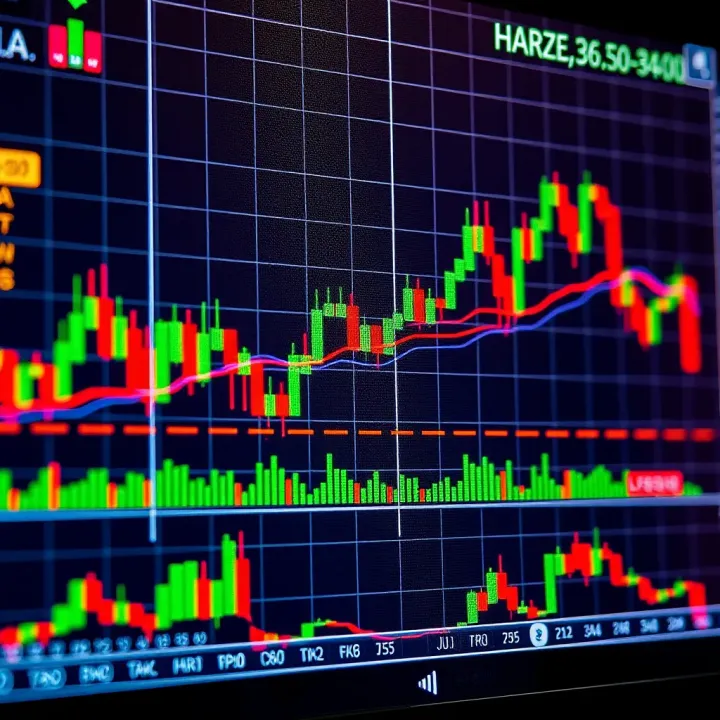
📊 Master Forex trading charts in Kenya! Learn to read patterns, choose time frames, and use indicators confidently for smarter currency trading decisions.
Based on 7 reviews