
Forex Trading Charts Guide for Kenyan Traders
📊 Master Forex trading charts in Kenya! Learn to read patterns, choose time frames, and use indicators confidently for smarter currency trading decisions.
Edited By
Isabella Reed
Forex trading is growing fast as a career option for many Kenyans curious about financial markets. This field involves buying and selling currencies to make profits, but it also requires understanding global economic factors, local market conditions, and careful risk management.
Kenyan job seekers interested in forex don’t have to become full-time traders immediately. There are several roles that suit different skills and interests within forex trading. Some prefer analysing market trends and working as forex analysts, while others get involved as brokers or in support roles like IT and compliance.
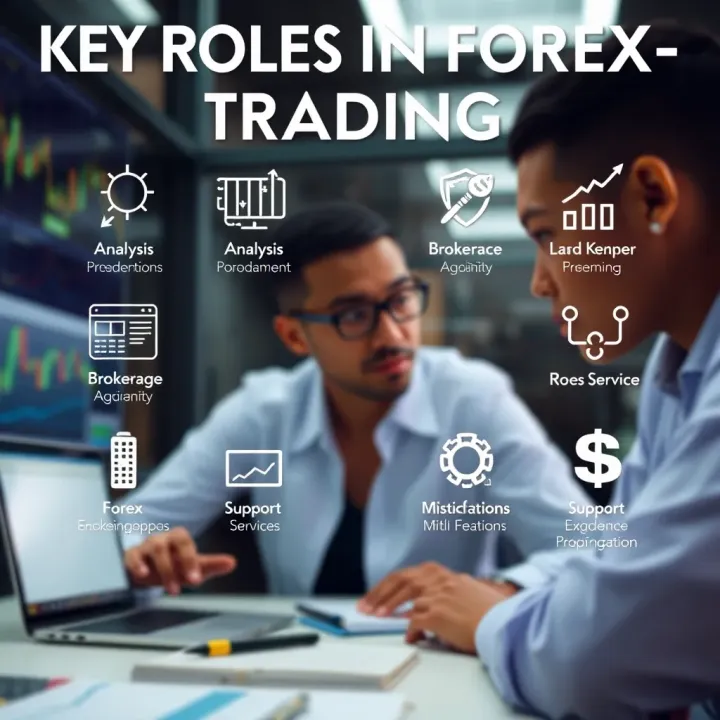
Why consider a career in forex trading? The forex market is the largest financial market worldwide, operating 24 hours across different time zones. For Kenyans, this means opportunities to work remotely or alongside other jobs. The accessibility of digital platforms like MetaTrader, TradingView, and brokerages regulated by the Capital Markets Authority (CMA) Kenya makes entry easier.
Successful forex trading careers depend heavily on continuous learning and discipline. The market’s volatility means no guarantees, but with the right skills and strategies, the potential returns can be worthwhile.
Analytical skills: Ability to interpret charts, economic indicators, and news that affect currency prices.
Risk management: Knowing when to exit trades or limit losses is essential.
Technical Knowledge: Familiarity with trading platforms and economic principles.
Emotional control: Forex markets can be stressful; maintaining calm helps avoid rash decisions.
Education: Begin with online courses or workshops available locally and internationally.
Demo trading: Use simulated accounts to practise without risking real money.
Networking: Join forums or groups of Kenyan forex traders to learn from real experiences.
Licensing and compliance: If planning to work as a broker or advisor, follow CMA regulations carefully.
In the next sections, we will unpack specific forex career paths, market risks, and practical advice tailored for Kenyan job seekers keen to tap into forex trading’s potential.
Getting a clear picture of forex trading jobs helps Kenyan job seekers understand how various roles fit together within the forex market. It sheds light on the skills needed, the opportunities available, and what daily responsibilities might look like. For example, someone aiming to trade independently needs different tools and knowledge compared to someone working as an analyst in a forex company. This overview provides the foundation for making informed career decisions.
Forex trading involves buying and selling currencies in the global foreign exchange market. Unlike stock markets, forex is one of the largest and most liquid markets worldwide, running 24 hours from Monday to Friday. Traders and professionals in this field make money primarily through leveraging small changes in currency values against one another.
In Kenya, forex trading activities have grown mainly through online platforms accessible to individuals and enterprises. However, it requires understanding of economic indicators, geopolitical events, and technical analysis to succeed. Forex trading isn’t just speculation—it’s about analysing patterns, assessing risks, and making strategic decisions quickly.
Professional forex traders execute currency trades on behalf of financial institutions or as independent operators. These traders use market analysis and trading platforms to make informed decisions. For instance, a trader at a Nairobi-based brokerage might monitor USD/KES movements daily, reacting to Central Bank of Kenya announcements or political developments.
Independant forex traders juggle the challenges of the volatile market but benefit from flexible hours and the potential for profits. Success depends heavily on discipline, fast decision-making, and continuous learning.
Brokers act as intermediaries connecting traders to the broader forex market. In Kenya, forex brokers often work for licensed companies, providing clients access to trading platforms and market data. Brokers earn through spreads, commissions, or fees charged for transactions.
Sales agents focus on bringing new clients to brokerages and educating them on platform use and trading basics. Their work requires good communication skills and trust-building; Kenyan clients often rely on agents to understand complex forex concepts.
Market analysts process economic data, political news, and financial reports, offering forecasts to guide traders. Kenyan analysts might track inflation rates, election outcomes, or global economic trends that affect currency prices like the euro and dollar.
This role involves deep research skills and the ability to simplify complex data into actionable insights. Companies rely on these analysts to reduce risks and identify profitable opportunities.
Risk management specialists design strategies to minimise potential losses from market volatility. They use tools like stop-loss orders and hedging to protect investment positions.
In Kenya’s forex sector, these professionals assess regulatory changes, economic shocks, and liquidity issues, aiming to safeguard both the client’s and company’s capital. Their work is vital in maintaining sustainable trading operations, especially amid the forex market’s unpredictability.
Understanding these roles helps Kenyan job seekers target suitable paths in the forex industry, whether they want to trade, analyse, manage risk, or support clients. Matching your skills and interests with the right role boosts your chances of success and longevity in this competitive field.
Successful forex traders and professionals must develop a strong foundation of both technical skills and personal traits to thrive in the fast-paced currency markets. Understanding these requirements helps Kenyan job seekers identify where to focus their learning and training efforts.
At the core of forex trading is knowledge of currency pairs — the two currencies being exchanged in a trade. For example, in the USD/KES pair, the US dollar is exchanged for the Kenyan shilling. Being familiar with major, minor, and exotic pairs can protect you from unexpected volatility. Understanding how these pairs behave during market events, such as central bank decisions or economic data releases, gives traders an edge.
Market indicators help interpret price movements and trends. Indicators like moving averages, the Relative Strength Index (RSI), and Bollinger Bands provide signals that assist in timing entry and exit points. A trader who knows how to read these tools can avoid some common pitfalls.
Operating trading platforms is a hands-on skill every forex professional must have. Platforms like MetaTrader 4 (MT4), MetaTrader 5 (MT5), and cTrader are widely used worldwide, including in Kenya. These platforms offer charting tools, technical indicators, and options to place various order types.
For example, a trader needs to set stop-loss and take-profit levels to manage risks effectively. Knowledge of how to backtest trading strategies using historical data on these platforms helps improve confidence before risking real money. Moreover, using economic calendars integrated within platforms keeps traders aware of upcoming events that could impact currencies.
Forex trading can be a rollercoaster of gains and losses, making discipline key. Emotional control helps traders stick to their strategies without giving in to fear or greed. For instance, if a trade moves against you, discipline enables you to cut losses early rather than holding on hoping the market reverses.
In the Kenyan context, where many traders use small capital from savings or loans, such restraint protects livelihoods and finances. Practising patience and avoiding impulsive trades leads to more consistent outcomes.
Trading demands sharp analytical skills to interpret market data, charts, and news. Traders need to assess complex information quickly and decide on buying, selling, or holding positions.
Good decision-making also means knowing when not to trade. For example, if market signals are unclear, refraining from trading reduces unnecessary risks. Developing this skill often comes from experience and learning from mistakes.
A formal educational background in finance, economics, or business can strengthen one’s grasp of forex markets. In Kenya, universities like Strathmore and USIU offer finance-related programmes that cover relevant concepts.
Besides formal education, practical training through workshops, online courses, or mentorships is crucial. Platforms such as the CMA (Capital Markets Authority) and training centres in Nairobi provide forex trading programmes tailored to beginners and professionals.
Using demo accounts to practise without risking real funds also builds competence before entering Kenya’s forex job market or starting as an independent trader.
Mastering both the technical and personal aspects of forex trading equips Kenyan job seekers with the tools they need to navigate the market confidently and responsibly.
Kenya's forex trading scene is growing steadily, offering opportunities both for independent traders and those seeking jobs with established forex firms. Understanding how to enter this market is key for anyone serious about building a career in forex. Whether you want to start on your own or find employment, knowing the practical steps can save you time and reduce costly mistakes.
Unlike traditional jobs, beginning as an independent trader in forex requires opening a trading account with a licensed broker. This account allows you to buy and sell currencies directly. Kenyan traders often use brokers regulated by bodies like the Capital Markets Authority (CMA) or international regulators with a good reputation. Opening such an account usually requires submitting identification documents, proof of address, and sometimes financial statements.
Choosing the right broker is crucial. For instance, Safaricom's mobile platforms often integrate with forex brokers who accept easy deposits and withdrawals via M-Pesa, a popular payment method in Kenya. This convenience can save you hours and reduce transaction costs.
Before risking real money, practising with demo accounts is a smart move. Most forex brokers offer free demo accounts where you trade using virtual money but real market conditions. Kenyan traders can use this method to familiarise themselves with trading platforms, understand timing in forex market sessions (like London or New York), and test strategies without financial risk.
Practising on demo platforms also helps build discipline, a quality often overlooked but essential for surviving forex markets. You’ll quickly learn how emotions like fear or greed impact decision-making, which is vital before putting your own shillings on the line.
For those who prefer stability or want to work in forex without the full risk of independent trading, jobs exist within brokers, research firms, and financial consultancies. Searching for openings on platforms like BrighterMonday Kenya, LinkedIn, or even specialised finance job boards is a practical start.
Besides online job portals, networking plays a huge role in Kenya’s forex job market. Attending financial seminars, Nairobi Securities Exchange events, or joining local forex communities on social media can connect you with insiders and increase your chances of landing a role.
Working with licensed and regulated forex companies is vital for legal protection and career security. The Capital Markets Authority (CMA) regulates forex brokers and related firms in Kenya. Before applying for a job, check the status of the company on the CMA website to avoid scams.
Employers usually require knowledge of regulatory frameworks as part of their hiring criteria. For example, understanding the compliance procedures and anti-money laundering rules safeguards both you and your employer. Familiarity with these requirements is a practical skill that boosts your employability in the Kenyan forex industry.
Starting small, practising well, networking actively, and knowing the rules lays a solid foundation for entering Kenya’s forex trading job market. Being well-prepared helps navigate the ups and downs typical to forex careers.
Forex trading careers in Kenya offer many opportunities, but they also come with notable risks and challenges. Understanding these difficulties upfront can help you prepare better and guard against common pitfalls. Since forex markets are highly dynamic, traders and professionals need to balance risk with sound judgement to sustain successful careers over time.
Political or economic events globally or within Kenya can cause sharp swings in currency values, leading to significant financial risks for traders and brokers. For example, political uncertainty around general elections often causes the Kenyan shilling to fluctuate heavily against the US dollar or euro. Traders may face sudden losses if they hold large positions during these volatile times without proper risk management, such as stop-loss orders. Similarly, unexpected central bank decisions by the Central Bank of Kenya (CBK) or US Federal Reserve rate changes can trigger swings that wipe out unprepared investments.
To navigate this, Kenyan forex traders should strictly apply risk controls, avoiding over-leveraging and diversifying their trading strategies. Using practice accounts, like those provided by regulated brokers such as FXPesa or AAFX Trading, helps traders identify their risk tolerance before committing actual funds.
The rapid growth of forex trading in Kenya has attracted some dubious operators promoting “guaranteed” profits or easy money from trading. These scams often involve fake signals, unlicensed brokers, or pyramid schemes masquerading as trading clubs. For instance, some social media adverts promise doubling your capital within days, which is unrealistic and a red flag.
Kenyan traders must verify licensing through the Capital Markets Authority (CMA) and only engage with brokers registered and regulated locally. Avoid platforms that require hefty upfront fees or pressure you to recruit others. A cautious approach and independent research on broker reputations prevent falling prey to fraud.
Always remember: if it sounds too good to be true, it probably is.
Forex trading can be stressful, especially since markets operate 24 hours across different time zones. Traders juggling daytime jobs or family responsibilities in Nairobi or other towns may struggle to find time for trading and analysis. Emotional stress from losing trades and the pressure to recoup losses often affects mental health.
Maintaining discipline around trading hours and setting clear limits on daily losses helps protect work-life balance. Taking breaks from screens and engaging in activities like football or nyama choma gatherings reduces burnout risks. For Kenyan traders, building peer support networks or mentorship can also provide valuable guidance and emotional support.
Addressing these challenges honestly improves chances of a long and sustainable career in forex trading. It is better to proceed carefully rather than rush into risky trades or unregulated schemes.
The future prospects in forex trading careers hold significant promise for Kenyan job seekers, especially with the continued rise in financial technology and market interconnectivity. Understanding these prospects helps traders and professionals plan their careers, stay competitive, and tap into new opportunities. As forex markets evolve, so do the roles and skills demanded, requiring ongoing learning and adaptation.
Algorithmic trading involves the use of computer programmes to execute trades at speeds and frequencies impossible for human traders. These algorithms follow defined rules based on price, volume, or other market indicators to make decisions. In Kenya, where internet access and computing power are steadily improving, there is growing interest among firms and individuals to adopt automated trading systems. These tools can help reduce emotional biases and improve consistency, particularly for high-frequency traders.
For instance, a forex broker in Nairobi might develop proprietary algorithmic strategies to manage clients’ orders, optimising entry and exit points within milliseconds. Learning how to develop or manage these algorithms is becoming a valuable skill in the Kenyan forex market, opening roles in programming, quantitative analysis, and system maintenance.
Artificial Intelligence (AI) and big data are reshaping forex trading by allowing analysts to process vast amounts of information for better decision-making. AI can detect patterns from historic market events, news sentiment, and economic data that humans might miss. Kenyan traders and firms utilising AI-powered analytics can gain an edge by predicting market trends more accurately or adjusting risk strategies on the fly.
Big data analytics, for example, allows traders in Kenya to merge global economic indicators with local data like political developments or agricultural outputs that influence the shilling’s value. The practical benefit is having real-time, nuanced insights that improve forecasting and risk management. Consequently, AI specialists, data analysts, and developers are increasingly in demand within forex trading firms.
Career growth in forex trading goes beyond just executing trades. Professionals can move into managerial positions, strategy development, or education roles. For example, a forex trader could progress to become a portfolio manager or risk management specialist within brokerage firms or banks. There is also scope to diversify into related fields such as financial technology (fintech), commodity trading, or even blockchain and cryptocurrency markets.
Diversifying skills — such as gaining a background in economics, coding, or financial regulation — enhances a trader’s value in the job market. In Kenya, this may mean combining forex trading expertise with knowledge of regulatory requirements from the Capital Markets Authority or familiarity with local payment platforms like Lipa Na M-Pesa. This blend of skills opens doors to consultancy, compliance roles, or working with international forex brokers expanding into East Africa.
Staying informed about emerging technology and broadening your skillset can help solidify a sustainable forex trading career in Kenya, allowing you to adapt as the market and environment change.
📊 Master Forex trading charts in Kenya! Learn to read patterns, choose time frames, and use indicators confidently for smarter currency trading decisions.
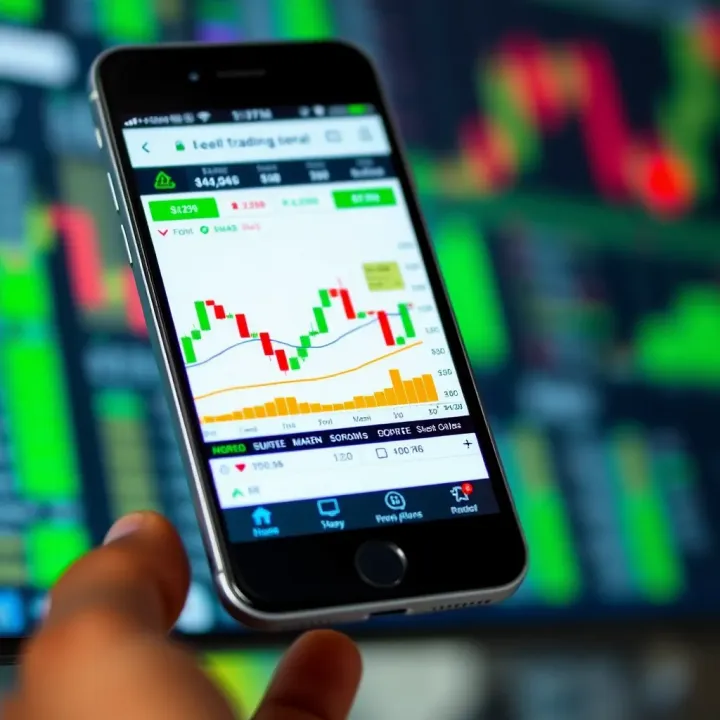
📱Explore top Forex trading apps in Kenya! Learn features, risks, regulations & smart tips to trade confidently in the mobile Forex market.💹

Explore effective forex trading strategies in Kenya 🇰🇪 including analysis, risk management, and psychology to boost your trading confidence and success 📈💡
Discover the best forex trading times in Kenya 📈. Learn how market hours, liquidity, and news impact currency pairs for smarter trades 🕒💹.
Based on 5 reviews