
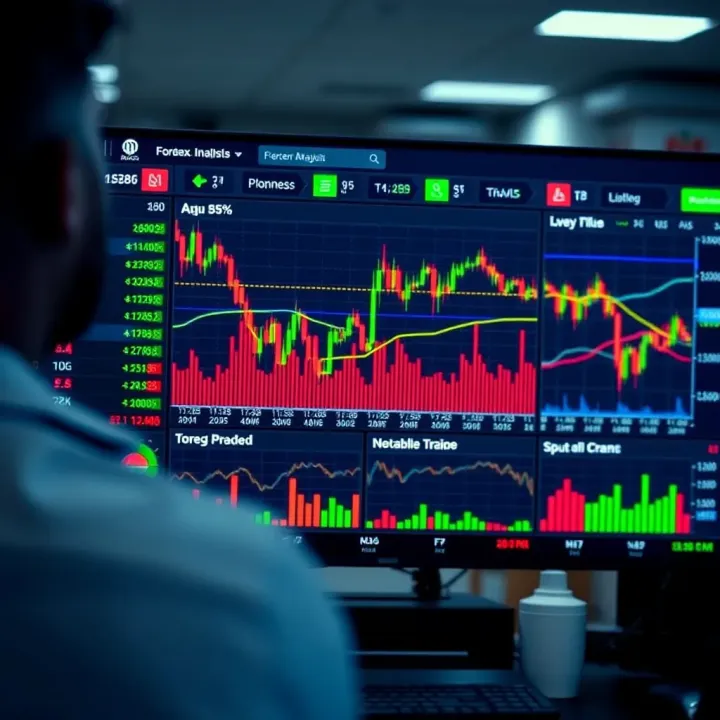
Choosing the Best Forex Trading Platform in Kenya
📊 Find the best forex trading platform in Kenya with our detailed guide on security, fees, ease of use, features, and local regulations for all traders.
Edited By
Liam Walker
Choosing the right forex trading platform can make all the difference for Kenyan traders looking to make smart moves in the global currency markets. With so many options available, it’s easy to get overwhelmed by the flood of platforms promising quick gains and easy navigation. However, not every platform suits every trader — especially when considering local needs such as payment methods, regulatory compliance, and market conditions.
Kenyan traders need platforms that support popular payment options like M-Pesa and offer seamless user experiences on mobile and desktop devices. Additionally, understanding how the Capital Markets Authority (CMA) licenses and oversees online forex platforms can protect you from scams and unregulated brokers.
Tip: Always verify that a trading platform is regulated by the CMA before depositing funds. This protects your capital and ensures that the platform follows Kenyan financial laws.
Platforms come in different types, from straightforward web-based interfaces perfect for beginners, to advanced software with tools for technical analysis favoured by experienced traders. Common platforms include MetaTrader 4 (MT4) and MetaTrader 5 (MT5), both popular for their charting capabilities and extensive support community, as well as broker-specific platforms tailored for Kenyan markets.
When assessing a forex platform, consider these key features:
User interface: Is the platform easy to navigate on both smartphones and computers?
Trading tools: Are there indicators, charting options, and risk management features?
Payment methods: Can you deposit and withdraw funds using M-Pesa or local bank transfers?
Costs: Look out for hidden fees, spreads, and commissions that can eat into profits.
Customer support: Is there prompt, localised assistance available in case issues arise?
By focusing on these elements, Kenyan traders can narrow down platforms that fit their trading style, budget, and security expectations. This guide will take you through these considerations in detail, helping you pick a forex trading platform that matches your ambitions and keeps your trading journey grounded on solid footing.
Understanding forex trading platforms is essential for Kenyan traders looking to navigate the currency market effectively. These platforms act as the gateway to forex trading, offering tools and interfaces that enable buying and selling of currencies. Knowing their features and differences helps traders pick platforms suited to their trading style, budget, and regulatory requirements.
For instance, a trader relying heavily on technical analysis will want a platform with advanced charting tools and custom indicators, while someone preferring quick, on-the-go trades might prioritise mobile access and fast order execution. Moreover, the platform you choose can influence your costs and security, which are crucial in Kenya's growing but sometimes risky forex market.
A forex trading platform is software that connects traders to the forex market and facilitates currency trades. It displays live currency price feeds, allows order placement, and provides analytical tools to help make informed decisions. Platforms may also offer features like real-time news, risk management controls, and access to account details.
Think of it as your trading desk where every tool you need to buy or sell currency pairs is at your fingertips. Without a reliable platform, even the best strategies might fall short due to slow response times or lack of critical data.
Desktop platforms are software programs installed directly on your computer, often providing the most comprehensive tools and fastest execution speeds. For example, MetaTrader 4 (MT4) and MetaTrader 5 (MT5) are popular desktop options among Kenyan traders due to their stable performance and wide range of indicators.
These platforms tend to offer deep customisation and support automated trading through expert advisors (EAs). However, they require a reliable PC and internet connection. Traders who prefer analysing charts in detail or running automated strategies usually favour desktop setups.
Web-based platforms run directly in your internet browser, eliminating the need for installation. This convenience allows traders to access their accounts from any device with internet access. Platforms like cTrader Web or broker-specific interfaces provide decent functionality without demanding high computer specs.
These platforms suit traders who move between devices or wish to avoid software updates. Still, they may lack some advanced features found in desktop versions and depend heavily on stable internet connectivity.
With many Kenyans relying on smartphones for internet access, mobile trading apps have become indispensable. They provide the flexibility to trade anywhere, whether during a commute on a matatu or while waiting in a queue.
Apps such as MT4 Mobile or broker apps with M-Pesa integration allow traders to execute orders, monitor positions, and even deposit funds seamlessly. While they offer less screen space for detailed charting, their convenience and immediacy make them ideal for active traders managing trades throughout the day.
Choosing the right type of platform depends on your trading habits and environment. Desktop platforms are powerful for intensive trading, web platforms offer accessibility, and mobile apps deliver flexibility on the move.
Understanding these options ensures you pick a platform that fits your needs and helps you trade confidently in the Kenyan forex landscape.
Choosing the right forex trading platform begins with understanding the key features essential for a smooth and profitable trading experience. These features determine how effectively traders can analyse markets, execute orders, and manage risks. For Kenyan traders, who often rely on mobile and desktop access, the platform's usability and reliability play significant roles.

A straightforward and intuitive user interface matters because it lowers the learning curve for new traders and saves time for seasoned ones. The platform should display charts, order windows, and account information clearly without clutter or confusing navigation. For example, MetaTrader 4 offers a clean layout where traders can quickly switch between different currency pairs or apply indicators without fumbling through menus. An easy-to-use platform prevents costly mistakes, such as misplacing orders, which can occur if buttons or functions are poorly arranged.
Charting tools are vital for visualising price movements and spotting patterns in the forex market. Good platforms provide multiple chart types—candlestick, line, and bar charts—along with options for timeframes from minutes to months. In practice, Kenyan traders use these charts to track trends or spot reversals on pairs like USD/KES before placing trades. Platforms with flexible charting also allow customisation of colours and overlays, improving clarity during analysis.
Technical analysis involves applying mathematical indicators and patterns to predict future price movements. Tools such as moving averages, Relative Strength Index (RSI), and Bollinger Bands help traders understand market momentum and potential entry or exit points. A forex platform that includes these indicators enables Kenyan traders to develop strategies tailored to their risk appetite and market conditions, avoiding guesswork and relying on data-driven decisions.
Managing risk is key in forex trading to protect capital during volatile swings. Features like stop-loss and take-profit orders let traders set automatic exit points if prices move against them or hit targets. Platforms may also provide alerts when certain price levels are reached. For Kenyan traders working with tight capital, these tools help prevent big losses, enabling better control over trades even when away from their screens.
The speed and reliability of order execution can directly impact profitability. Fast order execution ensures traders enter or exit positions at intended prices without unwanted slippage, especially during high volatility. Kenyan traders often operate across varying internet connections, so platforms must handle these discrepancies gracefully, offering reliable servers and backup systems. MetaTrader and cTrader, for example, are known for stable execution, which reduces delays common in less established platforms.
When picking a forex trading platform, prioritise features that enhance your ability to analyse, trade, and protect your funds efficiently. Reliable execution, clear interfaces, and useful tools make all the difference on the tough forex battlefield.
By focusing on these essential features, Kenyan traders increase their chances of making informed decisions and managing their forex investments with confidence and ease.
Costs and fees play a big role in choosing the right forex trading platform, especially for Kenyan traders who must manage every shilling carefully. Even small differences in spreads or withdrawal charges can add up over time, eating into your profits. Understanding these costs helps you pick a platform that keeps trading affordable and transparent.
Spreads refer to the difference between the buying price and selling price of a currency pair. Most platforms offer either fixed spreads or variable spreads. Fixed spreads stay the same regardless of market conditions, while variable spreads change depending on market volatility. For example, a platform might charge a fixed spread of 2 pips on the USD/KES pair, while another uses a variable spread that narrows to 0.5 pips during stable hours but widens during busy periods.
Some platforms also charge commissions on top of spreads. It's common to see platforms with narrow spreads but a commission per trade, say KSh 100 per lot. In contrast, others offer zero commission but have wider spreads. For Kenyan traders, the best choice depends on your trading frequency and style. If you trade a lot, paying many small commissions can become costly, so a wider spread might make more sense.
Understanding how spreads and commissions work ensures your trading costs don’t unexpectedly erode your gains.
Kenyan traders need to check how platforms handle deposit and withdrawal fees because this affects the ease and cost of getting money in and out. Some platforms support local services like M-Pesa, making deposits quick and cheap, sometimes free. Others might only accept bank transfers or international cards, which could attract charges and delays.
Withdrawal fees can also differ. A platform might charge a flat fee of KSh 300 for each withdrawal or a percentage of the amount. For instance, if you withdraw KSh 50,000 and the fee is 1%, you'll pay KSh 500 just to access your funds. Knowing these charges upfront helps avoid surprises. Also, keep an eye on minimum withdrawal amounts; some platforms set limits that might not suit smaller traders.
In summary, when considering costs and fees, Kenyan traders should weigh the impact of spreads, commissions, and withdrawal charges on their trading plans. Look for platforms with transparent pricing and payment options that fit your needs, especially those integrating popular local payment methods like M-Pesa.
When choosing a forex trading platform, Kenyan traders must prioritise regulation and security. The forex market, though promising, attracts unscrupulous platforms that may exploit traders through scams or poor fund management. Knowing that a platform operates under clear regulations provides a safety net, helping traders avoid fraudulent schemes and safeguard their investments.
One of the pillars of trust in forex trading is regulation by recognised authorities like Kenya's Capital Markets Authority (CMA). The CMA oversees forex brokers and trading platforms to ensure they comply with legal and ethical standards. By registering with CMA, platforms commit to transparent operations, fair pricing, and proper dispute resolution mechanisms.
For example, a CMA-regulated platform must keep client funds separate from its operational accounts, reducing the risk of misappropriation. This separation means that even if the broker faces financial troubles, client money remains protected. Additionally, the CMA can impose penalties or revoke licences if a platform breaches conduct rules. This regulatory oversight reassures Kenyan traders that their funds and rights have some legal protection locally. Without such approval, a platform operates without accountability, increasing the risks traders face.
The safety of your money and personal data hinges heavily on the platform’s security measures. Strong encryption protocols, like Secure Sockets Layer (SSL), protect your information when accessing online accounts or making transactions. This technology scrambles data between your device and the platform’s servers, ensuring that hackers cannot intercept sensitive details like passwords or banking information.
Without encryption, your login credentials or card details could be snatched, leading to theft or unauthorised trading activity. Kenyan traders using mobile data or public Wi-Fi, common when commuting in matatus or sitting at internet cafes, face higher security risks if platforms lack robust encryption.
Two-factor authentication (2FA) adds an extra layer of protection beyond username and password. With 2FA, logging in or confirming transactions requires a secondary code, usually sent via SMS or an authenticator app. This method means that even if someone manages to steal your password, they cannot get into your account without the second factor.
Kenyan platforms integrated with M-Pesa often use 2FA to verify payments and ensure transactions are genuine. For forex traders, enabling 2FA limits losses from hacked accounts and keeps trading activities secure from outsiders. It’s a simple step you can take that makes a big difference in protecting your funds.
Always verify that your chosen forex platform is regulated by the CMA and has strong security features like SSL encryption and two-factor authentication. Your hard-earned cash and private data depend on it.
In summary, regulation and security are not just formalities but practical shields for Kenyan traders venturing into forex. Checking these aspects carefully can help you trade confidently and safeguard your funds from avoidable risks.
Choosing the right forex trading platform is vital for Kenyan traders since it directly affects their ability to trade efficiently and securely. Popular platforms have earned trust through wide usage, solid features, and local payment support, making them practical choices. Understanding these platforms allows traders to pick tools that match their style and needs.
MetaTrader 4 (MT4) is by far the most popular forex platform globally and among Kenyan traders. It offers a simple but powerful interface that supports automated trading through Expert Advisors (EAs). For a beginner or seasoned trader, MT4’s flexibility in customising indicators and access to a wide range of currency pairs makes it a reliable workhorse. You’ll find that many brokers in Kenya still prefer MT4 because it balances ease of use with rich functionality.
MetaTrader 5 (MT5) builds on MT4 by offering added features like more advanced charting, additional timeframes, more order types, and access to a wider asset class beyond forex, such as stocks and commodities. It suits traders seeking deeper market analysis while still offering automation tools. Kenyan traders moving beyond basic forex might find MT5 more suited to their evolving needs. However, some brokers have yet to fully support MT5, so you should check availability before committing.
cTrader is a growing choice for Kenyan traders who want a more modern platform with advanced execution capabilities. It focuses on transparency and a cleaner user experience, with features like level II pricing and no dealing desk intervention. This platform appeals particularly to active traders and scalpers who need fast execution and tight spreads. Though less common than MT4/MT5, cTrader’s design and robust tools make it a solid alternative worth trying.
M-Pesa Integration is a game-changer for Kenyan forex traders. Platforms with M-Pesa payment allow seamless deposit and withdrawal of funds directly through the mobile money system familiar to most Kenyans. This removes the hassle of bank transfers or international cards and speeds up transaction processing. For instance, brokers offering M-Pesa support make it easier to fund accounts quickly during volatile market periods.
Bank Transfers remain a common payment method, particularly for larger sums. Kenyan traders can transfer funds directly from their bank accounts to their trading platform without relying on third-party services. While bank transfers can take longer, many brokers accommodate this method for those preferring traditional channels. It is important to consider transfer fees and processing times based on individual bank policies.
Using platforms that combine popular global software with local payment solutions like M-Pesa or direct bank transfers creates a smooth trading experience for Kenyan forex investors.
In summary, Kenyan traders should weigh the strengths of established software like MT4, MT5, and cTrader against the convenience of local payment options. This ensures both operational efficiency and easy access to forex markets.
Choosing the right forex trading platform goes beyond just features and costs; safety is key for Kenyan traders. Protecting your funds and personal details can save you from unpleasant losses. This section gives you practical tips to stay safe while trading and make informed decisions when picking a platform.
Starting with a demo account is one of the smartest moves you can make. A demo lets you trade with virtual money, giving you hands-on experience without risking your shillings. For example, platforms like MetaTrader 4 and MetaTrader 5 offer demo options where you can test strategies on live market data. This practise helps you understand order execution, charting tools, and platform navigation. It also reveals platform stability and speed under real market conditions before you commit your funds.
Taking time to read reviews and feedback from other Kenyan traders can be eye-opening. Online forums, social media groups, and dedicated review sites provide user experiences and alerts about any issues. If several users report slow executions or deposit problems with a platform, that’s a red flag. On the flip side, positive feedback on customer support and timely withdrawals suggests reliability. Look for recent comments since a platform’s service can improve or deteriorate quickly. Also, check if the platform is licensed by the Capital Markets Authority (CMA) to ensure it operates legitimately within Kenya.
Sadly, forex scams aren't rare, and novice traders often fall prey to flashy promises and unregulated platforms. One common scam is fake brokers who disappear once you deposit funds or run a Ponzi scheme selling fake forex courses. Always verify a platform’s regulatory status with the CMA. Avoid those that require huge upfront payments or pressures for rapid deposits. Use money transfer methods tracked locally, such as M-Pesa, for deposits and withdrawals to minimise risks. Never share your login details or passwords, and ensure you use platforms with two-factor authentication. A good practice is to confirm platforms have SSL encryption, visible as a padlock in the website address bar, which shields your data from hackers.
Staying cautious and informed helps you trade confidently. Use demo accounts, check real trader reviews, and always verify that your chosen platform respects Kenyan regulations and security standards.
Safe trading is about more than just picking a platform with fancy charts or low fees. It means protecting your investment, choosing trusted providers, and practising before betting real money. Keeping these tips in mind can safeguard your forex journey and let you focus on growing your forex knowledge and profits.
📊 Find the best forex trading platform in Kenya with our detailed guide on security, fees, ease of use, features, and local regulations for all traders.
Explore how to choose the right crypto trading platform in Kenya 🔍, with tips on security, fees, regulations, and trusted local options for smooth trading.

Explore the best forex trading apps in Kenya 🇰🇪. Learn how to choose safe platforms, understand key features, and follow local rules for smart mobile trading 📱💹.
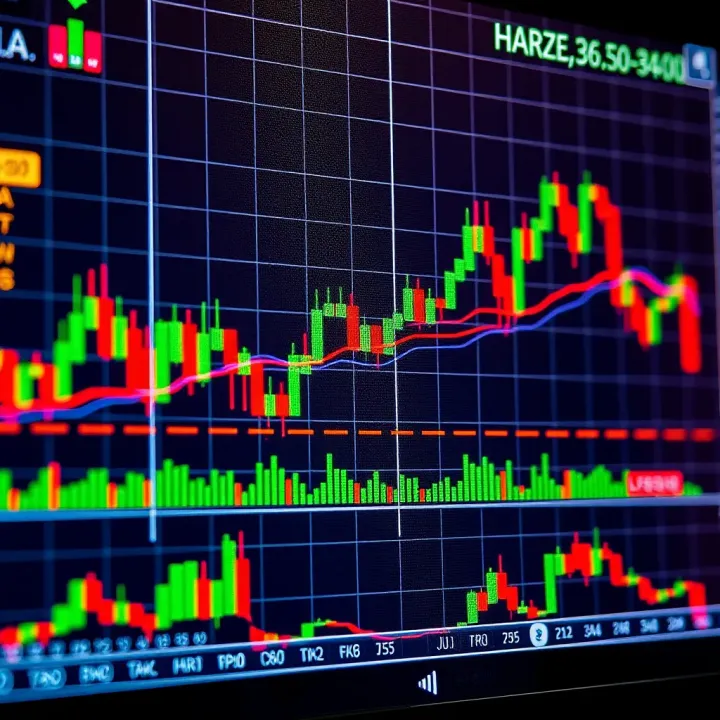
📊 Master Forex trading charts in Kenya! Learn to read patterns, choose time frames, and use indicators confidently for smarter currency trading decisions.
Based on 5 reviews