

Forex Risk Management for Kenyan Traders
Learn essential forex risk management strategies tailored for Kenyan traders 📊. Master position sizing, stop losses, and trading psychology for safer trades.
Edited By
Liam Walker
Risk management is often seen as a task for large companies with vast resources, but in reality, businesses of all sizes in Kenya stand to gain from a solid risk management plan. Whether you run a trading firm in Nairobi, a small agro-business in Eldoret, or a financial services outfit in Mombasa, a clear strategy to identify and handle risks can save you from costly surprises.
A risk management plan helps you spot potential challenges early and decide how to tackle them before they become full-blown problems. This includes anything from unexpected market shifts, fluctuating currency rates, to local disruptions like strikes or power outages. By having a well-documented plan, you’re not just reacting to threats; you’re positioning your organisation to make confident decisions with foresight.
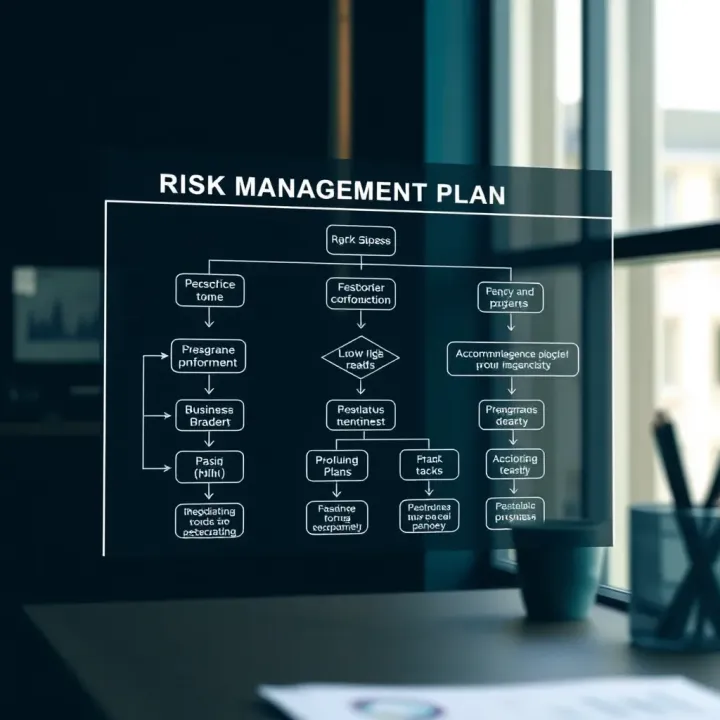
A practical risk management plan is like a roadmap — it guides you through uncertainties and helps you reach your goals safely.
To draft an effective plan, you need to understand the key elements involved. These include defining your business context, identifying relevant risks specific to your sector and location, assessing the chances and impact of each risk, and choosing appropriate measures to control them. Monitoring and reviewing the plan regularly ensures it stays relevant as conditions change.
For Kenyan businesses, common risks include currency fluctuations affecting import costs, unreliable infrastructure hindering supply chains, regulatory changes from government agencies like the Kenya Revenue Authority (KRA), and cyber threats targeting growing digital operations. Being aware of these risks and preparing responses can protect your investments and reputation.
In this guide, you’ll find straightforward steps and real-life examples tailored for the Kenyan market. It’s designed to help traders, investors, financial analysts, brokers, and educators understand how to build a risk management plan that isn’t just theoretical but actually works on the ground.
By the end, you should be able to put together a plan that not only shields your organisation from harm but also supports smarter, bolder business growth.
Knowing the fundamentals of a risk management plan is key for any business, especially in Kenya where the business environment presents unique challenges. This section introduces what a risk management plan is, its essential parts, and why it matters specifically for local traders, investors, and firms. Gaining this understanding lays the groundwork for developing practical strategies to protect your enterprise from unforeseen setbacks.
A risk management plan is a structured document that outlines how a business identifies, assesses, and addresses potential risks that could affect its operations. Its purpose is to prepare the organisation to manage threats proactively rather than reacting when problems arise. Think of it as a roadmap that guides how to reduce losses and seize opportunities safely.
For example, a Nairobi-based retailer may face risks like supply chain delays or theft. A risk management plan helps them anticipate and reduce such disruptions, ensuring business continuity.
The main parts of a risk management plan include risk identification, analysis, response strategies, and communication channels. Identification involves listing all possible risks. Then, the risks are analysed regarding their likelihood and potential impact. After this, the plan defines clear actions to mitigate, transfer, avoid, or accept those risks. Finally, it establishes how to report and update risk status within the team or to stakeholders.
These components work together like a chain, where skipping any link weakens the whole strategy. Including all ensures a practical, usable plan.
Having a risk management plan helps businesses stay one step ahead of problems that could cause financial losses or damage reputation. It saves money by preventing costly surprises and supports better decision-making through clear risk insights.
A small manufacturing firm in Mombasa, for example, might use its plan to secure raw material sources or buy insurance against transport delays. This readiness builds trust with clients and partners, helping the business grow steadily.
A good risk management plan isn’t just about avoiding danger; it’s a tool to strengthen your business for the future.
Kenya’s fast-changing and sometimes unstable business setting creates particular risks. These include political uncertainty around election periods, unreliable power supply, inflation affecting input costs, and disruptions caused by road closures or matatu strikes. Also, regulatory changes can catch businesses off guard if not properly monitored.
Such challenges mean every Kenyan business, large or small, faces risks that could quickly escalate if not controlled.
When risks go unmanaged, SMEs often suffer the most because of limited resources to absorb shocks. For instance, a jitney (informal minibus) operator facing frequent police harassment without a plan may lose daily earnings or even face revocation of permits.
Larger companies also feel the pinch—failure to address risks can lead to project delays, loss of market share, or hefty fines. Without a formal risk approach, these organisations might react late, increasing damage.
Ultimately, ignoring risk management jeopardises business survival and growth. Kenyan enterprises that embed practical risk plans boost their chances of weathering storms and seizing new opportunities confidently.
By focusing on these basics, businesses can build solid foundations to handle uncertainty and thrive in Kenya’s unique market.
Every robust risk management plan hinges on certain key elements that shape how an organisation anticipates, assesses, and handles potential threats. These components provide a clear structure, enabling businesses to allocate resources efficiently and respond timely. For traders and investors especially, understanding these elements translates to better decision-making and safeguarding assets against unforeseen shocks.
Recognising potential risks means spotting the possible issues that could disrupt business operations before they fully emerge. This isn’t just about obvious threats like theft or system failures but also subtle challenges such as supplier delays, fluctuating currency rates, or changes in regulatory policies. In Kenya’s dynamic business environment, even weather patterns during the long rains may affect distribution schedules, which can cascade into bigger problems if ignored early on.
To identify these risks reliably, businesses often use practical tools such as brainstorming sessions, SWOT analysis (strengths, weaknesses, opportunities, threats), and checklists tailored to their specific sectors. For example, a retail SME in Nairobi might assess risks related to matatu strikes impacting customer footfall or unreliable electricity causing downtimes during peak sales periods.
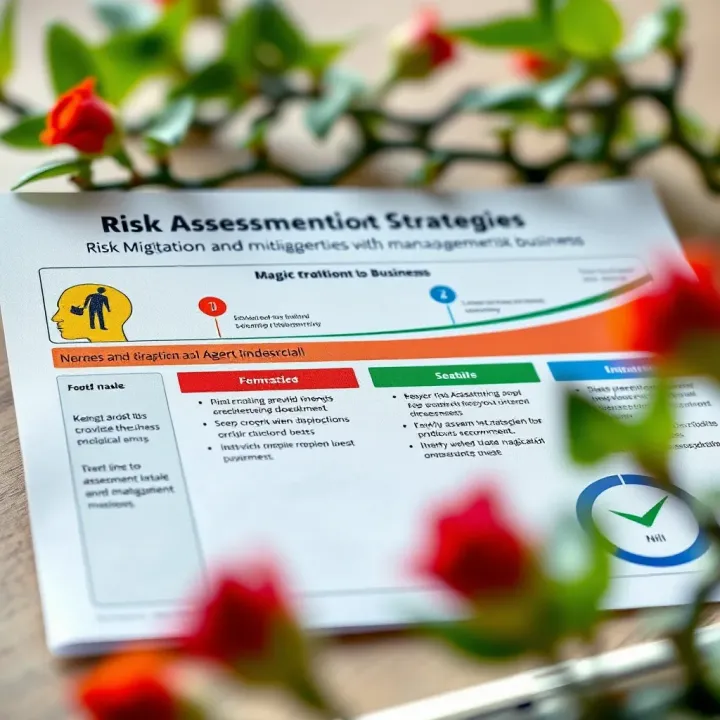
After identifying risks, assessing their likelihood and impact helps prioritise which ones deserve urgent attention. Likelihood measures how probable a risk event is, while impact gauges the severity of its consequences. A flood affecting stock delivery may have low probability but high impact, requiring customized planning.
Prioritising risks is crucial; it saves resources by focusing on those that can cause the most damage or are most likely to occur. Entrepreneurs might use simple scoring systems or matrices—for instance, rating risks on a scale from 1 to 5—to decide whether to address them immediately or monitor over time.
Mitigation involves taking steps to reduce either the likelihood or the impact of a risk. For example, ensuring multiple suppliers can reduce dependency, or installing backup generators can keep operations running through power outages. These measures often provide the most direct way to keep disruptions at bay.
Beyond mitigation, businesses can transfer risks to third parties through insurance or contracts, avoid risks by changing activities, or accept certain risks when the cost of mitigation outweighs the potential loss. For instance, an investor might accept minor currency fluctuations but insure against theft of physical assets.
Sharing the risk management plan with stakeholders ensures everyone understands their role and helps build accountability. Clear communication also fosters trust with investors, partners, and employees, who can feel secure knowing potential challenges are managed adequately.
Documenting the risk status means regularly updating records on identified risks and actions taken. Keeping accurate logs aids in monitoring progress and adapting plans when circumstances change. For example, monthly reviews might reveal that a new regulation increases compliance costs, prompting a revision in the plan.
A risk management plan is only as effective as the organisation's commitment to maintaining and communicating it. Without constant attention, even the best plans can become outdated.
This structured approach helps businesses across Kenya—whether a small shop in Kisumu or an investment firm in Nairobi—to navigate uncertainties more confidently and thrive sustainably.
A sample risk management plan tailored to a Kenyan SME brings practical clarity to the concepts discussed earlier. It helps business owners see how theory translates into everyday action, especially in typical settings like retail or services where risks are frequent and often unpredictable.
Using an example allows you to understand how to assess, prioritise, and respond to specific risks common in the Kenyan market. This practical approach avoids guesswork and directs efforts to where they matter most, saving time and resources.
Imagine a small retail shop located in a busy Nairobi neighbourhood. This business serves hundreds of customers daily, selling groceries, household items, and essentials. It relies heavily on reliable supply chains and local foot traffic to maintain steady sales.
The business is managed by one owner with a handful of employees, operating on tight margins typical of SME retail setups in Kenya. Its livelihood depends on consistent stock availability, security, and stable demand from the local community.
This retail business faces risks like theft by customers or staff, supply delays especially during rainy season when transport is tricky, and fluctuations in day-to-day sales influenced by changes in customer income or competition.
Additionally, power outages and occasional fuel shortages can disrupt operations, while informal levies from local authorities or unpredictable political gatherings can affect accessibility and sales.
The risk register lists typical threats, scoring them based on how likely they are and the potential impact. For example, theft might be rated as high likelihood and medium impact because losses can add up but don't usually close the business.
Supply delays from Nairobi's wholesale market might have moderate likelihood but high impact, as stock-outs hurt customer trust and sales directly.
This scoring guides attention to risks that can hurt business most, making the plan more focused.
Each risk has a response mapped out. Theft risk could be addressed by installing CCTV and training staff on honesty and vigilance. Supply delays might be managed by having backup suppliers or keeping safety stock.
Some risks, like power outages, could lead the owner to invest in a small generator or solar backup, showing practical steps beyond just noting the risks.
These responses show that managing risks means concrete actions, not just theory.
The plan should define how often risks are reviewed. For this SME, monthly reviews make sense because business conditions in Nairobi change rapidly, especially with economic shifts or changes in local regulations.
Frequent reviews help spot new risks or changes in existing ones before they cause major damage.
If the business expands to sell electronics, new risks like stock damage or theft might rise, so the plan must adapt. Also, after a rainy season causing major transport disruptions, supply strategies might need revision.
Regular adjustment keeps the plan relevant and useful, preventing complacency.
Having a sample plan grounded in local realities empowers Kenyan SMEs to turn risk management from an abstract idea into day-to-day practice that secures growth and protects hard-earned investments.
Developing a risk management plan is not just ticking boxes; it requires a clear, methodical approach to protect your business from unexpected challenges. This section guides you through practical steps to build a meaningful plan that fits your specific business context. Whether you are managing a small retail shop in Nakuru or an investment firm in Nairobi, these steps help you identify risks, analyse them, respond effectively, and maintain the plan’s relevance.
A solid risk management plan starts with the right people at the table. This means involving team members across different departments — from finance, operations, to sales and compliance. Including staff who understand day-to-day challenges ensures you capture risks that top management might miss. For example, a procurement officer might highlight supply chain delays that a director wouldn’t see immediately. When investors or board members join in, their strategic perspective helps balance practical and bigger-picture risks.
Next, collect as much relevant information as possible before identifying risks. This includes financial reports, project plans, past incident records, market trends, and regulatory changes. In Kenya, this might mean reviewing KRA tax updates or NHIF policy changes that impact costs. Well-grounded information helps avoid guessing and ensures your risk identification is accurate. For instance, a growing business should monitor inflation indicators and currency fluctuations as part of this data-gathering.
Identifying risks involves several techniques like brainstorming sessions, SWOT (Strengths, Weaknesses, Opportunities, Threats) analysis, and stakeholder interviews. These methods work well in Kenyan business setups, where informal chats and team huddles can reveal hidden risks such as unreliable suppliers or fluctuating demand during rainy seasons. Combining techniques allows a wider view — for example, using direct interviews with customers can reveal emerging risks related to product satisfaction or payment delays.
Once risks are spotted, analysing their likelihood and potential impact is critical. Assign scores or use simple categories (high, medium, low) to prioritise which risks need urgent attention. For example, the risk of power outages in remote areas might have a high probability but moderate impact if your business has a backup generator. This evaluation guides where to focus resources, ensuring your limited budget handles the most pressing threats first.
Response plans should clearly tackle each priority risk with the right action: mitigate, transfer, avoid or accept. Take a farming business prone to drought — mitigating by installing irrigation is proactive, while insurance purchase transfers financial impact. Avoidance might mean halting operations in high-risk regions during the dry season, whereas acceptance is viable for minor hiccups with low impact. Choosing the right action depends on cost, feasibility, and risk tolerance.
A plan is only as good as its implementation. Assign clear roles for who will carry out each response activity. For example, the finance team might handle insurance payments, while procurement ensures new suppliers are vetted to reduce supply risks. Clear accountability keeps the plan alive and prevents crucial tasks from slipping through cracks.
Risks evolve, especially in dynamic markets like Kenya’s. Schedule periodic reviews (quarterly or biannually) to refresh your risk assessment and response strategies. This avoids surprises like sudden regulatory changes or currency shocks. For instance, updating your plan after a new KRA tax regime or during the long rains ensures it stays aligned with realities.
Finally, use feedback from incidents or drills to improve the plan. If your supply chain disruption was not addressed properly, analyse what went wrong and adjust response measures accordingly. Kenyan businesses that embrace learning often recover faster from crises and build stronger risk resilience.
A risk management plan is a living document — it must grow with your business and the environment around it. Keeping it updated and involving the right people will help safeguard your investments and future-proof operations.
By following these steps carefully, you build a practical risk management plan that keeps your enterprise steady, even when challenges come knocking.
Managing risks effectively requires awareness of common mistakes that could weaken your plan. Avoiding these pitfalls ensures your risk management stays practical and useful, especially in Kenya’s dynamic business environment.
Emerging risks are new threats or changes that might not be obvious at first but can disrupt business operations if overlooked. For example, during the COVID-19 pandemic, many Kenyan SMEs didn’t anticipate how supply chain interruptions or changing consumer behaviour would impact them. Failing to watch for these shifting risks leaves your plan outdated and ineffective. Regularly scanning the business environment and getting feedback from frontline staff can help catch new risks early.
"A risk unnoticed is a risk unmanaged."
Sometimes well-meaning teams get caught up in making the risk management plan too detailed or technical. This can confuse users and slow decision-making, especially for SMEs with few dedicated risk officers. A complicated plan with endless tables and jargon risks being ignored or misunderstood. Instead, keep your plan clear and focused on the vital risks and practical responses. For instance, simple risk registers with clear likelihood and impact scales will do more than long-winded reports nobody reads.
No matter how good the risk management plan is, it won’t deliver results without proper communication. Often, businesses draft the plan but fail to share it in a way that resonates with all stakeholders, from managers to shop floor employees. For example, in a retail SME, if cashiers don’t understand how theft risks should be handled, the plan adds little value. Use accessible language, regular briefings, and visual aids like charts or posters to ensure everyone knows their roles and the current risk status.
In summary, staying alert to fresh risks, keeping your plan straightforward, and communicating clearly are key to effective risk management. Avoid these common pitfalls and your organisation will be better equipped to tackle challenges and protect its operations over time.
Learn essential forex risk management strategies tailored for Kenyan traders 📊. Master position sizing, stop losses, and trading psychology for safer trades.

📊 Learn financial risk management essentials in Kenya—identify, assess, and control risks using practical tools and best practices for business security.

Explore how Enterprise Risk Management frameworks help Kenyan businesses identify, assess, and manage risks 📊 for smarter decisions and stronger protection.

Explore practical risk management strategies 🛡️ for Kenyan businesses. Learn to identify, assess, and control risks with key tools and frameworks.
Based on 6 reviews