

Smart Forex Trading Tips for Kenyans
Explore effective forex trading strategies in Kenya 🇰🇪 including analysis, risk management, and psychology to boost your trading confidence and success 📈💡
Edited By
Charlotte Evans
Forex trading in Kenya is gaining momentum as more people seek ways to grow their savings beyond traditional banking. However, succeeding in this market requires more than luck—it demands practical strategies suited to local traders’ realities and disciplined risk management.
To start, understanding the basics of forex trading strategies is essential. For example, a Kenyan trader might focus on currency pairs involving the Kenyan shilling (KES) and major global currencies such as the US dollar (USD) or euro (EUR). This approach not only offers liquidity but also aligns closely with familiar economic indicators like CBK monetary policy decisions.

Successful forex trading hinges on blending sound strategies with consistent learning and cautious money management.
Technical Analysis Tools: Using indicators like moving averages, RSI (relative strength index), and Fibonacci retracement can help identify entry and exit points. For instance, spotting a bearish divergence on the USD/KES chart might guide a trader to avoid buying and possibly short the currency.
Fundamental Analysis: Kenyan traders should monitor economic data from the CBK, inflation rates, and political stability that influence currency strength. For example, an interest rate hike by CBK generally strengthens the shilling, offering clues to position trades accordingly.
Risk Management: Limiting risk per trade to a small percentage of one’s capital protects against heavy losses. Setting stop-loss orders based on volatility rather than arbitrary marks prevents emotional decisions that can drain accounts rapidly.
PDF resources offer ready reference materials that outline step-by-step trading plans, strategy checklists, and historical data examples. Kenyan traders can download PDFs covering:
How to read candlestick patterns common in forex charts
Setting up a trading journal for performance tracking
Detailed explanations of risk-reward calculations adapted to local contexts
Having such documents saves time and ensures a disciplined approach without needing to endlessly hunt for fragmented information online.
New traders often jump in without a plan, chasing quick profits. In contrast, experienced traders know when to step back from the market, avoid overtrading, and keep emotions in check.
Building a reliable forex strategy takes patience, testing, and adapting to changes both globally and within the Kenyan economic environment. With clear, practical steps and the right use of educational PDFs, traders can navigate the forex market confidently.
This introduction sets the foundation to explore more detailed strategies, risk controls, and practical examples tailored for Kenyan forex traders in the sections ahead.
Grasping forex trading strategies is fundamental if you want to trade effectively in the currency markets. A well-defined strategy acts as a roadmap that guides your trading decisions, helping you stay focused and disciplined rather than reacting emotionally to market swings. For example, a Kenyan trader who uses a clear strategy during volatile times—such as around major economic releases—can avoid rash decisions that often lead to losses.
Adopting a suitable forex strategy improves your ability to identify setups with favourable risks and clear exit points. That way, you can manage your capital wisely and avoid unnecessary exposure. Each strategy suits different market conditions, so understanding them well allows you to adapt and potentially profit in both trending and sideways markets.
A forex trading strategy is a systematic approach detailing how and when you enter or exit trades based on specific rules. This could be technical indicators, price action signals, or economic news events. Essentially, a strategy reduces guesswork by providing clear criteria. For instance, a trader might decide to buy when the 50-day moving average crosses above the 200-day moving average and sell when the opposite occurs. This simple rule keeps the trader from making impulsive moves.
Trend following is one of the most accessible strategies. It involves identifying when a currency pair is moving consistently in one direction—up or down—and trading along with that movement. For example, if the USD/KES pair is steadily rising due to positive US economic data, a trend follower buys and holds until signs of reversal show up. This strategy thrives on the idea that "the trend is your friend."
Such approaches work best in markets showing clear momentum, but they can suffer during sideways or choppy phases, where false signals abound.
Range trading focuses on currencies moving within a specific price band over a given time, bouncing between support and resistance levels. Take EUR/USD if it oscillates between 1.0500 and 1.0600 for several days—range traders buy near the lower boundary and sell near the top.
It's practical in stable market conditions where no strong trend emerges. However, traders must watch closely for breakouts, which can end the range quickly, causing losses.
Breakout strategies target moments when prices move beyond established levels of support or resistance, signalling a new trend might be starting. For instance, if GBP/USD has hovered below 1.2200 but suddenly spikes above that level, a breakout trader enters expecting further upward movement.
This method can yield big gains, but it carries risk because some breakouts fail and prices snap back, often trapping traders who entered too early.
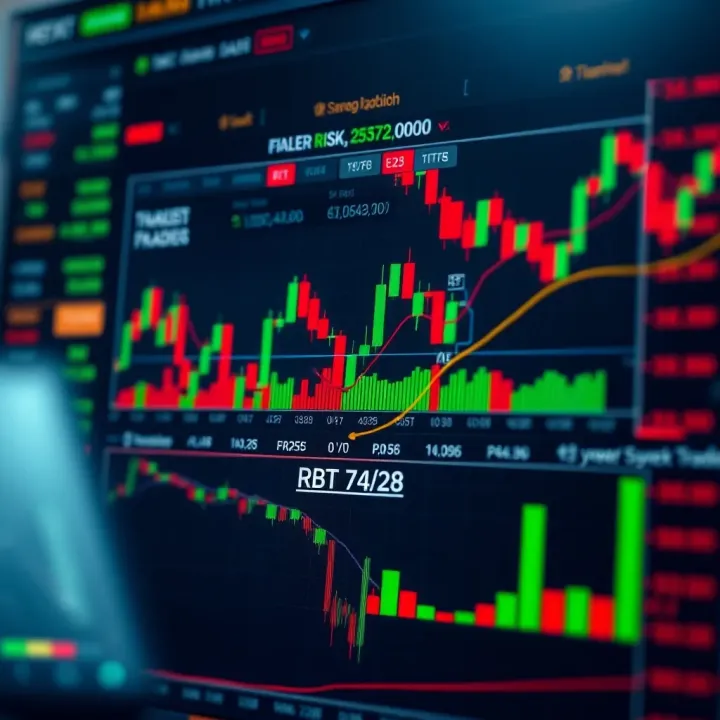
Scalping involves making numerous quick trades to capture small profits from minor price changes. A scalper might open and close positions within minutes, capitalising on tiny moves in pairs like USD/JPY.
While scalping can be profitable with high liquidity and tight spreads, it requires great focus, fast execution, and discipline to avoid accumulating losses.
Choosing the right forex strategy depends on your personality, time availability, and risk appetite. If you prefer steady, longer-term trades with fewer decisions, trend following or breakout strategies might suit you. On the other hand, if you enjoy fast-paced action and can stay glued to your screen, scalping could be a fit.
Consider your daily routine—traders with full-time jobs might lean towards range trading or swing trading that doesn’t require constant monitoring. Aligning strategy with your lifestyle helps maintain consistency and avoid burnout.
A forex strategy isn’t just rules on paper – it’s a tool to help you trade smartly and sustainably, balancing your strengths and market realities.
Understanding these basics provides a strong foundation to start experimenting and tailoring strategies that work best for your unique situation.
PDF guides have become a handy resource for many Kenyan traders aiming to deepen their forex understanding. These guides provide structured information that can be accessed offline, making them useful for traders who might not always have steady internet, especially outside Nairobi or other major towns. The real value lies in their clear layout of strategies, charts, and explanations, allowing you to revisit concepts at your own pace.
The market is flooded with forex PDFs, but not all are trustworthy. You want to prioritise materials from reputable institutions or experienced traders. For instance, look out for guides coming from recognised financial bodies or respected trading academies rather than random forums or personal blogs. The Central Bank of Kenya or the Kenya Bankers Association sometimes release educational materials that you can download safely. Also, some brokers operating in Kenya provide beginner to advanced trading manuals as PDFs. Always cross-check the author’s credibility and the date of publication — forex markets evolve, so older guides may contain outdated advice.
PDF guides often bundle several strategies and examples in one place, which makes them convenient for study. Unlike watching videos that require continuous attention or searching scattered articles, a PDF can serve as a reference you can highlight, annotate, or print. For example, a guide that explains trend-following strategies with step-by-step charts and real-market cases helps cement your understanding quicker. Besides, you can easily share PDFs among your trading group or community without worrying about internet reliance.
Reading a PDF is just the start; the key is practising what you learn. Start by backtesting the strategies outlined using demo accounts offered by brokers like FXPesa or Olymp Trade Kenya. If a PDF explains how to use moving averages for entry signals, try applying that on a demo platform before risking real money. Also, take note of suggested risk management tips in the guides and adopt them gradually. Don't expect overnight success; it helps to maintain a trading journal to track which PDF-contained strategies work best for your style. Remember, every trader’s context differs, especially considering factors like trading times and available capital in Kenya, so adapt the advice rather than following it blindly.
Effective use of PDF guides involves picking reliable sources, actively practising strategies, and adapting new knowledge to your personal trading environment.
Using PDFs well can boost your forex skills without needing expensive courses or constant online access. With a bit of discipline and critical thinking, these guides become your handy tutors in the world of trading.
In forex trading, using the right tools and understanding the main methods of analysis can make a big difference in your success. They help you identify market moves, manage risks, and set realistic trades. This section looks at key technical indicators and essential fundamental factors that Kenyan traders should consider.
Moving Averages provide a simple way to smooth out price data over a specific period, helping you spot trends more clearly. For instance, if a 50-day moving average rises consistently, it signals an upward market trend, making it easier for traders to decide when to enter or exit positions. Kenyan traders often use moving averages to confirm trends and avoid jumping in during short-lived price spikes.
Relative Strength Index (RSI) measures how fast and how much prices have changed recently, indicating whether an asset is overbought or oversold. An RSI above 70 means the currency might be overbought and due for a fall, while below 30 suggests it could be oversold and ready to rise. For example, when trading the USD/KES pair, if the RSI hits 75 after a strong rally, it might be wise to hold off buying.
MACD (Moving Average Convergence Divergence) combines moving averages to show changes in momentum. It signals potential buy or sell opportunities when its two lines cross or when the histogram reverses direction. A clear MACD crossover on the EUR/USD chart can warn a trader about an upcoming trend change, helping avoid costly late entries or exits.
Economic news plays a major role in forex markets as it affects currency strength. Data like Kenya’s inflation rate, interest announcements, or US nonfarm payroll figures can send shillings or dollars up or down sharply. For example, if the Central Bank of Kenya (CBK) surprises the market with a rate cut, the Kenyan shilling usually weakens against other currencies.
Central bank policies guide forex trends by setting interest rates and controlling money supply. When CBK signals tightening policy to fight inflation, traders expect stronger shilling performance. Similarly, the US Federal Reserve’s tone and action can cause sharp swings in the forex market, so it’s essential to watch these closely.
Geopolitical events tend to introduce volatility. Political uncertainty in Kenya around election time or trade disputes among global powers can shake forex prices. Traders should watch out for such events since they create opportunities but also increase risks. For instance, sudden unrest can weaken the shilling temporarily, opening chances for short-term trades.
Consistently combining technical indicators with fundamental understanding helps craft strategies that adapt to changing market conditions, a vital approach for any serious forex trader in Kenya.
By knowing and applying these tools, you’ll gain better confidence in your trades and make smarter decisions that fit local and global market forces.
Managing risks is a critical part of forex trading, especially for Kenyan traders who often have limited capital compared to global market players. Without proper risk management, your hard-earned shillings could quickly disappear on a single trade. The goal here is to protect your money while giving yourself room to grow steadily. Good risk management doesn't just save you in bad times; it helps you stay disciplined and stick with your strategies for the long haul.
A stop loss acts like a safety net that limits losses when the market doesn’t move your way. For example, if you enter a EUR/USD trade at 1.1200, placing a stop loss at 1.1150 means you’re willing to lose only 50 pips before exiting. This keeps one bad move from wiping out your account. On the other side, a take profit locks in gains by automatically closing a trade when the price hits your target. Say your take profit is at 1.1250; once it reaches this level, the trade closes, securing your profit. Without these limits, traders often let emotions take control, risking big losses or losing out on profits. Remember to set stop losses and take profits based on market volatility and your overall trading plan rather than guessing.
Position size determines how much money you risk on each trade and is vital to control losses. If you risk too much, even a small market dip can damage your portfolio significantly. A practical approach is the 1-2% rule, risking only 1 or 2 percent of your total capital per trade. For instance, with a trading account of KS00,000, risking 2% means you risk KS,000 per trade. If your stop loss is set 50 pips away, your position size needs to reflect that to limit your loss within KS,000. Tools like position size calculators can help you adjust quickly. This level of control keeps you in the game longer, letting you learn and improve without blowing up your account.
Leverage can amplify your profits but equally magnifies losses. Many brokers offer leverage ratios as high as 1:500 but using that kind of leverage without full understanding is risky. For example, with 1:100 leverage, a KS0,000 deposit controls KS,000,000 worth of currency. A small price movement against you can wipe out your margin fast. Kenyan traders must use leverage sparingly and understand the margin calls that come with it. Starting with lower leverage, like 1:10 or 1:20, often gives a safer cushion. Leverage should be a tool to increase efficiency, not a shortcut to quick riches.
Managing risks well is less exciting than chasing big wins but is the backbone of lasting success in forex trading.
By setting clear stop loss and take profit points, calculating position sizes carefully, and using leverage cautiously, you protect your capital and maintain control, making forex trading less of a gamble and more of a calculated effort.
Many traders, especially those starting in forex trading, fall into avoidable errors that can cost them both money and confidence. Recognising common mistakes helps you stick to your plan and maintain discipline, which are key for long-term success in the market.
Chasing losses happens when a trader tries to quickly recover from a losing trade by making bigger or more frequent trades. This desperation often leads to poor decision-making and bigger losses. For example, if you lose KSh 5,000 on a position, jumping into a larger trade hoping to recover fast can wipe out more than just the initial loss. Instead, it is wiser to step back, review the trade, and stick to your risk management rules.
Remember, healing a loss takes patience and not rushing into the market in panic.
Forex markets are sensitive to economic news, central bank announcements, and global events. Ignoring these conditions is a mistake that can lead to unexpected losses. Take the Kenyan shilling, for instance, which can be volatile around CBK interest rate decisions or election seasons. Not adapting your strategy to current market volatility or trends is like driving blindfolded—you never know what lies ahead. Make it a habit to check economic calendars and news to align your trades with the market environment.
Some traders believe complex strategies with dozens of indicators will guarantee profits, but overcomplication can cloud your judgement. A cluttered chart makes it difficult to spot clear signals, leading to doubts and missed opportunities. Consider a trader who uses five different oscillators, volumes, trend lines, and Fibonacci levels all at once; they might struggle to decide when to enter or exit. Keeping your strategy simple but effective, focusing on a few well-understood indicators, often yields better results.
To sum up, avoid these pitfalls by maintaining discipline, staying informed about market conditions, and favouring straightforward strategies. Forex trading rewards patience and clarity, not rushed moves or complicated setups.
In forex trading, sticking to a strategy without adjusting for new conditions can lead to stagnation or losses. Markets evolve, influenced by economic shifts, political developments, and changing trader behaviour. Therefore, continuously improving your forex strategy is vital for staying relevant and competitive.
A trading journal is more than just a record; it’s a powerful tool to identify what’s working and what’s not. Kenyan traders can track entry and exit points, trade size, market conditions, and emotional state during each trade. For instance, you might realise through your journal that you perform better trading during Nairobi’s daytime session due to better focus after breakfast. Tracking mistakes like ignoring stop-loss limits also helps in refining discipline. Over time, patterns emerge, allowing you to adapt your approach effectively.
Forex markets rarely stay static. A strategy that worked well during a stable economic period may falter during times of high inflation or political unrest. Suppose you trade USD/KES pairs; if the Central Bank of Kenya announces a change in interest rates, your trend-following strategy might need tweaking or a shift to breakout techniques to handle volatility spikes. Observing how different strategies fare under varying conditions helps you adjust stop losses, take profit targets, and even position sizes. This flexibility reduces exposure to unexpected market swings.
Connecting with seasoned traders and joining forex communities can accelerate your growth. Platforms like local trading forums or social media groups dedicated to Kenyan traders provide real-time insights and shared experiences. For example, a trader might share how they used technical indicators around major Kenyan economic data releases from the Kenya National Bureau of Statistics. Learning about fresh strategies, mistakes, and successes through discussion helps you avoid pitfalls and improve faster. This exchange proves invaluable in mastering nuances that PDFs or textbooks might not cover.
Continuous improvement in forex trading is a journey, not a one-time event. Keeping a journal, adapting to market shifts, and learning from others create a practical cycle for growth. Kenyan traders can turn these habits into a robust edge on the forex market.
By regularly reviewing your trades, staying alert to changing market contexts, and engaging with the trading community, you build resilience and sharpen your strategy. This ongoing process puts you a step ahead, helping to navigate the unpredictable forex terrain with confidence.
Explore effective forex trading strategies in Kenya 🇰🇪 including analysis, risk management, and psychology to boost your trading confidence and success 📈💡
📈 Master key binary trading strategies in Kenya with practical tips, risk management, and clear advice for smarter, confident trading decisions.

📈 Master effective Forex trading strategies like trend following, range trading, and breakout tactics to boost profits with smart risk management and clear goals.
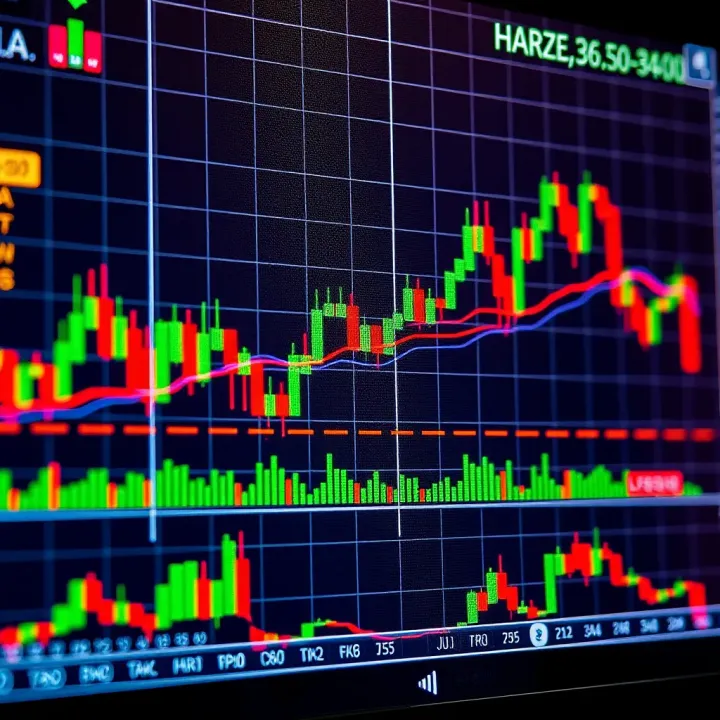
📊 Master Forex trading charts in Kenya! Learn to read patterns, choose time frames, and use indicators confidently for smarter currency trading decisions.
Based on 13 reviews