
Forex Trading Charts Guide for Kenyan Traders
📊 Master Forex trading charts in Kenya! Learn to read patterns, choose time frames, and use indicators confidently for smarter currency trading decisions.
Edited By
Charlotte Mitchell
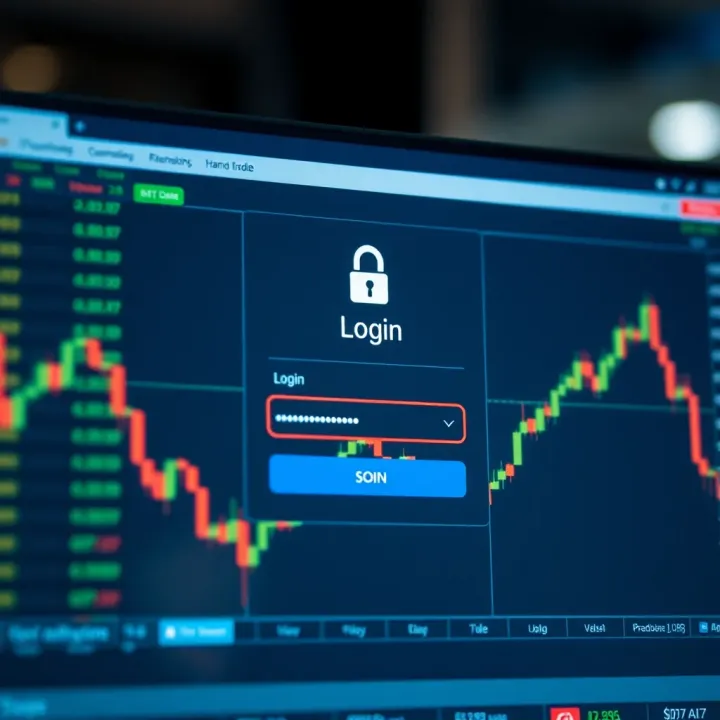
Getting started with forex trading in Kenya involves more than just having funds to invest. The first step is understanding how to log in to your trading platform securely and efficiently. This is the gateway to accessing live market data, placing trades, and managing your portfolio.
Forex trading platforms like MetaTrader 4, MetaTrader 5, and proprietary broker platforms require a straightforward login process, but without careful attention, traders risk compromising their accounts. While many Kenyan beginners focus on chart patterns and signals, the login step often gets overlooked but it’s vital for protecting your funds and personal information.
Here's what you need to know:
Account setup: Before logging in, ensure you have registered with a licensed broker, preferably one regulated by the Capital Markets Authority (CMA) of Kenya. During registration, you will receive login credentials — a username and password. Store these details safely.
Platform access: Most brokers offer desktop, web, and mobile versions of their platforms. Mobile access is popular in Kenya thanks to M-Pesa-enabled smartphones, allowing traders to check markets and execute transactions even while on the go.
Secure credentials: Use strong passwords combining letters, numbers, and symbols. Enable two-factor authentication (2FA) where possible, either through SMS or apps like Google Authenticator, to add another layer of protection.
Always avoid using public Wi-Fi networks for logging into your trading account, as these can be insecure and expose your credentials to hackers.
Navigating the dashboard: Once logged in, you’ll find real-time forex rates, your open positions, account balance, and order book. Familiarise yourself with these elements as they impact your trading decisions and money management.
Troubleshooting common login issues:
Incorrect password: Use the “forgot password” option through your broker’s website or app.
Account lockout: This can happen after multiple failed attempts — contact customer support promptly.
Server downtime: Occasionally, brokers perform maintenance; check announcements or wait a while.
Getting your login right from the start reduces hassles and lets you focus on trading with confidence. Next, we’ll explore step-by-step account setup and further tips on managing your forex interface effectively.
Grasping the forex trading login process is essential before you jump into active trading. This step is your gateway to the markets, and knowing how it works helps avoid unnecessary delays or security risks. For Kenyan traders, who often switch between devices like desktops and mobiles or use various internet connections, understanding login methods ensures smooth access.
Forex trading login refers to the procedure where traders enter their unique credentials—such as usernames and passwords—to access their trading accounts on a platform. Think of it as unlocking the door to your trading room where you view charts, place orders, and monitor transactions.
This login is not just a formality; it’s the first layer of defence protecting your funds and personal data. Without successful login, making trades or viewing market updates becomes impossible, keeping your investments safe but also requiring you to follow certain steps correctly.
The purpose of secure access to trading platforms revolves around protecting you from fraud, hacking, and other online threats. These platforms handle sensitive information including trading histories and bank details. For instance, if you use an unsecured Wi-Fi network and poor passwords, attackers can intercept your data or hijack your session.
Therefore, securing your login with strong passwords and additional measures like two-factor authentication (2FA) greatly reduces these risks. This is especially important in the Kenyan context, where digital scams can quickly wipe out small traders’ capital.
Forex platforms come in various forms, each suiting different trading styles and convenience levels.
Web-based platforms: These are accessed through browsers without installing software. Platforms like MetaTrader Web or proprietary web portals let you trade directly, which is handy if you move between different computers. For example, a trader in Nairobi may access the platform from a cybercafé or a friend’s laptop with ease.
Desktop applications: Installed on your computer, these platforms offer advanced tools, faster execution, and better customisation. MetaTrader 4 or 5 for PC is a common example, favoured by serious traders for charting features and automated trading bots. The downside is they need updates and limited portability compared to web-based platforms.
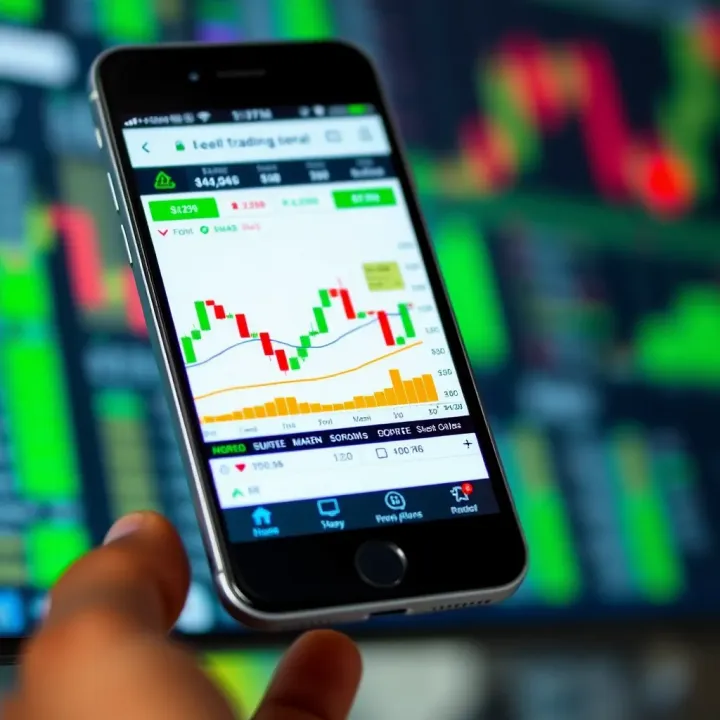
Mobile trading apps: With smartphone penetration growing rapidly in Kenya, mobile apps provide convenient on-the-go trading. Apps like MetaTrader Mobile or brokers’ own apps enable real-time market access, order management, and alerts. This suits busy professionals or those who commute in matatus but need to monitor their trades constantly.
Each platform type requires its own login credentials, so keeping track of these and understanding their features ensures you don’t miss market opportunities because of login confusion or technical hiccups.
Remember, your trading login is your financial gateway. Treat it as securely as your bank account to keep your forex ventures safe and successful.
Setting up your forex trading account is a vital step for anyone looking to tap into the world of currency exchange, especially here in Kenya where trading is gaining momentum. Getting this right ensures your access is secure and compliant with local regulations, which in turn protects your investments and builds confidence as you begin trading.
Choosing a licensed broker is the bedrock of a safe forex trading experience. In Kenya, it’s crucial to select brokers regulated by the Capital Markets Authority (CMA). Licensed brokers must follow strict rules that protect traders from fraud or unfair practices. For instance, a trader who signs up with a CMA-regulated broker can be assured their funds are kept separately, reducing the risk of loss in case the broker hits trouble.
Next comes verification of identity documents. Kenyan brokers typically require a National ID or passport, proof of address like a utility bill, and sometimes proof of income. This step isn’t just bureaucracy – it helps prevent identity theft and money laundering. For example, when you upload your documents on broker platforms, your account will be activated faster, allowing you to access deposits and start trading quickly.
Understanding regulatory requirements is also key. Kenya’s forex market has rules that support transparency and fairness. Traders should know the minimum deposit amounts brokers demand and any fees involved, which vary from broker to broker. Being aware of these regulations prevents surprises, such as unexpected charges or delays in withdrawing funds.
Passwords act like the front door keys to your trading account, so password strength matters a lot. Choose a combination of letters (both uppercase and lowercase), numbers, and symbols to make it hard for hackers to guess. Avoid obvious passwords like ‘password123’ or birthdates that may be easy targets. Securing your account this way minimizes the risk of unauthorized access.
Adding another layer, using two-factor authentication (2FA) greatly boosts account safety. With 2FA, once you enter your password, you’ll also need a code sent to your mobile phone or email. This double check means even if someone gets hold of your password, they’ll struggle to get in without the second factor — handy if you rely on mobile data like Safaricom’s 4G network for trading on the go.
Finally, never underestimate the need for safeguarding login details from phishing. Phishing attacks usually involve fake emails or websites pretending to be your broker. Always check the website URLs and never click on suspicious links asking for login info. For example, if you receive an email claiming to be from your broker asking to update your password via a link, contact your broker directly through their official site or customer service instead.
Always treat your forex login credentials as you would your bank information — with caution and care. Keeping them secure protects your money and personal data from cyber threats.
In summary, setting up your forex trading account properly and securing your login details go hand in hand. This prepares you to trade confidently and safely on Kenyan and global platforms.
Once you successfully log into your forex trading platform, the dashboard becomes your main interface for executing trades, monitoring markets, and managing your account. Understanding how to navigate this space efficiently can save you time and help you avoid costly mistakes. Kenyan traders, whether in Nairobi or Kisumu, rely on this dashboard to keep pulse of rapid market changes and manage their trading activities effectively.
Accessing live market data is vital for timely decisions. Once logged in, you'll find up-to-date prices for various currency pairs like USD/KES or EUR/USD streaming in real time. This information guides you on when to enter or exit trades. For example, if the dollar suddenly weakens against the shilling, the live data will reflect this shift immediately, allowing you to act swiftly.
Executing buy and sell orders is the core of forex trading. Your dashboard provides options to place market orders (immediate deals at current prices) or pending orders (set to trigger when the price hits a specific level). For instance, if you expect the euro to strengthen, you can place a buy order and monitor its progress. This feature simplifies the entire process, ensuring you don’t miss out on profitable moves.
Reviewing account balance and trading history helps you keep track of your trading performance. The dashboard shows your current account balance, margin levels, and unrealised profits or losses. Additionally, you can review past trades, which is useful for evaluating strategies and spotting errors. For example, checking your history might reveal that you often close positions too early, prompting a change in your approach.
Customising charts and indicators allows you to analyse trends better. Most platforms let you tailor chart types—like candlesticks or line charts—and apply indicators such as moving averages or Relative Strength Index (RSI). Kenyan traders often set up charts to reflect currency pairs they follow closely, adjusting colours and scales to their liking for improved clarity during analysis.
Managing watchlists for currency pairs means you can group your preferred pairs like GBP/KES, USD/JPY, or AUD/USD in one place. This setup speeds up monitoring by showing their prices side by side without navigating different screens. For a day trader in Mombasa, having a handy watchlist means no time is wasted fishing for rates before making a trade.
Setting alerts and notifications ensures you never miss important market movements. You can set price alerts to notify you via email or app whenever a currency hits a certain value. For example, if you’re targeting a sell at 110 KES per USD, an alert helps you act immediately, especially when you’re away from your computer. This feature brings convenience and helps execute strategies without constant screen-watching.
Mastering your trading dashboard after login transforms your approach from reactive to proactive, making the difference between success and disappointment in forex trading.
Accessing any forex trading platform smoothly is key to not losing out on precious trading opportunities. However, several common challenges can trip up even experienced traders. Being aware of these problems—and knowing how to fix them—helps keep your trading on track without unnecessary delays or risks. This section covers typical login hurdles you may face and offers practical solutions tailored for Kenyan traders.
Handling forgotten passwords is a frequent headache. Most platforms provide a straightforward "forgot password" option that sends a reset link to your registered email or phone. It’s crucial to keep direct access to these contacts to avoid lockouts. If you lose access to your email or phone number, contacting the broker’s customer support quickly can save you from being locked out for days.
When you try to guess passwords repeatedly or enter wrong credentials, your trading account may become locked or suspended temporarily. This security feature prevents unauthorised access but can be frustrating if you’re in a hurry. Usually, you need to verify your identity by answering security questions or submitting identification documents to regain access. Kenyan brokers typically respond promptly to such requests during business hours, so keeping copies of your KRA PIN and ID handy speeds up the process.
Browser or app compatibility issues can also interfere with logging in. Some trading platforms work best on specific browsers like Chrome or Firefox and may not support older versions. Mobile apps might require a minimum Android or iOS version. Regularly updating your browser and trading app avoids glitches. Also, clearing cache or cookies often fixes unexpected login failures. If the platform still won’t load, switching devices temporarily—say from your laptop to mobile—can be a handy workaround.
Recognising phishing attempts remains a vital skill. Phishers send fake emails or messages pretending to be your broker, asking for login details or personal data. Kenyan traders should watch out for misspelled URLs, generic greetings, or urgent demands for password resets. Always log in via your broker’s official website or app rather than clicking on random links.
Protecting against malware means keeping your devices clean. Keyloggers and spyware can steal every keystroke, including passwords. Running regular antivirus scans and avoiding downloads from untrustworthy sites protects your trading information. It’s common for malware infections to happen through shared or public computers, so steer clear of logging into trading accounts from non-personal devices.
Lastly, using the importance of secure internet connections cannot be overstated. Public Wi-Fi hotspots, common in Kenyan cafés or malls, expose your login data to hackers on the same network. When trading, especially with large sums, favour private networks or use mobile data. Virtual Private Network (VPN) services offer an added layer of encryption if you often trade away from home.
Always prioritise secure access and proper troubleshooting steps to avoid missing market moves or exposing your trading account to unnecessary risks.
By understanding these login challenges and solutions, Kenyan traders can protect their accounts and enjoy a smoother forex trading experience.
Managing your forex trading login with care goes beyond just getting access to your account. It ensures your investments and personal data stay safe, especially as cyber threats grow more common. Practising good login management helps prevent unauthorised access which could lead to financial loss or identity theft. For traders and brokers in Kenya, where internet café use and shared devices are common, adopting strong security habits is particularly relevant.
Changing your password occasionally strengthens your account's security. You should do this at least every three months or immediately if you suspect any suspicious activity. For example, if you receive alerts from your broker about unsuccessful login attempts, it's time to update your credentials. Password updates should involve creating a new, complex password rather than minor tweaks to the old one.
Reviewing your credentials periodically involves checking all login details linked to your trading account. This includes your password, security questions, and linked email addresses. By doing so, you catch outdated contact information or weak password patterns that might make your account vulnerable. For instance, if your old email associated with the account is no longer secure or active, updating it can help you receive timely security notifications.
Avoid logging into your forex trading account using public Wi-Fi networks, such as at cafés or bus stages, because they often lack robust security. Hackers can intercept data over these connections, potentially capturing your login details. Instead, use a personal, secure internet connection or a trusted VPN service to protect your data.
Password managers come in handy for storing complex passwords securely without the need to remember each one. Using a reputable password manager app can generate strong passwords and autofill them only on trusted websites. For a Kenyan trader juggling multiple platforms like Safaricom M-Pesa, banking apps, and forex accounts, this tool simplifies security management.
Backing up login information safely means keeping copies of your passwords and two-factor authentication (2FA) codes in a secure place. This could be a physical notebook kept under lock or an encrypted digital file. The goal is to avoid total lockout in case you forget or lose access to your credentials. Losing a login without backup can mean missing time-sensitive trading opportunities or failing to respond quickly to market changes.
Good security habits in managing your forex login protect not just your money, but also your confidence in trading decisions. Simple daily precautions can save you from costly troubles.
By regularly updating your credentials, using secure technology practices, and backing up your information, you make your trading experience in Kenya safer and more reliable. These steps are practical ways to keep pace with today's risks and trading demands.
📊 Master Forex trading charts in Kenya! Learn to read patterns, choose time frames, and use indicators confidently for smarter currency trading decisions.
📱Explore top Forex trading apps in Kenya! Learn features, risks, regulations & smart tips to trade confidently in the mobile Forex market.💹
🔒 Learn how Kenyan traders can safely manage binary trading login, avoid risks, solve common problems, and protect their accounts with smart tips.
Explore effective forex trading strategies in Kenya 🇰🇪 including analysis, risk management, and psychology to boost your trading confidence and success 📈💡
Based on 9 reviews