
Understanding Binary Bots in Trading
Explore how binary bots work in trading 🤖, their pros and risks⚖️, key features, legal tips⚖️, and top platforms for smarter binary options.
Edited By
James Whitaker
Binary bots are computer programmes designed to automate trading on binary options platforms. They use pre-set rules and algorithms to make decisions on when to buy or sell assets like currencies, stocks, or commodities. These bots aim to reduce human emotion from trading and improve efficiency by executing trades faster than any individual could.
At the heart of binary bots is the trading algorithm. This algorithm analyses market data such as price movements, trends, and volume to identify potential trading opportunities. It runs complex calculations based on technical indicators like moving averages or Relative Strength Index (RSI) before signalling whether to open or close a trade.
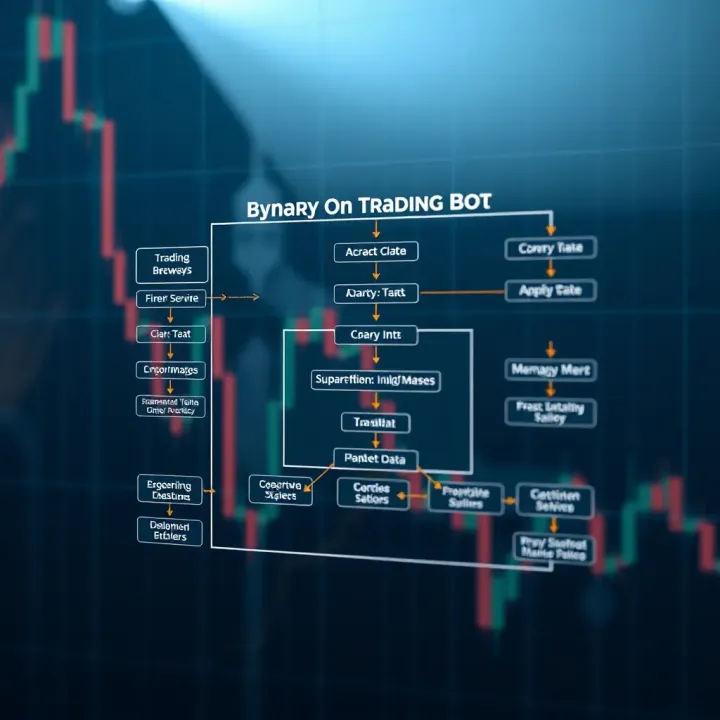
Risk management is another key element. Bots often include features like stop-loss limits and trade size controls to prevent big losses. For instance, a bot might be programmed to stop trading if losses reach a certain percentage of the trader’s capital, protecting funds from severe damage in volatile markets.
While binary bots automate trading, it's vital to remember that no system guarantees profits. Markets can be unpredictable, so understanding the bot’s settings and risks is essential.
Binary bots operate in various ways, ranging from requiring user input to fully automated trades based on live market data. Some use historical data to ‘learn’ patterns, adjusting their strategies over time, similar to how a skilled trader refines techniques after experience.
In Kenya’s trading community, these bots have gained attention for managing trades on platforms accessible via mobile devices, using networks like Safaricom’s. Traders appreciate the ability to execute timely trades without being glued to their phone or computer.
Common concerns around binary bots include reliability and legality. It’s important to acquire bots from trustworthy sources and ensure compliance with local regulations to avoid scams or breaches. The Capital Markets Authority (CMA) in Kenya monitors trading activities, so traders should confirm their tools meet regulatory standards.
To sum up, binary bots combine algorithm design, market analysis, and risk controls to automate trades. They serve as useful tools when properly used but require informed oversight to navigate the risks involved.
Understanding the basics of binary bots is essential for anyone wanting to leverage automation in binary options trading. These bots are computer programmes designed to execute trades automatically based on pre-set rules and algorithms. Kenyan traders, for example, who engage in short-term binary options markets, can benefit from using bots to remove the emotion and delay often associated with manual trading.
A binary bot is essentially an automated trading system specifically tailored for binary options. It analyses market data and executes trades without manual intervention. Unlike traditional trading software that may require constant monitoring, a binary bot can work around the clock, scanning for trading opportunities based on programmed indicators or market conditions.
For instance, a bot might be configured to trade on currency pairs like USD/KES or EUR/USD, executing buy or sell orders within seconds when certain technical signals meet predefined criteria. This automation removes the risk of missing out on market moves due to late decision-making or human error.
The primary goal of binary bots is to enhance trading efficiency and consistency. They are used to speed up decision-making and help manage multiple trades simultaneously, something difficult for a human trader to do reliably.
In practical terms, traders use these bots to:
Automate trade entries and exits based on algorithmic signals, saving time and effort.
Implement risk management by defining stop-loss and take-profit levels automatically.
Run backtests on past market data to check the potential effectiveness of trading strategies.
A Kenyan trader, for example, could use a bot to trade commodities like coffee or tea futures, which are popular export products, without needing to be glued to a computer all day. The bot’s ability to act on precise rules also helps avoid emotional decisions, which often lead to losses.
Automated trading through binary bots provides a practical edge by consistently applying trading rules and reducing human errors, especially in fast-moving markets.
In summary, knowing the basics of binary bots helps traders understand how these tools work, what to expect from them, and how they can fit into their overall trading approach. This knowledge forms the foundation needed to explore more complex aspects such as algorithm design, risk controls, and legality discussed later.
Binary bots rely on several key components and technology to automate trading decisions effectively. Understanding these parts helps traders grasp how the system analyses markets and executes trades quickly, often faster than a human can.
At the heart of every binary bot is an algorithm — a set of instructions programmed to scan market data and make trading choices. These algorithms often use programming languages like Python or JavaScript, which can handle complex calculations and data processing. For example, an algorithm might be programmed to identify specific trends or price patterns that usually signal a uptrend or downtrend in asset prices.
These bots operate with predefined rules, such as "buy call options if the moving average crosses above the price," or "sell put options if volatility rises beyond a certain level." A well-designed algorithm is not just about pattern recognition; it also needs to manage timing and execution speed. For instance, spotting a price movement and quickly placing a trade before the market shifts is key in binary options trading.
Further, programming includes backtesting – running the algorithm on historical data to evaluate performance before going live. This process helps traders avoid costly mistakes and improves the bot’s reliability under Kenyan market conditions, which can be quite volatile.
Binary bots depend heavily on data inputs to make informed decisions. Common data sources include real-time price feeds, trading volumes, and economic news releases. Some bots integrate technical indicators like Relative Strength Index (RSI), Bollinger Bands, or MACD to support their analysis.
For example, a bot might monitor the NSE 20 Share Index using live data from the Nairobi Securities Exchange to decide whether the market is trending upwards, then act accordingly. Besides technical data, some bots also parse fundamental data, such as interest rate announcements from the Central Bank of Kenya, which can affect asset prices instantly.
Multi-source data analysis enhances decision accuracy. Bots can combine multiple indicators – like checking both RSI and volume changes – before triggering a trade. This layered approach helps reduce false signals common in volatile markets.
Successful binary bots blend robust algorithms with diverse, timely data inputs. This combination enables swift, precise trading actions that manual methods can rarely match.
Overall, the technology and components behind binary bots are designed to create a practical, automated trading system. Kenyan traders should focus on bots whose algorithms match their trading goals and use reliable data channels suited to local market conditions.
Binary bots base their trading actions on a set of programmed rules designed to analyse market conditions quickly and react accordingly. This ability to decide without human hesitation is critical for seizing short-lived opportunities in binary options trading, where timing is everything. Understanding how these decisions come about helps traders grasp both the potential benefits and risks involved.
Signal generation is the initial step where the bot scans market data to identify promising trade opportunities. For example, a bot might track currency pairs like USD/KES, looking for specific patterns such as moving average crossovers or RSI (Relative Strength Index) levels reaching overbought or oversold zones. When the bot detects these predefined signals, it flags potential trades.
Once a signal is confirmed, the bot proceeds to trade execution almost instantly. This means it places the trade on the chosen binary options platform without delay, which is faster than any human could manage. Fast execution is especially useful during market volatility, such as around Kenyan economic announcements or during NSE trading hours, where prices can shift sharply within seconds.
Effective signal generation and prompt trade execution can increase the chances of capturing profitable entry points, but they depend heavily on the accuracy of the data and the precise logic coded into the bot.
Decision-making isn't only about knowing when to buy or sell; managing risk is equally important for long-term success. Binary bots often incorporate money management rules that limit the amount invested per trade, commonly a small percentage of the total trading capital to avoid heavy losses. For instance, a bot might risk only 2-5% of a trader's KSh 100,000 account on any single trade.
Stop-loss limits or trade expiry times can also be programmed into the bot. This ensures that trades close automatically if they move against expectations at a certain point, helping shield the trader from full capital wipeouts. Some bots diversifiy their approach by spreading trades across different assets or expiry durations to reduce exposure.
Good binary bots also adjust their tactics based on recent performance. If a series of losses occurs, the bot might reduce trade sizes or pause trading temporarily until favourable conditions arise again. Without such risk controls, even the most sophisticated bots can drain an account fast during rough market patches.
In summary, the decision-making process in binary bots combines rapid data analysis with strict money management. Traders looking to use these tools should ensure the bot’s strategies align with their own risk tolerance and keep monitoring performance to make timely adjustments.
Assessing the reliability and risks of binary bots is vital for any trader considering automated binary options trading. These bots, while powerful, come with challenges that can significantly impact your capital if not properly understood. Evaluating their performance helps you avoid losses caused by poor algorithm design or deceptive practices. This section gives you practical insight into what limits the effectiveness of these bots and how to spot potential fraud, protecting your hard-earned savings.
Binary bots often promise fast gains but have clear limitations rooted in their design and market conditions. First, they rely heavily on historical data and predefined algorithms that may fail during unexpected market swings. For instance, during sudden political events or economic shocks, the bot’s model may not adapt quickly, leading to wrong trades.
Another challenge is the false sense of control. Many users think bots eliminate risk completely, but in reality, they only automate decisions based on preset criteria. Bots do not understand market sentiment or news influence fully, which means manual oversight is still necessary.
Additionally, many binary bots lack transparency. Traders might not know the exact logic or data sources used, making it difficult to trust the recommendations. A practical example is when a bot continues to place trades despite a series of losses without adjusting its strategy.
The binary trading world has seen numerous scams where fraudulent bots are sold with unrealistic profit claims. These bots may not execute trades at all or steal personal and financial information. For example, some fake platforms mimic reputable brokers but manipulate signals to drain user accounts.
To protect yourself, always verify the bot vendor’s reputation. Look for reviews on trusted Kenyan trading forums or groups, and check if the software is compatible with licensed platforms such as those recognised by the Capital Markets Authority (CMA). Avoid giving away your M-Pesa PIN or bank details directly to bot sellers.
Be cautious of bots that promise guaranteed returns or require large upfront fees. Trustworthy bots usually offer trial periods and clear information on their strategies.
Practically, you can reduce risk by:
Testing bots on demo accounts before using real money
Setting strict stop-loss limits even when using automated trading
Keeping your trading accounts separate from other financial services
In summary, while binary bots can simplify trading, knowing their limits and potential risks is essential. Careful evaluation and cautious use protect you from common pitfalls and exploitation in the binary options market.
Understanding the legal and regulatory environment in Kenya is essential for anyone using or considering automated trading tools like binary bots. The laws ensure traders operate within safe boundaries and protect them from scams or financial losses caused by unregulated platforms. Kenyan regulatory authorities, particularly the Capital Markets Authority (CMA), keep close watch on financial technologies and trading activities to promote transparency and fairness.
In Kenya, the CMA primarily oversees securities and investment-related activities, including automated trading platforms. While there is no specific law solely governing binary bots, the use of such tools falls under general regulations around trading and financial services. For instance, any trading platform or software providing investment advice or executing trades must be registered and licensed by the CMA.
Platforms that operate without proper authorisation face penalties and can be shut down. This means traders should verify that their chosen binary bot providers comply with Kenyan regulations before engaging their services. Some firms attempt to operate offshore or without registration, which can expose users to significant risks, including fraud or lack of recourse if problems arise.
Additionally, Kenya's Consumer Protection Act offers some safeguard by requiring transparency from service providers, but it does not cover all aspects of complex financial tools. For example, traders must be cautious when claims promise instant profits through automated bots without explaining risks, as these may be misleading.
To stay on the right side of the law, traders need to do a few practical things. First, confirm the binary bot or trading platform holds a valid licence from the CMA or another recognised regulatory body. This prevents engagement with unregulated or fraudulent operators, which are prevalent in the region.
Second, read all terms and conditions carefully, especially clauses about automated trading, risk disclosure, and fund withdrawal. Traders should also keep records of all transactions and communications as proof of their dealings.
Third, traders must monitor their accounts and trades regularly even when using automated bots. Overreliance on bots can lead to losses if market conditions shift suddenly or if the bot malfunctions.
Finally, it helps to consult with financial advisors or regulatory experts when in doubt. The CMA periodically issues public alerts and guidelines on new trading technologies, so staying informed through their announcements can protect traders from emerging threats.
Traders using binary bots in Kenya must balance innovation with caution, ensuring they comply with regulations to protect their investments and avoid legal troubles.
Knowledge of Kenya’s evolving regulatory landscape around automated trading tools gives traders a clearer view, helping them make smarter and safer decisions in an industry that is fast-changing and sometimes risky.
Explore how binary bots work in trading 🤖, their pros and risks⚖️, key features, legal tips⚖️, and top platforms for smarter binary options.
🤖 Discover the best binary bots for trading. Learn how they work, spot scams, customize settings, and use them wisely to boost your trading game.

🤖 Explore forex trading bots: how they work, their benefits, risks, and tech. Get practical tips for Kenyan traders on choosing and using these automated tools.
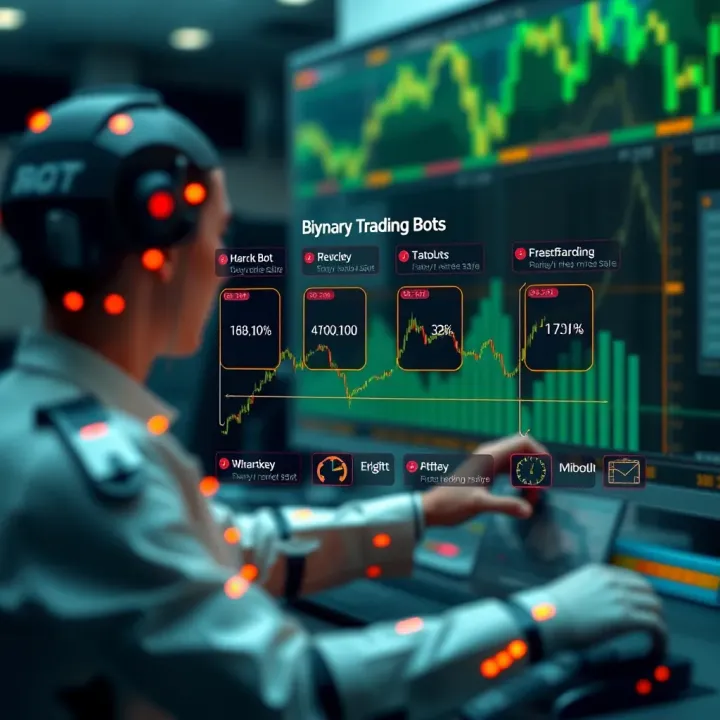
🤖 Explore how binary trading bots operate in Kenya's markets, their benefits, risks, and tips for responsible use to make smarter trading decisions.
Based on 12 reviews