
Forex Trading Charts Guide for Kenyan Traders
📊 Master Forex trading charts in Kenya! Learn to read patterns, choose time frames, and use indicators confidently for smarter currency trading decisions.
Edited By
Emily Thornton
Forex trading, or foreign exchange trading, involves buying and selling currencies to make a profit. In Kenya, this market attracts many individuals looking to grow their capital beyond traditional investments like stocks or real estate. However, understanding how forex trading actually works is essential before jumping in.
The Kenyan forex market functions like any other global currency market but with some local peculiarities. Trades happen over-the-counter through platforms operated by brokers, often regulated by the Capital Markets Authority (CMA). This regulatory oversight aims to protect investors from fraud, although risks remain.
Here's how it basically works: currencies are quoted in pairs, such as USD/KES (US Dollar to Kenyan Shilling). Traders speculate on whether one currency will strengthen or weaken relative to the other. For example, if you expect the US dollar to rise against the shilling, you buy USD/KES. If the dollar indeed gains value, you sell back for a profit. Conversely, if the dollar drops, you lose money.
Kenyan traders usually access this market through online platforms by brokers like HotForex, XM, or local brokers with CMA licences. These platforms provide real-time pricing, charts, and tools for analysis. To start, you typically open an account with a deposit—sometimes as low as KSh 5,000—though some brokers require more.
Forex trading carries significant risks due to high leverage, volatile pricing, and market unpredictability. It's not a get-rich-quick scheme but can be profitable with discipline, sound strategies, and risk management.
To summarise:
Forex trading in Kenya involves speculating on currency pairs like USD/KES.
Trades happen on online platforms via regulated brokers.
Starting capital varies but can be accessible to many with as little as KSh 5,000.
The CMA regulates brokers and offers some protection but doesn’t eliminate risks.
Understanding these basics gives Kenyan traders a grounded start to exploring forex trading wisely and safely.
Forex trading is increasingly relevant in Kenya as more individuals and businesses look to diversify their income sources and protect against currency risks. Understanding the basics can help traders make informed decisions and avoid common pitfalls. This section explains what forex trading entails, how it works globally and in Kenya, and key elements every trader should know.
Basic concept of foreign exchange: At its core, forex trading involves buying and selling currencies from different countries. It’s like exchanging Kenyan shillings for US dollars or euros, but on a much larger scale and with the goal of profit. Unlike physical currency exchange at a bureau de change, forex trading happens electronically through platforms where traders speculate on the price movements of currency pairs.
Currency pairs involved in trading: Forex trading always involves pairs of currencies, such as USD/KES (US dollar against Kenyan shilling) or EUR/USD (euro against US dollar). The first currency in the pair is called the “base currency,” while the second is the “quote currency.” When you buy a pair, you’re buying the base currency and selling the quote currency, aiming to profit if the base strengthens.
How currency values change: Currency values fluctuate due to several factors, including economic data, political events, and market sentiment. For instance, if Kenya’s economy shows strong growth, the Kenyan shilling may appreciate against the dollar. Forex traders watch these indicators closely to anticipate price moves. Even small changes can mean a profit or loss since trades are often done in large volumes or with leverage.
24-hour market and major trading centres: The forex market operates 24 hours a day from Monday to Friday due to global time zone differences. Major trading hubs include London, New York, Tokyo, and Sydney. This nonstop action lets Kenyan traders access the market at their convenience, even outside regular business hours.
Role of brokers and traders: Brokers act as intermediaries, providing the platform for individuals and institutions to trade forex. Traders use these platforms to place orders, access charts, and set trading limits. In Kenya, choosing a trustworthy broker is vital. Brokers registered with the Capital Markets Authority (CMA) offer an added layer of security and compliance, reducing the risk of fraud.
Kenya’s access to the forex market: Though Kenya does not host a forex exchange centre, Kenyan traders participate fully via online brokers. Access depends on internet connectivity and payment methods. The rising availability of mobile money services like M-Pesa makes funding forex accounts easier. Traders here follow global price quotes, but local factors like KSh volatility can influence trading strategies.
Trading forex in Kenya offers opportunities but requires solid understanding of both global markets and local economic influences. This foundational knowledge prepares traders for the practical steps ahead.
Understanding the forex trading framework in Kenya is vital for anyone wanting to navigate this market safely and effectively. The framework outlines the rules, regulations, and structures that govern forex trading, making sure that traders operate within legal boundaries and have some level of protection. This clarity helps traders avoid scams and choose genuine platforms, which is especially important in a market that can be quite volatile.
The Capital Markets Authority (CMA) is the key regulator overseeing forex trading activities in Kenya. It issues licences to brokers who want to offer forex services locally and monitors their compliance with financial laws. For example, brokers regulated by CMA must hold client funds separately and provide transparent trading conditions. This reduces the risk of fraud and gives traders assurance that their transactions are professionally supervised.
Regulatory guidelines ensure that forex brokers act fairly and maintain adequate capital to cover their operations. CMA mandates clear communication of trading costs, margin requirements, and the risks involved. These rules prevent brokers from using aggressive marketing or misleading information. As a trader, you benefit because regulated brokers offer dispute resolution mechanisms and are regularly audited to keep their systems secure.
Before trading forex legally in Kenya, individuals typically need to comply with identification and tax regulations. Proper KRA PIN registration and verification are often required by brokers for account setup and payouts. Moreover, brokers usually request proof of identity and address to comply with Kenyan and international anti-money laundering laws. Being aware of these requirements upfront helps traders avoid account delays or closure.
Choosing a reliable broker involves checking their regulatory status with CMA and other international bodies like the Financial Conduct Authority (FCA) or Australian Securities and Investments Commission (ASIC). You should also study trading conditions such as spreads, leverage options, and withdrawal processes. For example, a broker that offers tight spreads and quick withdrawals through M-Pesa tends to be more trustworthy and convenient for Kenyan traders.
Popular trading platforms in Kenya include MetaTrader 4 (MT4) and MetaTrader 5 (MT5), known for their user-friendly interface and advanced charting tools. Some brokers offer localised customer support in Kiswahili or English and enable deposits and withdrawals via M-Pesa and bank transfers. These features improve the overall trading experience by combining global standards with local payment convenience.
Local brokers typically understand the Kenyan market better and offer payment options ideal for residents, such as Lipa Na M-Pesa integration. However, international brokers might provide wider asset choices and stricter global compliance. That said, international brokers may have longer withdrawal times and higher currency conversion costs. Comparing both helps you pick the one that suits your trading style and practical needs best.
For Kenyan traders, knowing the regulatory framework and selecting the right broker are foundational for a smooth trading experience. This framework not only shields traders but also promotes trust and transparency in the forex market.
Starting forex trading in Kenya is an important step for anyone keen to explore the currency market. Understanding the basics of opening a trading account, the types available, and the strategies beginners should adopt can help avoid common pitfalls and increase the chances of success.
The first step involves choosing the right account. Most brokers offer accounts tailored to newcomers or experienced traders. For example, a "standard" account requires a higher initial deposit and provides access to more features such as higher leverage or lower spreads. Meanwhile, a "mini" or "micro" account lets you trade smaller amounts, which is ideal for beginners looking to test the waters without risking too much capital.
Kenyan traders should also look out for Islamic or swap-free accounts if they follow certain religious practices. Choosing the appropriate account type relates directly to how much you want to invest and your comfort with risk.
Before trading, brokers require identification documents to comply with Kenya’s regulatory framework under the Capital Markets Authority (CMA). Typically, you'll need a valid national ID or passport, proof of address like a utility bill not older than three months, and sometimes a bank statement. These help brokers verify your identity and protect against fraud.
Verification can take a few days depending on the broker's process. It's wise to prepare these documents beforehand to avoid delays in starting your trading.
Once verified, funding your trading account is next. Many brokers operating in Kenya accept local currency deposits through popular payment options such as M-Pesa or bank transfers. Using KSh to fund your account avoids unnecessary currency conversion fees and speeds up transactions.
For example, a trader could deposit KSh 50,000 via M-Pesa Paybill linked to their forex account. Quick and local payment methods like these make managing your trading capital much easier without relying on international transfers.
Learning to read market trends is crucial. A trend reflects the general direction of price movement over time—either upward (bullish), downward (bearish), or sideways. For instance, recognising that the USDKES pair is on a steady decline over several days allows you to plan trades accordingly.
Spotting trends helps you avoid trading against the market flow, which is a common mistake among newcomers.
Both forms of analysis provide insight into forex markets. Technical analysis focuses on charts, patterns, and indicators to predict price movements. Using tools like moving averages or RSI (Relative Strength Index) can help identify entry or exit points.
Fundamental analysis looks at economic data and events, such as Kenya’s GDP growth figures, Central Bank of Kenya interest rate announcements, or US Federal Reserve policies, which influence currency values globally.
Combining these methods grounds your trading decisions in both data and market behaviour.
Protecting your capital is key to trading longevity. Stop-loss orders automatically close a trade at a specified price to limit losses if the market moves against you. For example, if you buy EURUSD at 1.1000 and set a stop-loss at 1.0950, your position will close if the price falls to 1.0950, preventing further loss.
Stop-losses help manage emotions and keep losses within a manageable range, especially important for new traders still learning market volatility.
Starting strongly comes down to setting up your account properly, understanding how the market moves, and always protecting your investment. Taking these practical steps makes forex trading in Kenya less daunting and more manageable.
This grounding prepares you well for the next stages, including deeper strategies and mastering tools, all of which are essential in navigating Kenya’s growing forex market efficiently.
Forex trading in Kenya offers opportunities, but it's not without significant risks. Understanding these challenges helps traders avoid costly mistakes and navigate the market with greater confidence. Knowing what dangers to watch out for can protect your investment and keep your trading on safer ground.
Market volatility and currency fluctuations pose a real threat to forex traders. Currency prices can shift rapidly due to economic news, political events, or central bank decisions. For instance, the Kenyan shilling often reacts to changes in agricultural exports or interest rate announcements by the Central Bank of Kenya. Such swings mean a trade can turn profitable or lose value within minutes. It’s important for traders to keep an eye on economic calendars and regional developments because surprises can spark sharp moves.
Leverage risks and margin calls are another key concern. Forex brokers often offer high leverage, which lets you control a bigger position than your deposit. While this can multiply your gains, it also magnifies losses. A small adverse move can wipe out your initial investment and trigger a margin call, where the broker demands more funds or closes your positions automatically. For Kenyan traders, this risk intensifies when the shilling weakens suddenly against major currencies like the US dollar. Managing leverage wisely is essential to avoid getting caught out.
Scams and unregulated brokers present a widespread challenge in Kenya’s forex scene. Some brokers operate without licenses or proper oversight, enticing traders with promises of quick profits or unusual bonuses. These entities may disappear with client funds or manipulate trades unfairly. Kenyan authorities like the Capital Markets Authority (CMA) have issued alerts about such dishonest operators. It's vital to deal only with brokers licensed by the CMA or reputable international regulators to protect your money.
Verifying broker licences should be your top priority before you start trading. Check if the broker is approved by the Capital Markets Authority (CMA) in Kenya or has recognition from respected bodies like the Financial Conduct Authority (FCA) in the UK. This verification shields you from fraudulent schemes and ensures the firm meets standards on transparency, fund security, and fair trading.
Using demo accounts for practice allows you to get hands-on experience without risking real money. Most brokers offer demo platforms where you can simulate live trading with virtual cash. This helps you learn the trading software, test strategies, and build confidence before going live. For Kenyan traders, using demo accounts can also clarify how local payment methods and currency pairs work on the platform.
Sticking to a clear trading plan keeps emotions in check and curbs impulsive decisions. This plan should outline your entry and exit points, risk tolerance, and how much capital you’re willing to lose on a trade. Following a disciplined strategy reduces exposure to unpredictable market swings and helps preserve your funds when the market turns. Many successful Kenyan traders credit their steadiness and patience for their consistent returns.
Navigating forex trading in Kenya requires awareness of specific risks and practical ways to manage them. Being cautious and well-prepared can make the difference between losses and long-term success.
This section aims to guide you through the challenges forex trading poses locally so you can trade wisely and with due care.
Successful forex trading in Kenya requires more than just understanding the market basics; it depends heavily on using the right tools, staying informed, and handling transactions efficiently. Local traders benefit greatly from resources tailored to Kenya’s environment and the integration of mobile payment solutions that fit the daily realities of Kenyan investors. These practical tips help one to navigate the forex space while managing risks and maximising gains effectively.
Forex education platforms and courses in Kenya provide valuable knowledge tailored to local traders’ needs. Several institutions and online platforms offer courses covering everything from fundamental analysis to advanced trading techniques. For example, courses from Nairobi-based training centres and online programmes through brokers like HotForex Kenya help traders understand market behaviour within regional and global contexts. These educational resources are particularly useful for those starting out or looking to sharpen their trading skills without falling prey to misinformation.
Mobile apps and software for trading are essential for Kenyans since they allow easy access to markets anywhere and anytime. Popular platforms like MetaTrader 4 (MT4), MetaTrader 5 (MT5), and localised apps with M-Pesa integration facilitate smooth trading activities. The ability to execute trades quickly, track live charts, and receive news updates on mobile devices gives traders an edge, especially those who rely on smartphones rather than desktop setups. This accessibility helps maintain consistent market engagement despite daily commuting or work commitments.
Community forums and mentorship options play a key role in Kenyan forex trading culture. Forums such as local Facebook groups, WhatsApp trading circles, and specialised mentorship from experienced traders provide peer support and knowledge sharing. Joining these communities allows traders to exchange insights on market movements, broker reliability, and trading tips. Mentorship, in particular, helps newcomers navigate challenges and avoid common traps by learning from seasoned practitioners’ real experiences.
Funding and withdrawing with M-Pesa has transformed forex trading in Kenya, making transactions swift and secure. Many brokers now accept M-Pesa deposits, allowing traders to fund accounts instantly without relying on complicated bank transfers or international payment gateways. Withdrawals via M-Pesa also offer convenience, enabling traders to access their profits directly on their mobile money wallets at any time.
Advantages of using local payment options extend beyond convenience. Using M-Pesa and other local payment systems reduces transaction costs and delays typically associated with international banks or card payments. It also aligns with the cash flow patterns of most Kenyan traders, especially those who operate small-scale operations or side hustles. This flexibility accommodates both seasoned investors and casual traders looking for efficient payment solutions.
Handling currency conversion costs is an important consideration because forex trades usually involve foreign currencies like USD, EUR, or GBP. When funding accounts with KSh through M-Pesa or bank transfers, traders should watch the exchange rates and any fees applied by brokers or payment providers. Some brokers offer favourable conversion rates or waive fees if using specific local payment methods, which can save money over time. Awareness of these costs helps traders plan capital deployment and avoid unexpected deductions that eat into their margins.
Remember, practical success in forex trading comes from combining solid education, well-chosen tools, supportive communities, and smart money management using local payment options that suit Kenya’s unique financial landscape.
📊 Master Forex trading charts in Kenya! Learn to read patterns, choose time frames, and use indicators confidently for smarter currency trading decisions.
📱Explore top Forex trading apps in Kenya! Learn features, risks, regulations & smart tips to trade confidently in the mobile Forex market.💹

Explore effective forex trading strategies in Kenya 🇰🇪 including analysis, risk management, and psychology to boost your trading confidence and success 📈💡
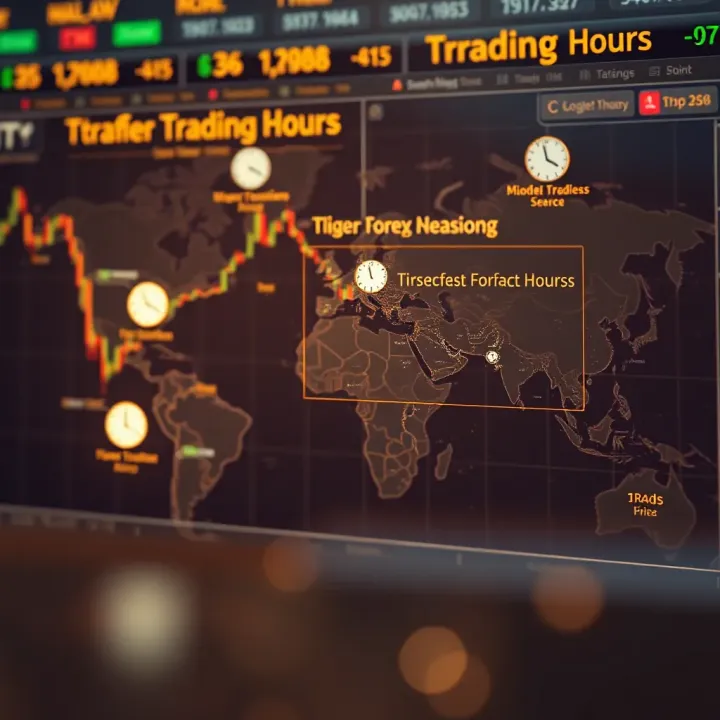
Discover the best forex trading times in Kenya 📈. Learn how market hours, liquidity, and news impact currency pairs for smarter trades 🕒💹.
Based on 15 reviews