

How to Convert Binary to Hexadecimal Easily
🔢 Learn how to convert binary numbers to hexadecimal with easy steps, practical examples, and clear explanations essential for digital data handling.
Edited By
Laura Morgan
Binary fission might sound like a fancy term from a sci-fi flick, but it's actually the everyday way many simple cells make copies of themselves. Think of it as nature's own copy-paste function, but for single-celled organisms. This process isn't just interesting biology trivia—it keeps ecosystems ticking and has real-world impacts, especially in medicine and environmental science.
Understanding how binary fission works is key for anyone dealing with microorganisms, whether you're an educator explaining life’s basics or an analyst watching bacteria that might affect investments in biotech.
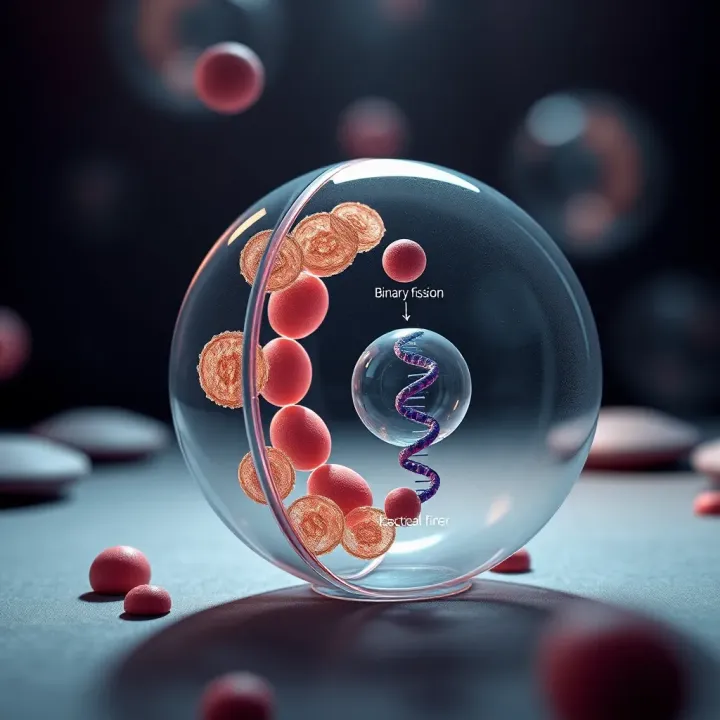
In this article, we'll break down the steps that a typical cell undergoes during binary fission. We’ll look at which organisms use this method, why it's such a reliable form of reproduction, and how it stacks up against other ways cells divide. We'll also examine why this process matters: from its role in causing infections you’ve probably heard about, to its importance in lab research and the biotech markets.
Knowing the nuts and bolts of binary fission means better grasp of some of the most common—and sometimes troublesome—players in the microscopic world.
Expect clear examples and practical info you can apply, whether you're guiding students or making sense of bio-related trends impacting financial decisions.
Binary fission plays a key role in understanding how many simple organisms reproduce quickly and efficiently. For traders, investors, and educators interested in biology or even biotech industries, grasping this concept gives insight into microbial growth patterns, which can impact everything from healthcare markets to environmental studies.
Binary fission isn’t just a biological curiosity; it’s a primary driver behind the rapid multiplication of bacteria. This process influences antibiotic resistance and ecological balance, which investors tracking pharmaceutical developments or biotechnology startups should consider carefully.
Asexual reproduction means an organism can reproduce on its own, without needing a partner or genetic mixing. In binary fission, a single cell splits into two identical cells, essentially cloning itself. This simplicity makes the process incredibly fast, with some bacteria doubling every 20 minutes under ideal conditions.
Understanding asexual reproduction helps clarify how populations can explode overnight, such as in food spoilage or infections like urinary tract infections caused by Escherichia coli. For those in healthcare or agriculture investments, knowing this mechanism can guide product development or risk assessment.
Unlike sexual reproduction, which mixes genetic material from two parents creating diversity, binary fission produces clones of the original cell. It’s straightforward, skipping the mating dance altogether. This means genetic variation arises mostly through mutations rather than recombination.
For financial analysts or educators, contrasting these two systems highlights why binary fission leads to rapid population growth but potentially lower adaptability compared to sexually reproducing organisms. This difference can influence how resistant bacterial strains develop and spread.
Back in the late 17th century, Antonie van Leeuwenhoek peered through his handcrafted microscopes and became one of the first to spot tiny bacteria multiplying. However, it wasn’t until the 19th century that microbiologists like Robert Koch identified binary fission as the method behind bacterial proliferation.
This discovery laid the groundwork for germ theory and modern microbiology, unveiling how diseases could spread through these fast-reproducing cells. For investors in healthcare, it marks the origin of understanding infections, fueling today’s antibiotics and diagnostics sector.
Binary fission remains a cornerstone concept in microbiology because it explains how bacterial populations expand so rapidly—a real headache for infection control and antibiotic development. It also provides a model system in laboratories to study cell cycles, genetics, and molecular biology.
Understanding binary fission is vital for anyone involved in drug development, public health policy, or bioengineering. It directly impacts how we combat antibiotic resistance, design new medicines, and predict bacterial behavior in ecosystems or industrial processes.
In short, grasping binary fission offers practical benefits across medical, environmental, and commercial fields, making it a fundamental concept for professionals looking to connect biology with real-world challenges.
Understanding the biological process behind binary fission is key to grasping how simple cells reproduce so efficiently. This process breaks down the steps a cell takes to copy itself, making sure that genetic material is correctly duplicated and split. For anyone dealing with microbiology, health, or environmental sciences, knowing this process offers insight into bacterial growth, antibiotic resistance, and even biotechnological applications.
DNA replication is the first critical step in the process. Before a cell can split, it must make an exact copy of its DNA. For example, in Escherichia coli, the circular chromosome duplicates starting at a specific spot called the origin of replication. This ensures each new cell receives a full set of genetic instructions. Without accurate DNA replication, daughter cells could end up faulty, unable to survive or function properly.
Cell growth and resource accumulation go hand in hand with DNA replication. The cell doesn't just copy its DNA; it also needs to grow bigger and gather enough nutrients to support two cells instead of one. This involves synthesizing proteins, enlarging the cell membrane, and storing energy reserves. Think of it as packing and preparing your suitcase before a trip – you can’t just split without the essentials ready in each bag.
Once preparation is complete, the cell moves into the division phase, which consists of three main steps:
Segregation of DNA: After DNA replication, the two copies of the DNA molecule must move apart toward opposite ends of the cell. Proteins like ParA and ParB help in this positioning within bacterial cells, preventing genetic materials from getting tangled or misplaced.
Formation of septum: The septum is essentially a new wall that starts to build down the middle of the cell. In E. coli, this involves proteins like FtsZ forming a ring structure where the cell will pinch in. This acts like a drawstring, pulling the cell membrane and wall inward to create two separate compartments.
Cytokinesis completion: The final pinch-off happens here, fully separating the two daughter cells. This step requires coordinated action to close off the septum and make sure no gaps remain. Resulting daughter cells emerge identical and ready to start the cycle again.
Understanding these steps is crucial for anyone working with bacterial cultures or studying how illnesses spread. For example, rapid division via binary fission explains how infections can escalate quickly if not controlled.
By paying close attention to these biological mechanisms, professionals from educators to medical researchers can better predict bacterial behaviors and design treatments or strategies accordingly.
Binary fission is a fundamental process that powers the reproduction of many single-celled organisms, making it essential to understanding life at its most basic level. These organisms aren't just small—they play huge roles in ecosystems, industry, and health sectors worldwide. By studying which organisms rely on binary fission, we can better grasp how populations grow rapidly and adapt, which is vital for fields from environmental science to medicine.
Bacteria like Escherichia coli (E. coli) and Staphylococcus aureus reproduce through binary fission. E. coli, found in the intestines of warm-blooded animals, serves as a model organism in labs for studying cell division because of its rapid and straightforward replication process. Meanwhile, S. aureus is notorious in hospitals due to its antibiotic-resistant strains, showcasing how binary fission can speed up the spread of resistance.
This replication method allows bacteria to quickly colonize environments, which can be a double-edged sword—it aids beneficial bacteria but also fast-tracks harmful infections. For professionals in healthcare and microbiology, understanding this rapid reproduction is key to developing strategies to manage bacterial growth and combat diseases.
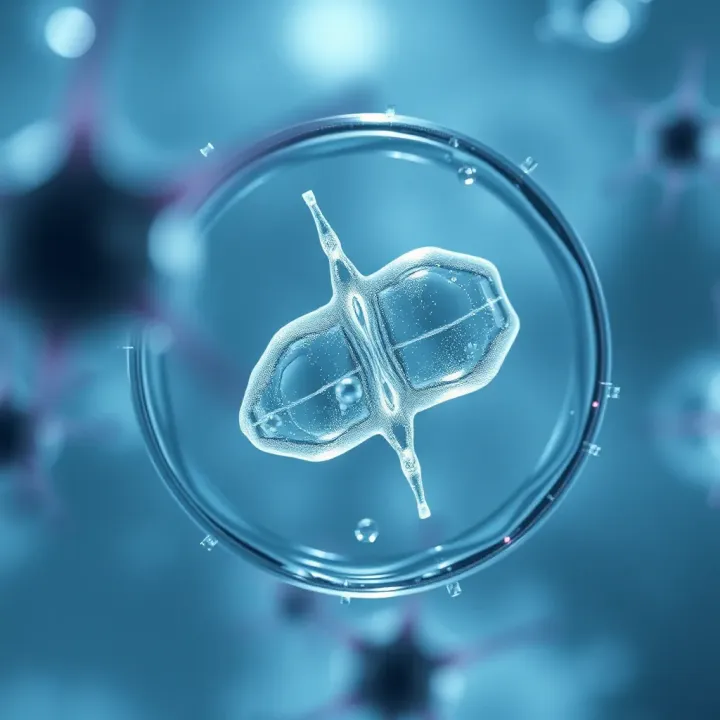
Bacteria and archaea have evolved to thrive in a staggering array of habitats—from boiling hot springs to the frozen tundra. Their binary fission rates adjust depending on factors like temperature, nutrient availability, and pH levels. For instance, thermophilic bacteria like Thermus aquaticus reproduce efficiently at temperatures that would be hostile to most organisms.
These adaptations matter because they influence how microbial populations respond to environmental changes. For those working in environmental monitoring or bioengineering, recognizing these survival strategies helps in predicting microbial behaviors and leveraging them for applications like waste treatment or bioremediation.
Protozoa such as Amoeba proteus and Paramecium caudatum also replicate by binary fission. Unlike bacteria, these organisms are more complex but still depend on this simple division for reproduction. For example, Paramecium uses binary fission to quickly rebuild populations in freshwater environments after disturbances.
Knowing which protozoa reproduce this way helps researchers predict population booms that can affect water quality or even human health, as some protozoa can be disease agents.
Single-celled protozoa act as both consumers and producers in aquatic ecosystems. Their binary fission-driven reproduction ensures they maintain their populations, feeding on bacteria and algae while serving as food for larger creatures. This rapid turnover influences nutrient cycles and energy flow in environments like lakes and ponds.
From an ecological standpoint, appreciating the role of binary fission in these organisms aids in managing water ecosystems and controlling outbreaks of harmful protozoan species.
Understanding the organisms that use binary fission reveals much about biological growth rates and ecological balance, with direct implications for health, environmental management, and biotechnology.
Understanding how binary fission stacks up against other ways cells divide helps us appreciate why it's so common among simple organisms. It's not just about splitting; each method has its quirks and benefits, which influence growth rates, genetic diversity, and survival strategies.
Let's break it down so you can see why binary fission fits perfectly for many single-celled life forms, especially bacteria, while other methods serve different roles in nature and medicine.
Binary fission is straightforward compared to mitosis. We’re talking one cell copying its DNA, lining everything up, then snarcing into two nearly identical cells. It happens fast and efficiently, without the fancy dance of chromosomes aligning and separating like in mitosis.
Mitosis, by contrast, is more intricate. It’s the division process in most plants, animals, and fungi, ensuring precise chromosome segregation to maintain chromosome number. Cells go through prophase, metaphase, anaphase, and telophase, with the spindle apparatus coordinating everything. This complexity ensures genetic stability in multicellular organisms, which need to keep body cells consistent.
Binary fission mostly rules the microbial world. Bacteria like Escherichia coli and archaea depend on it, because it’s fast and suits their simple structure.
Mitosis shows up in multicellular life, from you and me to mushrooms and moss. It’s essential for growth, repair, and replacing worn-out cells, which isn’t a big deal for single-celled microbes that just multiply to thrive.
Budding is another neat way to reproduce asexually, but it’s not about splitting evenly. The parent forms a small bulge — a “bud” — which grows until it's big enough to break off and live on its own. Yeast like Saccharomyces cerevisiae use budding, and some animals like hydras do too.
Unlike binary fission’s equal split, budding results in a smaller daughter cell initially, which then grows. Outcomes differ too: budding can allow more parent-daughter differentiation, sometimes providing advantages in certain environments.
Other asexual methods like sporulation or fragmentation also have unique traits, but binary fission is the simplest and fastest, focusing on equal division and rapid population expansion.
Binary fission shines in rapid colonization — one bacterial cell can become millions in hours under ideal conditions. Its simplicity means less energy spent, which is great when resources are limited.
However, it offers no genetic variation unless mutations occur. This makes populations vulnerable if the environment changes suddenly.
Budding or sporulation can create some variety or allow survival during harsh times, but they’re slower or more resource-intensive.
If you’re weighing these on a business or biotech scale: binary fission’s speed is a major plus, letting bacterial cultures ramp up quickly for antibiotics production or fermentation. But for genetic studies, mitosis and budding provide richer models because of their complex regulation and genetic reshuffling.
In essence, knowing how binary fission compares helps you grasp its role — it's the workhorse of simple life forms, while other methods bring nuance and adaptability where it matters.
Binary fission is more than just a way for single-celled organisms to multiply. Its role extends deeply into natural ecosystems and human health. This process kicks off rapid population growth, helps shape ecosystems, and challenges medical treatments, especially concerning antibiotic resistance. Understanding these impacts paints a clearer picture of why binary fission matters beyond the microscope.
Binary fission allows bacteria to double their numbers in a matter of minutes to hours. Think of Escherichia coli in the human gut—they can split every 20 minutes under ideal conditions. This rapid growth means populations explode quickly, which is vital for quick adaptation. In financial markets, it’s like a compounding interest effect—small changes can grow exponentially fast.
This swift reproduction isn't just biological trivia; it means bacterial populations can recover from disturbances quickly or colonize new environments faster than many other organisms. For traders and analysts looking at biotech investments or pharmaceuticals, this rapid turnover affects how bacteria respond to drugs and evolve resistance, influencing research and product development timelines.
The fast growth due to binary fission shapes ecosystems by driving primary production and nutrient cycles. In soil, bacteria break down organic matter, facilitating nutrient recycling which supports plant life—a fundamental step for entire food webs. Marine ecosystems rely on planktonic bacteria to convert carbon, affecting oceans' health and global climate.
In a stock market analogy, bacteria's role is like that of a fundamental sector driving overall market performance. Investors who understand this interaction between microorganisms and ecosystems might better appreciate the environmental biotech sector’s value, where manipulating these bacteria can boost crop yields or clean pollutants.
Because bacteria reproduce so quickly through binary fission, any genetic mutation, including those that confer antibiotic resistance, can spread rapidly through a population. Picture a trader spotting a market trend early—resistant strains identify and exploit weaknesses in treatment similarly fast. This swift spread means a single resistance mutation can rapidly dominate an entire bacterial colony, making infections harder to treat.
This dynamic is critical for healthcare analysts and professionals working on drug development. The faster bacteria reproduce, the more chances they have to evolve defenses, demanding continuous innovation in medical research.
Rapid bacterial growth complicates treatment strategies. Antibiotics must work quickly and effectively before resistant populations grow too large. For example, Methicillin-resistant Staphylococcus aureus (MRSA) spreads quickly partly due to rapid binary fission, leading to infections that are notoriously tough to manage.
Medical practitioners and pharma investors need to understand how these fast-growing populations impact drug efficacy and the economics of developing new antibiotics. Treatments that halt or slow binary fission’s progress have a greater chance of success but developing such drugs is a costly, high-stakes endeavor.
Quick fact: Some bacteria like Pseudomonas aeruginosa can double in around 20 minutes under optimal conditions, making infection control a race against time.
In sum, binary fission fuels not only the growth of microscopic communities but also drives major environmental and health outcomes. Insight into this process helps explain challenges in medicine and opportunities in biotech fields, crucial for professionals across sectors, including finance and healthcare.
Understanding what influences binary fission helps us grasp how quickly and effectively organisms multiply, which matters a lot in both natural ecosystems and healthcare settings. These factors can either speed things up or bring reproduction to a halt, impacting everything from soil health to infection control.
Temperature and pH are like the thermostat and mood setter for bacterial reproduction. Most bacteria thrive within a specific temperature range; take Escherichia coli, for example—it grows fastest around 37°C, roughly human body temperature. Drop the heat too low, and their biochemical processes slow down; crank it too high, and proteins can denature, stopping cell division altogether. Similarly, pH levels must be just right. Lactobacillus species, commonly found in yogurt, prefer acidic environments around pH 4.5 to 6.5. If the pH swings too far out, the cell membranes and enzymes can get damaged, stalling binary fission.
Keeping these factors optimal is crucial in industries such as fermentation, where improper temperature or pH can ruin an entire batch of bacteria-driven products.
Cells need fuel to divide, plain and simple. When nutrients like glucose, nitrogen, and phosphates are abundant, bacteria can rapidly duplicate their DNA, build cell structures, and split with hardly a breath. Conversely, a lack of nutrients causes cells to slow down and sometimes enter a dormant state, suspending binary fission as a survival tactic.
Consider soil bacteria in nutrient-poor patches; they might reproduce sporadically, limiting their population size and affecting soil nutrient cycling. On the flip side, waste treatment plants tightly control nutrient levels to maintain robust bacterial communities that digest organic waste efficiently.
Binary fission depends heavily on accurate, well-timed DNA replication. Cells contain proteins like DnaA in E. coli that kickstart the unwinding of DNA strands at the origin of replication. This process is tightly regulated because replicating DNA too early or late can cause mistakes or incomplete copies.
For example, if a mutation disrupts these control proteins, you might see cells split with damaged or incomplete genomes, leading to faulty bacteria that may struggle to survive or that potentially spread errors during reproduction—a headache in medical microbiology where drug resistance genes can be passed along.
Even though binary fission is simpler than mitosis, bacteria still have checkpoints—almost like molecular gatekeepers. These checkpoints ensure the cell only proceeds to divide after DNA replication finishes and the cell has enough resources.
If something goes wrong, such as DNA damage from UV light exposure, these checkpoints can delay division, giving the cell time to repair. This defense is key in avoiding the propagation of errors, much like quality control on an assembly line.
When environmental conditions are harsh or genetic controls fail, binary fission can slow or stop, influencing bacterial survival and evolution in profound ways.
In short, binary fission isn't just a mechanical splitting—it's a carefully balanced process influenced by surroundings and internal checks. Whether you’re growing bacteria for research or trying to understand infection patterns, keeping an eye on these factors is a smart move.
Binary fission isn't just a curious biological process—it holds a lot of weight in real-world applications, especially in biotech and scientific research. By understanding how simple cells multiply, we can exploit this natural method for practical benefits, from producing medicines to advancing genetic technology. It’s often the silent workhorse behind many biotech advances that traders and investors might overlook but are quick to cash in on.
Bacterial cultures grown through binary fission form the backbone of many industrial processes. These fast-replicating cells are tapped to manufacture everything from antibiotics, like penicillin, to vitamins and enzymes used in food processing. For instance, Escherichia coli (E. coli) is a workhorse in labs and factories because it multiplies rapidly and can be easily modified to produce substances like insulin. The key takeaway here is that binary fission provides a reliable and efficient way to grow huge numbers of bacteria with desired traits, cutting down costs and production times.
Binary fission is central to genetic engineering because it ensures that altered genetic material replicates consistently. When scientists insert a gene into bacteria, binary fission allows those bacteria to multiply, each carrying the new gene. This method is fundamental for cloning DNA sequences or producing proteins like growth hormones in large quantities. A practical example is the production of human insulin by genetically engineered E. coli, which has revolutionized diabetes treatment. Understanding how the binary fission cycle works enables researchers to time their interventions and optimize yields.
Model bacteria such as E. coli and Bacillus subtilis are staples in labs worldwide because their binary fission is predictable and straightforward to study. They provide insights into cell division mechanics, gene regulation, and antibiotic resistance. These organisms help researchers test new drugs and understand bacterial behavior without the complications seen in multicellular organisms. For example, studies on E. coli growth and division have shed light on how some pathogens evade treatments, helping pharma companies design better antibiotics.
Binary fission also offers a simpler platform to study the cell cycle and genetics mechanics without the noise of more complex systems. Tracking the DNA replication and segregation during binary fission helps demystify fundamental processes like mutation, gene expression, and cellular aging. Research findings here can often be extrapolated to higher organisms or used in synthetic biology applications. This practical knowledge is valuable when developing therapies that target bacterial infections or designing synthetic cells.
In short, mastering the nuts and bolts of binary fission arms us with powerful tools—not just for science textbooks—but for real-world industry and healthcare innovations.
By paying close attention to how simple cells copy themselves, business sectors related to biotech, pharmaceuticals, and research can stay ahead in creating new solutions and technologies.
🔢 Learn how to convert binary numbers to hexadecimal with easy steps, practical examples, and clear explanations essential for digital data handling.

🔢 Learn binary conversion made easy! Understand how decimal and binary numbers transform, with practical methods and real-life uses in tech and computing 🌐

Learn how to add binary numbers with clear steps, examples, and tips 🌐. Understand the key differences from decimal addition and real computing uses 💻.

🔢 Learn the basics and methods of binary multiplication with clear steps, examples, and tips to tackle common challenges in digital electronics and computing.
Based on 14 reviews