
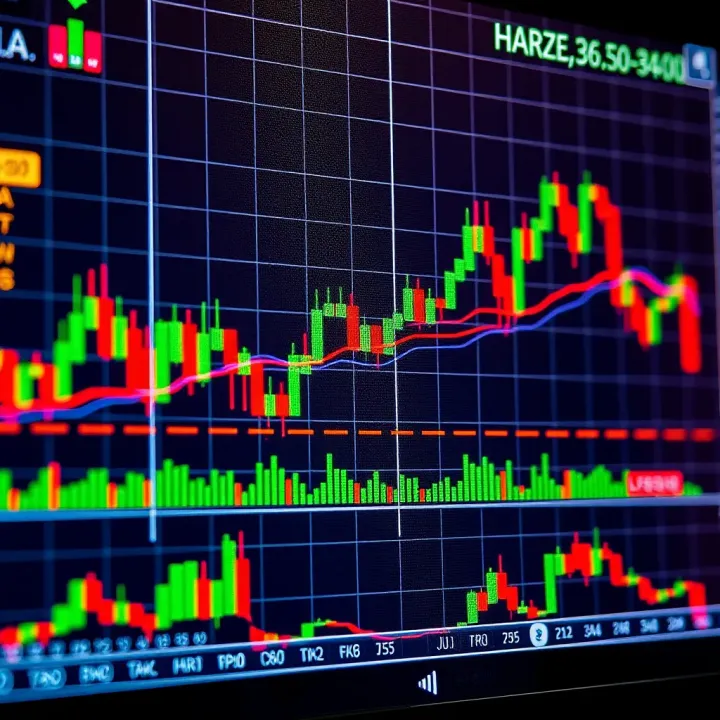
Forex Trading Charts Guide for Kenyan Traders
📊 Master Forex trading charts in Kenya! Learn to read patterns, choose time frames, and use indicators confidently for smarter currency trading decisions.
Edited By
James Hamilton
Forex trading offers a chance to profit from changes in currency values, and it has grown popular among Kenyans looking to diversify income sources beyond traditional investments. Yet, starting without proper knowledge can lead to losses. This section equips you with the basic ideas and practical steps to begin trading forex safely and confidently.
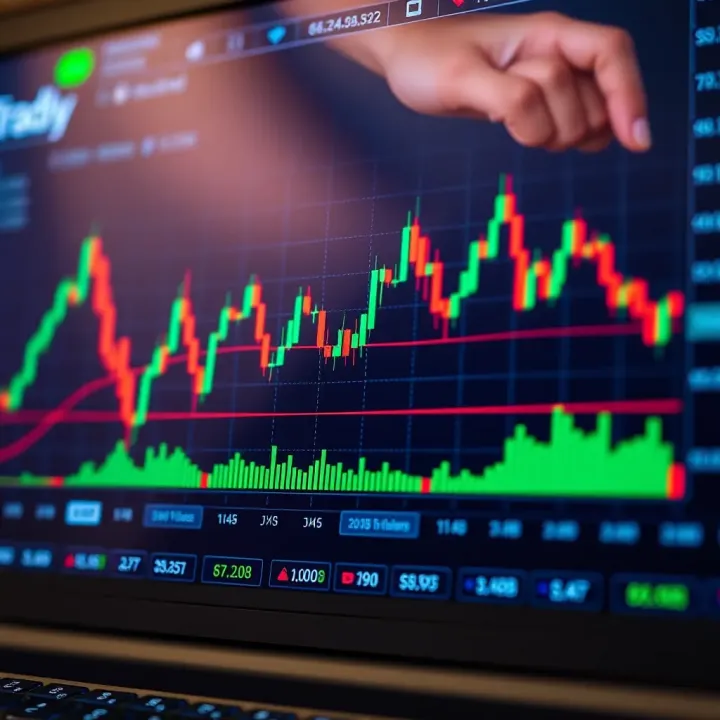
Forex trading means buying and selling currencies from different countries. For instance, you might buy US dollars (USD) with Kenyan shillings (KES) if you expect the dollar to strengthen, then sell back to gain a profit. The market operates 24 hours on weekdays, enabling flexibility for traders anywhere.
In forex, currencies are traded in pairs like EUR/USD (Euro against US dollar) or USD/JPY (US dollar against Japanese yen). The first currency is the base, and the second is the quote currency. Prices show how much quote currency is needed for one unit of the base. For example, if EUR/USD is 1.10, it means 1 euro costs 1.10 dollars.
Before risking real money, open a demo account through a trusted broker. A demo account uses virtual funds, letting you practise trading in real market conditions without financial risk. This step is crucial especially for beginners to grasp how price movements and trading platforms work.
Choose brokers regulated by recognised bodies like the CMA (Capital Markets Authority) to reduce risks of fraud. Kenyan traders should consider:
Low spreads and reasonable commissions
Availability of user-friendly trading platforms such as MetaTrader 4 or 5
Support for M-Pesa deposits and withdrawals
Responsive customer service in both English and Kiswahili
Leverage: Borrowed funds that increase buying power but also risk
Pips: The smallest price movement in a currency pair
Stop Loss: An order to close a trade at a predetermined loss level to control risk
Take Profit: An order that automatically closes a trade when a profit target is reached
Starting forex trading without proper understanding is like driving a matatu without knowing the roads. Practice first, choose reliable brokers, and manage risks carefully.
With these basics, you can start exploring forex markets with greater confidence, avoiding common pitfalls. The next sections will cover how to use trading platforms and strategies tailored to Kenyan market conditions.
Grasping the basics of forex trading is essential before you put any money into the market. It sets a solid foundation so you won’t be caught off guard by the fast-moving currency markets. Especially for beginners, knowing how forex works helps to avoid common pitfalls and spot trading opportunities. For instance, understanding what drives currency prices can stop you from chasing losses or falling for quick-rich schemes.
Definition of forex trading: Forex trading involves buying one currency while selling another at the same time. This market, often called the foreign exchange market, is where these transactions happen. Unlike stocks traded in a single place, forex trading happens across multiple platforms worldwide, making it the largest financial market. Many traders in Kenya engage in forex to take advantage of currency fluctuations for profit or to hedge against risks in international business.
How currencies are traded: Currencies are traded in pairs, such as USD/KES (US Dollar/Kenyan Shilling). When you trade forex, you’re betting on whether one currency will strengthen or weaken against the other. For example, if you believe the US Dollar will rise against the Kenyan Shilling, you buy USD/KES, hoping to sell back at a better rate. Trading happens in lots – usually the standard lot is 100,000 units of the base currency, but brokers often let beginners trade mini or micro lots to limit risks.
Common currency pairs: There are major pairs like EUR/USD, GBP/USD, and USD/JPY that see the most action globally. In Kenya, USD/KES is a frequently traded pair given the importance of the US Dollar for import and export business. Others include USD/GBP or USD/EUR. Each pair behaves differently because of factors like interest rates and economic stability. Knowing which pairs to focus on helps you pick trades that fit your style and the Kenyan market context.
Market hours and sessions: Forex operates 24 hours on weekdays but not 24/7. Trading follows global time zones split into sessions – Asian (Tokyo), European (London), and US (New York). Each session has peak hours when liquidity is high and spreads are lower. For Kenyan traders, London and New York sessions overlap during the afternoon and evening, offering more market activity. Picking the right time to trade improves chances of smoother trades and better prices.
Role of brokers and liquidity providers: Brokers act as the bridge between you and the forex market. They provide platforms to trade currencies and execute orders. Liquidity providers are usually big banks and financial institutions that supply the currency flows behind prices. When you place a trade, the broker finds liquidity providers to match your order. In Kenya, picking a regulated broker licensed by the Capital Markets Authority (CMA) ensures your funds and trades operate transparently. Brokers also offer leverage but remember, it can both amplify profits and losses.
Influence of economic events: Economic news like interest rate decisions, inflation data, and political developments can cause big swings in currency prices. For example, when the Central Bank of Kenya (CBK) announces policies impacting the shilling, it affects forex pairs involving KES. Global events like US Federal Reserve meetings or Brexit announcements also move markets. Traders who track economic calendars and news can anticipate volatility and plan their trades accordingly.
Understanding these basics helps you approach forex trading with a clear mind and practical strategy, reducing risks and maximising opportunities from the Kenyan perspective.
Setting up a proper trading account is a foundational step in forex trading. Without a well-prepared account, beginners risk making avoidable mistakes including funds mismanagement or falling victim to unreliable brokers. This section guides you through choosing the right broker and handling the technicalities of account creation, both of which are crucial for smooth trading.
In Kenya, it is vital to pick a forex broker regulated by the Capital Markets Authority (CMA). Regulation ensures brokers operate under clear rules designed to protect traders from fraud, unfair practices, and financial instability. For example, CMA-regulated brokers must keep client funds in segregated accounts, reducing risk if the broker faces financial issues.
Relying on licensed brokers also means you can escalate complaints through official channels if things go wrong. Unregulated brokers may offer seemingly attractive conditions but lack safeguards, putting your capital at serious risk.
Traders should look beyond regulation and consider platform usability, spreads, leverage options, and customer service. For instance, a broker offering tight spreads and multiple account types suits varied trading styles and budgets. Also, responsive support makes a big difference, especially for beginners who might need prompt answers in case of challenges.
Consider if the broker provides easy access to popular trading platforms like MetaTrader 4 or 5, mobile trading apps, and demo accounts. These features provide hands-on experience and flexibility, vital in day-to-day trading.
Kenyan traders often face a choice between local brokers registered with CMA and international brokers headquartered outside Kenya. Local brokers typically offer M-Pesa deposit options, customer support attuned to Kenyan market hours, and compliance with local regulations. This can simplify transactions and build trust.
On the other hand, international brokers often provide broader market access, more currency pairs, and advanced trading tools. However, they may lack localised support and have longer payout times. It's wise to weigh your priorities: ease of funding and regulation vs variety of services and instruments.
Most brokers offer several account types designed for different traders. In Kenya, you will find standard accounts requiring moderate initial deposits and allowing higher leverage, and micro or mini accounts with lower deposits ideal for beginners learning the ropes.
Selecting the right account depends on your trading plan and risk tolerance. A micro account lets you practice without risking much capital, while a standard account could be better if you have more experience and funding.
Opening an account involves submitting identification and sometimes proof of residence. This Know Your Customer (KYC) process is standard for regulated brokers and helps prevent fraud and money laundering. Document verification typically takes 1–3 days.
Having your ID card or passport ready, plus a recent utility bill or bank statement showing your address, speeds up approval. A verified account allows you to access all broker services, including withdrawals.
Convenient deposit options are key for Kenyan traders. Many brokers now accept M-Pesa payments, enabling instant funding directly from your mobile wallet. This is a game changer compared to older bank transfers, which may take days and charge higher fees.
Other payment methods include bank transfers, credit/debit cards, and e-wallets. Always check if the broker supports local currency (KSh) funding to avoid forex conversion charges. Efficient funding keeps your trading agile and reduces delays when market opportunities arise.
Selecting the right broker and setting up your trading account carefully protects your funds and lays a solid foundation for your forex trading journey in Kenya. Be patient, verify every detail, and always start small as you get familiar with the process.
Using the right trading platforms and tools is a practical step every beginner in Kenya must take seriously. These platforms are the trader's gateway to the forex market, offering access to live currency pairs, market data, and various analytical tools. Without them, executing trades and analysing price movements becomes impossible.
MetaTrader 4 (MT4) is one of the most widely used forex trading platforms in Kenya and worldwide. It offers an easy-to-navigate interface suitable for beginners but with enough depth for advanced traders. MT4 supports automated trading through Expert Advisors (EAs), allowing traders to script simple or sophisticated trading bots. This can be beneficial for Kenyan traders wanting to stick to predefined rules without emotional interference.
MetaTrader 5 (MT5) builds on MT4’s foundation but provides additional features like more timeframes, a built-in economic calendar, and improved tools for technical analysis. Kenyan traders looking to scale their strategies or follow a wider range of markets may prefer MT5 for its enhanced capabilities. Both platforms support custom indicators and flexible order types, essential for executing more precise trades.
The convenience of mobile and desktop apps cannot be overstated, especially in Kenya where many traders prefer using smartphones. Brokers often provide native apps for Android and iOS, making it easy to trade on the go. Features like real-time price alerts, one-click trading, and access to account balance help traders stay connected without needing a full desktop setup.
Desktop versions, meanwhile, offer a more extensive interface for charting and analysis. For example, a trader using a laptop at home might run multiple charts and technical indicators simultaneously, something challenging on smaller mobile screens. Having both options means Kenyan traders can switch between devices depending on their schedule and environment.
Demo accounts are a must for anyone new to forex trading. They allow traders in Kenya to practise without risking real money, using virtual funds to get familiar with the platform and test strategies. Most brokers in Kenya offer free demo accounts with full access to trading features.
Using a demo lets you experience market conditions and learn to manage orders before committing actual capital. For example, practising limit orders or stop-loss settings on a demo helps avoid costly mistakes once you start real trading. It also builds confidence, which is often half the battle in forex.
Charts form the backbone of forex analysis. They display currency price movements over time and help spot trends or reversals. Candlestick charts are preferred by many Kenyan traders because they visually show opening, closing, highs, and lows for a specific time period, often revealing market sentiment.
Recognising patterns like “hammer” or “engulfing” candlesticks can give clues about potential price turns. For instance, during the Kenya Shilling’s volatility around election periods, such patterns may signal better entry or exit points than relying on guessing.
Support and resistance levels act as invisible barriers where prices tend to stop and reverse. Support is the price floor where buying interest often emerges, while resistance is a ceiling where selling pressure usually builds.
Knowing these levels lets traders place orders more smartly. For example, buying near support might lower the risk of losing money while selling close to resistance can maximise possible gains. Kenyan traders can observe these levels on historical price charts or use platform tools that automatically highlight them.
Technical indicators provide mathematically calculated insights based on price and volume data. Some popular ones include the Moving Average (MA), Relative Strength Index (RSI), and Bollinger Bands.
In Kenya, where market reactions can be sensitive to economic announcements, using RSI helps identify if a currency pair is overbought or oversold, reducing the chance of chasing bad trades. MAs smooth out price movements, revealing trends for better timing. Bollinger Bands, on the other hand, show volatility and potential breakouts, useful during periods of high market activity.
Mastering these platforms and tools gives you a solid edge, equipping you to make informed decisions rather than guesswork. Always spend time to understand their functions and how they fit your trading style.
This sets the stage for better preparedness before risking your hard-earned KSh in the live forex market.
Creating a solid trading strategy is essential for anyone venturing into forex trading. It helps you stay focused, manage risks, and avoid costly mistakes that come from emotional decisions. In the Kenyan context, where market fluctuations can be influenced by both international and local factors, having a clear plan tailored to your financial goals and time availability is vital.
A good strategy defines when to enter or exit trades, how much capital to risk, and which currency pairs to focus on — this structure takes some pressure off decision-making as the market moves.
Scalping involves making quick trades to capture small price changes, often within minutes or even seconds. Day trading, on the other hand, means opening and closing positions within the same day without holding them overnight. Both styles demand constant attention and quick decision-making but offer chances for fast profits in the volatile forex market.
For instance, a busy Kenyan trader using a mobile platform like MetaTrader on their smartphone might prefer scalping or day trading to take advantage of short-term price swings during the Nairobi business hours.
Swing trading holds positions for several days or weeks to benefit from expected shifts in currency trends. This style suits traders who cannot monitor the market constantly but can check charts and news a few times a day. Swing trading typically involves fewer trades but aims for larger gains per trade than scalping or day trading.
For example, a trader following the US dollar vs Kenyan shilling pair (USD/KES) might use swing trading to profit from expected shifts in economic policies or interest rates announced over a few days.
Long-term trading, or position trading, focuses on trends that develop over months or even years. This approach requires patience and is less affected by daily market noise. It suits investors interested in significant trends affected by macroeconomic developments, like changes in Kenya’s economic growth or inflation.
A Kenyan investor might hold a position on the euro against the dollar (EUR/USD) anticipating shifts in monetary policy over the year, ignoring short-term fluctuations.
Economic indicators such as Kenya’s inflation rate, Central Bank of Kenya (CBK) interest rate decisions, GDP growth, and trade balance have a strong impact on currency valuations. Traders who use fundamental analysis watch these numbers to predict currency movements.
For example, a rise in Kenya’s GDP could strengthen the shilling, prompting a trader to consider buying USD/KES if they expect the shilling to appreciate.
Technical analysis involves studying price charts to identify patterns signalling future movements. Understanding candlestick formations, support and resistance levels, and trends helps traders time their entries and exits.
For instance, spotting a "double bottom" pattern on the USD/EUR chart can hint at a price reversal, potentially guiding a buy decision.
Successful traders often combine fundamental and technical analysis. While fundamentals tell you why a currency might move, technicals help determine when to trade. This balance is practical for Kenyan traders who must consider both global economic news and local market behaviour.
A good strategy blends analysis tools, fits personal lifestyle, and adapts to market changes—this increases the chances of consistent profits and reduces reckless decisions.
Developing and sticking to a trading strategy will help you protect your capital, manage risks, and make the most of trading opportunities whether you're a casual swing trader or a more active day trader.
Managing risks and emotions is a key part of successful forex trading, especially for beginners in Kenya. Without proper risk control, even the best strategies can fail, wiping out your capital quickly. Emotional discipline keeps you from making rash decisions when prices move against you or when greed tempts you to overtrade. Understanding these aspects helps build a steady, long-term approach to forex.
Setting stop-loss and take-profit orders lets you control potential losses and lock in gains without constant monitoring. A stop-loss order automatically closes your trade when the price moves unfavourably by a set amount, preventing deeper losses. For example, if you buy USD/KES at 110 and set a stop-loss at 109, your position will close if the rate drops, limiting your loss.
Take-profit orders work the other way, closing a trade once your target price is reached, securing profits before the market reverses. This is useful when you can't watch the market all day. Both orders give you peace of mind and help avoid emotional decisions driven by fear or hope.
Position sizing strategies involve deciding how much of your capital to risk on each trade. A common rule is to risk no more than 1-2% of your trading account per trade. If your account has KS0,000, risking KS00 to KS,000 keeps losses manageable. This approach prevents a string of bad trades from wiping your capital.
Position sizing also considers leverage and stop-loss size. Larger stop-loss areas mean smaller trade sizes to keep risk steady. In practice, it means always calculating the right number of lots to buy or sell, not guessing. This keeps your trading more sustainable.
Avoiding over-leveraging is crucial because forex brokers often offer high leverage, sometimes up to 1:500. While it can increase potential profits, it also magnifies losses. A small unfavourable move can erase your entire deposit if you use too much leverage.
Traders in Kenya should start with low leverage (1:10 or 1:20) until they master the market. Over-leveraging often results in emotional stress, leading to poor choices like chasing losses. Keeping leverage low protects your capital and mental wellbeing.
Common psychological challenges in forex include fear and greed, both of which impair judgement. Fear can cause premature exits, missing out on profits. Greed pushes traders to overtrade or ignore stop-loss levels. These emotions stem from a lack of control and experience, common among new traders.
Realising these challenges exist helps you pause before acting. Knowing your triggers reduces impulsive trades, protecting your capital.
Developing patience and consistency means sticking to your strategy and trade plan even when results fluctuate. Forex is not a quick-rich scheme but a skill that grows with time. In Kenya, many beginners rush to double their money quickly, only to burn out.
Consistent effort, reviewing past trades, and slowly improving your approach pay off better than chasing fast profits. Patience allows you to wait for setups that match your strategy and avoid the temptation to trade emotionally.
Keeping a trading journal is a practical way to track your mistakes and successes. Write down why you entered and exited trades, your emotions during each trade, and outcomes. Over time, this record reveals patterns you didn’t notice, both in the market and your behaviour.
For instance, you might find you close trades early when feeling anxious, missing profits. Adjusting these habits becomes easier once you see them on paper. Many seasoned traders in Kenya swear by journals to sharpen their edge and emotional control.
Risk and emotions can quietly sink your forex career unless you actively manage both. Use stop-losses, size your positions wisely, keep leverage low, and stay emotionally in control to trade another day and build lasting success.
📊 Master Forex trading charts in Kenya! Learn to read patterns, choose time frames, and use indicators confidently for smarter currency trading decisions.
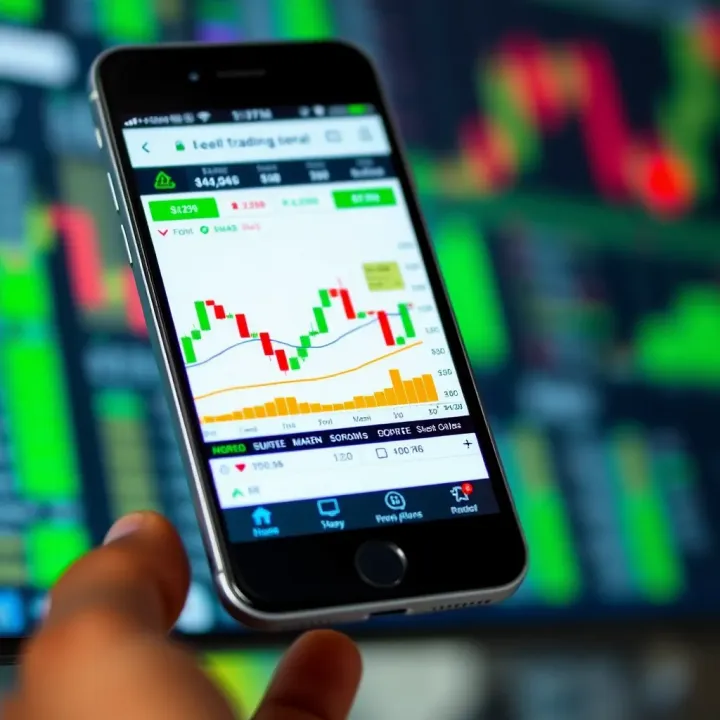
📱Explore top Forex trading apps in Kenya! Learn features, risks, regulations & smart tips to trade confidently in the mobile Forex market.💹

Explore effective forex trading strategies in Kenya 🇰🇪 including analysis, risk management, and psychology to boost your trading confidence and success 📈💡
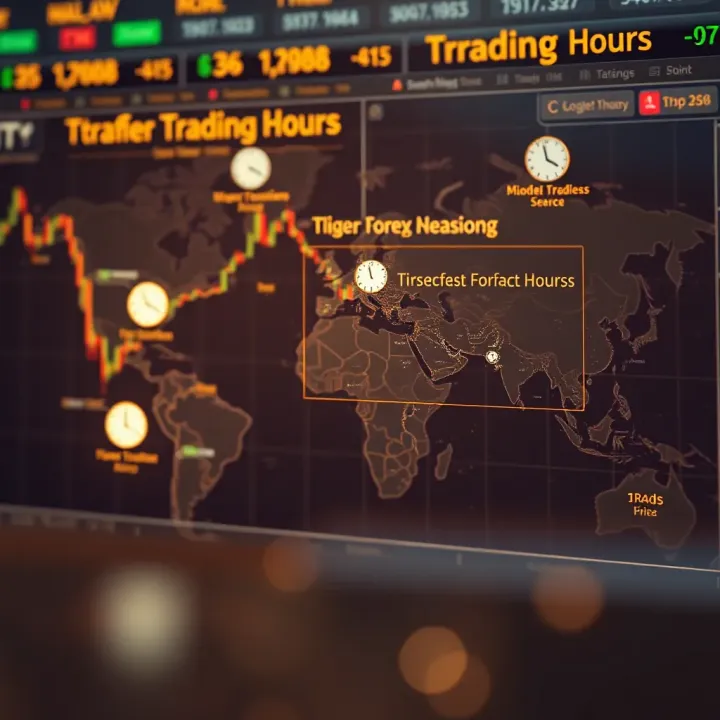
Discover the best forex trading times in Kenya 📈. Learn how market hours, liquidity, and news impact currency pairs for smarter trades 🕒💹.
Based on 13 reviews