
Forex Trading Charts Guide for Kenyan Traders
📊 Master Forex trading charts in Kenya! Learn to read patterns, choose time frames, and use indicators confidently for smarter currency trading decisions.
Edited By
Isabella Reed
Forex trading involves buying and selling currencies to make a profit. In Kenya, more people are exploring this market as a way to earn extra income or grow their investments. Unlike traditional business, forex trading uses currency pairs like USD/KES or EUR/USD, where you buy one currency while selling another. This creates opportunities to benefit from changes in exchange rates.
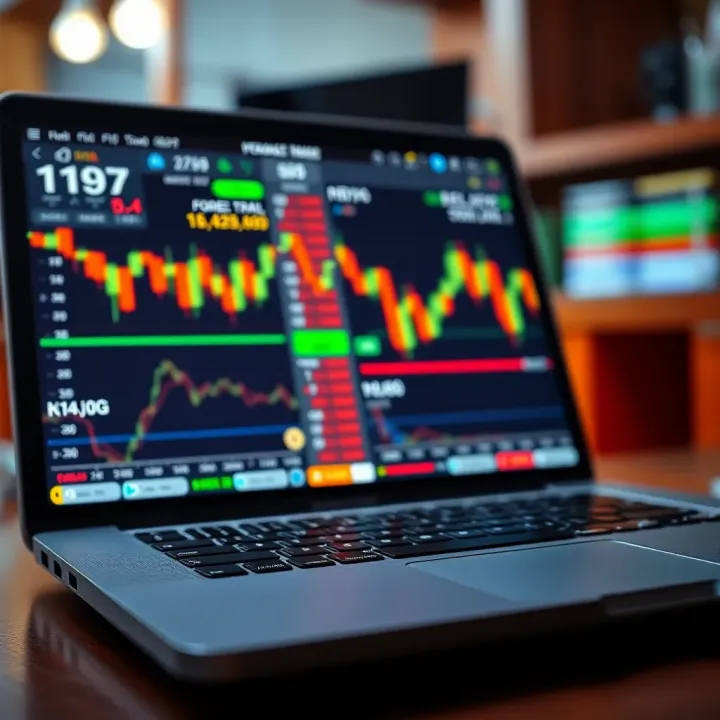
Starting out requires understanding the basics, such as how trading platforms work and what influences currency prices. Kenyan traders often use platforms like MetaTrader or broker services accessible locally and internationally. You need a stable internet connection and a computer or smart mobile device to participate.
While forex trading can yield profits, it carries risks similar to other investments. Market fluctuations can be sudden, sometimes influenced by global events such as interest rate changes by the Central Bank of Kenya or political developments within the East African Community.
Successful forex trading depends on good strategy, knowledge of the market, and managing your risks carefully.
Most Kenyan traders start with a demo account to practise without risking real money. This helps one get familiar with placing orders, reading charts, and monitoring price movements. After building confidence, you can move to a real trading account.
It’s important to choose a reputable broker regulated by relevant authorities like the Capital Markets Authority (CMA) in Kenya. This protects your funds and ensures transparency.
In the following sections, we will cover essential tools you need, practical strategies to increase profits, how to handle risks, and the legal framework you must follow when trading forex in Kenya. This knowledge makes it clearer and safer for you to join the forex market with confidence and discipline.
Understanding this foundation is your first step towards making money through forex trading in Kenya.
Forex trading has steadily gained popularity in Kenya, especially among retail traders, due to the increasing availability of technology and mobile money solutions. Understanding what forex trading entails and why it resonates with Kenyans is key to appreciating its growing role as a source of income and investment.
Forex trading means buying and selling currencies with the aim of profiting from their price changes. Unlike stocks or commodities, forex deals with currency pairs—one currency exchanged for another. For example, the EUR/USD pair shows how many US dollars are needed to buy one euro.
The practical side is straightforward: you speculate whether a currency will rise or fall against another based on global news or market trends. If your prediction is right, you earn; if not, you face losses. Forex markets operate globally, often involving large banks, companies, and individual traders.
Currency pairs work in a way that one currency is quoted against another, forming a pair like USD/KES (US dollar/Kenyan shilling). The first currency is called the base, while the second is the quote. If USD/KES rate is 110, it means 1 US dollar buys 110 Kenyan shillings. Traders profit by buying currencies expected to strengthen and selling those expected to weaken.
The forex market runs nearly 24 hours a day across different time zones, opening in Asia, then Europe, then North America. This continuous trading allows Kenyans the flexibility to choose when to trade, according to their own schedule. It also means markets can react quickly to events happening anywhere in the world.
Accessibility is a huge factor. Thanks to platforms linked with M-Pesa and other mobile services, Kenyans can start trading forex with just their mobile phones. You can deposit or withdraw funds using M-Pesa, eliminating the need for complicated banking setups. This ease of access opens forex to a large segment beyond traditional financial centres.
The potential for profit, particularly in volatile markets, appeals to many Kenyans looking to increase their income. Forex prices can move rapidly based on political updates, economic reports, or global shocks. Traders who understand these movements can exploit short-term price swings to earn. However, this volatility also demands disciplined risk management.
Furthermore, the flexible trading hours fit well with Kenyan hustlers who want to earn on the side. Since forex markets do not close strictly during local office hours, you can trade in the early morning or late evening, even after your daily job or shamba work. This has been a factor in attracting young people and part-time traders interested in supplements to their main income.
Forex trading's blend of accessibility, profit potential, and flexible hours has made it a practical income option for many Kenyans willing to learn and manage risks.
In summary, understanding the basics of forex trading and recognising its appeal locally lays a strong foundation for anyone keen to start trading in Kenya. This knowledge prepares you to make informed decisions and avoid common pitfalls as you begin your trading journey.
Starting forex trading in Kenya requires careful preparation to avoid common mistakes and maximise profit potential. The first step is to choose a reliable forex broker who acts as the gateway to the market. Your choice affects everything from trade execution speed to security and cost. Next, setting up your trading account involves registering with the broker, funding it conveniently—often using M-Pesa or bank transfers—and completing verification processes tied to Kenya Revenue Authority (KRA) and regulatory standards. Getting these steps right lays a solid foundation for consistent trading.
The significance of broker regulation cannot be overstated. A regulated broker means your funds are secured under recognised authorities like the Capital Markets Authority (CMA) in Kenya or international bodies such as the Financial Conduct Authority (FCA) in the UK. Unregulated platforms have often been linked to scams and delayed withdrawals, which any trader wants to avoid. Simply put, choosing a regulated broker reduces risks and builds trust.
Beyond regulation, pay attention to spreads, leverage, and account types offered by brokers. Spreads refer to the difference between the bid and ask price and influence your trading costs directly. Narrow spreads reduce expenses, meaning more of your trade goes towards actual profit. Leverage options allow you to trade with more money than you have, but it can be a double-edged sword if not used cautiously; high leverage amplifies both gains and losses. Account types vary from demo to standard and professional; beginners should consider demo and standard accounts before advancing.
In Kenya, brokers like XM, HotForex, and FXTM have a noticeable presence and support local payment channels. These brokers combine reliable platforms with accessible customer support and multiple local funding methods, including M-Pesa, making it easier for Kenyan traders to start smoothly.
Opening a trading account typically involves a straightforward online registration. You provide basic personal details, choose the account type, and set preferences. This process also requires submitting documents for identity verification—a crucial legal step—and agreeing to the broker's terms.
Funding your account is simple, thanks to Kenya’s robust mobile money infrastructure. M-Pesa transfers offer a quick, secure way to top up trading accounts without needing physical bank visits, though some brokers also accept direct bank transfers for larger sums. For example, a trader might deposit KSh 10,000 using M-Pesa and start trading within minutes, benefiting from instant credit.
Verifying your account goes beyond the broker’s policies; the Kenya Revenue Authority demands transparency on earnings to ensure proper tax filing. You usually submit scanned national ID, proof of address, and sometimes tax details. Completing this step avoids withdrawal delays and legal complications, especially when your profits start to accumulate.
Remember, a smooth start can save you from headaches later. Choosing the right broker and following account setup rules carefully positions you well for real trading success in Kenya.
Navigating the forex market successfully requires more than just luck; you need solid strategies tailored to understanding market behaviour. Using well-thought-out trading methods helps reduce guesswork and increases your chances of making consistent profits. In Kenya, where forex trading is growing fast, mastering basic strategies like technical and fundamental analysis can give you an edge over others who trade on whims or tips.
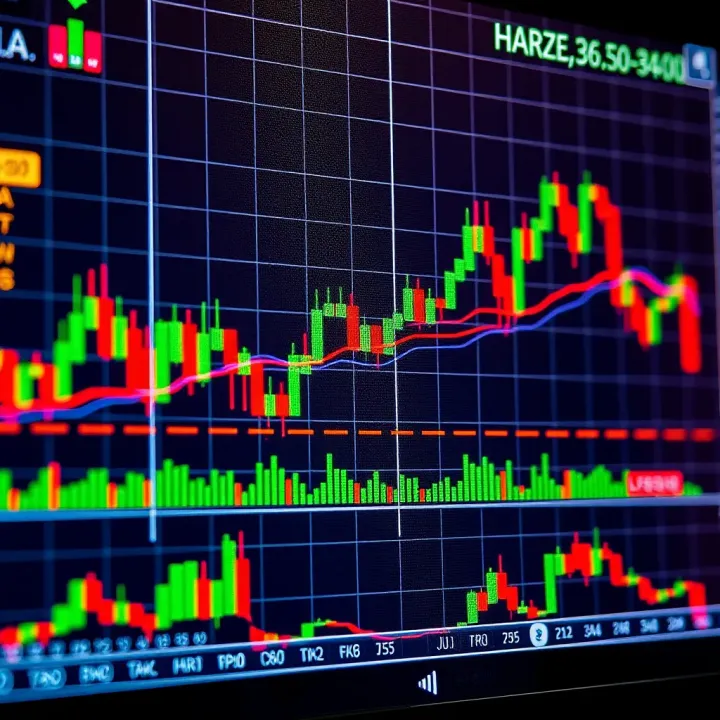
Reading forex charts is fundamental to technical analysis. These charts visually represent currency price movements over time, helping traders spot trends and patterns. For example, a Kenyan trader might observe a consistent upward trend in USD/KES over several days, signalling an opportunity to buy before prices rise further. Candlestick charts are popular as they show opening and closing prices, highs, and lows in an easy-to-understand format.
Another key part of technical analysis is understanding indicators like the Relative Strength Index (RSI) and moving averages. RSI helps identify if a currency pair is overbought or oversold, suggesting possible reversals. If the RSI of EUR/USD climbs above 70, it might be time to sell. Moving averages, like the 50-day or 200-day, smooth out price action and indicate overall market direction. When a short-term moving average crosses above a long-term one, it often signals a good time to enter a trade.
Timing trades well is crucial. Knowing when to enter and exit is what separates successful traders from the rest. Technical tools help spot these moments. For instance, entering a trade when a currency price breaks above resistance means you expect further gains. Setting exit points, such as taking profit after a 3% gain or placing stop-losses to limit losses, helps protect your capital. Kenyan traders often balance these points carefully because markets can move quickly during local economic releases or global news.
Fundamental analysis focuses on factors influencing currency value beyond just charts. Tracking economic news affecting currencies lets you anticipate market moves. Suppose the US Federal Reserve announces interest rate changes; this could strengthen or weaken the US dollar against the Kenyan shilling. Following Kenya’s economic indicators like inflation rates or trade balances also guides your trades.
Country-specific events impact forex pairs significantly. Political stability, election results, or even natural disasters in a country can shift investor confidence and currency strength. For example, a peaceful election outcome in Kenya might boost KES value, while unrest could have the opposite effect. Traders who stay aware of such events can avoid sudden losses or spot quick opportunities.
Kenyan traders benefit from using government reports and central bank decisions. Reports like Kenya’s GDP growth figures or the Central Bank of Kenya’s Monetary Policy Committee statements directly affect shilling exchange rates. Central bank interventions, such as adjusting interest rates or foreign exchange reserves, move the market. Careful analysis of these helps you align your trades with broad economic trends, lowering risk and improving profit chances.
Both technical and fundamental analyses complement each other. While charts offer timing cues, economic factors explain why prices move. Combining these strategies makes for smarter, more informed decisions in the Kenyan forex market.
Managing risks is a key part of successful forex trading in Kenya. Without careful risk management, you could lose more than you expect—sometimes wiping out your account quickly. This section looks at how you can protect your capital and avoid the common mistakes that often trip up new and even experienced traders.
Leverage lets you control a large position with a small amount of money, which sounds great for boosting profits. But it works both ways. If the market moves against you, your losses multiply just as fast. For example, using a 100:1 leverage means that just a 1% change in currency price can wipe out your entire deposit.
In Kenya, many brokers offer high leverage to attract traders, but beginners should be cautious. High leverage magnifies not just gains but also losses, which can drain your account rapidly. It’s like borrowing money to bet bigger but then needing to pay back even if things go south.
Recommended leverage limits for new traders usually range between 10:1 and 20:1. Keeping leverage low helps you survive losing streaks and learn without risking all your capital. Starting with low leverage offers more control and reduces stress when markets suddenly jump due to unexpected news or events.
Protecting your capital means limiting how much you can lose on any single trade. Stop-loss orders automatically close your trade when the price hits a certain level, stopping losses before they spiral out of control. This is crucial because emotions can cloud judgement, leading you to hold losing positions for too long.
Take-profit orders, on the other hand, automatically lock in profits once the price reaches your target. Together, these tools help you trade systematically rather than guessing or hoping for a turnaround.
A realistic stop-loss should be based on the market’s current volatility. For instance, if you’re trading the USD/KES pair, you might set your stop-loss at 0.5% to 1% away from your entry price, depending on how much risk you can bear. Setting it too tight might lead to being stopped out unnecessarily, while too wide could expose you to bigger losses.
Sticking to a trading plan helps keep emotions in check. Decide in advance when you’ll enter or exit trades, how much you’ll risk, and what signals to follow. When the market moves wildly, it can be tempting to act impulsively, chasing quick wins or trying to recover losses. A plan acts like a map to guide you steadily.
Keeping a trading journal is also useful. Write down why you entered a trade, how you felt, and the outcome. Over time, this record reveals patterns in your behaviour and strategy performance. For example, you might notice you tend to abandon your plan after a loss or trade under stress, which helps you correct the habit.
Common psychological traps include fear, greed, and overconfidence. Fear might keep you out of trades or cause early exits, while greed pushes you to risk too much in chasing big profits. Overconfidence can make you ignore signals and take reckless trades. Awareness of these helps you stay disciplined and focus on steady, manageable gains.
Risk management is not just about avoiding losses—it’s about preserving your ability to trade another day. With a clear plan and cautious use of leverage, you can navigate forex trading responsibly and sustainably.
Navigating the legal and regulatory framework is key when dealing with forex trading in Kenya. This section explains the role of authorities, tax obligations, and what to keep in mind for a compliant and safe trading experience.
The Capital Markets Authority (CMA) is the main institution overseeing forex trading regulation in Kenya. Its task is to safeguard investors and maintain market integrity. By regulating brokers and enforcing rules, the CMA helps reduce fraud and promotes transparency. For example, CMA-licensed brokers must follow strict guidelines on capital requirements and client fund segregation to protect your deposits.
Choosing a broker regulated by the CMA is critical. Regulated brokers operate legally and comply with local laws, offering you protection under Kenyan jurisdiction. This means if you experience unfair treatment or fraud, you have legal avenues to pursue redress. Many popular brokers serving Kenyan traders have CMA licences, so it’s advisable to verify this before opening an account.
On the flip side, unregulated platforms carry significant risks. They may not safeguard your money properly or could manipulate trades to their advantage. Some have disappeared with clients’ funds in the past, leaving traders stranded. Using unregulated brokers can expose you to scams and legal challenges since these entities do not adhere to Kenyan standards or laws.
The Kenya Revenue Authority (KRA) taxes profits made from forex trading as part of your taxable income. All earnings from trading activities must be declared during income tax filings. Failure to do so could result in penalties or audits. For instance, if your net gain in a year is KSh 500,000, you are liable to pay tax according to your income bracket.
Keeping accurate records of every trade, deposit, withdrawal, and profit is essential for smooth tax compliance. Detailed statements from your broker and transaction receipts help when filling out your tax returns. This also aids in showing legitimate expenses or losses that may reduce your taxable amount.
Consulting a tax professional familiar with forex trading and Kenyan tax law can save you headaches. They offer tailored advice on deductions, record-keeping, and filing deadlines. This ensures you stay compliant while optimising your tax position, especially as forex income can sometimes be complex to classify.
Staying within regulatory and tax boundaries doesn’t just keep you safe—it builds trust with brokers and authorities, improving your chances of long-term success in forex trading.
Understanding these legal and tax requirements offers you confidence and protection as you engage in Kenya’s forex market. Always prioritise trading through licensed brokers and handle your fiscal responsibilities diligently to avoid unnecessary troubles.
Making money from forex trading in Kenya takes more than knowing charts and crunching numbers. Success requires discipline, ongoing learning, and practical habits to manage both the market and your emotions. This section offers proven tips tailored for Kenyan traders to improve your chances of steady profits and avoid common traps.
Practicing trading without risking money is a smart way to start. Demo accounts let you simulate real trading conditions using virtual funds. This helps you understand how currency pairs behave, execute trades, and test strategies. For example, before committing KSh 5,000 of your savings, you can trade with a demo account on platforms like MetaTrader or IQ Option to familiarise yourself. It builds confidence and sharpens your skills without any financial loss.
On top of that, numerous free online resources are available. You can join webinars organised by reputable brokers or access courses from sites like Babypips and Investopedia. These help deepen your understanding of forex concepts and stay updated on market trends. Continuous learning is crucial because the forex market changes quickly due to global events.
Joining Kenyan forex trading groups, either on social media platforms or forums, connects you with fellow traders who share insights, tips, and experiences. Communities like those on Telegram or Facebook offer timely news about broker promotions, market movements, and government policies affecting forex trading in Kenya. They also create space to ask questions and learn from more experienced traders.
Learning from others’ experiences sharpens your judgement. For instance, when a local trader shares how they handled a sharp currency drop after a Bank of Kenya announcement, such firsthand experience can teach you practical risk management. Exchanging news updates and discussing strategies tap into collective wisdom, making the trading process less isolating and more informed.
Patience is a vital quality for any forex trader. Starting small means risking only a tiny fraction of your trading capital on each position. This approach lets you absorb losses without wiping out your account and gives you room to learn. For example, beginning with trades worth KSh 500 instead of KSh 10,000 prevents heavy losses early on.
Gradually increasing trading size comes after gaining confidence and consistency. As your skills improve and profits accumulate, you can scale up the amounts you trade. This measured growth helps avoid reckless decisions caused by overconfidence or the pressure to recover losses quickly. Over time, this steady scaling can turn small monthly profits into a meaningful income stream.
Success in forex trading in Kenya depends on disciplined effort and adapting strategies based on learning and experience. The market rewards those who prepare well, trade carefully, and remain connected to the trading community.
📊 Master Forex trading charts in Kenya! Learn to read patterns, choose time frames, and use indicators confidently for smarter currency trading decisions.
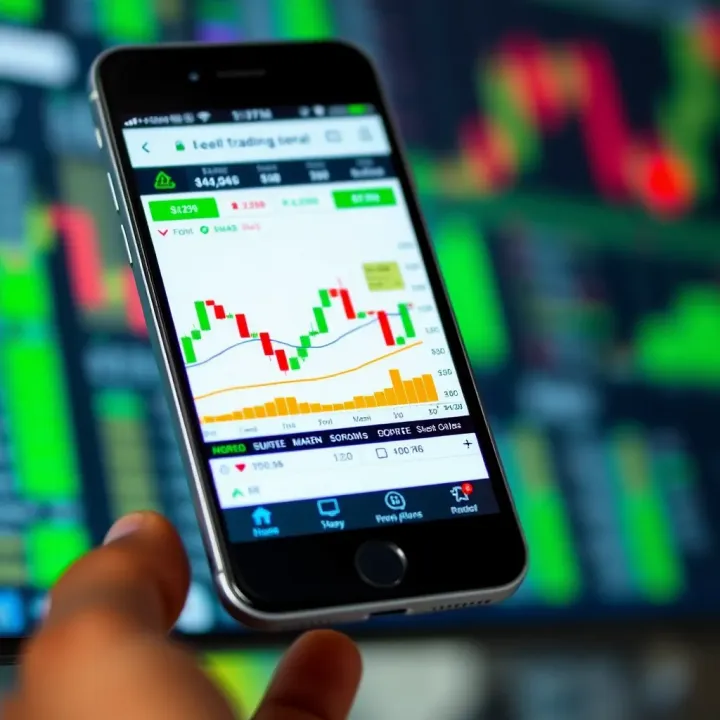
📱Explore top Forex trading apps in Kenya! Learn features, risks, regulations & smart tips to trade confidently in the mobile Forex market.💹

Explore effective forex trading strategies in Kenya 🇰🇪 including analysis, risk management, and psychology to boost your trading confidence and success 📈💡
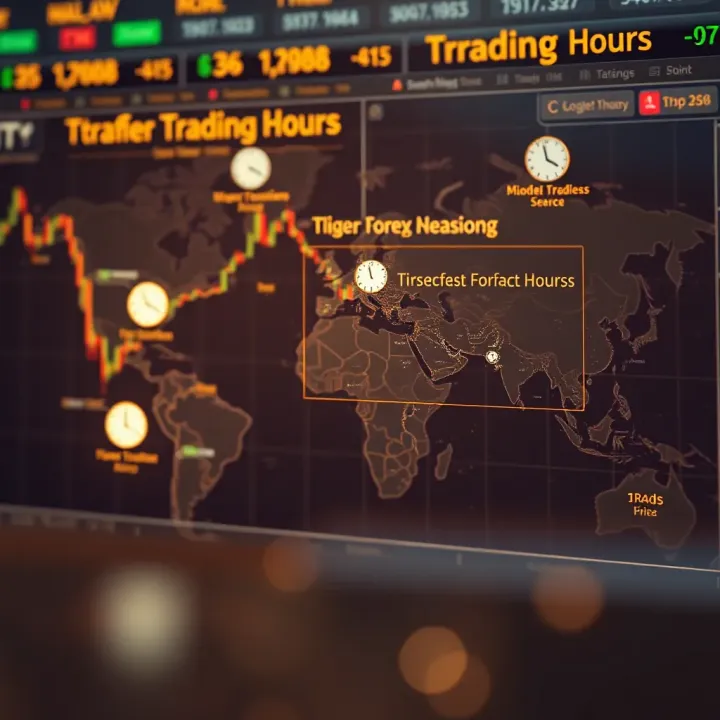
Discover the best forex trading times in Kenya 📈. Learn how market hours, liquidity, and news impact currency pairs for smarter trades 🕒💹.
Based on 12 reviews