

Forex Risk Management for Kenyan Traders
Learn essential forex risk management strategies tailored for Kenyan traders 📊. Master position sizing, stop losses, and trading psychology for safer trades.
Edited By
Emily Parker
Risk management matters a lot in Kenya’s fast-evolving business scene. From traders in busy markets to financial analysts tracking the Nairobi Securities Exchange, managing risk isn’t just good practice — it can determine whether a business survives or folds. Risks range from currency fluctuations and political shifts to supply chain disruptions caused by seasonal rains or transport strikes.
Understanding risk management begins with identifying vulnerabilities specific to your context. Kenyan businesses, for example, often face regulatory changes or fluctuations in M-Pesa transaction fees that impact cash flow. Beyond these, factors like electricity outages, county-level policies, and foreign exchange volatility play their part.

Once risks are identified, assessing their impact and likelihood helps decide the best way to deal with them. Common strategies include:
Avoidance: Steering clear of risky investments or volatile markets, like avoiding sourcing goods from regions affected by floods during long rains.
Reduction: Taking steps to lower risk, such as diversifying suppliers to avoid delays caused by matatu strikes.
Sharing: Partnering with insurers or entering joint ventures to spread risk — for instance, buying cover from local insurance firms for theft or fire.
Retention: Accepting certain risks when costs of mitigation outweigh benefits, typical in small jua kali businesses managing day-to-day petty theft.
Keeping an eye on how these risks evolve is key; what works in Nairobi might not suit a business in Kisumu or Eldoret. Monitoring and adapting strategies continuously safeguards assets and ensures compliance with varying county regulations.
With growing digitisation, many Kenyan firms now use tools like mobile apps and iTax to track risk exposure and regulatory requirements efficiently. Combining these local insights with global best practices equips investors and traders to stay ahead and make informed decisions.
This article will explore these approaches, offering practical steps to manage risks effectively in Kenyan contexts.
Risk shapes every aspect of business and daily operations in Kenya. Understanding what risk means and how it impacts organisations is key to safeguarding against threats that could wipe out profits or harm reputations. For a trader or investor, recognising risk helps in making smarter decisions that protect capital and spot opportunities early.
At its core, risk refers to the chance that an event or action will lead to loss or harm. In business, it means the possibility that things won’t go as planned—like a supplier delay, unexpected costs, or policy changes. For example, a dairy farm outside Nakuru may face production risks if unusually long rains destroy fodder supplies. Operations risk covers internal failures such as system breakdowns or theft. Understanding risk clearly means businesses can put practical measures in place to reduce those chances or their potential impact.
Kenyan businesses encounter risks that range from the everyday to the complex. Market fluctuations hit traders who rely on commodity prices like tea or coffee. Regulatory shifts can impact sectors like telecommunications or banking as policies evolve. Then there are infrastructural risks—power outages or poor road networks can disrupt supply chains. Security challenges, including theft or political unrest especially around elections, also pose risks. For instance, small retailers in Nairobi’s Kariobangi estate may lose stock or face downtime during such unrest, directly affecting sales.
Ignoring risk is like walking a tightrope blindfolded—eventually, trouble catches up. Managing risk helps organisations to protect assets, keep business running during shocks, and comply with legal rules from bodies like the Capital Markets Authority or Kenya Revenue Authority. It also builds trust with clients, investors, and regulators. A practical example is a textile mill in Kisumu that invests in proper machine maintenance and contingency plans; it avoids costly breakdowns and reputational damage, staying competitive. Beyond individual firms, proper risk management strengthens the wider economy by ensuring businesses can withstand challenges like fluctuating forex or pandemic pressures.
Understanding risks isn't about avoiding all dangers but recognising which ones can be managed, shared, or accepted to keep your business on firm ground.
In sum, knowing what risk looks like and its effects allows Kenyan businesses and investors to act decisively, preparing for what lies ahead while building resilience for long-term success.
Identifying and assessing risks is a vital step for any Kenyan business, investor, or financial analyst aiming to navigate uncertainties confidently. By spotting potential risks early, organisations can reduce surprises and plan appropriate measures to protect their investments. This process involves not only recognising dangers but also figuring out how serious they are and how likely they might happen. For example, a small retail shop in Nairobi might identify theft, supply chain delays, and fluctuating currency rates as risks. Assessing which ones pose the greatest threat helps focus efforts and resources where they really count.
Pinpointing risks requires a mix of observation, consultation, and data analysis. Practically, this means regularly reviewing business operations and market trends, consulting with employees and partners who have on-the-ground insights, and monitoring news or reports from sources like the Kenya National Bureau of Statistics. For instance, traders working in the foreign exchange market should keep an eye on CBK announcements as they can quickly affect currency fluctuations. Holding brainstorming sessions involving diverse teams often brings forward risks that top management may overlook. Additionally, tools like checklists adapted to specific industries can help systematise risk identification.

Not every risk carries the same weight. Some might be rare but devastating, while others could be frequent yet manageable. Evaluating risks means rating their potential damage and the chances of occurrence. This evaluation guides decisions on whether to avoid, reduce, share, or accept the risk. In a Tanzanian tea exporting business dealing with Kenya’s market regulations, for example, they might evaluate the likelihood of policy changes as high with medium financial impact but rate transportation strikes as a high-impact, medium-likelihood risk. These distinctions influence whether to buy insurance or diversify suppliers.
Several tools improve the accuracy and consistency of risk assessments. A common method is the Risk Matrix, which maps risks by their severity and probability, making it easier to prioritise. Kenyan banks and institutions often use frameworks aligned with the Basel Accords for operational and credit risks, showing how global standards adapt locally. Software solutions like Excel-based risk registers let teams track risks over time, assign owners, and update statuses. Frameworks like SWOT (Strengths, Weaknesses, Opportunities, Threats) analysis contextualise risks within organisational capabilities. Using these tools ensures that risk evaluation moves beyond guesswork to data-informed decisions.
Spotting and understanding risks early gives you the advantage to prepare and respond, rather than just reacting when setbacks strike.
In summary, effective risk identification and assessment means carefully scanning both internal and external environments, rating risks realistically, and using structured tools to make your risk management approach organised and transparent. This clarity ultimately supports better decision-making and resilience against the uncertainties in Kenya’s business climate and beyond.
Core strategies for managing risk help Kenyan businesses and organisations address uncertainties in practical ways. These strategies include avoiding risks when possible, reducing risks through controls, sharing risks with others, and accepting certain risks while staying prepared. Understanding and applying these methods wisely can save organisations from losses, legal troubles, and operational failures.
Avoiding risk means steering clear of activities that expose the business to serious hazards. For instance, a small manufacturer in Nairobi might avoid using unsafe raw materials sourced from uncertified suppliers to reduce chances of product failure or reputational damage. Avoidance is best when the cost or impact of a risk is too high and alternatives exist. However, it’s not always possible to dodge every risk, especially in dynamic markets or heavily regulated sectors.
Risk reduction focuses on lowering the chance or impact of adverse events before they happen. Businesses in Kenya often use internal controls such as segregation of duties, proper inventory management, or regular maintenance of equipment to cut risks. For example, a supermarket chain might install CCTV cameras and train staff on fraud detection to reduce theft risks. Controls also include adopting technology like M-Pesa for secure payments or using fire safety equipment in offices.
Sharing risk involves passing part of the burden to others, such as partners or insurance providers. For many Kenyan enterprises, insurance against fire, theft, or civil unrest is crucial to avoid crippling losses. Joint ventures or supplier contracts with clear liability clauses serve as other forms of risk sharing. Say a company venturing into a new county teams up with a local distributor; sharing responsibilities reduces exposure while leveraging local market knowledge.
Not all risks can or should be avoided or transferred. Some are accepted based on their low impact or manageable cost. Kenyan businesses may retain risks like small equipment breakages, setting aside contingency funds to cover such losses. Preparedness is vital here: having a business continuity plan or emergency response ensures readiness. For example, during the Kenya National Exams, schools accept some risks related to power outages but prepare with backup generators.
Applying the right mix of risk management strategies is a balancing act and depends on the specific context, resource availability, and appetite for risk. For Kenyan traders and investors, a clear understanding combined with practical measures provides a solid foundation to protect assets and maintain operations smoothly.
Implementing and maintaining robust risk management plans keep businesses alert and ready to handle challenges that might disrupt operations or finances. In Kenya’s dynamic environment—where market shifts, regulatory changes, and unexpected events occur rapidly—a risk plan must not just be put on paper. It must be actively managed and regularly reviewed to stay effective.
Clear procedures and defined roles create accountability and remove confusion when risks materialise. Each team member needs to know their duties, whether it's reporting potential risks, following safety protocols, or executing contingency plans. For example, a Nairobi-based export company might assign the finance department to monitor currency fluctuations and the logistics team to oversee shipment risks. This clarity helps avoid overlapping efforts or gaps where risks could slip through unnoticed.
A good practice is to document these responsibilities in an accessible risk management manual or digital system. Training staff on these roles ensures everyone understands the procedures, which lowers response time during crises and enhances coordination.
Monitoring relevant risk indicators provides early warnings and evidence if controls are working. Businesses should identify specific, measurable indicators like credit default rates, supplier lead times, or employee absenteeism. These metrics offer insights into financial stability and operational health. For instance, a financial analyst tracking loan repayment delays at a microfinance institution can flag rising risk levels before defaults spike.
Regular performance reviews against these indicators keep the risk management plan grounded in reality. It helps detect when something is off course, whether due to market downturns or internal weaknesses, enabling timely corrective action.
Kenyan markets and environments are subject to frequent changes—be it policy shifts by the Central Bank of Kenya (CBK), new KRA tax requirements, or sudden weather impacts on supply chains. Risk strategies that worked last year might become ineffective today.
Businesses need to stay flexible, reviewing their plans periodically. This can involve adjusting risk thresholds, updating procedures, or reassigning responsibilities depending on new risks or shifting priorities. For example, during the COVID-19 pandemic, many firms had to pivot quickly from physical retail risk controls to digital security and supply chain disruptions.
Risk management is not a one-off task but a continuous cycle, especially in Kenyan contexts where change is constant and varied.
In summary, implementing and monitoring risk plans with clear procedures, active tracking, and ongoing adjustments help Kenyan businesses navigate uncertainty confidently. This approach improves preparedness, reduces surprises, and protects long-term sustainability.
Local factors play a big role in shaping how businesses in Kenya manage risk. The regulatory environment, economic trends, and cultural behaviours all affect the choices companies make in controlling threats. Ignoring these details can leave organisations vulnerable or out of step with practical business realities on the ground.
Kenya’s regulatory landscape is dynamic and impacts risk management significantly. For example, the Capital Markets Authority (CMA) sets strict rules for investment firms on transparency and reporting. Non-compliance can result in hefty fines or licence cancellations. Similarly, local tax laws enforced by the Kenya Revenue Authority (KRA) require firms to keep accurate records and submit timely returns, or face penalties that can disrupt cash flow.
Data protection laws, such as the Data Protection Act 2019, also demand careful handling of customer information. A firm ignoring these could face reputational damage and legal battles. Practical risk management here means staying up to date with laws and working closely with legal experts or compliance officers.
Kenya’s economy tends to be influenced by agricultural cycles, tourism peaks, and global commodity prices. For small to medium enterprises (SMEs), reliance on seasonal earnings like crop sales means cash flow risks fluctuate during the year. Businesses in hospitality, such as lodges in the Maasai Mara, must plan for lows during off-peak seasons to avoid liquidity problems.
On a wider scale, currency fluctuations against the U.S. dollar can affect import costs, especially for manufacturers relying on raw materials from abroad. Companies tend to use forward contracts or diversify suppliers to mitigate this risk. Also, shifts in consumer buying power during economic downturns shape product demand and impact inventory management.
Cultural factors influence how risks are communicated and addressed within firms. Many Kenyan companies rely on close personal relationships for business dealings, which brings benefits but also potential risks if loyalty overrides due diligence. Operational challenges like inconsistent power supply or road infrastructure can cause delays and additional costs, forcing businesses to adapt quickly.
Informal sector informaton sharing often prevails where formal risk reporting is weak. For instance, a jua kali workshop in Nairobi might handle machine breakdown risks through community networks rather than formal insurance. This calls for flexible risk management approaches that respect local realities while promoting resilience.
Understanding and responding to these local factors, Kenyan businesses can better tailor their risk management strategies. Staying compliant, anticipating economic cycles, and adapting to cultural nuances prevents shocks and keeps operations steady.
Keep track of new regulations and tax changes in Kenya regularly
Factor in seasonal and economic trends unique to local markets
Build risk controls that consider local operational challenges and cultural styles
Tailoring risk management to Kenya’s specific environment helps firms navigate unpredictability with confidence, protecting their assets and growth prospects in a complex landscape.
Learn essential forex risk management strategies tailored for Kenyan traders 📊. Master position sizing, stop losses, and trading psychology for safer trades.
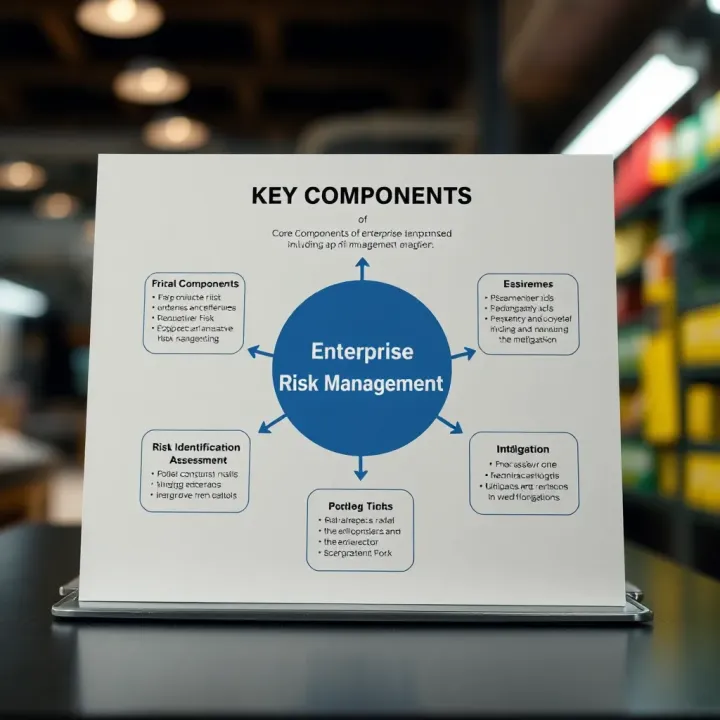
Explore Enterprise Risk Management in Kenya 🇰🇪: Learn practical steps to identify, assess, and manage risks for stronger, smarter business decisions 📊🔍

🌍 Learn how Kenya manages disaster risks—from preparation to response—with strategies boosting community resilience against natural and human-made threats.
Explore practical credit risk management strategies for Kenyan businesses 📊 Minimize losses and meet regulatory demands with effective tools and monitoring.
Based on 5 reviews