

Understanding Risk Management for Kenyan Businesses
📊 Learn how Kenyan businesses can master risk management by identifying, assessing, and minimizing threats to protect their operations and thrive in uncertain times.
Edited By
Amelia Barnes
At its core, risk management aims to identify, evaluate, and prepare for potential threats that could impact the smooth running of an organisation. This process supports three main goals: protecting assets, ensuring legal and regulatory compliance, and enabling smarter decision-making.
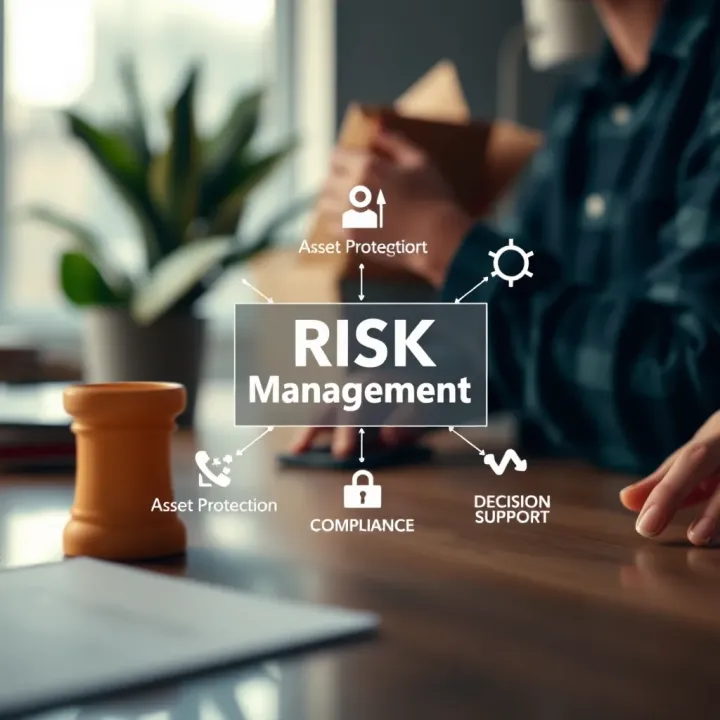
Businesses deal with various types of assets—financial reserves, physical equipment, intellectual property, or even client trust. For example, a Kenyan manufacturing company might rely heavily on its machinery and skilled staff. Implementing risk management reduces the chance that breakdowns, theft, or operational errors will cause huge financial damage. Through strategies like insurance coverage, regular maintenance, and staff training, organisations limit unexpected costs and disruptions.
Many Kenyan companies operate under strict regulations from bodies such as the Capital Markets Authority (CMA) and Kenya Revenue Authority (KRA). Risk management includes staying up-to-date with these rules to avoid penalties or legal disputes. For instance, financial institutions must manage risks linked to anti-money laundering rules and customer data protection. Ignoring compliance risks can lead to severe reputational damage and costly sanctions.
Effective risk management provides clear data that helps leaders make informed choices. A public sector institution, for example, may manage risks related to changing political climates or fluctuating budgets. By assessing these factors systematically, managers can adjust project plans or resource allocation without panic. This agility can save millions in wasted funds and maintain public trust.
Minimising financial loss, safeguarding reputation, and maintaining operational resilience are practical benefits that all Kenyan organisations should seek through effective risk management.
Identify potential threats to business continuity
Evaluate the impact and likelihood of these risks
Implement strategies to reduce or transfer risks
Comply with legal and industry standards
Support strategic planning with risk data
By focusing on these objectives, Kenyan businesses and public institutions improve their capacity to handle surprises, protect revenues, and maintain growth. This practical approach benefits not only investors and traders but also educators and analysts seeking to understand why some entities weather storms better than others.
Risk management plays a key role in steering organisations clear of pitfalls that may threaten their survival or growth. At its core, it is about identifying and addressing potential challenges before they become costly problems. For Kenyan businesses, especially those operating in unpredictable environments like the jua kali sector, having a clear purpose for risk management helps safeguard resources and maintain steady progress.
Physical assets include everything from office buildings, machinery, and vehicles to stock in a retail shop. Protecting these assets means preventing losses through theft, damage, or inefficient use. For instance, a Nairobi manufacturing firm could face heavy downtime and expenses if its machines break down due to poor maintenance. Employing risk management plans like scheduled upkeep and security systems reduces such costly interruptions.
Financial capital is the lifeblood of any business. Effective risk management guards against unexpected financial shocks, whether from market fluctuations, unpaid invoices, or sudden expenses. Kenyan SMEs often deal with cash flow unpredictability; hence, assessing risks helps them avoid bad debts or currency swings when trading across East African borders. A forex-hedging strategy or setting aside contingency funds are practical steps to shield financial assets.
Human resources represent both talent and cost. Managing risks related to staff means ensuring workplace safety, compliance with labour laws, and retaining skilled employees. For example, a tech startup in Nairobi must protect its intellectual property and maintain employee welfare to keep its competitive edge. Ignoring risks like burnout or non-compliance to regulations can lead to high staff turnover or legal penalties.
Identifying potential threats requires organisations to scan their environment constantly. This involves spotting risks before they escalate, such as recognising supplier instability or changing government policies. In Kenya, businesses that quickly detect shifts—like new tax regulations or fluctuating oil prices—can prepare better, avoiding last-minute panics.
Evaluating risk exposure involves quantifying how much loss or damage a threat could cause. It helps businesses prioritise which risks deserve immediate action. For example, a retail chain in Mombasa might find that supply chain disruptions during the rainy season could hit sales harder than minor currency variations, guiding where to allocate resources.
Informing strategic choices means using risk assessments to shape business plans. Sound risk management influences decisions like expansion, investments, or product launches. A Kenyan agribusiness anticipating climate variability may decide to diversify crops or invest in irrigation. By integrating risk data, leaders make smarter, more resilient choices.
Effective risk management doesn't just prevent loss; it empowers organisations to make confident decisions, protect what matters most, and adapt to changing conditions smoothly.

Preventing financial loss and ensuring business stability are central aims of risk management. Organisations that understand these objectives are better placed to limit unexpected expenses and maintain steady progress even in the face of economic shifts or operational challenges.
Operational risks arise from everyday processes, human errors, system failures, or external events disrupting business activities. For instance, a factory equipment breakdown can halt production, leading to significant costs for repairs and lost output. In Kenya, businesses relying heavily on machinery or technology must factor in risks like power outages or delayed supplies, which can trigger unforeseen expenses and ripple effects on customer deliveries and contracts.
Failing to comply with regulations can attract hefty penalties and legal costs. For example, data protection laws in Kenya require firms to protect customer information; breaches can lead to fines by the Data Protection Commissioner and damage to reputation. Businesses must therefore invest in compliance systems, staff training, and regular audits to avoid these liabilities, which often come unexpectedly but carry heavy financial consequences.
Kenyan companies involved in import-export face risks from fluctuating exchange rates. A sudden drop in the shilling against the US dollar can inflate the cost of imported raw materials, squeezing profit margins. Traders must monitor forex trends and consider hedging mechanisms to reduce exposure. For instance, a maize miller importing inputs in dollars could plan forward contracts to lock favourable rates, preventing sudden cost surges.
Markets shift constantly—consumer preferences change, new competitors emerge, and economic conditions fluctuate. Businesses that embed risk management into strategic planning can anticipate these uncertainties better. A Nairobi-based retailer might analyse trends and develop flexible sourcing strategies to adjust quickly during festive peaks or dry seasons when supply costs rise. Such foresight helps avoid disruptions.
Maintaining healthy cash flow is vital. Businesses face risks from delayed payments or unexpected expenses that can stall operations. For example, a small manufacturer dependent on a few large clients should monitor credit risks closely and diversify income streams. Planning for contingencies ensures that short-term cash shortages don’t escalate into operational crises.
Investors look for companies with clear risk management frameworks because it signals responsible stewardship and long-term viability. When a firm regularly assesses financial risks and can show measures in place to handle setbacks, it builds credibility. For Kenyan businesses eyeing funding from banks or the Nairobi Securities Exchange (NSE), demonstrating strong risk controls can be the difference between securing investment and being passed over.
Effective risk management reduces unexpected costs and prepares businesses for market shocks, creating a stable foundation for growth and trust among stakeholders.
By focusing on these areas, organisations can shield themselves against financial losses while maintaining the confidence of investors and partners essential for expanding their footprint locally and beyond.
Compliance with legal and regulatory requirements is a fundamental objective of risk management. Kenyan organisations face numerous laws and industry standards designed to protect consumers, workers, the environment, and the economy. Keeping up with these regulations prevents costly fines, legal action, and business disruptions.
Data protection requirements are increasingly vital as businesses handle more personal and sensitive information. The Data Protection Act, 2019, mandates organisations in Kenya to secure customer data and respect privacy rights. Failure to comply can result in severe penalties and loss of customer trust. For example, a bank must use secure encryption and strict access controls to protect client details, preventing breaches that could expose clients to fraud.
Environmental and safety regulations ensure businesses operate responsibly, reducing harm to people and nature. Firms in sectors like manufacturing or agriculture must follow laws such as the Environmental Management and Coordination Act (EMCA). Complying means proper waste disposal, emissions control, and workplace safety measures. For instance, a tea processing factory must treat its wastewater before release to avoid environmental fines and public backlash.
Tax and financial reporting compliance is critical for transparent operations and trustworthiness. Organisations must adhere to the Kenya Revenue Authority (KRA) rules by submitting accurate tax returns and financial statements on time. A company that neglects this risks audits, interest payments, and legal scrutiny. Good compliance encourages investor confidence and smooth dealings with other institutions.
Penalties from regulatory bodies can severely impact an organisation’s finances and operations. Regulatory institutions such as KRA, the National Environment Management Authority (NEMA), and the Communications Authority of Kenya (CAK) enforce compliance through fines, license revocations, and operational restrictions. For example, a mobile service provider ignoring CAK rules on data caps faces hefty fines that disrupt business cash flows.
Reputational damage from non-compliance often lasts longer than financial penalties. Public exposure of regulatory breaches can destroy customer trust and deter potential partners or investors. A well-known Kenyan food company once suffered widespread boycotts after failing health and safety inspections, illustrating how a single lapse jeopardises years of goodwill. Organisations that proactively manage compliance are better positioned to protect their brand and maintain stakeholder respect.
Staying ahead of legal and regulatory demands not only reduces the risk of sanctions but also strengthens an organisation’s standing in the marketplace.
Organisations should treat compliance as an integral part of their risk management strategy, embedding it into daily operations and decision-making. This approach helps Kenyan businesses and institutions remain resilient, competitive, and legally sound.
Protecting a company’s reputation and building trust with stakeholders is key to long-term success. In Kenyan markets, where news spreads fast and social proof influences buyer behaviour, a solid reputation can differentiate a business from its competitors. Organisations that manage risks effectively avoid damaging incidents that could harm their image or shake stakeholder confidence.
Communication during crises plays a vital role in keeping public trust intact. When issues arise, such as product recalls or service interruptions, prompt and honest communication reduces speculation and rumours. For example, a supermarket chain facing a contaminated goods recall should notify customers quickly through social media and customer service teams while outlining corrective actions. This approach reassures buyers that the business takes responsibility, protecting public confidence.
Handling complaints and claims efficiently can restore faith in a company’s commitment to its clients. Kenyan firms that maintain clear procedures for responding to customer grievances, whether about product quality or delayed services, tend to retain loyal clients even after mistakes. Quick resolution with compensation or sincere apologies often rebuilds goodwill. Conversely, ignoring or delaying complaints risks spreading negative word of mouth.
Transparent reporting is essential for showing accountability to all stakeholders. Public companies on the Nairobi Securities Exchange (NSE), for instance, must keep shareholders informed about risks and mitigation steps through accessible annual reports and disclosures. Transparency in financial and operational performance signals that a company is governed responsibly, attracting investors and encouraging stakeholder engagement.
Demonstrating risk awareness indicates to partners and investors that the organisation understands its business environment and prepares for uncertainties. For example, a construction firm actively mapping risks like supply chain shortages or regulatory changes reassures joint venture partners and financiers of its readiness. This confidence can lead to better financing terms and strategic support.
Building long-term collaborations depends on trust developed from consistent risk management practices. Kenyan businesses that openly discuss risks and mitigation strategies with suppliers, contractors, and investors foster stronger alliances. Such transparency helps all parties expect challenges and plan accordingly, preventing surprises that could end partnerships. Over time, these relationships create a stable resource network crucial for growth and resilience.
Organisations that manage reputation and stakeholder trust through proactive risk management stand a far better chance to sustain growth, cope with challenges, and secure ongoing support.
By prioritising these elements, Kenyan businesses can protect themselves from reputation damage and build the trust needed to thrive in competitive markets.
Organisations in Kenya face various risks that could disrupt daily operations, from unpredictable weather to technology failures. Building operational resilience ensures a business can withstand shocks and continue functioning smoothly. Business continuity planning helps organisations prepare for emergencies, reducing downtime and losses. Together, these objectives protect investments and maintain trust among clients, investors, and partners.
Natural disasters and climate risks often hit Kenya, particularly during the long and short rain seasons. Floods can damage physical infrastructures or block supply routes, while droughts affect water supplies and production, especially in agriculture and manufacturing sectors. Companies in Nairobi or Mombasa, for instance, have to consider these environmental challenges. By assessing climate risks, businesses can implement strategies like relocating critical operations or securing insurance to cushion losses.
Technology breakdowns pose a growing threat as many Kenyan firms depend on digital systems. Power outages, common in some parts of the country, or sudden server failures can halt transactions and data processing. For example, a bank’s unexpected network downtime could disrupt customers using M-Pesa or bank cards. Planning must include reliable backup internet connections and uninterruptible power supplies (UPS) to protect against such breakdowns.
Supply chain interruptions have become more visible due to events like the COVID-19 pandemic or political demonstrations affecting transport routes. Kenyan manufacturers relying on imported raw materials through Mombasa port, for example, may face delays that stall production. Businesses should diversify suppliers and maintain buffer stocks to absorb shocks, ensuring continuity even when usual channels face challenges.
Developing backup plans is crucial for smooth recovery when disruptions occur. These plans outline alternative processes and resource allocations to maintain essential operations. A Nairobi-based export company, for example, might identify secondary storage facilities or alternative shipping lines to handle emergencies. Well-prepared backup plans reduce decision delays when quick action is needed.
Training and drills familiarise staff with emergency procedures and test the effectiveness of response plans. Regular practice enables employees to act confidently during real incidents, minimising confusion. Kenyan public sector offices, for instance, conduct yearly fire drills and cybersecurity training to prepare staff for emergencies, which strengthens resilience.
Continuous risk monitoring helps detect new and evolving threats early. It involves regularly reviewing internal and external factors, such as political changes or emerging cyber threats. Using tools like risk dashboards or engaging local experts allows organisations to adjust strategies timely. This proactive approach ensures businesses stay ahead, limiting damage and bouncing back quicker from setbacks.
Building operational resilience and business continuity is not just about surviving crises but adapting and thriving despite them. For traders, investors, and financial analysts, this means greater confidence in an organisation’s stability and long-term viability.
📊 Learn how Kenyan businesses can master risk management by identifying, assessing, and minimizing threats to protect their operations and thrive in uncertain times.

Explore credit risk management in Kenyan banks 🏦: key types, assessment tools, strategies, and challenges to safeguard assets and ensure stability 📊.

Learn essential forex risk management strategies tailored for Kenyan traders 📊. Master position sizing, stop losses, and trading psychology for safer trades.

📊 Learn financial risk management essentials in Kenya—identify, assess, and control risks using practical tools and best practices for business security.
Based on 5 reviews