

Understanding Risk Management for Kenyan Businesses
📊 Learn how Kenyan businesses can master risk management by identifying, assessing, and minimizing threats to protect their operations and thrive in uncertain times.
Edited By
Liam Foster
Risk management is one of those business tools that Kenya’s companies can’t afford to ignore. It directly influences financial performance by helping firms steer clear of unexpected losses and stay competitive in markets that shift as fast as Nairobi traffic during rush hour. In a country where economic conditions and regulations are always evolving, understanding and managing risks is more than just precautions — it’s a necessity for survival and growth.
Many Kenyan businesses face a mix of financial, operational, market, regulatory, and even climate-related risks. For example, a tea exporter in Kericho might struggle with fluctuating global prices and unpredictable weather, while a tech startup in Nairobi deals with cybersecurity threats and stiff competition for funding. Each risk, if left unmanaged, can eat into profit margins or drain resources.

By identifying these risks early and putting controls in place, companies can reduce unexpected costs, avoid penalties, and protect their assets. This, in turn, improves cash flow stability and enhances profitability. For instance, firms that maintain proper insurance cover and diversify suppliers often recover faster from disruptions like supply chain delays or equipment failures.
Effective risk management boosts financial resilience, enabling businesses to adapt quickly and sustain profitable operations in Kenya’s dynamic commercial environment.
Cost Control: Minimising losses from frauds, theft, or operational failures lowers unnecessary expenses.
Credit Management: Evaluating customer credit risk reduces bad debts and improves receivables turnover.
Compliance Avoidance: Meeting Kenya Revenue Authority (KRA) and Central Bank of Kenya (CBK) regulations helps avoid fines that can dent profits.
Investment Protection: Assessing market and currency risks before investing preserves capital and secures returns.
Business Continuity: Planning for events like power outages or floods prevents costly downtime.
Conduct regular risk assessments alongside finance reviews.
Train staff on recognising and reporting risks early.
Use technology tools like accounting software integrated with risk alerts.
Keep updated with regulatory changes from bodies like KRA and CMA (Capital Markets Authority).
Build a risk-aware culture starting from top management down.
Many firms already notice improved cash flow and profit margins once these steps are in place. Risk management isn’t just about avoiding losses; it’s about creating a clearer pathway to sustainable financial success in Kenya’s market conditions.
Effective risk management is vital for Kenyan businesses aiming to sustain profitability and growth. Without a clear grasp of risk management, companies can quickly find themselves exposed to unexpected challenges that affect their financial health, from sudden market swings to regulatory changes. For example, a Nairobi-based exporter faces currency fluctuations affecting its earnings. Understanding how to identify and respond to such risks helps build resilience.
Kenyan business owners and financial analysts need to appreciate the practical benefits that come with managing risks well. It’s not just about avoiding losses but also about seizing opportunities safely and confidently. Well-managed risks translate to smoother operations, better allocation of resources, and improved investor confidence.
Risk management involves recognising potential threats to a business and taking steps to control or reduce their impact. The purpose is to protect the company’s assets, earnings, and reputation by preparing for uncertainties. Rather than avoiding risks altogether, a business aims to understand them well enough to make informed decisions. Essentially, it's about minimizing surprises that could derail financial goals and ensuring that the business can survive and thrive.
These include risks from day-to-day activities that can disrupt business functions. In Kenya, this might involve power outages affecting manufacturing or delays in supply due to poor infrastructure. For example, a logistics company relying on matatus for deliveries may struggle during protests or roadblocks, impacting customer satisfaction and revenues.
Financial risks relate to factors influencing cash flow and capital structure. Kenyan businesses often face these through interest rate rises, inflation, or foreign exchange variability. A company taking a loan from a local bank might find repayments more expensive if central bank rates increase, which squeezes profit margins unexpectedly.
Market risks arise from changes in consumer demand or increased competition, common in Nairobi’s bustling commerce scenes. Credit risk involves clients failing to pay owed amounts. For example, an SME supplying goods on credit might lose significant income if customers delay payments, affecting liquidity and business operations.
Changes in laws or failure to comply with regulations can cause penalties or operational halts. A company in the telecommunications sector must adhere to the Communications Authority of Kenya’s rules, or risk fines and licence cancellations. Frequent shifts in taxation or environmental laws also create compliance challenges.
This step requires businesses to spot potential risks that could affect them. Using checklists or historical data helps reveal areas vulnerable to threats, such as weak points in supply chains or financial exposure. For instance, a retailer might identify theft and stock damage as operational risks through regular inventory audits.
After identifying risks, the next step is evaluating their likelihood and potential impact. Not all risks are equal—some deserve immediate attention, while others can be monitored over time. A lending institution may prioritise credit default risk over smaller operational hiccups because it directly threatens survival.

Once priorities are clear, businesses develop plans to reduce risks. This can involve diversifying suppliers to avoid stock shortages, taking insurance against fire or theft, or hedging currency exposure through financial products. Practical mitigation keeps losses manageable and operations stable.
Risks evolve, so continuous tracking is necessary. Regular reporting allows managers to spot new risks early and review the effectiveness of controls. A manufacturing firm might set up dashboards showing delays or quality defects to catch risks before they escalate.
Understanding and managing risks is not a one-off task but a continuous cycle that protects your business value and helps keep financial performance on track.
Risk management directly shapes how well a business performs financially. Without proper controls, a company can face losses that eat away at profits or even threaten its existence. Kenya’s business environment, with its mix of regulatory challenges and economic fluctuations, makes effective risk management all the more vital for protecting earnings and ensuring steady growth.
Strong risk controls help businesses avoid costly surprises. For instance, a Nairobi-based exporter that monitors currency risks can hedge against the Kenyan shilling’s volatility, protecting margins when payments come from overseas. By reducing unforeseen expenses—such as fines for non-compliance or defaulting on contracts—businesses can keep more of their revenue as profit.
Besides, risk controls enhance decision-making. A company that regularly assesses market trends and credit risks can avoid entering contracts with unreliable clients, reducing bad debt write-offs. Ultimately, managing these risks means improved profitability through fewer losses and better cost predictability.
Cash flow is the bloodstream of any business. Risk management ensures smoother cash flow by foreseeing potential cash shortages or spikes in operating costs. For example, a hospitality business in Mombasa that forecasts seasonal demand and plans for maintenance costs reduces the possibility of unexpected cash crunches.
Cost management also benefits. When risks are identified early—such as supply chain interruptions—a business can diversify suppliers or build buffers. This proactive stance prevents emergency spending that disrupts budgets. Kenyan small and medium enterprises (SMEs), which often struggle with tight cash reserves, stand to gain significantly by embedding risk checks in their financial planning.
Protecting physical and financial assets is fundamental. Consider a manufacturing firm in Kisumu that insures equipment against fire or theft; this assurance limits losses during unforeseen incidents. Similarly, investments in safe financial instruments or hedging strategies shield a company’s capital from market downturns.
Monitoring risks related to property, equipment, and investments helps ensure continuity in business operations. It also boosts investor confidence, as transparent risk policies demonstrate responsible management. This trust can be the difference when seeking capital for expansion in Kenya’s competitive markets.
Efficient risk management does not just prevent losses; it strengthens the foundation upon which profitable, sustainable businesses are built, especially in Kenya’s dynamic economic setting.
In summary, linking risk management to financial outcomes involves clear controls that protect profit margins, maintain steady cash flow, and safeguard valuable assets. Kenyan businesses that prioritise these aspects stand a better chance of thriving amid uncertainties and gaining a competitive edge.
Risk management in Kenya faces unique challenges shaped by the country’s diverse economy and regulatory environment. Businesses need strategies that reflect local realities, such as a large informal sector, regulatory complexities, and economic swings. Understanding these factors helps companies secure financial stability by anticipating obstacles specific to Kenya’s market.
Kenya’s informal sector, especially the jua kali (meaning 'hot sun') artisans and small traders, dominates the economy. These businesses usually operate without formal risk controls due to limited resources and lack of regulatory oversight. For instance, a boda boda operator or a kiosk owner rarely has insurance cover or formal contracts, exposing them to operational and financial risks. The informal nature restricts their ability to access loans or credit facilities, increasing vulnerability to shocks like theft, accidents, or sudden market changes.
Businesses in Kenya often navigate a mix of fragmented regulations and bureaucratic hurdles. The regulatory system can be inconsistent, with delays in licensing or complicated tax requirements through the Kenya Revenue Authority (KRA) iTax platform causing compliance risks. Small and medium enterprises (SMEs) may struggle to keep up with frequent policy changes or varying county regulations, which raises costs and may lead to penalties. This environment demands flexible risk management that anticipates shifts and builds strong compliance frameworks.
Kenya’s economy is prone to cyclical fluctuations, weather-driven agricultural shocks, and changes in foreign exchange rates. The Kenyan Shilling’s volatility against the dollar or euro impacts import-dependent businesses, inflating costs unpredictably. For example, a manufacturing firm importing raw materials from China might face sudden cost increases, which if unmanaged, squeeze profit margins. Effective risk management means hedging currency risks or maintaining diversified supply chains to protect financial performance.
SMEs, which form the backbone of Kenya’s economy, are increasingly aware of risk management but lack structured frameworks. Many rely on informal methods like personal savings or advice from community networks for managing risks. However, forward-thinking SMEs now adopt simple risk assessment tools or engage fundis to ensure compliance and operational continuity. For example, a quick-service restaurant might start tracking cash flow risks using mobile accounting apps, improving both efficiency and resilience.
Large Kenyan firms, particularly in finance, telecoms, and agro-processing, generally have more sophisticated risk management systems. They employ formal frameworks aligned to international standards like ISO 31000 to identify, assess, and mitigate diverse risks. Safaricom’s approach, for instance, includes cyber risk management and stringent regulatory compliance monitoring, protecting its assets and reputation. These frameworks help large corporations sustain profitability despite market pressures.
Industry bodies such as the Kenya Association of Manufacturers (KAM) and regulators including the Capital Markets Authority (CMA) drive risk management awareness through training, guidelines, and enforcement. They assist businesses in understanding legislative changes and adopting best practices. For example, CMA’s investor protection rules encourage firms to manage investment risks proactively. These organisations act as a bridge linking policy and practical business risk mitigation, enhancing the overall sector stability.
Kenyan businesses that tailor risk management to local challenges strengthen their financial footing and build long-term resilience. Practical frameworks aligned to Kenya’s economic and regulatory environment enable companies to anticipate disruptions and protect profitability.
A strong risk management approach can significantly improve a Kenyan business's financial performance by reducing unexpected losses and enhancing decision-making. The right strategies not only identify threats early but also exploit opportunities that might otherwise be missed. For businesses—from SMEs to large corporations—practical risk strategies create a foundation where profits stabilise and even grow despite market uncertainties.
Incorporating risk assessment at the business planning stage helps companies embed controls and contingencies directly into their operations. For instance, a Nairobi-based exporter might assess currency fluctuations affecting their earnings and plan pricing or hedging accordingly. This early identification allows for budgeting that includes potential cost overruns or delays, making cash flow projections more reliable. When risk becomes part of the financial model, businesses avoid nasty surprises that cripple liquidity and profitability.
Managers should regularly review their business plans against emerging risks such as supply chain disruptions or regulatory changes, adjusting their strategies as needed. This proactive stance means the business isn’t just reacting to problems but actively managing uncertainty to maintain smooth operations and steady financial returns.
Kenyan businesses increasingly rely on technology to sharpen their risk management. Digital tools like enterprise resource planning (ERP) systems and data analytics platforms help monitor financial health in real-time. For example, a retailer using sales and inventory data analytics can spot slow-moving stock early and adjust orders to avoid excess holding costs.
Besides operational efficiency, data analytics enables sophisticated credit risk assessment. Microfinance institutions in Kenya use credit scoring models driven by mobile money transaction histories to make faster, more accurate lending decisions, reducing defaults. Embracing such technology reduces manual errors, speeds up reporting, and supports better-informed choices that improve financial results.
Creating a culture where risk awareness is part of everyday conversations keeps everyone alert and responsible. Staff trained to recognise potential financial or operational risks can raise issues early, preventing problems from escalating. A good example is a Jua Kali workshop where workers spot safety hazards or material shortages and report them before they disrupt production.
Top leaders set the tone by encouraging openness about risks and rewarding proactive behaviour. This cultural shift reduces blind spots and fosters continuous improvement, translating into stronger financial footing. When risk management becomes everyone’s business, the organisation can better manage costs and protect its assets effectively.
Effective risk strategies do not just shield your business but actively improve your ability to navigate Kenya's dynamic market environment, resulting in healthier profits and sustainable growth.
Implementing these strategies thoughtfully offers Kenyan businesses a practical pathway to not just survive but thrive in a competitive financial landscape.
Managing risks effectively is more than just a compliance exercise; it is a direct driver of financial strength and stability for Kenyan businesses. By identifying, assessing, and mitigating risks, companies can reduce unexpected costs, avoid regulatory penalties, and protect their assets from unforeseen shocks. For example, a Nairobi-based exporter that manages foreign exchange risk carefully will shield its profits from shilling volatility, which happens frequently in Kenya.
Moreover, sound risk management improves cash flow predictability. Businesses that plan for risks such as supply chain disruptions or credit defaults tend to maintain smoother operational financing. This reliability makes it easier to attract investors or secure bank loans, which is critical for growth, especially in competitive sectors like agriculture or manufacturing.
Good risk management isn’t just about avoiding losses; it enables firms to seize opportunities with confidence.
By embedding risk controls in everyday operations, firms also build trust with clients and partners. This improved reputation often translates into better contracts and market share. Consider the case of a Kenyan bank that implements robust cybersecurity measures; clients feel safer transacting online, boosting customer loyalty and revenues.
Risk management covers diverse threats, including operational, financial, and regulatory risks that can affect profitability.
Practical frameworks help prioritise risks so that companies focus resources on those with the highest financial impact.
Kenyan business contexts present unique challenges, such as currency fluctuations and informal sector dynamics, influencing risk approaches.
Technology and data analytics enhance risk detection and response times, improving decision-making.
An organisational culture that values risk awareness ensures ongoing vigilance and adaptation.
Consistent risk management is not a one-time event but a continuous process that supports lasting business growth. Kenyan companies that embed risk thinking into their strategic plans are better equipped to navigate economic swings and regulatory changes. They also tend to innovate cautiously, balancing ambition with prudence.
Staying ahead means investing in staff training, upgrading technology, and engaging with regulators and industry bodies to remain compliant and informed. Businesses that do this create a foundation for sustainable growth and avoid the pitfalls that often catch less prepared competitors.
In essence, the link between managing risks well and solid financial performance is clear: prudent companies survive tough times and thrive in good ones. This is especially true in Kenya, where market conditions can shift rapidly. Embracing risk as part of everyday business ensures you don’t just react to challenges—you plan for them and come out stronger.
📊 Learn how Kenyan businesses can master risk management by identifying, assessing, and minimizing threats to protect their operations and thrive in uncertain times.

📊 Learn financial risk management essentials in Kenya—identify, assess, and control risks using practical tools and best practices for business security.

🔍 Explore how risk management helps businesses in Kenya spot and handle threats, reduce losses, and make stronger decisions for steady growth.
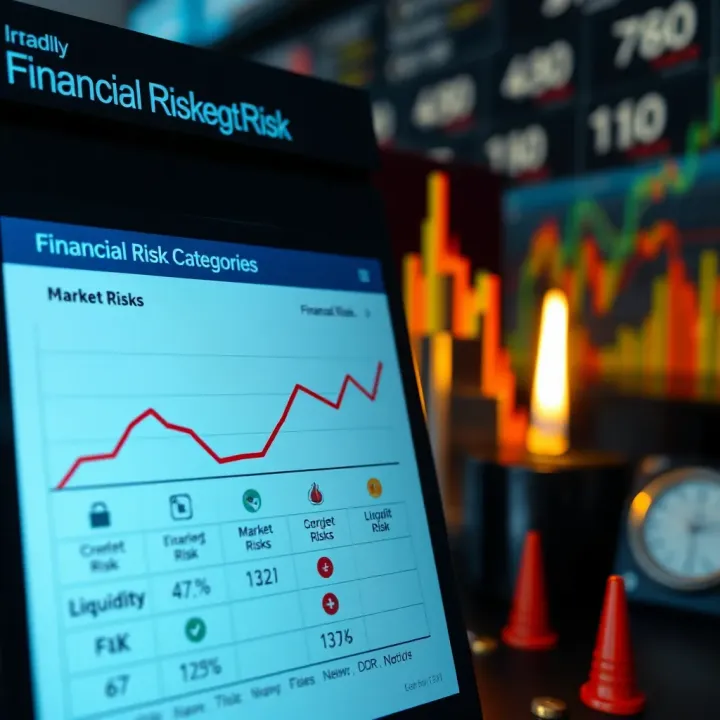
📊 Learn practical strategies to identify and manage financial risks in Kenya's markets. Protect investments and minimize losses with effective tools and insights.
Based on 5 reviews