

Forex Risk Management for Kenyan Traders
Learn essential forex risk management strategies tailored for Kenyan traders 📊. Master position sizing, stop losses, and trading psychology for safer trades.
Edited By
Emily Clarkson
Managing risks in projects is no longer a luxury; it's a necessity, especially for Kenyan businesses navigating a market full of uncertainties. Whether you're in construction, running an SME, or managing an IT project, being prepared for risks can save you from costly delays and losses.
In Kenya, the business environment can change quickly due to factors like fluctuating exchange rates, political shifts, and changing regulations. For instance, a rise in fuel prices can suddenly hike transport costs on a construction site in Nairobi, impacting the overall budget.
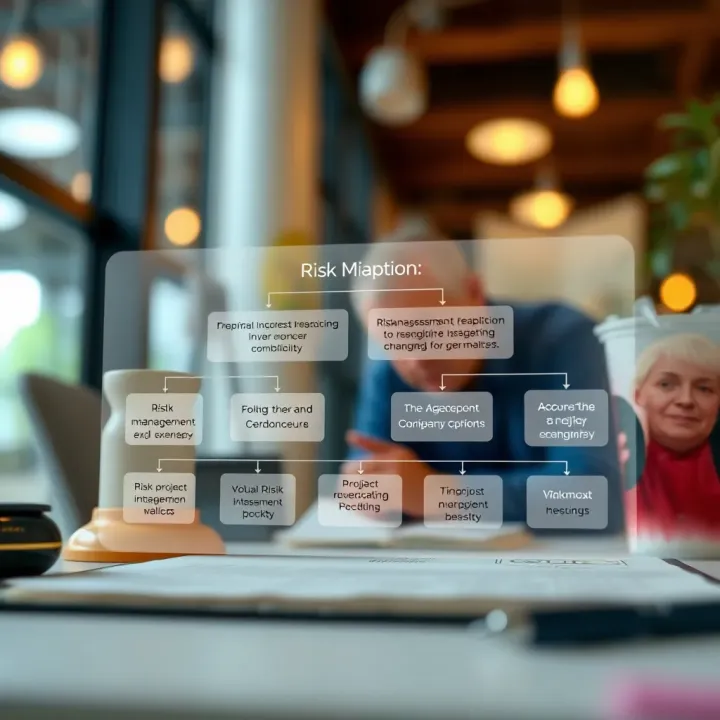
Risk management starts with identifying potential threats early. This means looking closely at your project's environment and pinpointing anything that might cause a problem. It could be anything from supplier delays to poor communication within your team. For example, an IT firm working on software deployment must consider risks like system incompatibility or security breaches.
Once identified, assessing these risks helps you understand their impact and likelihood. This step lets you prioritise which risks need immediate action and which can be monitored. You might rate the chance of delayed deliveries as high but with a moderate impact, while the impact of regulatory changes could be severe but less likely.
Responding to risks involves deciding on strategies such as avoiding, transferring, mitigating, or accepting them. A construction company might choose to transfer risk by getting insurance against theft of equipment, while an SME might mitigate financial risks by keeping a cash reserve.
Communication plays a big role throughout the project lifecycle. Keeping all stakeholders informed about risks and the steps taken builds trust and ensures everyone is ready to act swiftly if problems arise.
Successful risk management isn't about avoiding every risk but managing them so their effects don't derail your project.
Effective monitoring is equally important. It means regularly reviewing risks and updating your plans as the project progresses or as new information emerges. The long rains season, for example, could delay roadworks, so adjustments need to be made promptly.
By applying these risk management principles, Kenyan businesses can protect their projects, maintain budgets, and meet deadlines, even when unexpected challenges crop up. This practical approach lets you focus on growth without constant worry about what might go wrong.
Risk management in projects is about recognising potential problems before they occur and figuring out how to handle them. For Kenyan businesses, this means protecting projects from unexpected hurdles that could derail timelines or inflate costs. It's not just a bureaucratic box to tick but a practical approach to keep projects running smoothly even when challenges pop up.
Project risk refers to any uncertain event or condition that might affect a project's objectives—be it budget, schedule, or quality. Risks aren’t always negative; some can offer opportunities, but usually, the focus in risk management is to prevent or reduce negative impacts. For example, a construction company might face risks like fluctuating cement prices or unreliable supply of skilled labour, which could delay the project or increase costs.
Handling risks well boosts a project's chances of success by avoiding nasty surprises. When businesses identify risks early, they can plan around them, saving time and money. Consider an IT firm in Nairobi launching a new system; if they anticipate possible regulatory changes from the Communications Authority, they can adjust their compliance plans ahead rather than scrambling after the fact. Proper risk management also keeps stakeholders confident and project teams focused, reducing stress and confusion.
A major risk many Kenyan projects face relates to finances. Price hikes in materials, currency fluctuations, or unexpected taxes can blow a project’s budget. For instance, a real estate developer in Mombasa might budget for imported fittings, only to find costs doubling due to new import duties. Without a contingency plan, this can stall projects or lead to poor-quality compromises just to stay afloat.
Operational risks cover challenges in getting the right resources on time, whether it’s labour, equipment, or materials. The jua kali sector, essential in many projects, can sometimes have shortages or delays, especially during rainy seasons. For example, sourcing skilled masons or reliable boda boda transport for site supplies may become difficult, affecting the whole timeline.
Kenyan projects often face disruption from outside factors. Changes in county regulations can unexpectedly alter project permissions or requirements. Weather, especially during the long rains, can also halt construction or deliveries. A farming cooperative in Nakuru may struggle if unforeseen heavy rains delay planting, which affects the entire project cycle.
Poor communication can create misunderstandings between project teams, clients, suppliers, or government bodies. Take a community water project where local leaders feel sidelined; this might cause delays or opposition. Effective communication ensures everyone stays informed and aligned, helping to prevent conflicts or misinformation that could jeopardise progress.
Investing time in understanding these risks early gives Kenyan businesses an edge in keeping projects on track despite uncertainties.
By grasping what risk management involves and the typical risks faced, traders, financiers, and project teams in Kenya can better prepare, allocate resources wisely, and make informed decisions that protect project goals.
Identifying and assessing risks are the backbone of managing projects effectively, especially in Kenya's fast-moving business environment. These steps help spot potential problems before they spiral out of control, saving time, money, and reputation. Without early identification, a project might stumble into challenges like funding shortfalls or delays caused by regulatory changes – common risks in sectors like construction or IT.

Brainstorming brings the whole project team together to openly discuss possible risks. This teamwork encourages diverse views, catching threats that an individual might miss. For instance, a team working on a Nairobi road upgrade might highlight risks ranging from traffic disruptions to material supply delays due to heavy rains. This method empowers every member, from project managers to site workers, to pitch in, fostering a sense of shared responsibility.
Besides uncovering risks early, active brainstorming sessions promote communication that smooths over misunderstandings later in the project life cycle. It’s a cost-effective way to gather rich information without needing external consultants.
Experienced experts and stakeholders have specialised knowledge that deepens risk insight. In Kenyan projects, this might mean seeking views from regulatory bodies, local leaders, suppliers, or even insurance firms. For example, a solar power project in Kisumu asking the Energy and Petroleum Regulatory Authority (EPRA) about licensing risks can avoid costly legal complications.
Stakeholder consultation also ensures the project stays aligned with community expectations and legal requirements, reducing opposition or last-minute setbacks. Their inputs often reveal issues overlooked internally, such as cultural sensitivities or local weather effects.
Looking back at prior projects and official documents illuminates common risk patterns. Kenyan firms can examine records of similar projects—like previous road construction tenders or IT rollouts—to identify recurring hiccups, such as budget overruns or delays due to equipment shortages.
Historical data provides a solid factual basis for judgement, unlike guesswork or assumptions. Metadata reports, contracts, and lessons learned help anticipate problems unique to local contexts.
Once risks are identified, measuring their potential impact and the likelihood they will happen is key for handling them properly. Qualitative methods use expert judgement or scales like "low", "medium", and "high" to describe risk factors. This suits quick assessments or when data is scarce.
Quantitative methods bring numbers into play: for instance, calculating that a 30% chance exists for rainfall to delay foundation work by two weeks. Kenyan project managers might use software tools or spreadsheets to estimate financial impacts in shillings, time delays in days, or safety risks using injury rates. These numbers make decision-making sharper and help justify risk responses to investors or boards.
Not all risks deserve equal attention. Prioritising ensures resources focus on the threats that matter most to a project’s goals — whether they are deadlines, budgets, or quality standards. For example, in a Nairobi-based IT system upgrade, a risk of cyberattack disrupting service would rank higher than the risk of a short power outage.
This prioritisation usually comes from combining impact and probability scores into a risk matrix, helping teams visually see which risks deserve immediate mitigation. The approach avoids wasting funds on minor risks, a common pitfall in Kenyan SMEs juggling tight budgets.
Properly identifying and assessing risks allows Kenyan businesses to manage projects proactively, preventing surprises that could stall progress or inflate costs.
Managing project risks isn’t just about identifying problems early but also putting practical ways to handle them effectively. For Kenyan businesses, especially those juggling tight budgets and uncertain environments, having clear strategies can save time, money, and reputations.
Changing plans to eliminate risks means adjusting your project's approach to dodge risks completely. For instance, a construction firm in Nairobi might decide to shift from a rainy season schedule to a drier period to avoid weather disruptions. This tweak is simple but can significantly reduce delays and cost overruns.
Sometimes, project teams might avoid using untested materials or vendors to lower risk altogether. Although it can mean extra initial research, avoiding certain risks can prevent bigger headaches down the line.
Implementing controls to lower risk probability involves putting safeguards in place to reduce how often or how severely a risk might impact the project. For example, during IT projects, using redundant data storage or cloud backups can protect against system crashes or data loss.
In Kenya’s context, operational risks such as power outages can be lowered by backup generators or solar power. These controls don’t remove the risk completely but reduce the chances it will derail your project.
Insurance and contracting out risks allow businesses to shift risks to others better positioned to manage them. A farming enterprise might insure against drought or pest outbreaks, spreading the financial impact if those events happen.
Likewise, outsourcing specialised tasks to vendors with proper licences and experience helps transfer the risks associated with those activities. In practical terms, a Nairobi software company could hire a cybersecurity firm to handle protection instead of managing it in-house.
Accepting risks when they are minor or unavoidable is also a sensible strategy. Sometimes, the effort or cost to avoid a risk is higher than the potential damage. A small business may accept minor delays caused by traffic jams, rather than adding costly overtime for staff.
Risk acceptance works best when the possible impact has limited effect on the overall project. It’s about recognising when a risk is just part of the environment and planning accordingly.
Assigning responsibilities for managing specific risks means clearly naming who handles what. This avoids confusion during crunch times. For example, the project manager might monitor financial risks while the procurement officer handles supplier issues.
This clarity ensures risks are actively tracked and dealt with promptly. In Kenyan SMEs, assigning risk tasks encourages ownership and faster problem-solving.
Setting up contingency measures and reserves means preparing backup plans and budgeting extra funds to respond if risks materialise. Consider a logistics firm that sets aside KSh 500,000 to cover road closures or vehicle breakdowns.
Contingency plans could include alternative suppliers or emergency communication lines. These steps make the project resilient against surprises, ensuring smoother progress even when challenges arise.
Developing clear risk management strategies transforms risks from surprises into manageable parts of project life. Kenyan businesses focusing on avoidance, transfer, acceptance, and planning improve their chances of delivering on time and within budget.
Keeping a close eye on risks once the project is underway is vital for preventing small issues from ballooning into major problems. Monitoring and reporting ensure that the project team stays alert to changes and can react without delay. Projects in Kenya, from infrastructure to tech startups, often face uncertainties like fluctuating material costs or shifting regulations, so continuous risk oversight helps in steering clear of unexpected losses.
Using risk registers and regular reviews is a straightforward way to keep track of known risks. A risk register typically lists each risk, its potential impact, likelihood, and mitigation measures. By updating this document during regular project meetings, the team can spot changes early. For example, a construction project in Nairobi might record a risk about delays from suppliers; if a supplier notifies of late deliveries, this is immediately noted and addressed.
Adjusting plans as new information arises keeps the project flexible and responsive. Risks are dynamic—they can become more or less serious, or new risks might emerge. Suppose a telecom rollout in Kisumu faces unexpected licensing delays. The project manager should revisit the schedule, resources, and budget, making necessary changes to limit impact. Without adjustments, the project is prone to overruns and missed targets.
Ensuring transparency and timely updates builds trust with everyone involved—from investors to project staff. Regular communication about risk status helps avoid surprises. Take a local renewable energy project: if the team informs the county government promptly about a potential funding shortfall, both sides can work together on solutions, avoiding stalled progress.
Using reports tailored for different audiences enhances clarity. Not every stakeholder needs technical details; some prefer summaries highlighting issues and actions. For instance, a board of directors may get a high-level report focusing on key risks affecting project viability, while the project team receives detailed logs. Customised reporting improves decision-making and keeps stakeholders engaged without information overload.
Consistent risk monitoring and clear communication aren't just good practice—they actively protect your project’s success in Kenya’s changing business climate.
By actively tracking risks and sharing their status in ways that suit different groups, Kenyan businesses can handle uncertainties better and keep their projects on the right path.
Managing project risks in Kenya needs more than general principles—it calls for adapting to local conditions and challenges. Businesses here face unique hurdles like varied county regulations, unpredictable weather patterns, and resource limitations. Recognising these realities helps projects stay on track and avoid unnecessary setbacks.
Kenya’s devolved government means every county can have its own rules governing business operations. For a building project in Nakuru, for example, securing the right approvals might differ considerably from Nairobi. This calls for a careful assessment of county-level regulations early in project planning. Ignorance of these requirements can lead to delays or fines, so engaging local government offices promptly is key.
Weather also plays a major role in risk management. The long and short rains can disrupt construction timelines, transport, and supplies. A roadworks project along the Coast might suffer flooding during the April-May rains, causing damage or halts. Planning alternative work schedules or stocking essential materials ahead of peak rainfall can mitigate such risks effectively.
Mobile platforms like WhatsApp and customised project management apps have become invaluable for projects across Kenya. Using these tools allows teams spread across various sites in places like Kisumu and Eldoret to communicate instantly, update risk registers, and share photographs of emerging issues. This quick exchange improves responsiveness and reduces the chance of risks escalating unnoticed.
Partnering with local experts who understand regional challenges adds significant value. A Nairobi-based IT firm working on a system rollout can benefit from consultancy by cybersecurity specialists familiar with Kenyan data protection laws. Similarly, a construction business in Meru might work closely with local environmental consultants to manage ecological risks unique to the area.
Training project teams on identifying and responding to risks is an investment that pays off. In Kenya, many SMEs might not have formal risk management structures, so equipping team members with the know-how to spot early signs of trouble or communicate concerns helps prevent minor issues from becoming costly.
Beyond skills, cultivating a culture where risk awareness and accountability are part of everyday practice is just as necessary. When everyone from the project manager to the site supervisor understands their role in managing risks, problems are caught earlier. This shared responsibility helps build trust within the team and with stakeholders, which can be a strong buffer against unexpected shocks.
Effective risk management in Kenyan projects depends heavily on adapting to local conditions—whether that’s through understanding county rules, preparing for seasonal weather changes, or tapping into local knowledge and technology. Building capable teams with a clear mandate to manage risks makes a real difference in project success.
By focusing on these practical considerations, Kenyan businesses can shield their projects against disruptions and deliver on their promises more consistently.
Learn essential forex risk management strategies tailored for Kenyan traders 📊. Master position sizing, stop losses, and trading psychology for safer trades.

🔍 Explore how risk management helps businesses in Kenya spot and handle threats, reduce losses, and make stronger decisions for steady growth.
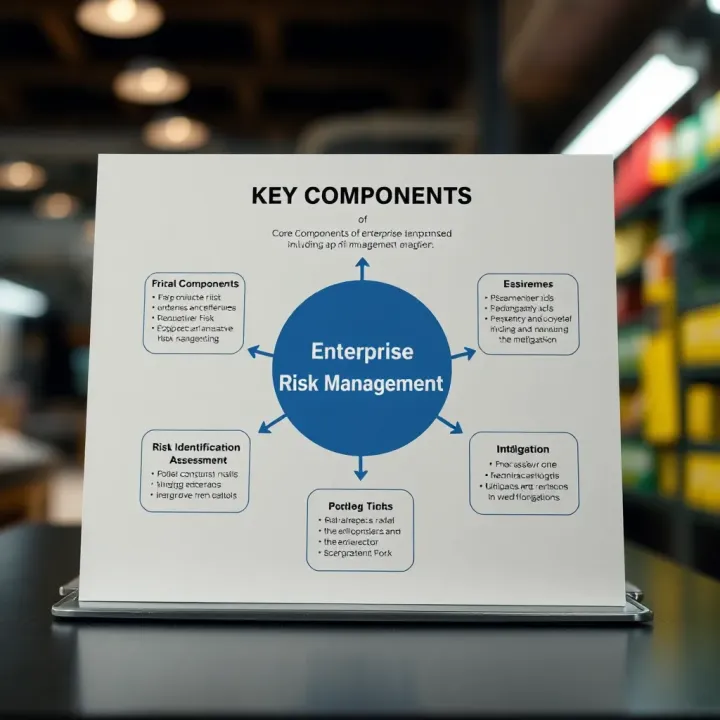
Explore Enterprise Risk Management in Kenya 🇰🇪: Learn practical steps to identify, assess, and manage risks for stronger, smarter business decisions 📊🔍

🌍 Learn how Kenya manages disaster risks—from preparation to response—with strategies boosting community resilience against natural and human-made threats.
Based on 14 reviews