

Understanding Risk Management for Kenyan Businesses
📊 Learn how Kenyan businesses can master risk management by identifying, assessing, and minimizing threats to protect their operations and thrive in uncertain times.
Edited By
Ethan Collins
Risk management is a key asset for Kenyan businesses aiming to stay afloat amid frequent challenges like market volatility, regulatory shifts, and economic uncertainties. Without proper tools, companies risk losing profits or facing operational setbacks that could be avoided. Understanding and applying the right risk management tools prepares businesses to face these challenges effectively.
Kenyan entrepreneurs and investors encounter various types of risks: financial risks, such as currency fluctuations affecting import costs; operational risks, like equipment failures in a jua kali workshop; and compliance risks, which come from navigating shifting county or national regulations. Knowing which tools to apply for each risk type enables smarter decision-making.
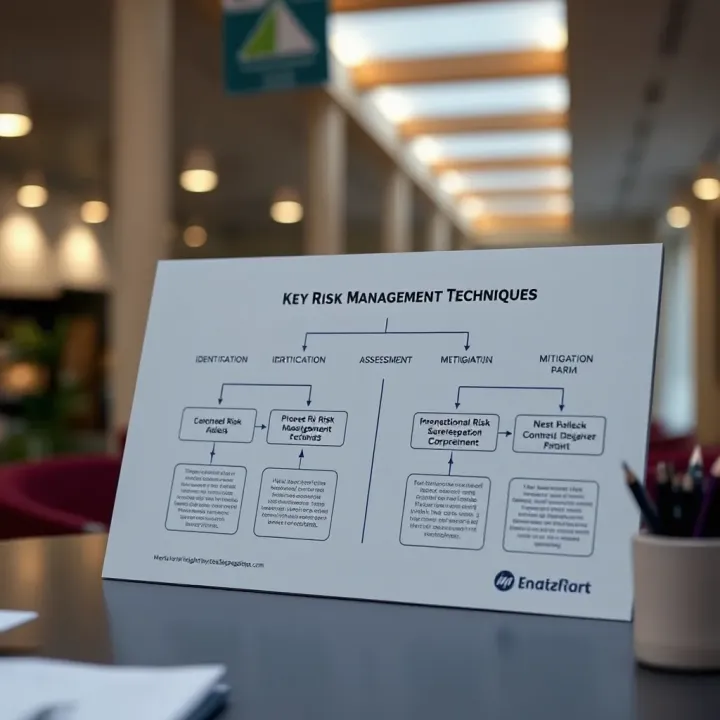
A practical starting point is using risk assessment matrices, which help break down and prioritise risks based on likelihood and impact. For example, a small retailer in Nairobi dealing with inconsistent supplies could chart risks related to vendor reliability as higher priority than weather-related disruptions.
Besides manual techniques, digital tools tailored for Kenyan SMEs also play a vital role. Software like QuickBooks can monitor cash flow risks, while project management platforms offer tracking to minimise delays and cost overruns. These tools integrate well with local payment systems such as M-Pesa and bank APIs, offering real-time financial insights.
Businesses that regularly review and update their risk registers are better positioned to adjust promptly, whether facing drastic fuel price hikes or changes in export tariffs.
In a nutshell, effective risk management combines simple, localised methods with technology suited to the everyday realities of Kenyan businesses. The rest of this article will unfold practical approaches and software options to not only identify risks but manage and monitor them for sustainable growth.
Risk management isn't just a fancy term for big companies — it's a vital practice for any business in Kenya. Understanding how to manage risks properly helps protect your business from unexpected shocks. Whether it's a sudden currency dip affecting import costs or a legal change by regulators, risk management equips businesses with tools to stay afloat and adapt quickly.
Knowing the risks you face and managing them effectively can save you from costly losses and even help spot new opportunities. For example, a local retailer who understands market trends and competitor moves can adjust stock to avoid excess unsold goods, saving both money and space.
Risk management involves identifying, assessing, and prioritising risks, followed by coordinated efforts to minimize, monitor, and control their impact. It’s about having a clear plan to handle uncertainties that could harm your business.
In practical terms, this process helps Kenyan businesses avoid bad investments, protect cash flow, and meet regulatory standards. It also builds confidence among investors, partners, and customers when they see you have solid plans to face challenges.
Financial risks crop up when there’s uncertainty around money matters such as cash flow, foreign exchange, or credit availability. For instance, fluctuating exchange rates between the Kenyan Shilling and the US Dollar can suddenly make importing goods more expensive, squeezing profit margins.
Local SMEs often face cash flow crunches because clients delay payments or because they rely heavily on short-term borrowing at high-interest rates. Without proper risk management, these challenges can quickly escalate into business failure.
These risks relate to the day-to-day running of your business. Equipment breakdowns, supply chain delays, or staff shortages are common examples. For example, many Kenyan businesses faced operational risks during the COVID-19 pandemic when movement restrictions interrupted normal workflows.
Operational risks may also involve poor internal controls that lead to fraud or theft. A matatu operator without proper record-keeping might lose track of earnings, exposing the business to financial losses.
Market risks arise from changes in demand, competition, or economic conditions. For instance, a fast-food outlet in Nairobi might see reduced sales if a new competitor offers cheaper options nearby. Seasonal factors, like the long rains affecting foot traffic to open-air shops, also play a role.
Credit risks involve the possibility that customers won't pay their debts. For example, a wholesaler supplying stock on credit to small dukas runs the risk of delayed or defaulted payments, which could disrupt their cash flow.
Kenyan businesses must comply with a range of regulations from tax laws to environmental rules. Changes in policies, such as increased VAT or stricter labour laws, can raise costs or require operational adjustments.
For example, a tea farm needing to meet export standards must manage risks related to compliance to avoid fines or lost export licences. Failure to keep up with regulations can also harm your reputation and relationship with authorities.
Understanding and managing these different risks with practical tools helps businesses build resilience and stay competitive in Kenya’s dynamic environment. It's not about avoiding risks altogether, but handling them smartly to protect your bottom line and seize opportunities.
Effective risk management hinges on clear techniques that help businesses identify, assess, and handle risks before they escalate. In Kenya, where market conditions and regulatory environments can change rapidly, understanding and applying these core methods is essential for companies wanting to stay afloat and thrive.
Risk mapping involves creating a visual or documented representation of all potential risks a business might face. This helps organisations see the bigger picture—highlighting not only what risks exist but also where they are most likely to occur. Prioritising these risks follows, where the business ranks them based on their impact and likelihood. For example, a Nairobi-based exporter might prioritise foreign exchange risk over others because currency fluctuations directly affect their profit margins.
This technique makes risk management manageable. Instead of attempting to tackle every risk simultaneously, companies can focus on the most pressing threats first. It also clarifies resource allocation—directing attention and budget where the potential damage is greatest, such as slowing supply chain disruptions due to road closures during Kenya’s long rains season.

Qualitative assessment uses descriptive terms like "high", "medium", or "low" to evaluate risks. This is particularly useful for intangible risks, such as reputational damage or compliance issues that are harder to measure numerically. For instance, a small retailer might assess the risk of customer dissatisfaction qualitatively based on customer feedback and social media mentions.
On the other hand, quantitative assessment assigns numerical values to risks, such as estimating potential financial loss or probability percentages. A bank in Kenya could apply quantitative methods to calculate default probabilities on loans or market risk exposure by analysing data from the Nairobi Securities Exchange (NSE). Both types of assessments are valuable; the qualitative approach allows quick judgement in uncertain areas, while quantitative methods support detailed decision-making backed by figures.
Avoidance means steering clear of activities that introduce unnecessary risks. For example, a company may decide not to enter a market known for unstable regulations or high political risk. Kenyan startups often avoid sectors with heavy government involvement initially, to sidestep compliance challenges until they develop stronger capabilities.
Avoidance reduces exposure but can limit growth opportunities. Businesses must weigh whether the risk is worth taking against potential rewards. This strategy suits risks that could cause severe damage or are hard to control.
Risk reduction aims to lessen the likelihood or impact of a risk rather than eliminating it. A manufacturer in Eldoret may reduce operational risks by installing backup generators to ensure steady power during outages—a common challenge.
Training staff on safety procedures is another way to reduce workplace accidents. Reduction strategies help businesses manage ongoing risks with practical steps, keeping operations smoother and losses smaller.
Sharing risks involves transferring part of it to others, commonly through insurance or partnerships. Many Kenyan businesses rely on insurance policies—whether for property, vehicles, or business interruption—to cushion them from unexpected financial hits.
Collaborating with suppliers or distributors can also distribute risks. For instance, a food processing firm might share supply chain risks by contracting several farmers rather than depending on one. Sharing spreads the burden, making it easier to absorb shocks.
Sometimes businesses choose to keep or absorb certain risks, especially if the cost of mitigation is higher than the potential loss. A small duka owner might opt to self-finance minor theft incidents instead of buying expensive insurance.
Retention requires a clear understanding of the business’s risk tolerance and available reserves. It is a practical approach when risks are low or manageable within normal operations.
Using these core techniques effectively allows Kenyan businesses to make informed choices, balancing risk and opportunity to safeguard growth and sustainability.
Effective risk management in Kenyan businesses increasingly depends on using the right tools and software. These tools help identify, evaluate, and control risks systematically, reducing guesswork and enhancing decision-making. Whether your business runs a jua kali workshop, a retail shop in Nairobi, or a financial services firm in Mombasa, using practical tools is key to staying ahead of potential setbacks.
ERM software centralises risk information, allowing businesses to monitor risks across all departments in one place. For Kenyan companies, software like Resolver or LogicManager can be customised to local needs, integrating risk data from supply chains, regulatory compliance, and finance. This consolidated view helps directors and risk officers track emerging threats such as currency fluctuations or changes in KRA (Kenya Revenue Authority) regulations.
Small and medium enterprises (SMEs) may find cloud-based ERM solutions appealing due to their affordability and ease of access. They provide automated alerts, making sure no risk slips through unnoticed. Consider how a supermarket in Kisumu might use ERM software to flag stock shortages or supplier delays, helping avoid stockouts during busy periods.
Financial modelling tools simulate different market scenarios to assess potential losses or gains. Tools like IBM SPSS Modeler or SAS Risk Modeller offer Kenyan banks and investment firms ways to forecast loan defaults, currency risk, or market volatility. For instance, a SACCO (Savings and Credit Cooperative Organisation) could model loan repayment risks during dry seasons when members' incomes typically drop.
These tools often incorporate Monte Carlo simulations or sensitivity analysis to test a variety of financial conditions. Using such models helps businesses prepare buffers and capital reserves, meeting both internal governance standards and requirements from bodies like the Capital Markets Authority (CMA).
Kenyan firms face growing regulatory demands from bodies like the CMA, KRA, and National Environment Management Authority (NEMA). Platforms such as ComplyAdvantage or V-Comply simplify tracking compliance tasks, deadlines, and changes in regulations.
Using compliance platforms reduces the chance of fines or operational interruptions. For example, a manufacturing company in Athi River can use these tools to monitor environmental permits and occupational health regulations, ensuring timely reporting and adherence to standards.
Despite digital advances, manual tools remain effective, especially in smaller firms or startups. Checklists guide staff to systematically identify risks during daily operations, such as checking supplier reliability or machine maintenance.
Risk registers document identified risks, their severity, likelihood, and mitigation plans. For example, a boda boda association could maintain a register detailing common accident risks and corresponding safety measures, enabling focused training sessions.
Scenario analysis examines the impact of different hypothetical events on business operations. Kenyan importers, for example, might consider currency depreciation, fuel price hikes, or port delays to estimate cost implications.
Stress testing pushes businesses to evaluate how much external shock they can withstand without collapse. Banks routinely apply stress tests to their loan portfolios, but this approach benefits any business seeking resilience. Taking a local hotel as an example, managers might stress test occupancy drops during travel restrictions, helping them plan for lean seasons.
Combining digital and manual tools allows Kenyan businesses to cover risk from all angles, increasing their chances to survive and thrive in a dynamic market environment.
Introducing risk management tools in Kenyan companies is essential to prevent losses and improve decision-making. These tools help businesses identify, assess, and respond to risks in a systematic way, which can save time and resources in the long run. For example, a medium-sized Kenyan retailer using digital risk registers can track supply chain disruptions linked to seasonal rains, enabling timely action. Proper implementation ensures these tools deliver practical benefits and fit the local business environment.
Support from top management is a must for successful adoption of risk tools. When leadership understands and champions the benefits, they allocate funds and motivate teams. For instance, Safaricom’s commitment to risk management helps embed relevant tools across divisions, showing how management backing shapes strategy. Without this buy-in, even the best systems may end up ignored or underused.
Training employees on how to use new risk tools is key to getting accurate data and effective responses. Staff need clear guidance about their roles in risk identification and monitoring. In practice, training workshops combined with hands-on sessions work best, especially for firms shifting from manual records to digital platforms. A Nairobi-based SME recently saw quicker risk reporting after investing in practical training tailored to different departments.
Risk management tools should fit smoothly with current business systems such as accounting software, inventory databases, or compliance platforms. Integration avoids duplicating efforts and maintains data consistency. For example, a logistics company in Mombasa linked its risk module directly to fleet management software, helping flag vehicle breakdowns early without extra paperwork. This approach increases efficiency and encourages continued use of risk tools.
Small and medium Kenyan businesses often struggle with the upfront and ongoing costs of risk tools. Licences, installation, and training add up quickly. A practical approach is to start with affordable or open-source options, then scale up. Companies can also share risk assessment services within industry groups to split costs. This gradual approach reduces financial strain while building risk capability.
Poor data quality undermines risk analysis, making it unreliable. Kenyan businesses sometimes lack complete, accurate information due to manual record-keeping or fragmented systems. To fix this, organisations should prioritise cleaning existing data and standardising collection methods. Regular audits and spot checks help maintain data integrity. For example, a finance firm improved credit risk reporting by enforcing consistent data entry protocols across branches.
Staff may resist adopting new tools due to fear of added workload or lack of familiarity. The solution lies in communication and involvement. Leaders should explain why tools matter and highlight how they ease work rather than complicate it. Involving employees in selecting and testing tools builds ownership. Some companies use incentives or recognition programs to celebrate early adopters, easing the overall shift.
Getting risk management tools to work well depends heavily on clear leadership, careful training, and practical integration. Tackling cost, data, and cultural hurdles thoughtfully makes a big difference in Kenyan business settings.
This hands-on approach helps firms turn risk management from a tick-box exercise into a valuable, ongoing practice.
Evaluating and improving risk management efforts is essential for Kenyan businesses aiming to stay resilient and competitive in a fast-changing environment. Without regular assessment, risk management tools can become outdated or ineffective, exposing the business to avoidable losses. This stage helps firms identify gaps, understand the impact of controls, and adjust strategies to meet emerging challenges, whether in regulatory changes or market shifts. For example, a Nairobi-based exporter relying on manual risk registers may miss new compliance risks introduced by East African Community (EAC) policy updates unless those records are reviewed frequently.
Key Performance Indicators (KPIs) serve as concrete measures to assess how well risk management tools perform. Businesses typically set KPIs such as the reduction in incident frequency, response time to risks, or percentage of risks successfully mitigated. For instance, a financial firm tracking credit risk might monitor the percentage of non-performing loans before and after implementing a credit scoring system. This provides a clear picture of whether tools like ERM software are improving risk handling.
KPIs also help management make informed decisions about investing further in certain tools. If a compliance system reduces audit findings by 30% within a year, it justifies scaling that system across departments. In contrast, stagnant or worsening KPIs signal the need for tool upgrades or alternative approaches.
Regular Reviews and Audits ensure systematic scrutiny of risk management processes and tools. These reviews, conducted quarterly or biannually, involve assessing data quality, tool calibration, and user adherence to procedures. For example, a Kenyan manufacturing company may perform audits to confirm that safety risks highlighted by software are acted upon promptly by onsite managers.
Audits also uncover hidden risks or control lapses that tools alone cannot detect. This human oversight complements automated risk alerts and drives accountability. Over time, audits can inform how tools evolve to better match the firm’s specific operational realities.
Feedback Mechanisms form the backbone of ongoing risk management improvement. Collecting input from users—whether frontline staff, risk officers, or external partners—helps identify challenges or blind spots in current tools. For example, employees using a new digital risk register might report usability issues that slow down reporting. Such feedback allows developers and management to refine interfaces or workflows.
Effective feedback channels might include periodic surveys, suggestion boxes, or dedicated team meetings to discuss risk issues. This open approach encourages ownership and creates a loop where risk controls continuously adapt to user needs and ground-level realities.
Updating Risk Frameworks is necessary to keep risk management aligned with changing business environments. A framework lays out how risks are identified, assessed, and handled, informing the tools and processes in use. Kenyan businesses should revise these frameworks regularly—perhaps annually or following major events like regulatory reforms or economic shocks.
For example, a small retailer might adjust their risk framework to include cyber threats after digitising payment systems via M-Pesa. This revision would prompt updates in risk assessment criteria or introduce new software modules focusing on data security.
Regular evaluation and improvement create a sustainable risk management culture that equips Kenyan businesses to adapt swiftly and safeguard their operations effectively. Without them, risk tools risk becoming just another formality rather than practical shields against uncertainty.
📊 Learn how Kenyan businesses can master risk management by identifying, assessing, and minimizing threats to protect their operations and thrive in uncertain times.

🔍 Explore how risk management helps businesses in Kenya spot and handle threats, reduce losses, and make stronger decisions for steady growth.
Explore credit risk management in Kenyan banks 🏦: key types, assessment tools, strategies, and challenges to safeguard assets and ensure stability 📊.

Learn essential forex risk management strategies tailored for Kenyan traders 📊. Master position sizing, stop losses, and trading psychology for safer trades.
Based on 11 reviews