

Forex Risk Management for Kenyan Traders
Learn essential forex risk management strategies tailored for Kenyan traders 📊. Master position sizing, stop losses, and trading psychology for safer trades.
Edited By
Emily Parker
Managing risks is a day-to-day reality for businesses and organisations in Kenya. From fluctuating forex rates to seasonal supply chain disruptions caused by heavy rains, understanding and navigating risks is essential for safeguarding operations.
This overview outlines clear steps for effective risk management. Whether you're a trader dealing with market volatility or a financial analyst assessing investment hazards, these phases will guide you through recognising, analysing, and handling risks systematically.
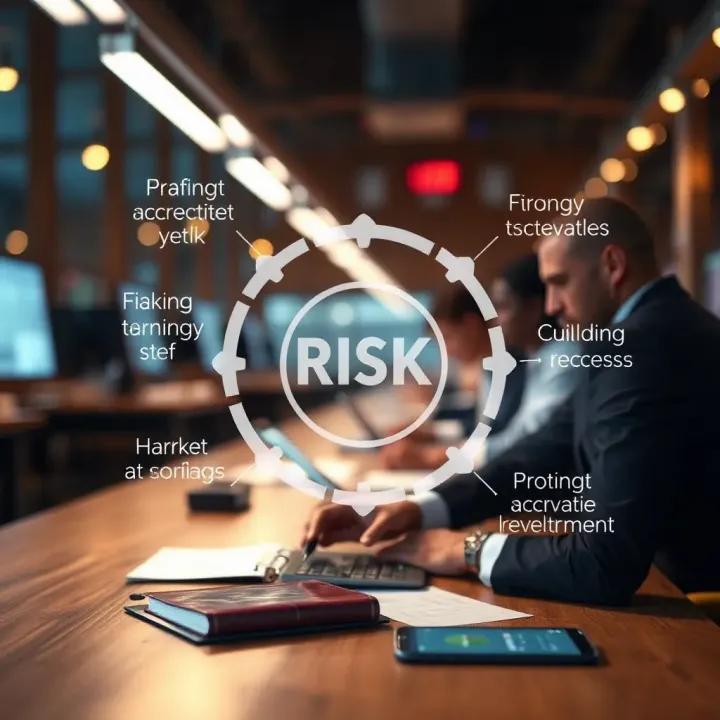
Effective risk management isn't about avoiding risks entirely; it's about knowing which risks to take and how to mitigate those that can severely impact your goals.
The process begins with identification, where you spot potential threats that could disrupt your business. These range from external factors like political instability affecting commodity prices to internal issues such as equipment failure.
Next is risk assessment, a stage to understand how serious each risk is. Tools like risk matrices help quantify the likelihood versus impact—say, how a delay in Mombasa port clearance could spike import costs.
Following this is risk control and mitigation, where you develop strategies to minimise the chances or effects of these risks. This might involve securing alternative supply routes, using forward contracts to hedge currency risks, or training staff on emergency procedures.
Finally, monitoring and review keeps the risk management process dynamic. Regularly revisiting your risk map ensures that new threats are caught early, and existing controls remain effective as conditions change, such as shifts in government policies or emerging technologies.
Each step has a practical side. For example, a Nairobi-based logistics firm might regularly review its insurance cover and contingency plans, while a stockbroker could use real-time market data to adjust client portfolios swiftly.
Understanding these steps equips businesses and professionals to protect their investments, stay compliant with local regulations, and maintain resilience amidst Kenya’s unique market challenges.
Risk management is about spotting potential problems before they become crises and putting measures in place to handle them. For traders, investors, and financial analysts in Kenya, understanding risk management means safeguarding investments, improving decision-making, and keeping businesses resilient in the face of uncertainties.
Managing risks involves identifying, analysing, and controlling threats that could disrupt operations or cause financial loss. It’s not just about avoiding problems — sometimes taking risks strategically can lead to growth and innovation. For example, a Nairobi-based investment firm may weigh the risks of entering a new sector against the possible gains. Proper risk management gives confidence to stakeholders and helps avoid surprises that could lead to losses.
Effectively managing risk is like having a solid matatu route plan — it helps you avoid big jams ahead.
Organisations encounter various risks that can be broadly grouped into:
Financial Risks: Currency fluctuations, interest rate changes, or delayed payments can affect cash flow. For instance, a Kenyan exporter may face losses if the shilling weakens unexpectedly against the dollar.
Operational Risks: These arise from day-to-day business activities, such as machinery failure or system breakdowns. A jua kali workshop, for instance, faces operational risk if key tools malfunction during peak production.
Market Risks: Shifts in customer preferences or increased competition impact revenues. A food processing company in Kisumu might lose market share if cheaper imports flood the market.
Compliance Risks: Failure to meet regulatory requirements can lead to fines or closure. SMEs in Nairobi need to keep up with KRA tax rules and county bylaws to avoid penalties.
Strategic Risks: Poor business decisions or lack of innovation can hinder long-term success. A bank ignoring mobile banking trends risks losing customers to more tech-savvy competitors.
Understanding these risk types helps businesses prepare appropriate responses and maintain steady growth despite challenges. Each category calls for different tools and approaches, so getting this right matters a great deal in Kenya’s dynamic business environment.
Effective risk management begins with the accurate identification of potential risks. This step lays the groundwork for the entire process and helps organisations avoid unpleasant surprises that could disrupt operations or cause financial loss. For traders, investors, and financial analysts, early risk detection allows for timely responses that protect portfolios and capital.
Spotting risks early often calls for a mix of techniques to capture different threat angles. Regular market analysis is one practical method; for example, an investor might monitor shifts in local currency exchange rates or changes in government policies affecting trade tariffs. Scenario planning also helps by imagining various future states — such as sudden interest rate hikes or supply chain interruptions — to assess vulnerabilities.
Furthermore, conducting periodic internal audits ensures that emerging risks within operational processes are not overlooked. For instance, a brokerage firm could review compliance procedures to detect lapses that might invite regulatory penalties. Early warning signals from industry reports, news feeds, or even chatter among experienced colleagues can also alert financial professionals to risks that are not immediately obvious.
Relying on diverse sources boosts the accuracy and comprehensiveness of risk identification. Apart from internal data such as sales trends and financial statements, organisations should tap external inputs like economic forecasts from the Central Bank of Kenya, market reports from NSE, or analyses from CMA Kenya. For example, an investor tracking NSE share performance may combine this with broader economic data to understand market shifts better.
Engaging with stakeholders is another vital strategy. Feedback from clients, suppliers, and employees often reveals hidden risks. Suppose a logistics firm finds that fuel price fluctuations are causing delivery delays; that insight could prompt an early review of contracts or alternative transport solutions.
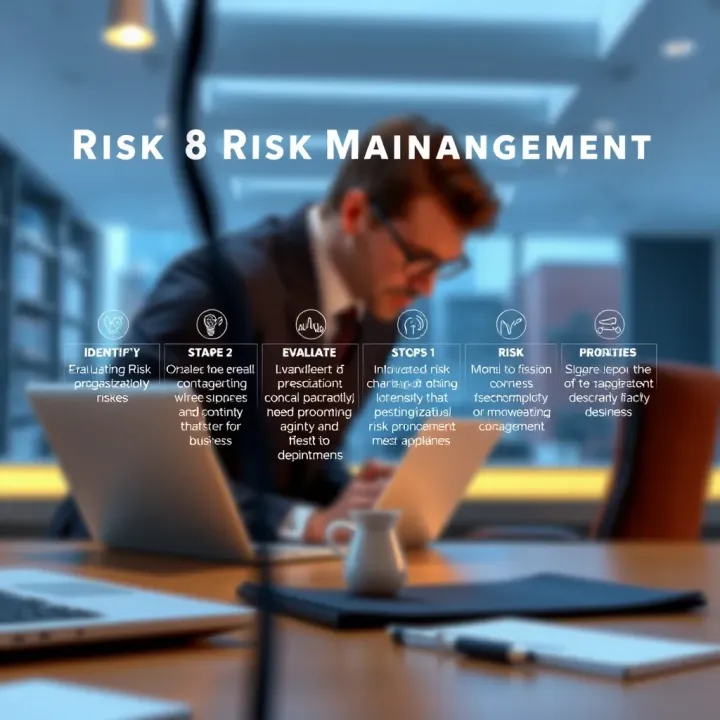
Identifying risks is not a one-time task but a continuous vigilance exercise. By widening the information net and using various detection methods, businesses and investors can stay ahead and adapt before risks develop into serious problems.
In summary, identifying potential risks requires systematic effort to spot early signs and pull together insights from multiple places. This stage safeguards organisations by providing a clear view of the challenges ahead and making sure responses are prompt and well-informed.
Analysing and evaluating risks is the step where organisations make sense of the threats they have identified. This phase is crucial because not every risk has the same impact or likelihood of occurrence. By assessing these details, businesses can focus their resources on managing the risks that matter most. For instance, a Nairobi-based manufacturing firm might find that electricity outages happen frequently and seriously disrupt production, while theft incidents are rarer but still costly. Without proper evaluation, the company may waste effort treating less urgent risks.
It is important to assess two factors for each risk: how likely it is to occur and the damage it can cause if it happens. Likelihood can be measured using historical data or expert judgment. Take a Kenyan tea exporter, for example. They might look at past drought patterns to estimate the chance of reduced yields. Impact considers how severely the risk affects objectives, such as financial loss, reputation damage, or operational halts. For example, an unreliable supply chain might delay delivery schedules, resulting in client penalties.
In practical terms, a simple scale from low to high helps clarify these assessments. A power outage during peak production could be rated as 'high likelihood' and 'high impact'. Meanwhile, the same company might view occasional transportation strikes as 'medium likelihood' but 'high impact' because trucks can’t get through. This method helps create a clear picture of where attention is needed.
After assessing likelihood and impact, risks must be prioritised to guide effective management. Severity reflects the combined effect of how likely and how harmful a risk is. Usually, this is displayed in a risk matrix or heat map. Risks in the 'high-high' quadrant get immediate action, while low likelihood and impact risks might be monitored instead.
For example, a Kenyan bank facing cyber-attacks might place these risks at the top of its priority list because the financial and reputational consequences are severe. On the other hand, a minor office equipment failure, which happens rarely, would require minimal attention. This focus ensures that limited funds and efforts target the biggest threats first.
Careful risk analysis and prioritisation not only protect an organisation's resources but also improve decision-making and prepare teams for potential challenges.
By thoroughly analysing and evaluating risks, businesses operate confidently on solid information. This step also builds a foundation for managing risk effectively in all future stages along the process.
Developing strategies to manage risks is a critical step in risk management. Once you identify and assess the risks, crafting the right approach helps prevent losses and keeps your business on track. In Kenya’s dynamic market environment, it’s especially helpful to tailor strategies to the specific risks you face, whether from fluctuating currency exchange rates, supply chain disruptions, or regulatory changes. The right approach reduces uncertainty and protects investments.
Avoidance means steering clear of activities or decisions that would expose your organisation to unwanted risks. For instance, a trader might avoid dealing with products that have volatile market prices or poor regulatory clarity, thereby eliminating potential loss from those sources. While this can limit opportunities, it’s the safest approach when risks are severe or uncontrollable.
In practical terms, a small business in Nairobi might avoid setting up shop in a neighbourhood prone to crime or political unrest. This reduces exposure to theft or damage but might come at the cost of missing out on high-footfall locations.
Risk reduction focuses on minimising the likelihood or impact of risk rather than dodging it altogether. For example, a financial analyst managing a portfolio might diversify assets across sectors to cushion against market swings. In Kenya, farmers reduce risk by planting both maize and beans; if one crop fails due to weather, the other may still yield profit.
Another example is a company that invests in robust IT security and regular staff training to cut down the risk of cyber-attacks. This approach balances risk with potential rewards, often making business more resilient.
Sharing transfers some of the risk to other parties, often through insurance or partnerships. Kenyan businesses commonly use insurance to cover fire, theft, or business interruptions. For instance, a trucking company might insure its fleet to avoid the full brunt of accident-related losses.
Besides insurance, sharing can mean joint ventures where partners split risk and rewards. An investor might co-finance a project to avoid bearing full financial responsibility alone. Sharing spreads risk, allowing businesses to proceed with more confidence.
Sometimes, risks are minor or the cost of mitigation outweighs benefits, so organisations accept the risk. For example, a small retailer may accept some product theft as part of doing business instead of investing heavily in security. This approach is practical where risks are predictable and manageable.
Acceptance also means having contingency plans in place and preparing to handle consequences if risks materialise. It’s a conscious choice, often backed by monitoring and readiness rather than avoidance.
Having chosen how to handle each risk, it’s crucial to develop clear, actionable response plans. These should specify what steps to take, who is responsible, timelines, and required resources. In Kenya’s business scene, this might mean mapping out how to react to supply chain delays by activating alternative suppliers within the region.
Effective risk response plans include both preventive and corrective actions. For example, a financial service provider may set procedures for rapid client communication during a data breach alongside efforts to prevent such issues through tighter cybersecurity.
Well-documented and practical risk response plans turn strategy into action, enabling organisations to react swiftly and reduce potential damage when risks turn real.
Clear communication and regular training ensure these plans work well, especially when unexpected situations arise. Ultimately, risk management is about readiness and flexibility, supported by solid planning and execution.
Implementing risk management measures is where planning turns into action. This step is vital because even the best risk strategies won't work if they're not put into practice effectively. Taking concrete steps to handle risks helps organisations safeguard assets, maintain operations, and achieve their goals despite uncertainties. In Kenya's dynamic business environment, where disruptions like power outages or supply chain delays are common, acting decisively on risk plans is what separates successful firms from those caught off guard.
Carrying out risk mitigation involves the practical application of strategies designed to reduce or control identified threats. This can take many forms: installing backup generators to address electricity cuts, signing contracts with multiple suppliers to avoid stockouts, or conducting staff safety training to lower workplace accidents. The key is to ensure each action targets a specific risk with measurable results. For example, a Nairobi-based import business might diversify its suppliers across different countries to mitigate risks of shipping delays caused by port congestion or regulatory changes.
Organisations should establish clear timelines and resource allocations for these actions. Delays or underfunding risk mitigation may expose the company to unnecessary losses. Regular check-ins can keep the execution on course, updating steps where ground realities shift. The success of this stage depends on consistent follow-through and readiness to adapt.
Clear assignment of responsibilities is essential when putting risk management measures in place. Everyone involved must know their duties and be accountable for specific tasks. For instance, the finance team might be responsible for monitoring cash flow risks, while the operations department handles supply chain vulnerabilities.
By defining roles at the outset, organisations avoid confusion and duplication of effort. This clarity also empowers teams to act quickly when issues arise. Assignments can be documented in risk registers or project plans, with designated risk officers overseeing compliance. In Kenyan SMEs, sometimes a single fundi or manager may wear multiple hats, but the principle remains: clarity avoids gaps.
Risk management is a team effort; when each person knows their responsibility, the whole company becomes stronger against threats.
To sum up, implementing risk measures turns theory into practice. Executing mitigation actions with clear accountability ensures that risks don’t undermine business resilience. In Kenya's fast-changing markets and operational environments, this stage is crucial for staying competitive and secure.
Monitoring and reviewing risks on a regular basis keeps a business alert to changes that could affect its operations. Risks are not static—they evolve as market conditions, technologies, regulations, and internal processes change. By tracking existing risks and spotting new ones, organisations can adjust their strategies to stay ahead rather than playing catch-up. This approach safeguards investments and reduces surprises that could cause heavy losses.
Keeping an eye on how risk levels fluctuate allows firms to understand whether their controls and mitigation efforts are effective. For example, a stockbroker monitoring market volatility daily can notice emerging patterns that suggest increased risk exposure. Regular tracking can be done through risk dashboards or scorecards displaying key indicators like credit risks, operational glitches, or compliance issues.
Businesses should set clear metrics for each risk and update these at set intervals—weekly or monthly, depending on the urgency. In Kenyan financial markets, real-time monitoring is especially useful when rapid economic events impact currency exchange rates or NSE performance. Using such data, traders can adjust their portfolios promptly.
New information often demands changes in risk management plans. Whether a new policy from the Central Bank of Kenya (CBK), changes in tax regulations from the Kenya Revenue Authority (KRA), or emerging cyber threats, updates should be swift and integrated into existing frameworks.
Businesses that review their risk response plans regularly avoid sticking with outdated strategies. For instance, an investment firm might discover that a previously low-priority operational risk has grown due to increased reliance on digital platforms. This insight would prompt them to allocate more resources towards cybersecurity measures and staff training.
Risk management is a continuous cycle, not a one-off event. Regular monitoring and timely plan updates ensure protection adapts in line with the changing environment.
In practice, updating risk plans involves:
Reviewing recent data and incident reports
Consulting with relevant teams and stakeholders
Adjusting risk appetite and thresholds where necessary
Communicating changes clearly across the organisation
Consistent monitoring and responsive updating improve organisational resilience. Kenyan firms dealing with fast-shifting market conditions or regulatory landscapes can particularly benefit from this adaptive approach, avoiding costly disruptions and capitalising on opportunities safely.
Learn essential forex risk management strategies tailored for Kenyan traders 📊. Master position sizing, stop losses, and trading psychology for safer trades.

📊 Learn financial risk management essentials in Kenya—identify, assess, and control risks using practical tools and best practices for business security.

Explore how Enterprise Risk Management frameworks help Kenyan businesses identify, assess, and manage risks 📊 for smarter decisions and stronger protection.

Explore practical risk management strategies 🛡️ for Kenyan businesses. Learn to identify, assess, and control risks with key tools and frameworks.
Based on 10 reviews