

Understanding Bot Forex Trading: A Practical Guide
Explore bot forex trading 🌐: learn how it works, pick the right bots, set them up, and manage risks to boost your forex trading strategy 📈.
Edited By
Emily Clarkson
Forex trading is the buying and selling of currencies from different countries in the global foreign exchange market. For Kenyan traders, this means exchanging currencies like the US dollar (USD), Euro (EUR), or British pound (GBP) for the Kenyan shilling (KSh) and vice versa, aiming to profit from changes in exchange rates.
Unlike traditional stock markets, the forex market operates 24 hours a day during weekdays, allowing participants from Nairobi, Mombasa, Kisumu, and other parts of Kenya to trade at their convenience. This continuous operation reflects the global nature of currency exchange.
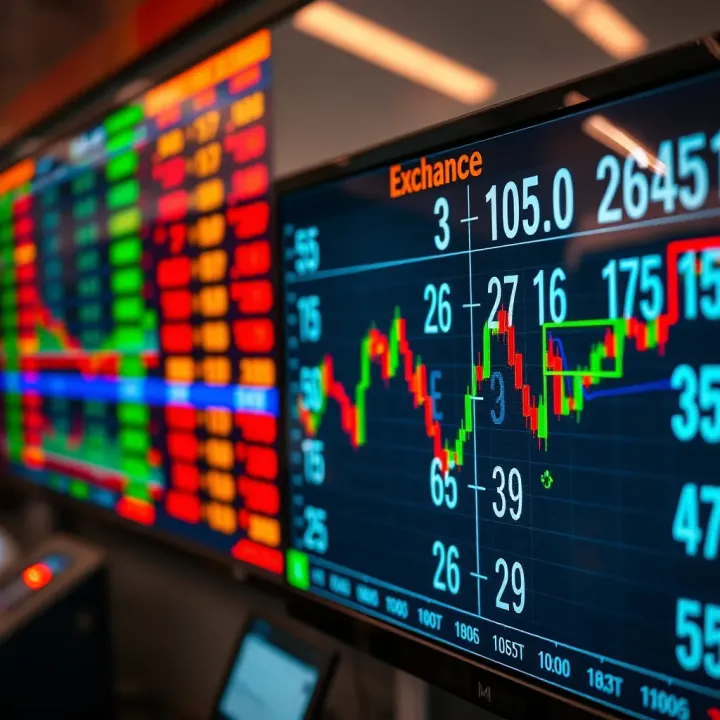
Popular forex pairs involving the Kenyan shilling include USD/KES and EUR/KES. For instance, if you believe the US dollar will strengthen against the shilling, you might buy USD/KES expecting to sell later at a better rate.
The main players in forex trading are central banks, commercial banks, financial institutions, corporations, and retail traders like yourself. Central banks, such as the Central Bank of Kenya (CBK), influence currency value through monetary policy and interventions. Meanwhile, individual traders operate through brokers and use trading platforms to access the market.
Trading forex in Kenya requires a solid understanding of key concepts such as leverage, which can amplify gains but also increase losses. For example, using a leverage of 1:100 means that for every KS,000 you invest, you're actually controlling KS00,000 worth of currency.
Remember, forex trading carries risk. Never trade more than you can afford to lose, and always educate yourself on market behaviour before committing capital.
Kenyan traders commonly use tools like MetaTrader 4 or 5, which provide charts, technical indicators, and news updates. These platforms help analyse market trends and plan your trades.
Getting started also means choosing a reliable, regulated broker. In Kenya, ensure your broker is authorised either by the Capital Markets Authority (CMA) or recognised international bodies. This protects you from scams and ensures fair trading conditions.
To sum up, forex trading involves understanding currency pairs, market hours, players, and tools. With a practical approach and caution, Kenyan traders can participate confidently in this dynamic market.
Key takeaway: Forex trading for Kenyans is accessible through reliable platforms and involves managing currencies like USD/KES with careful risk control and informed strategies.
Understanding what forex trading entails is fundamental for anyone interested in joining the currency markets, especially Kenyan traders who want to navigate this complex field. Forex, short for foreign exchange, involves buying and selling different currencies with the aim of profiting from their price differences. Unlike shares or commodities, the forex market never sleeps; it runs 24 hours a day, five days a week, allowing traders worldwide, including Kenyans, to participate at convenient times.
Forex trading is practical and relevant because it impacts many sectors of the Kenyan economy, from importers and exporters who deal with currency conversions to individual traders hoping to grow their savings. For instance, a Kenyan tea exporter selling to the US will need to convert earned dollars back to shillings, where forex rates matter. Knowing how forex trading works helps traders anticipate currency shifts, manage risks, and seize opportunities.
Forex trading is the exchange of one currency for another to profit from changes in exchange rates. It mainly involves the simultaneous buying of one currency and selling another, a process forming currency pairs. Unlike investing in goods or stocks, forex trading happens in a highly liquid and volatile market, influenced by global economic events, political decisions, and market sentiment. For example, when the Kenyan shilling weakens against the US dollar, it affects all Kenyans, especially those buying imported goods priced in dollars.
Currencies in forex trading are quoted in pairs, such as USD/KES (US dollar to Kenyan shilling) or EUR/USD (Euro to US dollar). The first currency in the pair is the base currency, and the second is the quote currency. The price tells how much of the quote currency you need to buy one unit of the base currency. So, if the USD/KES pair is trading at 115, it means you need KS15 to buy one US dollar.
Trading involves speculating whether the base currency will strengthen or weaken against the quote currency. If you expect the US dollar to gain value against the shilling, you would buy USD/KES. If later the pair moves to 117, meaning the dollar is stronger, you profit by selling it at this higher rate.
The forex market operates as a decentralized over-the-counter (OTC) market, meaning there is no central exchange like the Nairobi Securities Exchange. It runs through a network of banks, brokers, financial institutions, and retail traders communicating electronically. This structure allows high liquidity and flexibility, but it also requires choosing reputable brokers and understanding market hours.
Market activity generally follows global business hours across different financial centres—Tokyo, London, and New York. For Kenyan traders, this means forex trading times overlap mostly with London and New York markets, offering prime opportunities during the day and early evening.
Forex trading bridges global economic forces and local Kenyan traders' ambitions. Understanding its basics is crucial for making informed decisions and managing risks effectively in this dynamic environment.
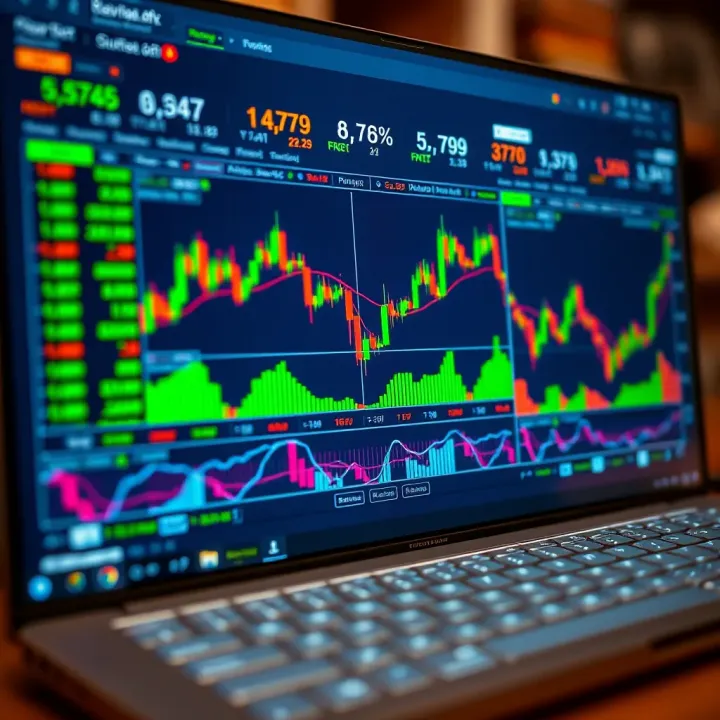
Understanding who the main players in the forex market are helps Kenyan traders make informed decisions. Different participants influence currency prices and market liquidity in various ways. Knowing their roles provides practical insight into market dynamics and trading opportunities.
Central banks and governments shape forex markets by setting monetary policies and intervening to stabilise or influence their currencies. For example, the Central Bank of Kenya (CBK) might intervene by buying or selling the Kenyan shilling to prevent sharp depreciation or appreciation. These actions affect currency supply and demand, often causing notable shifts in exchange rates.
Governments also impact forex through trade policies and economic decisions like interest rate changes or budget plans. Traders who watch central bank meetings closely, such as those by the U.S. Federal Reserve or the European Central Bank, can anticipate market reactions. Recognising when central banks signal policy shifts enables you to position your trades better, potentially protecting your investment from sudden moves.
Commercial banks play a pivotal role as they handle most currency transactions and help maintain market liquidity. Big banks such as Equity Bank, KCB, and Standard Chartered Kenya operate on large forex volumes daily. They execute trades for corporations, governments, and hedge funds, transmitting market information and pricing.
Financial institutions also provide forex trading platforms and credit facilities to retail traders. Their presence ensures a deep market with tight spreads, meaning you pay less to enter and exit trades. For instance, the bid-ask spread on a popular currency pair like USD/KES often depends on bank activity levels and liquidity.
Retail traders in Kenya, including individuals like you, contribute to forex market diversity. While your trade volume is smaller than banks, your collective actions influence short-term price movements. Access to brokers such as XM, HotForex, or FXTM has made it easy to enter forex trading using online platforms from Nairobi or Mombasa.
Forex brokers act as intermediaries, connecting you to larger markets. They offer tools like charts, technical indicators, and leverage options. Selecting a regulated broker with transparent fees protects you from fraud. Always check if the broker is licensed by local bodies or international authorities. Using proper brokers ensures you get reliable order execution and fair market access.
Well-informed traders who understand the roles of these major participants can better anticipate how political announcements, bank interventions, or institutional movements might affect their forex positions.
By recognizing how central banks, financial institutions, and retail traders interact, you gain fresh perspective on price trends and risk factors in the forex market. This clarity makes your trading strategy sharper and more realistic.
For Kenyan traders starting in forex, grasping basic trading strategies is essential to navigate the market confidently. These strategies provide practical methods to analyse market movements and manage trades effectively. Without a solid foundation, many beginners fall victim to impulsive decisions or high-risk exposures that can drain their capital quickly.
Technical analysis relies on charts and historical data to predict currency price movements. By observing patterns, trends, and indicators, you can identify entry and exit points more reliably. For example, a trader following the Kenyan shilling against the US dollar might notice that when the 50-day moving average crosses above the 200-day moving average—a so-called "golden cross"—it suggests a bullish trend, signalling a good buying opportunity.
Common tools include candlestick charts, support and resistance levels, and oscillators like the Relative Strength Index (RSI). These help you understand market sentiment without needing to dig into economic reports every day. Still, technical analysis is best combined with other approaches for more robust decision-making.
Fundamental analysis focuses on economic events and data that impact currency values. For Kenyan traders, keeping track of reports like GDP growth, inflation rates from the Kenya National Bureau of Statistics (KNBS), or policy changes by the Central Bank of Kenya (CBK) is crucial. Such information shapes currency demand and supply.
Consider a scenario where the CBK raises the base interest rate to curb inflation. This could strengthen the Kenyan shilling as higher rates attract foreign investment. A trader equipped with fundamental knowledge might anticipate this shift and place trades accordingly.
Unlike technical analysis, this method involves monitoring news releases and understanding global economic linkages, especially those affecting major currencies paired with the shilling.
Risk management is what separates successful forex traders from those who lose money fast. It means controlling how much of your capital you put at risk on each trade and using tools like stop-loss orders to limit losses. For instance, if you have KSh 100,000 in your trading account, risking no more than 1-2% per trade (KSh 1,000 to KSh 2,000) ensures you stay protected from big losses.
Other important techniques include diversifying your trades instead of putting all your money in one currency pair and avoiding excessive leverage, which can magnify losses. The Kenyan forex environment sometimes tempts new traders with high leverage offers, but caution is advisable.
Proper risk management safeguards your capital and keeps you in the game longer, giving you better chances to learn and profit.
By mastering these three core areas—technical analysis, fundamental analysis, and risk management—Kenyan beginners can develop a strong footing in forex trading. Combining these strategies prepares you to face dynamic markets with greater confidence and resilience.
Forex trading promises chances to earn, but it comes with risks you can’t ignore. Understanding these risks helps you protect your capital and make better decisions in a market known for its swings and surprises.
Market volatility means currency prices change rapidly and unpredictably. For instance, political events in Kenya or major economies such as the US can cause the Kenyan shilling (KES) or US dollar (USD) to jump or drop within minutes. This volatility can lead to swift profit, but also quick losses. Traders should watch economic calendars for announcements like Central Bank interest rates or inflation reports that trigger these swings.
Leverage allows you to trade larger positions with a small amount of capital. While this can boost your profits, it equally increases potential losses. For example, using 50:1 leverage means KS,000 can control KS0,000 in the market. If the trade goes your way, gains multiply; if not, losses can wipe out your deposit quickly. Kenyan traders often get excited by leverage, but it's vital to use it cautiously and set stop-loss orders to manage downsides.
Unfortunately, the forex market attracts unscrupulous brokers who promise big returns with little risk. Many unlicensed firms target Kenyans through aggressive online ads or WhatsApp groups. Falling for these can cost you your savings. Always verify that a broker is licensed by the Capital Markets Authority (CMA) in Kenya or reputable international regulators. Avoid brokers asking for large upfront fees or pushing for hasty deposits. Trustworthy ones provide transparent trading conditions and customer support.
Always treat forex trading seriously and do your homework before committing money; understanding risks helps you steer clear of costly mistakes.
By knowing these risks and how they play out, Kenyan traders can take practical steps to protect their funds and trade more confidently. Staying informed, using controlled leverage, and dealing with licensed brokers are key to surviving in forex trading.
Starting forex trading in Kenya requires careful choices, especially since the market can be quite challenging without proper preparation. For any trader, picking a reliable broker, understanding the trading platforms, and being aware of local regulations and taxation are essential steps before putting money on the line.
The first practical step in forex trading is choosing a broker licensed by the Capital Markets Authority (CMA) in Kenya. Licensed brokers are subject to local regulations aimed at protecting your investment and ensuring fair trading practices. For example, a CMA-regulated broker must maintain separate client accounts and submit regular financial reports, which reduces the risk of fraud. Avoid brokers without licence; many scams revolve around unregulated entities promising unrealistic returns. Think of it like buying nyama choma from a trustworthy vendor rather than a roadside stall that isn’t inspected.
Once you have a broker, the next step is to get familiar with the trading platform offered. Popular platforms like MetaTrader 4 or 5 come with charting tools, technical indicators, and real-time price feeds that help you make informed decisions. For instance, a Kenyan trader might use moving averages and Fibonacci retracement tools on MT4 to decide entry or exit points. Besides desktop versions, mobile apps are very useful, especially around Nairobi and other urban areas where many rely on mobile internet. Having alerts set through these apps ensures you never miss key market movements even if you are away from your computer.
Kenya’s forex trading scene is shaped by CMA’s regulatory framework and KRA (Kenya Revenue Authority) tax rules. Traders must declare profits as part of their income tax returns. While forex profits are taxable, losses can sometimes offset gains, depending on how you file your tax. Also, being aware of Anti-Money Laundering (AML) laws helps you avoid potential legal issues. For example, using M-Pesa to fund your trading account is common, but large transactions might trigger compliance checks to ensure money sources are legitimate. Always keep records of deposits, withdrawals, and trade outcomes to stay clear if KRA requests proof.
Starting forex trading without understanding these basics is like setting out on a long journey without a map or compass. Taking time to choose the right broker, master your trading tools, and know the local rules will save you from sudden setbacks and put you on a path to potentially profitable trading.
In Kenya, the forex market is growing, and a strong foundation at the start makes a major difference. The choices you make early on affect your trading confidence, compliance, and ability to navigate the fast-moving currency markets successfully.
Explore bot forex trading 🌐: learn how it works, pick the right bots, set them up, and manage risks to boost your forex trading strategy 📈.
📈 Discover practical tips on binary trading in Kenya, learn about key platforms, risks, and strategies to trade smart and secure your financial future.
📚 Looking for the best forex trading books in Kenya? Discover key criteria, top picks, and practical tips to boost your trading skills today!

📊 Get to know forex trading basics in Kenya: currencies, markets, strategies, risks, and tips to trade smartly and confidently.
Based on 13 reviews