
Forex Trading Charts Guide for Kenyan Traders
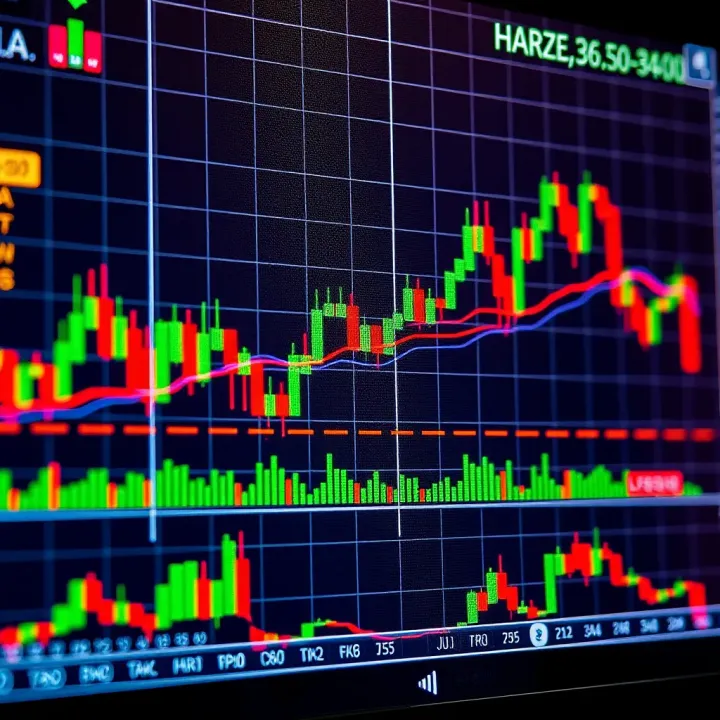
📊 Master Forex trading charts in Kenya! Learn to read patterns, choose time frames, and use indicators confidently for smarter currency trading decisions.
Edited By
Benjamin Wright
Forex trading has gained significant interest in Kenya over the past decade, attracting traders, investors, and financial analysts eager to tap into the global currency markets. Unlike the traditional stock market, forex (foreign exchange) deals with currency pairs—where one currency is exchanged for another to make profits from price changes.
In Kenya, forex trading operates primarily through licensed brokers who connect local traders to international forex markets. With the growth of mobile internet and platforms like MetaTrader 4 and 5, plus Safaricom’s M-Pesa allowing swift deposits and withdrawals, accessing forex trading has become more practical for many Kenyans.

Understanding how forex works is key. Traders speculate whether one currency will appreciate or depreciate against another, aiming to buy low and sell high. For example, if the USD/KES rate is expected to rise, a trader might buy USD with KSh and sell once the dollar strengthens to gain the difference in exchange rates.
Forex trading is not a get-rich-quick scheme; it requires study, discipline, and careful risk management.
The legal environment is overseen by the Capital Markets Authority (CMA), which licences brokers and ensures compliance with regulations to protect investors. Unlicensed operators exist, so verifying a broker’s status is crucial to avoid scams.
Kenyans interested in forex should also be aware of the risks: price volatility, leverage dangers, and possible forex platform failures. Still, benefits include potential profits, market accessibility 24 hours a day (Monday to Friday), and the ability to start trading with relatively low capital.
To get started, a Kenyan trader typically needs:
A trading account with a CMA-licensed broker
A stable internet connection and device (mobile or PC)
A strategy based on analysis (technical, fundamental, or both)
Familiarity with trading tools like charts and indicators
By grounding your approach in reliable local information and well-regulated platforms, you can navigate the Kenyan forex landscape with more confidence and reduce exposure to unnecessary risk.
This article will further explain the technical details, legal requirements, risks, and effective strategies tailored for Kenyan traders.
Forex trading in Kenya represents buying and selling of foreign currencies to profit from changes in exchange rates. For many Kenyans, it's not just a chance to earn extra income but also a way to engage with global financial markets from their homes or small offices. Understanding what forex trading involves helps traders make smarter, informed decisions that consider local conditions such as currency volatility or regulatory advisories.
Forex trading, or foreign exchange trading, involves exchanging one currency for another at a current or agreed rate. It takes place in a global market where currencies like the US dollar, euro, or Kenyan shilling are traded. Forex trading is mainly done for profit by speculating on currency price changes, or to facilitate international business. For example, a Kenyan importer might trade forex to pay suppliers abroad without losing out from unfavourable exchange rates.
Currencies are quoted in pairs, showing how much one unit of the first currency (base currency) costs in the second (quote currency). For instance, in the USD/KES pair, the quoted price tells you how many Kenyan shillings it takes to buy one US dollar. Kenyan traders watch such pairs closely because fluctuations affect their spendings. When the shilling weakens against the dollar, importing goods becomes more expensive.
Forex market players include banks, commercial companies, central banks, investment firms, and individual traders. In Kenya, small-scale traders have grown in number thanks to affordable internet access and mobile platforms. Big banks conduct large trades that influence currency rates, while individuals usually trade in smaller amounts. Knowing who the participants are helps traders appreciate market movements and possible impacts on currency prices.
The forex market runs 24 hours during weekdays, but Kenyan traders typically engage during the London and New York sessions when liquidity is high. Platforms like MetaTrader 4 and 5 remain popular choices due to their user-friendly interfaces and advanced tools. Mobile apps compatible with M-Pesa allow traders in Nairobi or Kisumu to manage positions easily, making trading accessible even to those without desktop computers.
Beyond USD/KES, traders in Kenya frequently deal with pairs like EUR/USD, GBP/USD, and USD/JPY. These pairs matter because Kenya’s trade and aid often involve the US dollar and euro, making their movements impactful on everyday costs. For example, during the last short rains period, a weakening shilling against the euro raised the price of imported farming inputs, affecting costs for smallholder farmers.
M-Pesa plays a significant role in forex trading in Kenya by simplifying deposits and withdrawals to brokers, especially those licensed locally or internationally that support M-Pesa payments. This integration reduces delays and cuts costs compared to bank transfers alone. Besides M-Pesa, some brokers accept payments via Airtel Money or bank cards, offering flexibility. Traders appreciate these methods as they align with Kenyan payment habits, boosting convenience and security.
Forex trading in Kenya has become more than just a financial activity – it's a way to connect with global markets using tools and payment methods that fit everyday Kenyan lifestyles. Knowing the basics, market players, and local operations is essential for anyone wanting to navigate this field effectively.
In Kenya, forex trading operates within a clear legal and regulatory framework designed to protect traders and maintain market integrity. Understanding these rules is essential for anyone involved in forex trading here, as they define who can operate legally and what safeguards exist for consumers.
The Capital Markets Authority (CMA) plays a vital role in overseeing forex brokers operating in Kenya. Before any broker offers services to Kenyan traders, they must first receive a licence from the CMA. This licensing ensures brokers meet specific financial soundness criteria, maintain transparency, and follow ethical business practices. For example, a broker must hold enough capital to cover client trades and keep client funds segregated from their own accounts.
This licensing process is practical for traders because it reduces the risk of dealing with fraudulent or unreliable brokers. It means that only firms vetted and regulated by the CMA can offer forex services, giving some level of confidence to Kenyan traders when choosing where to place their money.
The CMA also enforces consumer protection rules aimed at safeguarding traders. One such measure requires brokers to disclose all fees and charges upfront, preventing hidden costs that could catch traders unaware. Brokers must also provide clear terms on leverage and margin requirements.
Another key protection is the compulsory complaint resolution mechanisms that brokers must have. If a trader encounters issues, they can lodge a complaint through the CMA, which investigates and mediates disputes. This system gives Kenyan traders access to recourse, something often missing in unregulated markets.
While the CMA regulates forex brokers, the Central Bank of Kenya (CBK) focuses on broader currency controls and financial regulations. The CBK monitors the movement of foreign exchange in and out of the country to protect the shilling from excessive volatility. It sets limits on how much foreign currency individuals and businesses can transact, aiming to stabilise the local currency.
For forex traders, these rules mean that while they can trade currencies freely on licensed platforms, transferring large sums abroad or repatriating foreign profits may require compliance with CBK regulations. This ensures that forex trading activities align with national economic stability goals.
The CBK advises individuals to approach forex trading with caution. It emphasises using only CMA-licensed brokers and warns against speculative behaviour that can lead to significant losses. Moreover, the CBK has issued public advisories explaining risks involved and encouraging traders to understand market dynamics before committing funds.
This guidance serves a practical purpose, encouraging responsible trading and reducing instances of scams or excessive losses due to high-risk practices. Kenyan traders benefit because they receive authoritative information helping them navigate this fast-moving market more safely.
Getting to know the CMA and CBK’s roles helps Kenyan traders make informed decisions, steer clear of malpractice, and comfortably trade within the law.
Summary: Kenya's forex regulatory landscape features two key players: the CMA, which licenses and monitors brokers while protecting consumers, and the CBK, which manages currency controls and offers guidance to individuals trading forex. Together, they create a safer environment for traders and help maintain financial stability in the country.
For anyone keen to enter forex trading in Kenya, understanding the basics of getting started is key. This phase involves more than just signing up; it’s about laying a solid foundation that protects your capital and positions you for success. Considering forex is risky, choosing the right broker, understanding account setups, and familiarising yourself with platforms are vital steps.
Selecting a reliable forex broker licensed by the Capital Markets Authority (CMA) shields you from scams and ensures regulatory oversight. Look for brokers with transparent fees, secure deposit and withdrawal processes, and strong customer support. For example, some brokers offer negative balance protection, which is crucial in volatile markets to avoid losses exceeding your investment.
Kenyan traders commonly use brokers like FXPesa, AximTrade, and HotForex, which have local presence or accept Kenyan clients. These brokers support convenient payment methods such as M-Pesa, making deposits and withdrawals straightforward. Their platforms also offer Swahili-language customer support, a practical advantage for many local traders.
Opening a trading account generally requires verification of your identity and address. Common documents include a valid Kenyan national ID (ID card or passport) and a recent utility bill or bank statement showing your residence. This process helps brokers prevent fraud and comply with anti-money laundering laws. Account activation can be quick once documents are verified.
Brokers usually offer several account types tailored to different levels and trading volumes. For instance, a micro account allows trading with small amounts and lower risk, ideal for beginners. Standard accounts offer more features and higher leverage but require larger deposits. Knowing which account fits your budget and experience helps manage risk effectively.
MetaTrader 4 (MT4) and MetaTrader 5 (MT5) are the most widespread platforms in Kenya. They allow you to analyse charts, place trades, and use automated trading tools called expert advisors. MT5 offers some improvements over MT4, including additional timeframes and order types, but many traders still prefer MT4 for its simplicity.
With the rise of smartphones, mobile trading apps are increasingly popular. Most brokers provide dedicated apps that allow you to trade anytime, anywhere. For instance, the MT4 mobile app supports real-time price alerts and order executions on the go, critical for traders who need to react quickly to market shifts, even when away from their desktops.
Before risking real money, it’s wise to use a demo account. Most brokers offer these free practice accounts funded with virtual money. Demo trading lets you familiarise yourself with platform interface, test trading strategies, and understand market behaviour without financial risk. A Kenyan trader, for example, might use a demo account for several weeks to build confidence before moving to live trading.
Starting forex trading right means choosing the right broker, understanding account options carefully, and getting hands-on practice with trading platforms. These steps form the backbone of a safer and more informed trading experience for Kenyans venturing into the currency markets.
Forex trading has become an accessible way for many Kenyans to try their hand at earning extra income. However, understanding both its promises and pitfalls is key before you start investing your time and money. While it offers some real advantages, forex trading is also not without risks, especially if you’re not careful with where you trade or how much you leverage.
Forex trading can provide a chance to earn income beyond regular jobs. Many Kenyans use forex trading to supplement their earnings, especially those who follow international markets closely or have some experience with financial analysis. For instance, someone running a small business in Nairobi might use profits from forex trades to reinvest in their shop or cover other expenses. However, steady profits require time, skills, and discipline.
This market operates twenty-four hours on weekdays, giving you freedom to enter trades before or after typical working hours. Some traders have managed to make this a significant source of income by adapting strategies to suit changing market conditions and local economic news.
One of forex trading's big draws is its flexibility. Thanks to mobile apps like MetaTrader 4 or 5, plus local payment methods such as M-Pesa, you can trade anywhere with a phone and internet connection. This is ideal for individuals in towns outside Nairobi or even rural areas, where traditional investment options may be limited.
Besides, forex trading does not require enormous starting capital. With just a few thousand shillings, you can open an account and start practising, especially with demo accounts. That means you can learn the ropes without risking real money at first — a huge advantage for those new to investing.
The forex market can swing dramatically, sometimes within minutes. This volatility means you can make big gains but also face significant losses quickly. For example, a sudden shift in the US dollar exchange rate due to unexpected political events can impact your trades.
To manage this risk, Kenyan traders should keep a close eye on global and local economic news. Using stop-loss orders can limit how much you lose if the market turns against your position, preserving your capital.
Forex trading allows you to use leverage — basically borrowing money to increase your trade size. While this can magnify your profits, it also means losses can pile up faster. A small mistake with high leverage might wipe out your trading account.
It's wise to use leverage cautiously. Beginners should consider trading with low or no leverage until they understand how the market works. Some brokers also offer fixed leverage levels to help protect traders from overextending.
Kenya’s booming forex interest has attracted some unscrupulous players. Fake brokers or schemes promising guaranteed returns can trick Kenyans out of their money. Remember, any guaranteed profits in forex should raise alarms.
Always work with brokers licensed by the Capital Markets Authority (CMA) of Kenya. Verify credentials, read reviews, and never hand over large sums without clear terms. Education and vigilance can protect you from losing money to scams.
Trading forex in Kenya comes with genuine opportunities but also risks that you must understand and manage. Responsible trading backed by reliable information is your best tool.
Balancing benefits against potential risks forms the foundation of successful forex trading. For Kenyans, being informed about these points helps make smarter decisions and avoids unnecessary pitfalls.
For traders in Kenya, understanding the tools and strategies behind forex trading is as critical as knowing the market basics. These elements help you make informed decisions, manage risks, and improve your chances of success. No matter if you trade part-time while juggling a 9-to-5 or you run a full-time trading desk, mastering these tools allows you to read the market better.
Charts are the heart of forex trading, giving you a visual snapshot of how currency pairs behave over time. Traders in Nairobi or Mombasa study candlestick charts to spot trends, support, and resistance levels. Indicators like the Relative Strength Index (RSI) or Moving Averages smooth out price fluctuations to highlight when a currency is overbought or oversold. These details inform decisions, such as when to buy or sell the US dollar against the Kenyan shilling, saving you from rash guesses.
Economic news has a big impact on currency values. Kenyan traders keep a close eye on reports like Kenya’s inflation rate or CBK's monetary policy decisions, as these can cause sharp market movements. International releases, such as US employment figures or European Central Bank announcements, also influence forex markets worldwide. By tracking this news, traders position themselves ahead of price swings rather than reacting after the fact.
Day trading involves opening and closing trades within a single day to take advantage of short-term market moves. Scalping is a faster form of this, aiming for tiny profits from dozens of trades. For example, a forex trader in Nairobi might scalp small gains during active market hours, especially when volatility peaks. These strategies demand quick decision-making and access to reliable platforms like MetaTrader 4.
Swing traders hold positions for several days or even weeks, aiming to benefit from medium-term trends. Someone living in Kisumu may analyse weekly charts to pick trades based on broader economic trends, such as a shift in global oil prices affecting the Kenyan shilling. Unlike scalping, swing trading requires patience and a longer perspective but can reduce stress and transaction costs.
Managing risk is the backbone of any sustainable forex trading practice. Kenyan traders use stop-loss orders to limit potential losses; for instance, setting a stop-loss to sell if the USD/KES exchange rate drops beyond a certain point. Position sizing is another key tactic—never risking too much of your trading capital on a single trade. This careful approach keeps losses manageable, even during periods of high volatility, helping preserve your trading fund for future opportunities.
Success in forex trading isn’t just about picking winners; it’s about using the right tools and strategies to protect your investment and grow steadily over time.
By combining technical tools, staying updated with relevant news, and adopting sensible trading plans, Kenyan traders can navigate forex markets more confidently and practically.
📊 Master Forex trading charts in Kenya! Learn to read patterns, choose time frames, and use indicators confidently for smarter currency trading decisions.

📊 Get to know forex trading basics in Kenya: currencies, markets, strategies, risks, and tips to trade smartly and confidently.
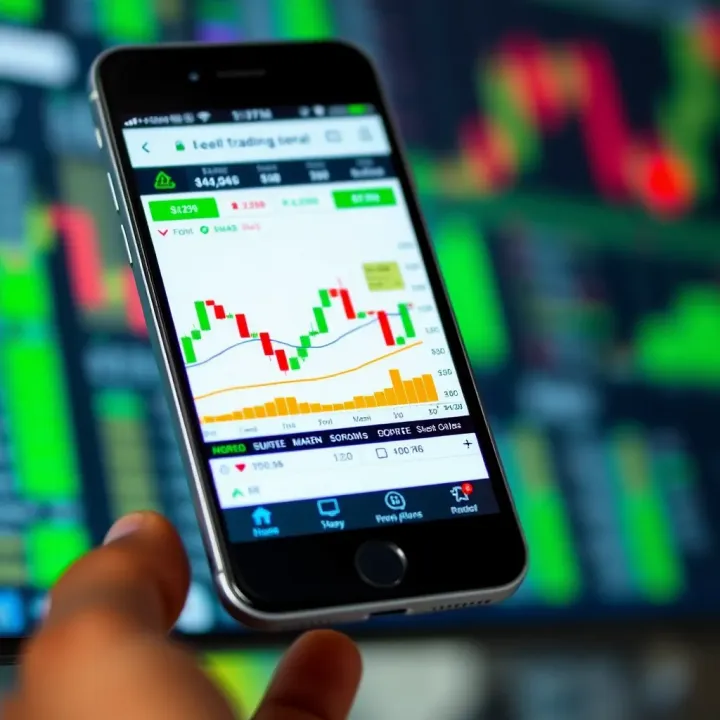
📱Explore top Forex trading apps in Kenya! Learn features, risks, regulations & smart tips to trade confidently in the mobile Forex market.💹

Explore effective forex trading strategies in Kenya 🇰🇪 including analysis, risk management, and psychology to boost your trading confidence and success 📈💡
Based on 9 reviews