

Understanding Binary Gender and Its Impact
Explore binary gender's history, cultural impact, and debates🌍. Understand how binary and non-binary identities shape society and personal experiences in Kenya.
Edited By
James Ashton
The term gender binary refers to the traditional classification of gender into two distinct and opposite categories: male and female. This system assumes that every individual fits neatly into one of these two groups based on biological characteristics observed at birth. In Kenya, as elsewhere, this binary framework influences social roles, legal recognitions, and personal identity.
Historically, the gender binary has been deeply rooted in cultural beliefs and social norms. For example, many Kenyan communities assign specific responsibilities and behaviours to men and women—men may be expected to be providers and decision-makers, while women often handle domestic duties and caregiving. These roles are reinforced by family structures, religious teachings, and education systems, shaping how people perceive themselves and others.

The gender binary often overlooks the lived experiences of those who do not conform to strictly male or female identities, leading to social exclusion and legal challenges.
The limitations of the binary system are many. It simplifies gender into fixed boxes, ignoring the complexity and diversity of real-world identities. This restriction can affect an individual’s rights, such as difficulties when it comes to official documentation or accessing healthcare tailored to their needs. For instance, transgender and non-binary people in Kenya may face barriers when their identity does not match the gender marker on their ID cards.
Critics argue that the binary reinforces stereotypes and narrows opportunity. Many young Kenyans, especially urban youth, challenge these norms by expressing gender beyond male or female, seeking spaces that respect diverse identities. Educators and business leaders increasingly recognise the importance of inclusivity to support this diversity.
To understand the gender binary is to grasp one of the fundamental ways societies organise themselves. Yet, as Kenya progresses, so does the conversation around gender. This includes acknowledging non-binary, transgender, and other identities that do not fit the traditional two-gender classification. Recognising this complexity helps create fairer workplaces, schools, and communities that respect individual identity and expression.
In summary, awareness about gender beyond the binary offers practical benefits. It improves social cohesion and supports human rights, particularly for marginalised groups. This understanding is vital for professionals in education, finance, and policy-making eager to foster more inclusive environments across the country.
The gender binary refers to the system that classifies people strictly as male or female based on biological sex at birth. This classification assumes only two distinct and opposite genders, which influences how society expects individuals to behave, dress, and interact. For many, this framework provides a straightforward way to understand identity and social roles, but it can also oversimplify the complexity of human experiences.
Historically, the binary concept has roots stretching back to ancient civilizations where gender was closely linked to reproduction and social function. For example, some African communities traditionally recognised gender roles tied to family lineage and labour division, often limited to male warriors and female caregivers. Over time, many societies, including Kenya, adopted this binary view through influence from colonialism, religion, and legal systems, reinforcing a division that doesn't always fit the diversity of lived realities today.
Various cultures around the world support the gender binary through customs, language, and social practices. In Kenya, this is evident in things like naming ceremonies, dress codes, and celebrations that mark boys and girls differently, reinforcing the idea of two fixed gender roles. Communities may assign tasks such as men going to work or rustling cattle, while women tend to domestic chores and child-rearing. These customs are deeply embedded and shape how individuals view their identity and place in society.
Family, education, and religion play significant roles in maintaining these binary gender roles. Parents often teach children what is "appropriate" behaviour for boys and girls from an early age—boys are encouraged to be strong and assertive, while girls are taught care and respect. Schools reinforce this by using gender-segregated activities or uniforms, while religious teachings might emphasise traditional family structures. All these factors together build a system that normalises the binary and makes it difficult for those who do not fit these categories to be understood or accepted.
Understanding the gender binary's role in society helps clarify why challenges arise for those outside the male-female classification. It also shows why shifts in policies, education, and cultural awareness are necessary to embrace gender diversity fully.
By recognising these roots and social reinforcements, educators, investors, and analysts can better appreciate the impact on personal identity, social inclusion, and economic participation in Kenya and beyond.
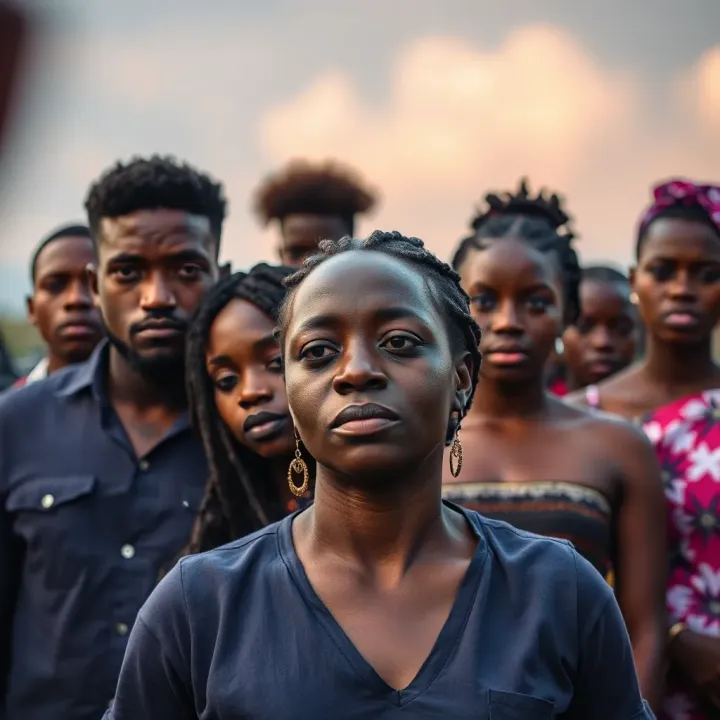
The gender binary, which classifies people strictly as male or female, affects many aspects of life in Kenya and beyond. It sets rigid expectations that often exclude people whose identities don't fit within these two categories. Understanding these limits is key to recognising how the system can restrict personal freedom and shape social inequalities. This section breaks down those consequences, with focus on personal identity and the impact on social roles and opportunities.
Individuals who do not neatly fit into male or female categories often face significant challenges. For instance, a Kenyan youth identifying as non-binary might struggle to find acceptance even among family and friends, as traditional views tend to see gender in black-and-white terms. This exclusion can leave such individuals feeling isolated or invisible within their communities.
The pressure to conform to binary gender roles can create serious mental health challenges. Take the example of a transgender woman working in Nairobi; she might suffer discrimination or misunderstanding in workplaces or social settings if she's expected to stick to male norms or denied recognition of her true gender. This strain can lead to anxiety, depression, or low self-esteem, showing how destructive strict binary expectations can be.
Gender expectations in Kenya influence education, employment, and family life. Boys may be encouraged to pursue careers in engineering or business, while girls are often expected to focus on domestic skills or nursing roles. In schools, girls might be steered away from sciences, limiting their future job prospects. For example, a talented girl from Kisumu interested in IT might face pressures steering her towards more traditional female paths.
Discrimination tied to the gender binary also affects access to opportunities. Women frequently earn lower wages compared to men, and men who take up caregiving roles may face ridicule or bias. In workplaces, transgender and non-binary employees may encounter barriers such as lack of inclusive policies or proper identity recognition. This kind of inequality not only hinders individual potential but also restricts economic growth and social cohesion.
The gender binary’s limits aren't just abstract issues—they directly affect people's daily lives, from how they are treated at work to how they see themselves.
Addressing these problems requires expanding our understanding of gender beyond male and female, creating policies and social norms that accommodate diversity rather than punishing difference. Practical steps include revising school curricula to challenge stereotypes and enforcing workplace inclusiveness. This way, society can better reflect the realities, talents, and needs of all its members.
Challenging the gender binary is key to recognising the full spectrum of human identity beyond the male and female categories. This shift matters not just for individuals who identify outside the binary but also for society at large, as it opens up space for more inclusive social norms, policies, and economic participation. In Kenya, where traditional gender roles remain influential, movements advocating for non-binary and transgender visibility have started to reshape how identity and rights are understood.
Non-binary and transgender identities differ but often get mixed up. Transgender people identify with a gender different from the one assigned at birth, typically moving between the categories of male and female—for example, someone born male but identifying as female. Non-binary people, on the other hand, reject the strict male/female classification altogether; their gender identity might blend elements of both, neither, or fluctuate over time. Recognising these differences is practical for tailoring medical, legal, and social support systems that suit people's lived realities.
In Kenya, voices from the LGBTQ+ community highlight the challenges and resilience involved in living outside the gender binary. Organisations like the Gay and Lesbian Coalition of Kenya (GALCK) provide much-needed advocacy and support for gender-diverse people. Stories from Nairobi and coastal towns reveal how social stigma, family rejection, and legal hurdles persist, yet also show a growing community of activists pushing for understanding and acceptance at work, school, and in public life.
Kenyan law currently does not formally recognise non-binary or transgender identities, which limits access to rights such as changing one's name or gender on official documents. Efforts by human rights activists and civil society groups seek to include gender diversity in national policies like the Constitution and the Kenya National Identity Card regulations. Successful litigation and public campaigns aim to push for legal reforms, recognising the importance of identity validation in accessing services and eliminating discrimination.
International policies offer examples that Kenya can draw from. Countries like South Africa have made legal provisions for gender recognition beyond male and female, setting precedents in the African region. Elsewhere, in Canada and Australia, introducing non-binary markers on official documents has helped reduce social exclusion and supported better health and employment outcomes for gender-diverse populations. These international cases provide practical lessons on how legal frameworks can evolve to protect all citizens' rights fairly.
Embracing these perspectives enriches Kenya's social fabric by promoting dignity, reducing inequalities, and encouraging economic participation for all, regardless of gender identity.
Key practical steps include understanding distinct gender identities.
Supporting community voices drives policy change.
Drawing on global standards bolsters local legal reform.
Through continued advocacy and education, Kenya can move towards a more equitable society that respects all gender expressions and identities.
Acknowledging and respecting gender diversity is essential for building inclusive societies that allow everyone to thrive. In Kenya, where traditional views on gender roles remain strong, recognising diverse gender identities can improve social harmony, reduce discrimination, and promote equal opportunities. This shift matters not only for individuals who identify outside the gender binary but also for institutions looking to foster environments that celebrate difference rather than suppress it.
Introducing gender diversity concepts in educational settings helps young people understand and respect different identities early on. For example, Kenyan schools that include discussions on gender beyond male and female roles better prepare students for the realities of a diverse society. Community programmes that engage parents and elders play a vital role in shifting public perceptions, especially in rural areas where traditional gender roles may be more rigid.
Practical steps include adapting school curricula to cover gender topics sensitively and training teachers to handle questions about identity without bias. In Murang’a County, some schools have started inviting guest speakers from LGBTQ+ groups to share experiences, helping demystify gender diversity and reduce stigma.
Media and social platforms hold incredible influence over how society views gender. Shows on Kenyan TV or stories on platforms like YouTube and Instagram can normalise diverse gender expressions by showcasing real-life experiences. For instance, documentaries featuring non-binary or transgender Kenyans help challenge stereotypes and create empathy.
Social media also offers safe spaces for younger Kenyans to explore their identities beyond traditional norms, especially when offline environments may be less accepting. However, it is critical that online discussions remain respectful and informed, as misinformation can sometimes entrench negative views. Collaboration between media organisations and gender rights groups can improve the quality and reach of inclusive content.
Employers in Kenya are increasingly recognising the need for policies that go beyond the gender binary. Inclusive workplace policies might include non-discriminatory hiring practices, allowing employees to use chosen names and pronouns, and ensuring uniform codes or dress expectations are flexible.
For example, a finance firm in Nairobi revised its human resource policies to explicitly protect transgender employees from harassment and to accommodate gender-neutral washrooms. Such policies not only protect individuals but also improve staff morale and productivity by signalling respect and understanding.
Safe spaces, whether in schools, workplaces, or public venues, allow people of all gender identities to participate without fear of exclusion or violence. These spaces often provide counselling, peer support groups, and clear procedures against abuse.
In some Nairobi universities, student groups focused on gender diversity organise forums and social events where members can express themselves freely and access resources. Creating such environments involves training security personnel and staff to recognise and address gender-based discrimination promptly. The presence of visible safe spaces sends a powerful message that diversity is valued and protected.
Embracing gender diversity is not just a matter of rights but a practical step towards a more equitable and innovative society where every individual’s potential can flourish.
Explore binary gender's history, cultural impact, and debates🌍. Understand how binary and non-binary identities shape society and personal experiences in Kenya.

Explore binary arithmetic basics, operations, and real-world applications in computing 🖥️. Understand error detection and its role in tech innovation 🔢.

Explore binary blocks in computing 💻: their principles, practical uses in data storage & transmission, and key techniques for efficient processing.

Learn how the binary search algorithm efficiently finds elements in sorted data 📊. Explore its workings, performance, and real-world applications in coding 💻.
Based on 8 reviews