

Understanding Binary and Bots: A Practical Guide
Explore how binary code drives computing and discover the roles of bots in tech, business, and daily life. Learn their impact and ethics 🤖💻.
Edited By
Liam Foster
Gold coin prices aren’t just about the shiny metal itself. Several key factors shape their value, making the market both interesting and sometimes tricky to follow.
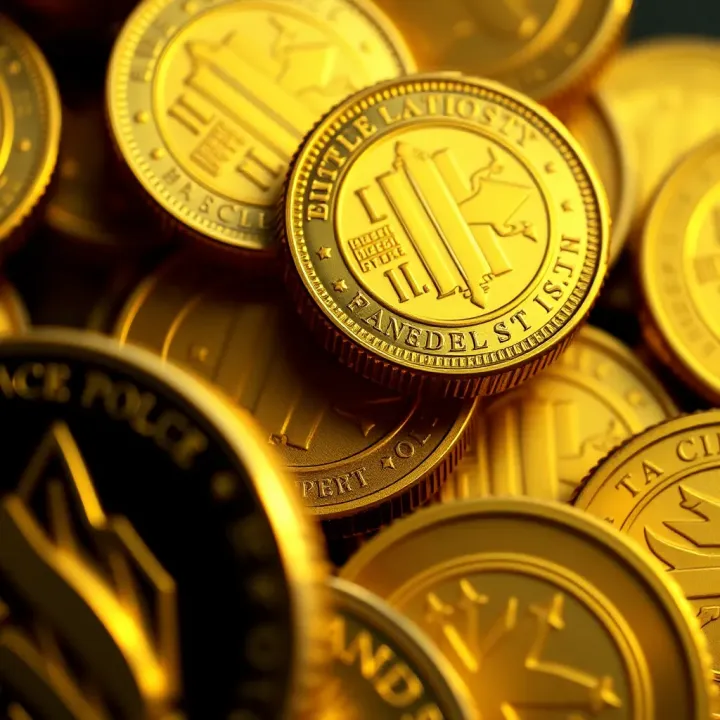
The purity of gold in a coin is usually measured in karats or fineness. For example, the widely recognized American Gold Eagle is 22 karats (about 91.67% pure gold), whereas the Canadian Gold Maple Leaf is 24 karats (99.99% purity). Pure gold coins generally carry a higher price per ounce, but the coin's weight also plays a role — more weight means more gold value.
Demand for gold coins fluctuates with investor sentiment, collector interest, and economic factors. When the economy gets shaky, gold often shines brighter as a safe haven. For instance, during economic downturns or geopolitical tensions, buying interest surges, driving prices higher. Conversely, when stock markets perform well, gold may take a backseat.
Gold coin prices respond to factors like inflation rates, the U.S. dollar strength, and Federal Reserve policies. When inflation climbs, gold tends to hold its value, making coins more appealing. A weaker dollar usually pushes gold prices up since it becomes cheaper for holders of other currencies.
Tip: Keep an eye on the Consumer Price Index (CPI) and interest rate changes. They often set the gold market’s tone.
Tracking prices means looking beyond headline gold spot prices. You should:
Monitor reputable platforms like Kitco or the World Gold Council for live prices.
Follow auction results and dealer listings to see actual coin premiums above spot price.
Understand that collectible coins might trade at a premium unrelated to gold content alone.
This approach helps you spot when coins are priced fairly or when sellers add hefty markups.
Imagine you're eyeing a 1-ounce American Gold Eagle. If the gold spot price is $2,000, the coin might sell for $2,100 to $2,150 depending on market demand and dealer markup. However, a rare mint year could send that price even higher.
The bottom line is, knowing how purity, demand, and the economy interplay will help you make smarter bets when buying or selling gold coins. Staying informed helps you avoid surprises and make the most of your investment.
Gold purity and weight are the backbone of any gold coin's value—they directly affect what you’re paying for and what you can get back when selling. For investors and traders, understanding these factors helps make better buy or sell decisions, avoiding overpaying for coins that don’t hold their worth.
Gold purity is measured using the karat system, which tells you the proportion of pure gold in the alloy. Pure gold is 24 karats, meaning 100% gold. A 18-karat coin contains 18 parts gold and 6 parts other metals like copper or silver. This matters because the higher the karat, the more gold content—and that affects the intrinsic worth.
Coins typically come in purities like 24K (pure gold), 22K (around 91.7% gold), and 18K (75% gold). For example, many popular bullion coins such as the American Gold Eagle are 22K. Higher karat coins beat lower karat ones on value per weight since they carry more actual gold. That’s crucial because market prices track gold content, not just the coin’s face design.
The impact on intrinsic value is straightforward: the purer the gold, the higher the melt value, which is the worth based on raw gold. A 1-ounce 24K coin will logically command a higher base price than a 1-ounce 18K coin, simply because it has more pure gold. Investors need to know this difference so they’re not misled by coins with heavy alloys but less gold inside.
Gold coin weight usually comes in troy ounces—different from regular ounces, with a troy ounce weighing about 31.1 grams. This standard is important because gold pricing worldwide uses troy ounces. Using grams or other weight units without converting could lead to miscalculations. For instance, a coin weighing 31 grams isn’t exactly one troy ounce, so its gold value differs slightly.
Typical collectible gold coins come in weights like 1 gram, 1/10 oz, 1/4 oz, 1/2 oz, and 1 oz. The American Gold Buffalo and Canadian Maple Leaf are standard 1-ounce coins. The weight standardization simplifies price comparison and ensures buyers know precisely what they’re getting.
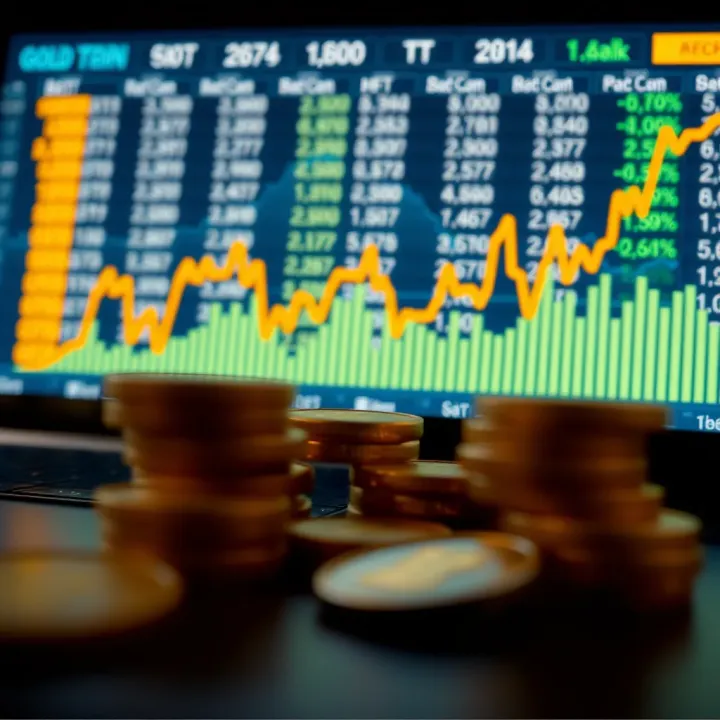
Calculating melt value involves multiplying the coin’s pure gold weight by the current spot price of gold. If gold trades at $1,900 per troy ounce, a 1-ounce 22K coin (about 0.9167 ounces of pure gold) would have a melt value close to $1,740. Knowing melt value helps investors estimate a coin’s base worth, separate from collectible premiums or dealer fees.
Understanding gold purity and weight is critical—you’re essentially buying gold by weight and quality, so these factors directly set a coin's floor value. Prices above this reflect rarity, condition, or dealer costs, but the basics always sit on solid gold ground.
For anyone trading or investing in gold coins, getting familiar with purity levels and weight measurements cuts through confusion and gives a clear sense of real value before you buy.
Understanding the market forces behind gold coin prices is essential for anyone involved in trading or investing. These forces dictate how much buyers are willing to pay and sellers expect to receive—often shifting rapidly due to global events or economic signals.
Gold mining trends directly affect how much gold enters the market. When mining output drops, as seen in recent years due to environmental regulations and declining ore quality in places like South Africa and Russia, gold becomes scarcer. This scarcity can push prices up, benefiting coin holders. Conversely, a boom in mining in countries like Australia or Canada can increase supply and temper price rises.
Central bank reserves play a surprisingly significant role in setting the tone for gold prices. When central banks—especially in emerging markets like China or Turkey—increase their gold hoards, it signals confidence in gold as a store of value. This buying demand tends to lift prices. For instance, if the Federal Reserve decides to diversify its assets by adding gold, markets usually respond with increased gold prices, impacting coin values accordingly.
Industrial and jewelry use also influences demand but tends to have more predictable effects. Jewelry demand in countries like India spikes during wedding seasons, driving gold purchases. Industrial use in electronics and medical devices adds steady but smaller pressure on supply. If tech innovations reduce gold usage in devices, demand might flatten, potentially lowering prices.
Inflation and currency strength are closely watched by investors. When inflation rises, the purchasing power of the dollar falls, making gold a safe haven that often trades higher. For example, during periods of high U.S. inflation in the early 1980s, gold prices surged. On the flip side, a stronger dollar usually makes gold more expensive for global buyers, dampening demand and prices.
Geopolitical uncertainties generate sudden volatility in gold prices. Events like trade wars, military conflicts, or political instability prompt investors to shift to gold as a protective asset. During the 2008 financial crisis, geopolitical tensions and economic turmoil sent gold prices soaring, pushing gold coins’ values up as well.
Interest rates and investment shifts also matter. When the Federal Reserve raises interest rates, making bonds and savings accounts more appealing, gold often takes a hit since it doesn’t produce yield. However, if rates stay low for long, investors tend to favor gold, boosting prices. Additionally, shifts in portfolios—like increased ETF purchases or sales—can cause sharp but short-term price moves.
The bottom line is that gold coin prices don’t exist in a vacuum. Tracking these market forces helps traders and investors anticipate movements and make smarter decisions.
In summary, it pays to keep an eye on gold supply sources, central banks' activity, industrial trends, inflation data, geopolitical news, and interest rate policies. Each factor, alone or combined, can swing gold prices and affect your coin's value.
Keeping a close eye on gold coin prices is key for anyone involved in trading or investing in gold. Prices can shift quickly due to various market influences, so having access to accurate, real-time information helps you make timely decisions. Whether you’re a seasoned investor or just starting, regular monitoring helps you spot trends, avoid overpaying, and know the right moment to buy or sell.
Online gold price indexes offer instant access to gold spot prices updated throughout the trading day. These indexes reflect the current market price for gold, factoring in global supply and demand in real-time. For example, platforms like Kitco or the LBMA Gold Price give you the going rate per ounce based on market activity, which serves as a baseline for valuing gold coins. Tracking these prices daily helps you anticipate price movements tied to economic news or geopolitical events.
Checking mint and dealer listings is equally important since these sources provide actual sale prices for gold coins—not just the raw metal value. Mints such as the U.S. Mint or the Royal Canadian Mint update their coin prices regularly, reflecting premiums for design, rarity, and condition. Dealers like APMEX or JM Bullion list coins with marked prices that include these premiums plus any dealer fees. Watching these listings gives insight into the real cost of acquiring a specific coin.
Financial news platforms like Bloomberg, CNBC, or Reuters include dedicated sections for commodities and metals prices. They offer expert commentary, market trend analysis, and relevant economic indicators that impact gold prices. Staying updated through these channels adds depth to your price tracking by connecting gold coin values to broader economic conditions and policy changes.
Price alert apps can be a game-changer, especially if you can't constantly watch the markets. Apps like Gold Price Live or Kitco allow you to set thresholds for alerts—say, if gold hits $1,900 per ounce, you get a notification. This helps you react quickly without refreshing websites all day. It’s practical whether you’re waiting to sell a coin or tracking entry points for new purchases.
Market analysis tools offer more than just prices; they provide charts, historical data, and technical indicators to help interpret trends. Tools such as TradingView or MetaTrader let users analyze patterns, moving averages, and volume data to predict potential price shifts. These deeper insights enable smarter timing decisions and risk management when dealing with gold coins.
Engaging with social media and forums can also provide real-time market sentiment and tips from other traders. Places like Reddit’s r/Gold or specialized Facebook groups host discussions on current prices, market rumors, and coin-specific news. While these sources need careful vetting, they often highlight emerging trends faster than traditional media.
Staying informed from multiple angles—official price indexes, dealer listings, news platforms, and tech tools—gives you a complete picture and avoids surprises in gold coin pricing.
Regular monitoring isn’t just about watching numbers tick up and down; it’s about connecting those changes to real-world events and data. That approach helps you navigate the gold coin market with confidence and precision.
Buying and selling gold coins isn’t just about checking the current gold price. Several factors influence a coin's value, making pricing considerations essential for both investors and collectors. Knowing what impacts price helps you avoid overpaying or underselling your coins, turning informed decisions into better returns.
Grading standards set the benchmark for a coin’s condition and directly affect its market value. Professional grading companies like PCGS or NGC assign grades ranging from Poor (P-1) to Perfect Mint State (MS-70). For example, a gold coin graded MS-65 will command a noticeably higher price than the same coin graded MS-60. This difference reflects the coin's surfaces, luster, and strike quality, giving buyers confidence in the purchase.
Vintage and limited editions bring extra appeal. Older coins or those from limited mint runs tend to be more valuable due to scarcity. Take the 1933 Saint-Gaudens Double Eagle—although it’s technically illegal to own most copies, its rarity has pushed its value to millions. Even modern limited editions with unique designs can carry premiums, especially to collectors seeking exclusivity.
How condition impacts value is straightforward: better condition means higher demand and price. Scratches, discolorations, or cleaning damage can knock hundreds or even thousands off a coin’s worth. It’s worth investing time to inspect coins closely or request professional evaluation before buying or selling.
Premiums over spot price are the difference between the current gold spot price and what dealers charge. These premiums cover costs like minting, distribution, and dealer profit. For popular coins like the American Gold Eagle, premiums typically range between 5% and 10%. Knowing this helps you understand why a coin might cost more than gold’s melt value.
Transaction and authentication fees can add up, especially when selling. Some dealers charge flat fees or percentages for evaluating, authenticating, or shipping coins. For instance, a $25 authentication fee might seem small, but it lowers your net profit when selling lower-value coins. Always ask upfront about these costs to avoid surprises.
Negotiation tips include doing your homework on recent sales and understanding price trends before making offers. Dealers expect some back-and-forth, so don’t hesitate to ask for a lower premium or a waived fee, especially if buying multiple coins. Being polite but firm often yields better deals.
When dealing with gold coins, knowing how grading, condition, and dealer practices influence pricing gives you an edge in both buying smart and maximizing your returns when selling.
Understanding these elements equips you to make sharper decisions, whether you’re expanding your collection or cashing in on your gold holdings.
Valuing gold coins accurately goes beyond just looking at the spot price of gold. Knowing how to identify trusted dealers, understanding certification, and using reliable resources for price data can protect your investment and help you make smarter decisions. These tools and tips provide a solid foundation for both new and experienced collectors or investors.
Grading companies play an essential role in gold coin valuation. Organizations like the Professional Coin Grading Service (PCGS) and Numismatic Guaranty Corporation (NGC) assign condition grades to coins after thorough inspection. This grading affects a coin’s market value significantly because a well-graded coin generally fetches a higher price than an ungraded or poorly graded one. A great example is a 1-ounce American Gold Eagle: a coin graded MS70 (perfect condition) by PCGS can sell for $50 to $70 more than an ungraded coin.
Authenticity guarantees are critical for building trust in gold coin transactions. Certified coins come with tamper-evident holders verifying that the coin is genuine and matches the grade given. This protection reduces the risk of counterfeits or altered coins slipping into the market. Without such guarantees, buyers could easily overpay for coins that aren’t authentic or properly valued.
Finding reputable sellers involves some legwork. Established coin dealers with positive reviews, memberships in industry groups like the American Numismatic Association, and transparent pricing are good places to start. Auction houses such as Heritage Auctions and Stack’s Bowers are also trusted venues, especially for rare or high-value pieces. When dealing online or in person, ask for certificates of authenticity and confirm grading from recognized companies to avoid scams.
Evaluating past price trends offers insight into how gold coin values move over time. For instance, during periods of inflation or economic uncertainty, gold prices often rise, which tends to increase gold coin values. Conversely, strong dollar phases might lower prices even if gold remains constant. Tracking these cycles through historical data helps investors anticipate the right time to buy or sell.
Price guides, like the latest editions from the Red Book or Kitco’s online tools, list coin values based on grade, rarity, and current market demand. Understanding how to interpret these guides involves recognizing that listed prices reflect typical market conditions. They offer a ballpark figure—not an exact number—for a particular coin's worth. For example, a common-date 22-karat coin in average condition might show a value slightly above melt price, while a rare mint error will list substantially higher.
Practical resources for hobbyists and investors include online forums, coin catalog apps, and collector publications. These platforms often provide updated market chatter, recent auction prices, and advice from seasoned professionals. Using several resources instead of relying on a single source can give a broader, more accurate picture of the current gold coin market.
Bottom line: Combining trusted certifications, reliable dealers, and smart use of price guides and data will help you value gold coins confidently and avoid costly mistakes.
Explore how binary code drives computing and discover the roles of bots in tech, business, and daily life. Learn their impact and ethics 🤖💻.

Learn how the binary search algorithm efficiently finds elements in sorted data 📊. Explore its workings, performance, and real-world applications in coding 💻.
🔢 Learn the basics and methods of binary multiplication with clear steps, examples, and tips to tackle common challenges in digital electronics and computing.

💻 Explore how binary systems work in computing and digital tech! Learn key concepts, data processing, and coding techniques for software and electronics.
Based on 8 reviews