
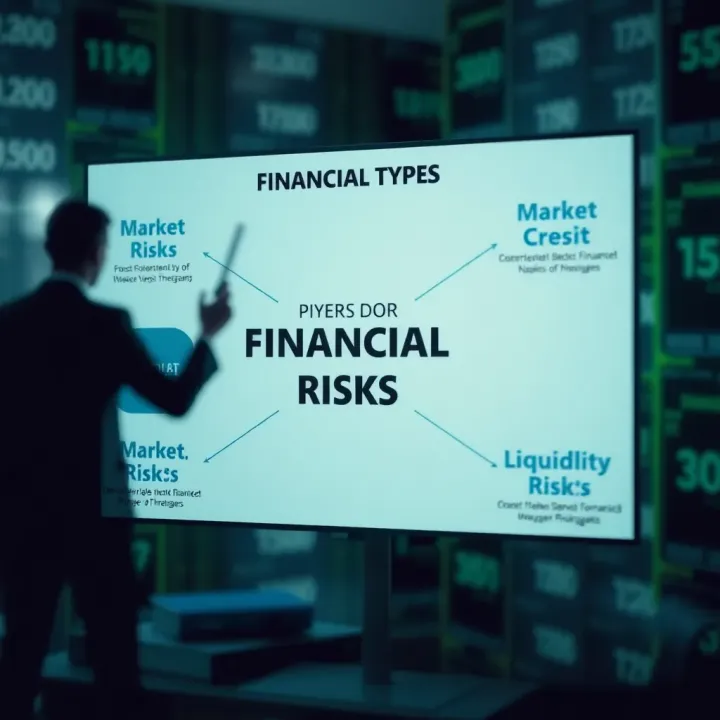
Financial Risk Management Explained
📊 Learn financial risk management essentials in Kenya—identify, assess, and control risks using practical tools and best practices for business security.
Edited By
Daniel Foster
Risk management is essential for any business operating in Kenya or elsewhere. It helps firms spot potential problems before they escalate and protects their operations from unexpected shocks. Trading floors, investment firms, brokers, and educators all benefit from understanding how to manage risks step by step.
At its core, risk management involves identifying, assessing, and controlling threats that could harm financial performance or reputation. For example, a Nairobi-based exporter may face currency fluctuations or delayed shipments. Being able to identify these risks early enables faster action, such as hedging currency or diversifying suppliers.
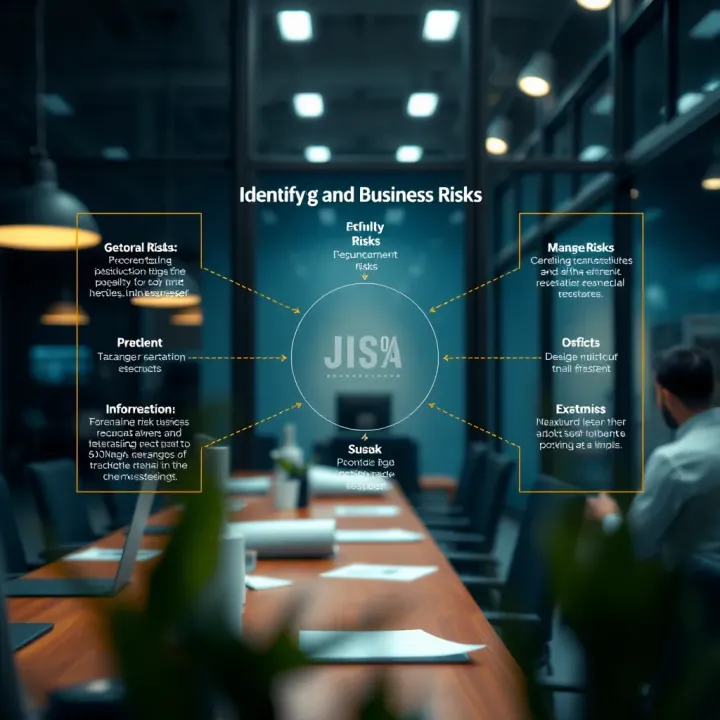
"Managing risks isn’t about avoiding all dangers but about preparing smart, practical responses to reduce losses and improve confidence in decision-making."
Risk Identification
Spotting internal and external risks relevant to your business. These could be market risks like inflation or operational risks such as system failures.
Risk Assessment
Determining the likelihood and potential impact of each risk. Tools like risk matrices help prioritise which threats need urgent focus.
Risk Control
Implementing measures to prevent or reduce risk impact. Kenyan SMEs might use insurance cover, contingency funds, or contracts that limit liability.
Monitoring and Review
Continuous tracking of risks and control effectiveness to adapt as conditions change. For instance, fluctuations in petrol prices could necessitate revising logistics costs regularly.
Consider a Kenyan stockbroker exposed to market volatility due to global political unrest. Identifying such external risk allows the broker to adjust portfolios or advise clients appropriately. Similarly, a jua kali workshop can assess risks like equipment breakdown, then set aside funds or establish maintenance schedules to avoid downtime.
By breaking down risk management into clear steps, organisations can create resilient strategies fitting local challenges and opportunities. This approach safeguards livelihoods, builds investor confidence, and supports sustainable growth.
Understanding and applying these steps is the foundation for any serious player wanting to thrive amid uncertainties that come with dynamic markets and evolving regulations in Kenya and beyond.
Risk management is essential for any organisation aiming to stay afloat amid uncertainties. Simply put, it’s the process of identifying, analysing, and controlling potential threats that could harm a business’s operations or assets. For traders and investors, understanding risk management helps protect investments and make informed decisions, especially in Kenya’s dynamic markets that can shift due to policy changes or economic events.
Risk refers to the chance of loss or damage that affects business goals. These can come from various areas — market fluctuations, regulatory changes, or even physical threats like fire or theft. Risk management involves recognising these uncertainties early and designing ways to handle them before they escalate. For instance, if a business relies heavily on a matatu route prone to frequent disruptions, it would assess this risk and consider alternatives or insurance to mitigate losses.
Unmanaged risks can disrupt operations, erode profits, and damage a company’s reputation. For example, a supplier failing to deliver on time could stall production, causing missed deadlines and unhappy customers. Similarly, an investor unaware of currency risk may suffer losses when the shilling weakens unexpectedly. This highlights why organisations, big or small, must keep an eye on risks that might seem minor but have ripple effects.
Without a clear risk management plan, businesses expose themselves to avoidable dangers that could threaten survival.
A well-organised approach to risk helps reduce surprises and builds resilience. It allows you to prioritise between high-impact threats and minor hiccups. Kenyan businesses adopting this method can better cloud their strategies, for example, by setting aside emergency funds or diversifying supply chains. It also encourages a culture where employees openly discuss risks, leading to quicker responses when issues arise. Ultimately, this structure safeguards assets, promotes steady growth, and reassures investors who are increasingly cautious about where they place their money.
In short, risk management is about being proactive and prepared. It’s not about avoiding risks completely but managing them smartly to keep your business running smoothly, even when challenges crop up unexpectedly.
Recognising risks ahead of time helps businesses avoid nasty surprises that can disrupt operations or cause financial losses. In Kenya's fast-moving economy, where market conditions and regulations may shift suddenly, early risk identification acts as a crucial shield. By spotting potential threats early, companies can take control rather than reacting under pressure, saving time, costs, and maintaining confidence among investors and partners.
Businesses face risks coming from different directions. For example, an exporter dealing with the East African Community (EAC) may be affected by shifting tariffs or trade rules. Supply chains can also be vulnerable — delays in deliveries caused by matatu strikes or customs clearance backlogs threaten timely production.
Financial risks emerge from fluctuating foreign exchange rates or delayed payments through M-Pesa. Operational risks often arise from ageing equipment in the jua kali sector or unreliable power supply. Legal compliance risks can hit firms unaware if county governments change local regulations, say, for waste management or licensing.

Unexpected events such as extreme weather during the long rains can disrupt logistics and damage stocks, serving as a stark reminder that natural events also slip into the risk profile.
Organisations in Kenya should establish regular risk scanning routines. This includes monitoring local news about policy changes, industry trends, and economic indicators that may impact operations. For instance, keeping an eye on CBK announcements on interest rates or KRA tax directives can highlight upcoming financial pressures.
Engaging employees at all levels can reveal problems before they escalate. For example, frontline staff in Nairobi's retail outlets may notice supply shortages or customer payment delays early on. Setting up simple feedback channels encourages sharing such intelligence.
Using technology helps too—data analytics on sales figures, inventory, or payment patterns can uncover anomalies suggesting emerging risks. For example, a sudden drop in transactions via M-Pesa might indicate system glitches or fraud attempts.
Lastly, maintaining open dialogue with suppliers and customers offers early warning signs. If a supplier in Mombasa signals potential delays, pre-emptive actions like finding alternative sources can reduce disruption.
Identifying risks early isn't about predicting the future perfectly, but about being alert and ready to act before issues damage your business. With clear approaches to spotting these signals, traders, investors, and analysts in Kenya can maintain resilience and confidence even when surprises come.
Assessing risks lets you understand the real threat they pose to your business or investment. Without this step, you might either overreact to minor risks or underestimate serious ones. In Kenyan businesses, like small-scale traders or investors in agricultural ventures, knowing the potential harm helps allocate resources wisely. For example, a farmer assessing drought risk may decide to invest in irrigation rather than expanding land blindly.
The first step in risk assessment is measuring the chance a risk will occur and the damage it might cause. Likelihood refers to how probable an event is — say, the risk that a matatu strike will disrupt supply chains in Nairobi. Impact, on the other hand, measures the consequences, such as loss of revenue or delayed deliveries. Both need clear evaluation.
It helps to use simple scales like "low, medium, high" for both likelihood and impact. For example, a trader might rate a sudden fuel price rise as high impact but medium likelihood. This gives a clearer picture of priorities. Combining these ratings shows which risks require urgent attention and which can be watched.
Several tools make risk assessment more systematic and less guesswork.
Risk Matrix: This is a grid where you plot risks according to their likelihood and impact. It quickly highlights high-risk areas demanding action.
SWOT Analysis (Strengths, Weaknesses, Opportunities, Threats): While broader, it helps identify threats alongside opportunities, painting a fuller risk picture.
Scenario Analysis: This considers different possible futures — for instance, comparing best case with worst case to understand potential impacts under varied conditions.
For example, an investment analyst looking at Nairobi’s real estate market might run scenarios on regulatory changes or economic slowdowns. This way, they can advise investors on which risks to avoid or prepare for.
Risk assessment turns vague worries into concrete priorities. It guides where to focus efforts, saving time and money while strengthening resilience.
By carefully evaluating likelihood and impact, and using practical tools, businesses and investors gain a sharper sense of which risks pose the biggest threat. This sets the stage for managing those risks effectively and maintaining steady growth despite uncertainties.
Selecting the best risk management strategy is crucial for protecting an organisation's assets without unnecessarily limiting its potential. Different risks require different responses, and the choice of how to handle a risk depends on factors like its likelihood, impact, costs involved, and the organisation’s risk appetite. For traders, investors, and financial analysts, applying the right approach can mean the difference between avoiding major losses and missing out on opportunities.
Risk avoidance means steering clear of activities or decisions that could create risk. For instance, a company might avoid investing in volatile foreign currency markets if it lacks expertise or the capacity to absorb losses. Reduction strategies, on the other hand, focus on lowering the chance or impact of risks. A Kenyan SME importing goods might negotiate payment terms to delay cash outflow, or diversify suppliers to reduce reliance on one source. These tactics help limit exposure without shutting down the activity entirely.
Choosing avoidance or reduction first is often wise where risks pose significant threats to capital or operations. It’s about cutting your losses before they start, which is especially relevant when the cost of mitigation is lower than the potential damage.
Not all risks can or should be handled internally. Sharing involves spreading risk through partnerships or joint ventures. For example, a group of farmers might form a cooperative that shares the risk of crop failure, making losses manageable for any one member.
Transferring risk, often through insurance, is common in financial and business sectors. An investor might buy insurance on property or equipment to protect the business against fire or theft, or a company may use hedging instruments like futures contracts to manage price fluctuations of commodities such as coffee or tea. While these measures come at a cost, they provide certainty and can protect against severe shocks.
Sometimes, risks are accepted when the cost of managing them exceeds the potential loss or when the risk aligns with strategic goals. Investors often take calculated risks in the stock market, understanding fluctuations are part of returns. For local traders, accepting some currency risk might be necessary when dealing in cross-border trade.
Acceptance also involves preparing contingency plans so that if the risk materialises, it causes minimal disruption. This practical approach recognises that not all risks can be eliminated, and sometimes betting on measured exposure can pay off.
Choosing the right risk management strategy is about balancing protection with opportunity. Effective risk management isn’t just avoiding problems but knowing when to reduce, share, or accept risk to support the organisation's growth and resilience.
By understanding and applying these strategies correctly, traders and analysts can protect their investments, brokers can advise clients more effectively, and educators can build knowledge that’s applicable in the real Kenyan business environment.
Monitoring and reviewing risk controls is a critical step in managing risk effectively. This phase ensures that the measures put in place to reduce threats are actually working as intended. Without proper monitoring, a risk management strategy can become outdated or ineffective, especially in dynamic environments like Kenyan markets where changes may happen fast. Regular reviews help organisations spot any new risks and opportunities to improve their controls.
Tracking performance involves measuring how well risk controls manage identified threats. For instance, a trading firm in Nairobi might monitor the frequency of system downtimes when dealing with online transactions. If downtime increases despite existing controls, it signals a need for further investigation. On top of that, emerging risks are those new issues that were not initially identified but can pose a threat later. For example, fluctuations in foreign exchange rates due to global events can suddenly affect Kenyan importers and exporters.
Good tracking systems often rely on key performance indicators (KPIs) and regular reporting cycles. These could include incident reports, audit results, or customer complaints. Data collected helps reveal patterns and warns against risks that might be lurking just beneath the surface. Failure to spot these emerging risks in time can lead to costly disruptions or even reputational damage.
Once the performance and emerging risks are tracked, it is vital to adjust risk controls accordingly. Controls should not remain static because both internal operations and external environments evolve. For example, a financial service provider may need to update its fraud detection software as cybercriminals come up with new tactics.
Adjustments might mean improving existing controls, applying new strategies, or withdrawing ineffective measures. This process is best managed through periodic reviews where stakeholders assess whether controls still fit the risk profile. In practical terms, a firm could upgrade its insurance cover or renegotiate supplier contracts based on shifting market conditions.
Effective risk monitoring is an ongoing process. Staying alert to changes and being ready to tweak your controls helps keep your organisation resilient and adaptive.
By systematically monitoring and reviewing risk controls, businesses safeguard their operations, stay compliant with regulations, and protect their reputation. In Nairobi's fast-changing business landscape, this step can make the difference between surviving shocks or struggling to recover.
Embedding risk awareness within an organisation’s culture is vital for sustainable risk management. When staff at all levels understand the risks facing the business and their role in managing them, risks are less likely to catch the company off guard. This cultural shift moves risk management from being a task for a few specialists to an everyday responsibility shared by everyone.
A culture attentive to risk encourages proactive thinking and faster responses to emerging challenges. For instance, a Nairobi-based small manufacturing firm that made a habit of sharing near-misses during team meetings managed to reduce machinery breakdowns significantly by addressing small issues before they escalated. This example shows how risk awareness can tangibly improve operational efficiency.
Training is the foundation of risk consciousness. Staff should receive regular, practical training on identifying risks relevant to their work area. This might include spotting early signs of supplier delays, understanding cyber threats, or recognising financial irregularities. Training sessions should not be one-off affairs but ongoing processes that evolve as new risks appear.
Consider a financial firm where traders are trained quarterly on market risks, compliance changes, and ethical trading. Such training enables them to make informed decisions, minimising losses and regulatory penalties. Furthermore, using real scenarios and role-play during training helps staff internalise risk concepts and apply them in daily work.
An open communication culture about risks breaks down silos and prevents dangerous surprises. Organisations must create safe channels for people to voice concerns or report risks without fear of blame. Top management should champion this openness by actively seeking feedback and demonstrating that raising alarms leads to constructive solutions, not punishment.
At a Kenyan bank, introducing an anonymous digital platform to report suspicious activities led to early detection of fraud attempts. Staff felt more confident sharing information knowing their concerns were taken seriously and acted upon swiftly. Besides formal channels, informal conversations and regular risk-focused meetings can strengthen the habit of speaking openly about potential problems.
Embedding risk awareness is not just about policies but building trust and collective responsibility. Staff must see themselves as risk owners who protect the organisation’s future, not just task doers.
By investing in staff training and fostering open dialogue, organisations create resilient cultures that respond adeptly to changing risk landscapes. This approach ensures risk management is woven into the fabric of everyday business, leading to stronger, more sustainable operations.
📊 Learn financial risk management essentials in Kenya—identify, assess, and control risks using practical tools and best practices for business security.

Explore how Enterprise Risk Management frameworks help Kenyan businesses identify, assess, and manage risks 📊 for smarter decisions and stronger protection.

Explore practical risk management strategies 🛡️ for Kenyan businesses. Learn to identify, assess, and control risks with key tools and frameworks.
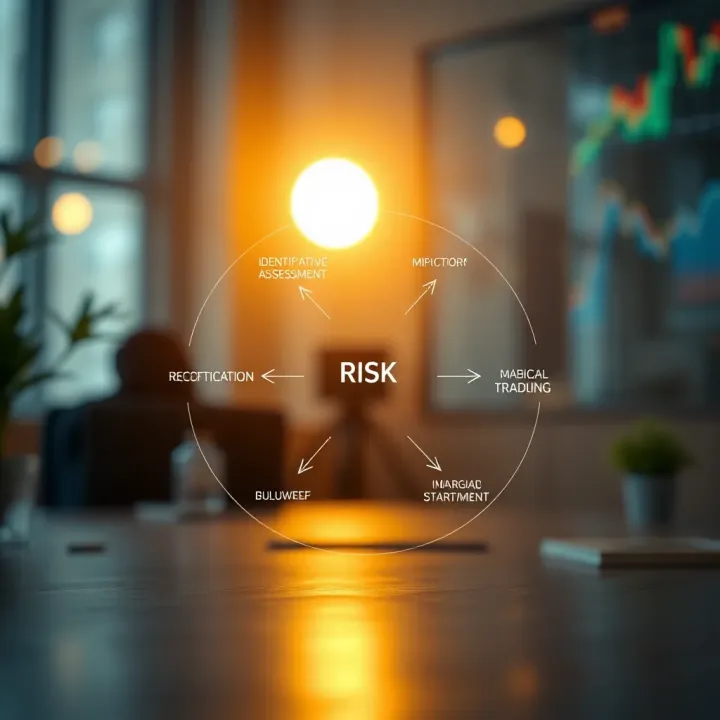
📊 Learn how Kenyan businesses can master risk management by identifying, assessing, and minimizing threats to protect their operations and thrive in uncertain times.
Based on 12 reviews