

Understanding Binary Trade in Kenya: A Simple Guide
Explore binary trade in Kenya 📈: Understand the basics, discover practical strategies, assess risks, and navigate regulatory rules for smarter trading decisions.
Edited By
Grace Thompson
Non-binary identities refer to experiences of gender that don’t fit neatly into the traditional categories of male or female. In Kenya, where gender roles are often deeply linked to culture and tradition, understanding non-binary can bring fresh perspectives to how we see people beyond fixed roles.
Many non-binary individuals may identify as both male and female, neither, or fluidly move between genders. For example, someone might feel more masculine some days and more feminine at other times, or feel their gender exists outside the usual male-female labels altogether.

Recognising non-binary identities means accepting that gender is not strictly about biology or the body but also about how people understand and express themselves.
Here are some key points to clarify:
Gender is different from sex: Sex usually refers to physical characteristics at birth, but gender is about personal identity and social roles.
Non-binary is an umbrella term: It includes various experiences like genderqueer, genderfluid, agender, and others.
Pronouns matter: Non-binary people may prefer pronouns such as they/them, ze/hir, or others instead of he/him or she/her.
In workplaces, classrooms, and social settings in Kenya, understanding non-binary identities helps create safer and more respectful environments. For example, a teacher who knows non-binary students may avoid assuming gender and encourage inclusive language. Similarly, investors and business leaders observing social trends can see how gender diversity impacts workforce dynamics and consumer preferences.
Understanding and respecting non-binary identities also ties into rights and legal recognition. While Kenya’s laws mostly acknowledge male and female genders, there is growing advocacy for more gender options on official documents and legal protections against discrimination.
As the society evolves, recognising non-binary identities is a step towards deeper inclusivity. This means challenging rigid stereotypes and opening up spaces where everyone feels accepted for who they are.
Understanding what non-binary means is vital for anyone seeking to grasp gender realities beyond the traditional male-female division. In practical terms, recognising non-binary identities helps foster inclusiveness in workplaces, schools, and communities, especially in Kenya where gender roles have long been rigid. This section breaks down the core meaning and significance of being non-binary, offering clarity that supports respectful interaction with non-binary individuals.
Non-binary refers to people whose gender identity doesn't fit neatly into the categories of male or female. Instead of identifying purely as a man or woman, non-binary people may feel somewhere in between, a combination of both, or outside this framework altogether. For instance, someone might identify as both masculine and feminine at different times or reject gender categories entirely. This approach challenges the typical Kenyan expectation that one must be either male or female, urging a broader view that embraces varied gender experiences.
Acknowledging this helps reduce confusion and discrimination in settings like schools or offices where forms and conversations often assume binary identities. When systems adapt — for example, by allowing gender options beyond "male" and "female" — non-binary people feel recognised and included, which improves wellbeing and participation.
Many non-binary individuals share experiences such as discomfort with gendered clothing or pronouns, or feeling erased in social conversations that centre only on men and women. For example, someone might prefer gender-neutral pronouns like "they/them" instead of "he/him" or "she/her." Others might express their gender differently on different days, choosing styles or behaviours that don’t align strictly with masculine or feminine norms.
In a Kenyan workplace context, simple acts like inviting someone to a team dinner with correct pronouns or avoiding assumptions about their gender can make a big difference. These practical steps build respect and trust, helping non-binary colleagues feel safe and valued.
While both non-binary and transgender identities involve experiences of gender different from that assigned at birth, they are not the same. Transgender people generally identify as the opposite gender to their birth sex — for example, someone born male who identifies as female. Non-binary people, on the other hand, do not identify strictly as male or female but fall outside or between these categories.
This distinction is important in contexts such as legal recognition or health care. For instance, some transgender individuals may seek hormone therapy to align their bodies with their gender identity. Non-binary individuals might pursue different routes or none at all, depending on their personal gender experience. Kenyan health providers and policymakers should thus avoid lumping all gender-diverse identities under one label but address their specific needs separately.
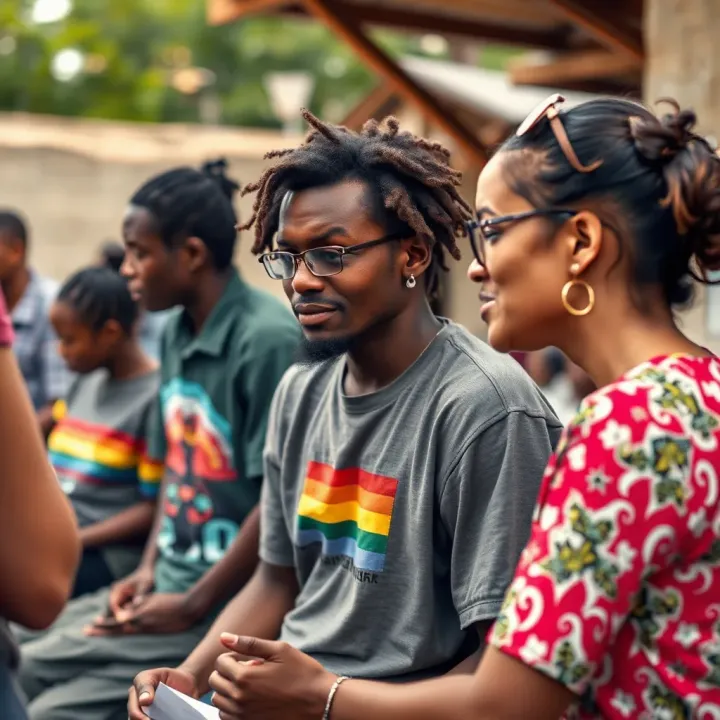
Besides non-binary and transgender, there are other gender-diverse identities such as genderfluid (shifting gender over time), agender (no gender), or third-gender identities recognised in some cultures. For example, certain Kenyan communities may have traditional roles that don’t fit into male-female categories but are respected parts of society.
Being aware of this variety helps investors, educators, and business leaders appreciate the full spectrum of gender diversity rather than oversimplifying. Respecting these differences leads to more inclusive policies and practices, whether in recruitment, service delivery, or educational curricula.
Understanding non-binary identities requires moving beyond fixed categories towards recognising individual gender experiences. This shift matters for creating respectful and inclusive environments in Kenya’s social and economic spaces.
Keywords: non-binary meaning, gender beyond male and female, non-binary experiences, transgender vs non-binary, gender-diverse identities, Kenyan gender inclusivity, gender identity in Kenya
Understanding language around non-binary identities is vital for respectful communication and practical inclusivity. Language shapes how society recognises people outside the male-female binary and helps reduce misunderstandings. For professionals working in education, finance, or community services in Kenya, knowing the right terms ensures appropriate interactions and policies.
Pronouns are words used instead of a person’s name, such as he, she, or they. Many non-binary people prefer gender-neutral pronouns like they/them to express identities beyond male or female. Others use neopronouns such as ze/zir, which function similarly but are less common. For example, someone might say, “They went to the market,” instead of “He went” or “She went.” This small change honours their identity and promotes respect.
Knowing when and how to ask about pronouns is equally important. It’s best to wait for someone to share their pronouns but if unsure, asking politely and privately is okay. Simply saying, “What pronouns do you use?” shows respect. When someone tells you their pronouns, use them consistently even if it feels unfamiliar at first. Avoid assumptions based on how a person looks or sounds.
Terms like genderqueer, genderfluid, and agender describe different non-binary experiences. Genderqueer is a broad label for someone who rejects the traditional gender categories. Genderfluid refers to people whose gender shifts over time—they might feel more masculine some days, more feminine on others. Agender describes people who do not identify with any gender at all.
These distinctions help convey the diversity of identity experiences beyond the binary. They matter because recognising specific terms allows for better communication and targeted support, especially in settings like schools or workplaces.
Non-binary identities also have cultural variations. In Kenya and many African societies, traditional concepts recognise more than two genders. For example, the muxes of the Zapotec people in Mexico or the fa’afafine of Samoa show how gender diversity exists worldwide. In Kenya, elders may recall historical roles that don’t fit the Western binary system neatly. Acknowledging these cultural contexts enriches understanding and broadens acceptance.
Using the right language is a first step towards recognising the humanity and dignity of non-binary people, whether in Kenya or beyond.
Non-binary individuals face distinct challenges that affect their day-to-day lives and long-term well-being. These hurdles often stem from limited social awareness, legal recognition, and systemic barriers. Understanding these difficulties is essential for traders, investors, and educators who interact with diverse communities and markets, as well as for policy advocates aiming to foster inclusivity. Highlighting these challenges helps clarify why non-binary inclusivity is not just a social matter but also a practical and economic consideration.
Stigma and misunderstanding often surround non-binary identities in Kenya due to prevailing cultural norms that strongly associate gender with the male-female binary. Lack of awareness frequently leads to mislabelling, exclusion, or outright hostility. For example, non-binary individuals may face derogatory comments or be mistakenly assumed to be transgender or confused rather than recognised on their own terms. This misunderstanding impacts mental health and creates barriers in workplaces and schools where acceptance is crucial for productivity and well-being.
Family and community reactions can be mixed, often reflecting traditional expectations of gender roles in Kenyan society. Some non-binary people experience rejection or pressure to conform, which complicates access to crucial emotional and social support networks. Others might face silence or avoidance from relatives, making it harder to openly express their identity. Such reactions not only affect personal confidence but also influence economic participation, as individuals might avoid social settings or job opportunities due to fear of discrimination.
Access to appropriate legal documents remains a pressing concern for non-binary Kenyans. Official records such as national identity cards, passports, or academic certificates typically require designation as either male or female. This lack of flexibility creates complications when applying for jobs, opening bank accounts, or interacting with government services. For instance, a non-binary trader might face delays or denial when matching their ID gender marker to other legal or financial documents, hindering smooth business transactions.
Health care challenges also pose significant obstacles. Medical forms and procedures often do not recognise non-binary identities, resulting in uncomfortable or inadequate care. Health workers may lack training on inclusive language or specific health needs unique to non-binary people, such as mental health counselling or hormone therapy considerations. This gap in health services can discourage non-binary individuals from seeking timely medical attention, which affects overall community health metrics and personal well-being.
Recognition and support for non-binary people is not just about identity; it influences access to finance, health, and social stability. Tackling these challenges furthers Kenya's goals for inclusion and economic growth.
Addressing such challenges requires awareness, advocacy, and policy changes coupled with community-level support to create environments where non-binary individuals can fully participate and contribute without fear or hindrance.
Recognising and supporting non-binary individuals is fundamental to building a fair and inclusive society. This extends beyond mere acknowledgment; it involves practical steps that empower individuals to live authentically without discrimination or exclusion. In Kenya, where gender norms remain quite rigid, promoting respect for non-binary identities helps reduce stigma and encourages community cohesion.
Using correct names and pronouns is one of the simplest yet most powerful ways to show respect. For many non-binary people, their chosen name and pronouns reflect their real identity. Referring to someone by the correct pronouns such as they/them or ze/zir avoids misgendering, which can cause emotional distress. For example, in a workplace meeting, a colleague who prefers 'they/them' pronouns should be addressed accordingly to foster a culture of acceptance and understanding. If unsure, it’s perfectly okay to politely ask for preferred pronouns and consistently use them.
Creating welcoming environments involves more than language; it means designing spaces where non-binary people feel safe and included. In schools or offices, this could mean having gender-neutral washrooms and inclusive dress codes. Even small actions – like providing non-discriminatory forms where options go beyond male or female – signal that non-binary identities are valid and respected. Companies like Safaricom have begun embracing such practices, setting examples for other Kenyan organisations. When people see that their identity is acknowledged, their wellbeing and productivity often improve.
Currently, the Kenyan legal framework does not explicitly recognise non-binary identities. Official documents like national ID cards or passports typically only provide male or female options, complicating access to services for non-binary individuals. This gap affects everything from healthcare registration to school admissions, limiting the dignity and rights of these citizens. Advocacy groups continue to push for reforms, highlighting the need for legal inclusion that reflects Kenya’s diverse population.
Internationally, some countries have introduced third-gender options or allow individuals to self-identify their gender beyond the male-female binary. For instance, countries like Canada and Germany offer options such as 'X' in official documents. These developments provide practical lessons for Kenya, particularly how policy changes can improve access to services and reduce discrimination. Kenyan policymakers can study these examples to understand the administrative adjustments needed and the social benefits of recognising non-binary rights.
Respect and recognition are not just symbolic; they shape the daily experiences and opportunities of non-binary people, impacting their mental health, employment, and social inclusion. Supporting non-binary individuals creates a more open, just Kenya for all.
By adopting practical measures and pushing for legal changes, Kenya can continue to move towards a society that honours all gender identities fairly and openly.
Access to reliable resources and further reading materials is vital for anyone looking to understand non-binary identities better. These resources offer more than just knowledge; they provide practical support, community connection, and up-to-date insights on social and legal matters. For traders, investors, educators, and analysts studying social trends, recognising the importance of these resources helps in appreciating how societal shifts, including gender diversity, can influence markets and communities.
In Kenya, local organisations play a key role in supporting non-binary individuals and raising awareness. Groups like the Kenya Human Rights Commission (KHRC) and the GALCK (Gay and Lesbian Coalition of Kenya) provide not only advocacy but also safe spaces where non-binary people can connect and share experiences. These organisations often organise workshops, legal aid clinics, and counselling services tailored to gender-diverse communities.
Community-based groups in Nairobi and Mombasa also offer grassroots support by organising peer networks that help members navigate social challenges, healthcare, and employment issues. Joining or partnering with such groups can offer practical insights for organisations and businesses looking to create inclusive workplaces or community engagement strategies. For example, a financial firm aiming to support diversity can collaborate with these groups for sensitivity training or minority outreach programmes.
The internet provides vast sources of information on non-binary identities, covering everything from terminology to legal developments worldwide. Platforms like Nonbinary Wiki and Gender Spectrum offer well-maintained, accessible content suitable for professionals and educators seeking reliable references. They include guides on respectful communication and updates on gender diversity policies.
Educational videos, podcasts, and webinars by organisations such as the International Lesbian, Gay, Bisexual, Trans and Intersex Association (ILGA) can be particularly useful. These materials explain complex issues in straightforward language, helping breakdown myths and misconceptions.
Open access to credible online materials allows for continuous learning and adaptation, crucial for those in education or policy-making sectors. Additionally, linking to or distributing such content can enable companies and schools to foster more inclusive environments by equipping their teams with the right knowledge.
Being informed through trustworthy resources and community groups is a practical step toward recognising and supporting non-binary identities effectively. It also builds bridges across social divides that many still face in Kenya.
Understanding these resources helps readers not only grasp the subject better but also participate in creating an inclusive society where everyone’s identity is respected and valued.
Explore binary trade in Kenya 📈: Understand the basics, discover practical strategies, assess risks, and navigate regulatory rules for smarter trading decisions.

🤖 Explore how binary trading bots operate in Kenya's markets, their benefits, risks, and tips for responsible use to make smarter trading decisions.

Explore binary gender's history, cultural impact, and debates🌍. Understand how binary and non-binary identities shape society and personal experiences in Kenya.

🤖 Explore how binary bots trade options automatically, their risks & benefits, legal tips, and safety advice for traders in Kenya. Stay informed!
Based on 9 reviews