

Understanding Binary Trade in Kenya: A Simple Guide
Explore binary trade in Kenya 📈: Understand the basics, discover practical strategies, assess risks, and navigate regulatory rules for smarter trading decisions.
Edited By
Thomas Beckett
Non-binary identities refer to gender experiences that do not fit strictly within the categories of male or female. Unlike the traditional binary understanding, non-binary people may identify as a mix of both genders, neither, or something else entirely. This concept is gaining recognition worldwide, including in Kenya, where gender discussions often remain framed by long-standing cultural norms.
In Kenya, recognising non-binary identities comes with unique challenges shaped by social expectations, legal frameworks, and cultural traditions. Many Kenyans still see gender as strictly male or female, largely influenced by customs and religion. This narrow view can leave non-binary individuals misunderstood or marginalised.
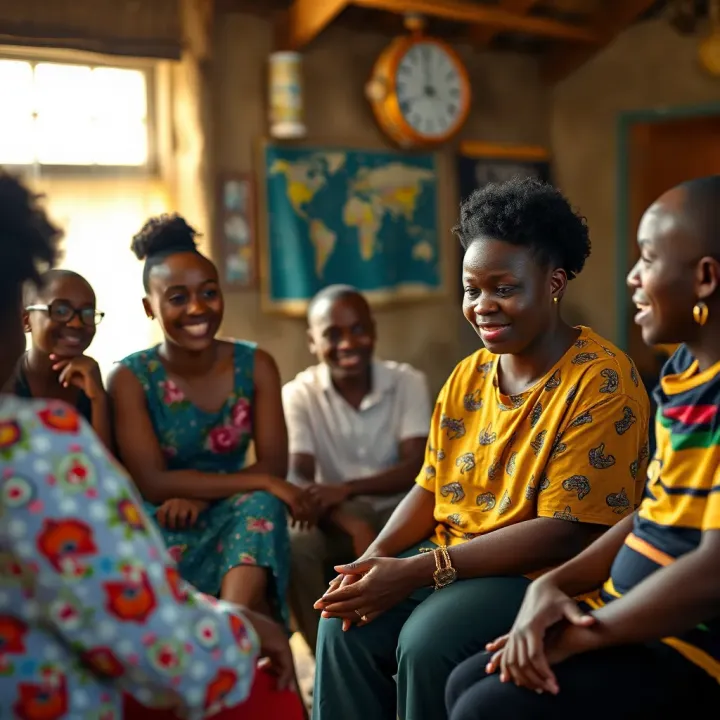
"Understanding non-binary identities is not just about terminology; it’s about acknowledging diverse human experiences within our Kenyan context."
Non-binary identity is about how a person feels and expresses their gender internally and externally. For example, some might prefer gender-neutral pronouns like "they/them" or specific local terms that better reflect their experience. In Kenyan settings, this might be complicated by the absence of commonly accepted non-binary labels in local languages, which are often gendered.
The journey of non-binary Kenyans varies greatly. Some find support within progressive urban spaces such as Nairobi and Mombasa, where more open conversations around gender happen. However, in rural areas, social attitudes tend to be more conservative, making it harder for non-binary people to express themselves openly without facing stigma or discrimination.
Key points to grasp about non-binary identities in Kenya:
Legal Status: Current Kenyan laws only recognise male and female genders, limiting official recognition for non-binary individuals.
Social Challenges: Non-binary individuals often face misunderstanding in families, workplaces, and public spaces.
Cultural Contexts: Many tribes have traditional gender roles, and breaking these often meets resistance.
Language Barriers: Lack of neutral or inclusive terms in Kiswahili and local languages affects visibility and acceptance.
For those working in education, finance, or governance, understanding these nuances aids in creating inclusive environments. For instance, investors and traders should note how gender diversity impacts market participation and product demand, especially in urban youth populations.
Overall, appreciating non-binary identities means recognising the diversity within Kenyan society and promoting respect beyond traditional gender boxes.
Understanding what non-binary means is essential when discussing gender identities beyond the traditional male and female categories common in Kenyan society. This clarity helps break down assumptions and opens doors for respectful conversations about identity that better reflect lived experiences. For example, recognising a colleague who identifies as non-binary and asking for their preferred pronouns can improve workplace inclusivity.
Gender is often assumed to be limited to two categories: male and female. However, non-binary identities challenge this binary by existing outside or between these categories. This means that someone might not feel completely male or female but somewhere along a wide spectrum, or totally independent of these genders. For instance, a person in Nairobi might identify as non-binary because they do not feel connected to the expectations that come with being strictly a man or woman.
This understanding is practical because it encourages respect for diverse gender experiences, reducing pressure on individuals to conform to traditional roles. It also helps institutions and workplaces accommodate varied gender identities by expanding beyond simple male/female classifications.
Within non-binary identities, there are several terms people use to describe their experience. Some identify as genderqueer, meaning their gender is outside societal norms. Others may be genderfluid, experiencing shifts between genders over time, or bigender, identifying as two genders simultaneously. Agender individuals often see themselves as having no gender.
These labels allow people to communicate their identity more precisely, which is useful in social contexts, health services, and legal settings. For example, an agender person filling an official form might highlight the need for a third gender option to avoid feeling excluded.
Transgender people identify with a gender different from the sex assigned at birth, typically within the male or female categories. Non-binary individuals may or may not identify as transgender because they do not fit into the binary gender system at all. For example, while a transgender woman identifies as female despite being assigned male at birth, a non-binary person might reject both male and female identities.
Understanding this distinction helps when discussing legal recognition or health service provisions, as each group may face different needs and challenges.
Non-binary is an umbrella term that includes identities like genderqueer, genderfluid, and agender. Genderqueer often overlaps with non-binary but emphasises resistance to standard gender categories. Genderfluid individuals experience changes in their gender identity over time, while agender people feel they have no gender.
Recognising these variations is practical for social support and advocacy work. It prevents one-size-fits-all approaches and allows community organisations in Kenya to tailor resources to individual needs.
Respecting and understanding non-binary identities promotes dignity and inclusion, especially within Kenyan spaces that traditionally prioritise binary gender roles.
Understanding non-binary experiences in everyday life sheds light on the practical realities non-binary people face, especially within the Kenyan setting. These experiences are not just about identity but about daily interactions, acceptance, and personal expression in homes, communities, schools, and workplaces. For investors or educators tracking social trends, such insights reveal the social dynamics affecting inclusion and diversity in Kenya's evolving society.
Non-binary individuals express their identities in ways that feel authentic and affirming to them. This can include choices in clothing, hairstyles, and mannerisms that do not fit strictly within traditional male or female norms. For example, a non-binary person might combine clothing styles typically associated with both genders or choose neutral colours and styles. Such expressions are practical markers of identity, helping them communicate who they are in environments where formal legal recognition might still be limited.
On top of appearance, personal expression can extend to behaviours and social roles. Some may prefer different ways of interacting socially or participating in community activities that align more closely with their sense of self than with conventional gender expectations. These choices help individuals navigate their environments confidently and are vital for mental health and social belonging.
Using pronouns and names is another core aspect of non-binary expression. Many non-binary people select pronouns like 'they/them' or alternative pronouns that better reflect their identity. Respecting these pronouns in conversation honours their identity and builds mutual respect. Similarly, some choose new names that are gender-neutral or completely distinct from their birth names. Both name and pronoun acknowledgement form part of the everyday affirmation that supports dignity and inclusion.
Family and community often shape the daily reality for non-binary Kenyans. Reactions can range widely—from acceptance and support within progressive households to misunderstanding or outright rejection in more conservative settings. For example, some families might struggle with the concept of non-binary identity due to deep-rooted cultural beliefs on gender roles. This can impact social participation and create significant emotional stress for non-binary individuals.
In workplaces and education settings, non-binary people often face challenges relating to recognition and accommodation. For instance, official forms and attendance registers usually cater only to male or female categories, causing confusion or discomfort. In schools and offices, simple acts like addressing someone with their chosen name and correct pronouns are often overlooked, leading to feelings of alienation. Creating policies that explicitly include non-binary identities or training staff on gender diversity can foster safer, more inclusive environments where everyone can perform at their best.
Respect for personal identity, especially through pronoun and name usage, is not just a matter of politeness—it directly influences mental wellbeing and social inclusion in Kenyan communities, schools, and workplaces.
Understanding these day-to-day experiences helps build empathy and practical approaches for supporting non-binary people, which benefits workplaces, educational institutions, and civil society alike. It also highlights the need for continuous education and signalling inclusive attitudes in all Kenyan social spaces.
Non-binary people in Kenya confront distinct challenges that shape their day-to-day experiences, often affecting their access to rights and services. Understanding these difficulties is crucial for anyone working in social sectors, education, finance, or governance, as it highlights gaps within legal and social frameworks impacting this group. Tackling such issues can lead to more inclusive workplaces, schools, and public institutions, benefiting society beyond the individuals directly affected.
One major hurdle non-binary Kenyans face is the lack of legal recognition on official documents like ID cards and passports. Kenyan identification documents traditionally require a binary gender option—male or female—forcing non-binary individuals to choose inaccurately. This misalignment places them at risk of discrimination or delays when accessing services that demand identity verification, such as banking, opening accounts, or travelling.
For example, an individual presenting as non-binary but holding an ID listing a binary gender may face questioning or denial at airports or security checkpoints. This not only causes emotional stress but practical barriers in everyday travel and business.
In the healthcare sector, access to non-binary-affirming services is limited. Many health facilities are not equipped or sensitised to address the needs of non-binary patients, leading to awkward or hostile encounters. Medical forms and procedures often require gender markers that don’t reflect non-binary identities, affecting the quality of care and sometimes leading to refusal of treatment.
Health workers’ lack of training on gender diversity can also mean mental health issues specific to non-binary individuals go unnoticed. Without supportive medical environments, non-binary persons might avoid seeking help, worsening physical and psychological conditions.
Misunderstandings about non-binary identities remain widespread in Kenyan society. Many confuse non-binary with transgender or assume it is a phase rather than a legitimate identity. These misconceptions fuel prejudice in families, schools, workplaces, and religious communities.
For instance, some employers may hesitate to hire or promote someone openly non-binary due to bias or a fear of backlash from clients or staff. Social rejection can lead to isolation, making it harder for non-binary individuals to form supportive networks.
Social stigma has a serious impact on mental health, with non-binary people experiencing higher rates of anxiety, depression, and suicidal thoughts than the general population. This stems from constant invalidation and societal pressure to conform to binary gender expectations.
Without culturally aware mental health services, these struggles remain largely invisible and untreated. Increased awareness and inclusive policies are essential to reduce stigma and provide the help non-binary Kenyans need.
Addressing these challenges requires collective effort—from legal reforms and healthcare training to community education—so that non-binary individuals can fully participate in Kenyan economic, social, and civic life.
Understanding cultural and traditional contexts is essential to appreciate how non-binary identities fit within Kenyan society. Culture shapes how people see gender roles and expressions, influencing both acceptance and resistance to gender diversity. In Kenya, long-held beliefs often centre around clear-cut male and female roles, but this does not mean that other gender identities have no roots or recognition in some communities.
Historical perspectives on gender roles
Historically, many Kenyan communities observed distinct gender roles linked to social duties, but there was space for flexibility in certain practices. For example, among the Meru people, some individuals known as 'muga mbea' are men who took on women's roles in the community, especially in ritual duties and domestic tasks, showing a form of gender non-conformity accepted at the time. Similarly, the Samburu community recognises roles beyond strict male/female binaries in ritual leadership and age-set systems.
This understanding is practical today as it highlights that strict binary gender roles were not always enforced universally. Recognising this helps challenge contemporary views that non-binary identities are foreign or new to Kenyan culture, encouraging more open dialogue and acceptance.
Examples of non-binary expressions in local communities
In local Kenyan contexts, people who don't fit neatly into male or female by current social standards often exist, though under different labels or understandings. Among the Luhya, there are historical accounts of individuals who performed tasks traditionally assigned the opposite gender. Such expressions show that gender diversity is not unfamiliar but rather has been woven into community life in subtle ways.
Practical relevance lies in how these examples serve non-binary individuals as cultural proof points. They can refer to these traditions for validation and assert that their identities have historical precedence, even if not widely acknowledged today.
Faith views on gender non-conformity
Religion remains a powerful force in shaping attitudes to gender in Kenya. Most mainstream Christian and Muslim teachings emphasise a binary understanding of gender, often viewing deviation as sinful or wrong. This has led to negative perceptions and at times, active rejection of non-binary identities.
However, some Muslim and Christian groups in Kenya are starting to engage with gender diversity more compassionately. For instance, certain church congregations in Nairobi are discussing inclusion and respect for LGBTQ+ individuals, although this remains a minority position. Insights from these engagements offer pathways for respectful conversations about non-binary identities in faith communities.
Inclusive spaces and movements in Kenya
Community spaces and activist movements have begun carving out support for non-binary and broader LGBTQ+ Kenyans. Organisations like the Gay and Lesbian Coalition of Kenya (GALCK) provide safe environments, resources, and advocacy that include non-binary persons. Online platforms also play a key role in connecting non-binary Kenyans from remote areas, fostering solidarity and access to information.
Such inclusive spaces matter because they offer protection against discrimination while empowering individuals to express their identities openly. For educators, investors, and social leaders, supporting these movements promotes social cohesion and respects human rights.
Recognising the cultural and religious backgrounds shaping attitudes towards non-binary identities gives practical tools to promote understanding, reduce stigma, and build inclusive Kenyan communities.
Kenyan communities have historical gender variations beyond the male-female binary
Certain religious groups are slowly opening space for gender diversity dialogue
Supportive organisations provide vital safe spaces and advocacy for non-binary Kenyans
This section emphasises that non-binary identities are not an imported idea but part of a complex Kenyan social fabric. Appreciating this context aids in fostering respect and meaningful support across sectors.
Supporting non-binary individuals in Kenya goes beyond just understanding; it requires practical action from communities, institutions, and policymakers. The importance lies in recognising diverse gender identities to foster inclusivity, reduce discrimination, and improve the mental wellbeing of non-binary people. This support is essential in contexts like workplaces, schools, healthcare, and legal frameworks where non-binary individuals often face barriers or hostility.
Several Kenyan groups actively advocate for gender diversity, providing crucial support networks for non-binary people. For example, organisations like Hijos de la Tierra Africa and GALCK (Gay and Lesbian Coalition of Kenya) work on raising awareness, offering counselling, and guiding individuals through legal challenges related to gender identity. These groups hold sensitisation workshops, which help communities better understand non-binary experiences and dismantle harmful stereotypes.
Access to these groups can be lifesaving, especially in areas where family or community rejection is common. They also play an advocacy role, pushing for changes in national policies that affect civil rights and social services. Their efforts make it easier for non-binary Kenyans to claim their rights and live openly.
Online platforms form another critical support structure, especially given the challenges of physical access outside Nairobi and major towns. Facebook groups, WhatsApp communities, and Twitter threads serve as spaces for sharing experiences, advice, and timely information on non-binary issues. These platforms offer education through webinars, posts, and Q&A sessions, often led by Kenyan activists and experts.
Besides peer support, online spaces also connect users to mental health resources and legal aid. For instance, some platforms guide on how to correct documents to reflect chosen names or pronouns, a major step in affirming identity. In remote regions, these virtual communities can provide solace and support that local environments might not offer.
Respecting names and pronouns is a simple yet powerful way individuals and institutions can show support for non-binary people. Using the correct pronouns, such as they/them or alternative Kenyan non-binary pronouns, affirms a person’s identity and helps reduce feelings of alienation. In practical terms, workplaces and schools can update forms and communication policies to include options for preferred names and pronouns.
This small adjustment creates a more welcoming environment and signals respect. For instance, when a colleague consistently uses the right pronouns at a bank or during meetings, it normalises acceptance and can encourage others to follow suit.
Creating safe and inclusive environments means going beyond just language. Institutions should develop policies that protect non-binary individuals from discrimination and harassment. Schools, for example, can train teachers on gender sensitivity and include non-binary topics in life skills education to foster understanding from an early age.
Employers can organise workshops that highlight gender diversity and ensure that facilities, such as restrooms, accommodate everyone comfortably. Even simple gestures like having a clear anti-discrimination policy or an accessible complaints system can make a difference in helping non-binary people feel secure and valued.
Supporting non-binary Kenyans is not just about recognition—it's about building communities where everyone can thrive without fear or prejudice.
By combining the efforts of advocacy groups, online platforms, and everyday respect from individuals and institutions, Kenya can make strides towards a more inclusive society that honours all its citizens' identities.
Explore binary trade in Kenya 📈: Understand the basics, discover practical strategies, assess risks, and navigate regulatory rules for smarter trading decisions.

Explore how cashier binary works in Kenya 🇰🇪, its role in secure financial transactions, benefits, tech involved, and the challenges it faces today 💳🔒

🤖 Explore how binary trading bots operate in Kenya's markets, their benefits, risks, and tips for responsible use to make smarter trading decisions.

Explore binary gender's history, cultural impact, and debates🌍. Understand how binary and non-binary identities shape society and personal experiences in Kenya.
Based on 8 reviews