

Understanding Binary Trade in Kenya: A Simple Guide
Explore binary trade in Kenya 📈: Understand the basics, discover practical strategies, assess risks, and navigate regulatory rules for smarter trading decisions.
Edited By
James Thornton
The identity of a non-binary woman is often misunderstood, even among well-informed audiences. In simple terms, a non-binary woman is someone who identifies partly or wholly outside the traditional categories of male and female, yet still connects with womanhood in a meaningful way. This identity defies the typical binary view of gender that society has long held.
In Kenya, where cultural norms around gender are deeply rooted, non-binary women face unique challenges. Society often expects individuals to fit neatly into 'man' or 'woman' boxes, so recognising a non-binary woman requires both awareness and sensitivity. Unlike the more visible male or female identities, a non-binary woman’s experience might be less understood or even questioned by family, friends, and colleagues.
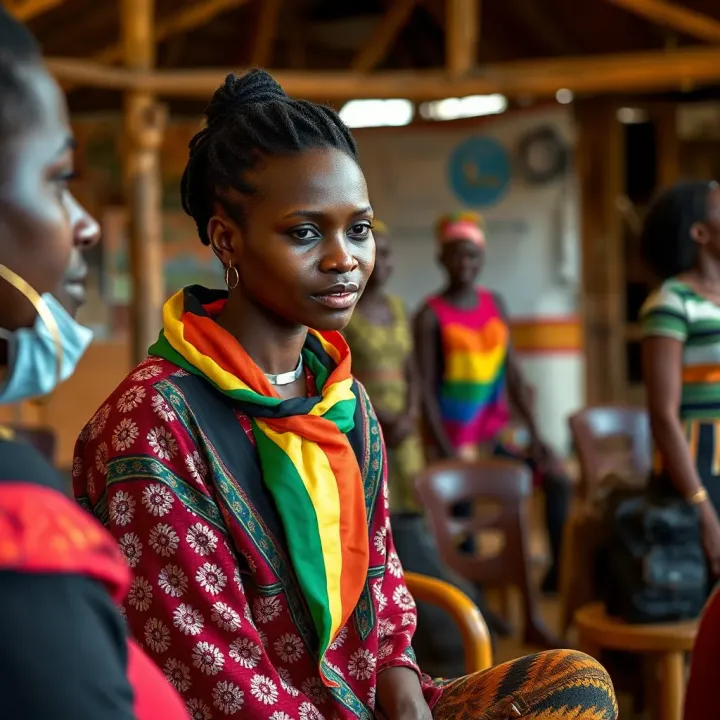
Understanding the position of a non-binary woman in the wider gender spectrum is essential. Gender is not simply about physical traits or biological sex; it involves personal identity, social roles, and internal experience. Non-binary identities illustrate how gender can be fluid, existing outside strict male-female classifications.
Recognising non-binary women means acknowledging the diversity of gender beyond traditional frameworks and supporting their right to express identity freely in all spaces, whether at work, school, or within the community.
In Kenyan workplaces and educational settings, non-binary women might encounter practical challenges such as:
Lack of appropriate gender categories on official forms and documents
Misgendering or exclusion in social interactions
Limited access to tailored health services
Supporting inclusivity involves more than tolerance—it requires adjusting systems and attitudes to respect and accommodate different gender identities. For example, introducing gender-neutral policies at schools or workplaces can create safer and more welcoming environments.
To sum up, a non-binary woman’s identity blends elements of womanhood with a non-traditional gender experience. Grasping this concept helps investors, educators, brokers, and traders appreciate the social nuances affecting their colleagues, clients, and students. It fosters empathy and encourages more inclusive practices that reflect the diversity present in Kenya today.
Understanding what it means to be a non-binary woman is essential to appreciating the nuances of gender beyond traditional male-female categories. This clear definition offers practical benefits, such as fostering inclusion in workplaces and communities and informing policies that respect gender diversity. For instance, recognising a non-binary woman’s identity can impact how schools handle student records or how workplaces design inclusive restroom facilities.
Non-binary identity refers to a gender experience that does not fit neatly into the male or female categories. People who identify as non-binary may feel their gender is somewhere between, beyond, or outside the traditional binaries. For example, a non-binary woman might identify strongly with some aspects of womanhood while also recognising elements of their gender that don’t align entirely with female stereotypes. This identity often challenges rigid gender expectations, opening space for more fluid self-expression.
A non-binary woman is distinct because she combines elements of both "woman" and non-binary experiences. Unlike a cisgender woman, whose gender identity matches their sex assigned at birth, or a transgender woman, whose gender identity fully aligns with womanhood but differs from their birth sex, a non-binary woman may not fully conform to the conventional definitions of womanhood. She may reject strict gender norms while still embracing femininity to varying degrees. This difference is crucial in understanding her unique social and personal experiences.
Gender expression refers to how someone chooses to show their gender identity through clothing, behaviour, and style. For non-binary women, this can range widely—from traditionally feminine dress to more androgynous or blended styles. Pronouns also play an important role. While some non-binary women prefer she/her pronouns, others might use they/them or a mix depending on personal preference. Respecting these choices is a straightforward way to acknowledge and support a non-binary woman’s identity.
Recognising the diversity within non-binary women helps dismantle stereotypes and promotes respect. Small acts, such as using correct pronouns or embracing flexible dress codes, can make a significant difference.
Overall, defining what it means to be a non-binary woman provides a foundation for better social understanding and practical support in Kenyan workplaces, schools, and communities. It clarifies identity while addressing how society can adapt to honour gender diversity authentically.
The social and cultural context shapes how non-binary women live, interact, and find acceptance in Kenyan society. Understanding this background is key to grasping the obstacles they face and the ways communities can support them better. Kenyan traditions and norms around gender roles run deep, and stepping outside these boundaries often takes courage and creates unique challenges.
In Kenya, gender roles have long been clearly defined. Men are often expected to be providers and leaders, while women are traditionally seen as caregivers and homemakers. These expectations leave little room for identities that do not fit neatly into male or female categories. For instance, in many rural areas, community elders or family members may not recognise or accept non-binary identities because these roles are tied to longstanding cultural beliefs.
The influence of religion also plays a part, with many Christian, Muslim, and indigenous beliefs emphasising binary gender distinctions. This environment means non-binary women often have to negotiate between their identity and deeply rooted cultural expectations. Despite urban areas like Nairobi showing increasing diversity and awareness, the pressure to conform remains strong.
Non-binary women face several challenges, from social rejection to legal invisibility. Some experience discrimination in workplaces, schools, or healthcare settings where forms and procedures only recognise male or female genders. For example, an non-binary woman applying for a job might be forced to choose a gender marker that doesn't represent her, leading to identity conflicts or unfair treatment.
Family acceptance is another significant hurdle. Many non-binary individuals report feeling misunderstood or isolated, which can hurt mental wellbeing. Stigma also increases vulnerability to harassment or violence, especially in settings that discourage open conversations about gender diversity.
Support networks remain limited outside major cities, making access to safe spaces and resources difficult for many.
Globally, awareness of non-binary identities is growing, with some countries incorporating these recognitions legally and socially. For example, nations like Canada and Germany have introduced official 'X' gender markers on documents, while some corporations promote inclusive policies acknowledging non-binary employees.
In comparison, Kenya’s journey is slower but evolving. Internationally, non-binary advocacy benefits from stronger legal protections and broader social visibility. However, Kenyan non-binary women often rely on local organisations and digital platforms to find community and support.
That said, shared experiences exist across borders, such as the struggle for respect, pronoun recognition, and basic human dignity. Learning from global efforts can guide local advocacy and policy reforms to foster more inclusive Kenyan spaces.
This section highlights that the identity of a non-binary woman cannot be separated from the cultural and social environment she navigates. Understanding this context is vital for meaningful inclusion and support within Kenyan society.
Personal experiences shape how non-binary women understand and live their identity, especially in a Kenyan context where gender expectations remain strongly binary. Accepting oneself as a non-binary woman often involves deep reflection and confronting societal norms that may feel limiting or outright hostile.
The path to recognising oneself as a non-binary woman can be gradual. Many begin by questioning the traditional categories of male and female and sense that their personal identity doesn’t fit neatly. For example, a young woman in Nairobi might feel discomfort with labels usually assigned to women, like being called only "she" or expected to behave a certain way. Gradually exploring terms and learning from online groups or local organisations that support gender diversity can help clarify this identity.
Acceptance often comes with challenges, including internalised doubts or pressure from family and community. A practical way to navigate this is through journaling or sharing experiences with trusted friends. This process validates feelings and supports mental health through self-affirmation.
Relationships pose particular challenges and opportunities for non-binary women. In families and social circles where gender roles are strongly defined, being open about one’s identity may lead to misunderstandings or even exclusion. For instance, an individual might face resistance when requesting correct pronoun use or explaining their gender expression.
Developing supportive networks is vital. Joining community groups—be it local LGBTQ+ spaces in Nairobi or online forums—provides connection and affirmation. Also, educating close friends and relatives gently and patiently can go a long way in building acceptance. This effort often requires ongoing negotiation and clear communication about boundaries and support needs.
Non-binary women frequently face unique mental health pressures due to stigma, discrimination, and identity misunderstanding. Anxiety and depression may arise from both external challenges and internal conflicts.
Accessing mental health support is key. Counselling services sensitive to gender diversity, such as those offered by certain Nairobi-based NGOs, can provide safe spaces. Routine self-care practices like mindfulness or engaging with creative outlets also strengthen resilience.
Supporting non-binary identities isn't just about acceptance but understanding the lived realities that deeply affect mental wellbeing and social participation.
In sum, recognising and navigating one’s identity as a non-binary woman involves personal insight, managing relationships with care, and prioritising mental health. These elements create a foundation for living authentically amid societal pressures while fostering environments that respect and affirm diverse gender experiences.
Recognition, respect, and support for non-binary women are vital elements that influence their wellbeing and social participation. Without these, non-binary women often face isolation, discrimination, and emotional distress. In Kenyan society, where gender norms are traditionally binary, promoting these values encourages acceptance and helps build a more inclusive environment.
Respecting non-binary identities begins with using correct names and pronouns consistently. For example, if a non-binary woman prefers "she/her" or gender-neutral pronouns like "they/them," it's important to honour those choices without question. Listening carefully and avoiding assumptions about someone’s gender expression can prevent misunderstandings.
Other practical actions include avoiding questions that invade privacy, such as asking about anatomy or medical history, unless the person volunteers that information. It also means acknowledging the validity of non-binary identities in conversations and documentation, like allowing gender options beyond male and female in forms or surveys.
Kenya currently lacks explicit legal recognition for non-binary genders, with most laws and identity documents recognising only male and female categories. This absence creates challenges for non-binary women seeking official documentation or protection against discrimination.
Advocacy efforts by local NGOs and human rights groups aim to influence policymakers at institutions like the Kenya National Bureau of Statistics (KNBS) and the Ministry of Interior. Their goals include expanding gender categories in national IDs and amending anti-discrimination laws to cover gender diversity.
Until these changes happen, some non-binary Kenyans find alternative routes such as using neutral or preferred names when possible and seeking community support to navigate official processes. Employers and organisations can step up by updating policies and forms to be more inclusive even before legal reforms take place.
Inclusive spaces are crucial for the dignity and productivity of non-binary women. Workplaces can foster this by instituting clear anti-discrimination policies that explicitly mention gender identity. Sensitivity training sessions can help staff understand issues non-binary people face, reducing stigma and harassment.
In community settings, inclusivity can take simple forms such as providing gender-neutral toilets or creating support groups where non-binary women feel safe to share experiences. Schools and universities should also promote understanding through gender education that respects diverse identities.
Celebrating diversity in gender identities strengthens social cohesion and supports mental health. When non-binary women feel seen and respected, they can contribute fully to society without the burden of hiding their true selves.
Building respect and support doesn't just benefit individuals; it nurtures a society that values fairness and equality. Practical steps by institutions, employers, and communities make a tangible difference. Recognising and supporting non-binary women is not just about gender rights — it’s about upholding the dignity of every person.
Support networks and resources offer vital lifelines for non-binary women, especially in a Kenyan context where public awareness and acceptance of gender diversity might still be limited. These resources provide crucial information, safe spaces for expression, and emotional backing, helping individuals navigate societal challenges and improve their wellbeing.
Several groups in Kenya work to raise awareness and support gender-diverse individuals, including non-binary women. For example, organisations like the Gay and Lesbian Coalition of Kenya (GALCK) focus on LGBTQ+ advocacy, offering legal aid and community support. Another key player is the Nairobi-based Ishtar MSM, which, while focusing mainly on men who have sex with men, also engages broader gender minority issues, promoting inclusivity in health and human rights.
These local organisations often run workshops, helplines, and peer support groups. They provide safe meeting points where non-binary women can share experiences without fear of stigma or discrimination. Such spaces also help build resilience and solidarity.
Online platforms bring together non-binary women across Kenya and beyond, enabling connection despite geographical or social barriers. Social media groups and forums dedicated to gender diversity, like non-binary Facebook communities or Reddit forums, offer discreet spaces for sharing advice, challenges, and victories.
International organisations like ILGA World and Human Rights Watch offer resources tailored to gender-diverse individuals and run campaigns that influence local policies indirectly. Their reports and toolkits can inform Kenyan activists and individuals on best practices and rights advocacy.
Mental health support is key for non-binary women facing social exclusion, discrimination, or identity struggles. Access to professional counselling that understands gender identity issues is unfortunately limited in many parts of Kenya. However, some Nairobi clinics and NGOs provide specialised mental health services that respect and affirm non-binary identities.
For instance, the Kenya Psychological Association has begun training counsellors in gender-affirming therapy models. Online counselling services have also become more common, offering access even for those outside major urban centres.
Finding the right support – whether a local group, an online community, or a trained counsellor – can profoundly impact the wellbeing and confidence of a non-binary woman navigating complex social environments.
By tapping into these resources and support networks, non-binary women in Kenya can find practical help, solidarity, and empowerment to live authentically and with dignity.
Explore binary trade in Kenya 📈: Understand the basics, discover practical strategies, assess risks, and navigate regulatory rules for smarter trading decisions.

Explore how cashier binary works in Kenya 🇰🇪, its role in secure financial transactions, benefits, tech involved, and the challenges it faces today 💳🔒

🤖 Explore how binary trading bots operate in Kenya's markets, their benefits, risks, and tips for responsible use to make smarter trading decisions.

Explore binary gender's history, cultural impact, and debates🌍. Understand how binary and non-binary identities shape society and personal experiences in Kenya.
Based on 9 reviews