

Financial Risk Management Explained
📊 Learn financial risk management essentials in Kenya—identify, assess, and control risks using practical tools and best practices for business security.
Edited By
Charlotte Bennett
Risk management is about spotting and dealing with possible problems before they disrupt business or projects. For traders, investors, financial analysts, brokers, and educators in Kenya, it’s essential to understand this process clearly to protect assets and make smarter decisions.
At its core, risk management starts by identifying the threats that could affect your business or investments. This could be anything from currency fluctuations, political changes, supply chain interruptions, to local market competition. For instance, a vegetable supplier in Kisumu may face risks like irregular weather patterns affecting harvests, or sudden increases in fuel prices raising transport costs.
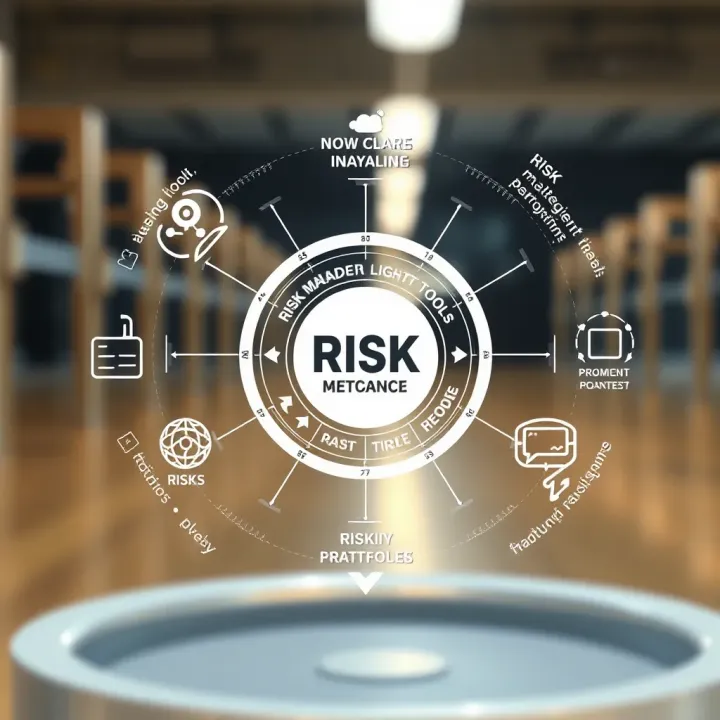
Once risks are identified, analysing their likelihood and potential impact follows. This step helps prioritise which risks need urgent attention. Say a stockbroker notices a possible government policy shift concerning capital gains tax. Assessing how likely the change is and its effect on client portfolios guides how to respond.
Next comes handling risks. Mitigation strategies may include spreading investments across sectors, hedging with derivatives, or buying insurance. In Kenya’s context, using mobile-based platforms like M-Pesa for secure payments can reduce fraud risk, while contracts with suppliers can avoid delivery problems.
Finally, monitoring throughout the project or investment lifecycle is vital. Risks evolve, so staying alert to new developments and adjusting plans accordingly keeps the organisation resilient. Having a contingency fund for unexpected expenses or delays is a practical example many SMEs adopt.
Effective risk management is not just about avoiding losses but about enabling better decision-making and building confidence in handling uncertainties.
Identifying potential risks clearly
Analysing their likelihood and impact
Developing strategies to handle the risks
Ongoing monitoring and review
Understanding these stages helps Kenyan businesses and professionals stay on top of challenges and safeguard their goals. It’s not a one-off task but a continuous cycle that improves over time with experience and local insight.
Identifying risks is the first step towards protecting your organisation from unexpected setbacks. It means spotting potential threats before they cause harm, so you can plan and act wisely. For businesses in Kenya, understanding what risks lie ahead helps avoid costly mistakes and ensures smooth operations amidst shifting economic, social, or political conditions.
At its core, a risk is any uncertainty that could affect your business objectives negatively. This could be anything from losing a key client, facing supply disruptions, financial fluctuations, to regulatory changes. Simply put, risks are events or conditions that threaten your plans or goals if they happen.
In practical terms, not all risks are created equal; some may cause minimal disruption while others can cripple operations entirely. That’s why recognising risks early and knowing their nature matters. For example, a small retail shop in Nairobi might face risks like theft, while a tour operator in the Maasai Mara could worry about seasonal weather affecting bookings.
Kenyan businesses frequently encounter risks linked to infrastructure challenges like unreliable electricity or poor roads, affecting delivery timelines. Political developments and policy shifts often create uncertainty, especially around tax rules or import-export regulations.
Additionally, currency fluctuations impacting the Kenyan shilling, especially against the US dollar or euro, can hit import-reliant firms hard. Health risks such as outbreaks (like cholera or Covid-19) affect both workforce availability and consumer demand. These examples show why a practical understanding of risks tied to local realities is key.
Risk assessment workshops and brainstorming bring together people from various parts of your organisation to discuss potential threats openly. This interactive approach gathers diverse views, uncovering risks that might otherwise go unnoticed. In a Kenyan company, involving sales, operations, and finance teams ensures a broader risk picture. Such workshops help generate actionable ideas to prepare for challenges.
Using historical data and experience involves reviewing past incidents, financial records, or market trends to pinpoint recurring risks. For instance, a Nairobi-based logistics firm might analyse delays during long rains over the last five years to avoid similar pitfalls. This method grounds risk spotting on actual evidence rather than guesswork.
Leveraging local context and industry specifics means keeping an eye on factors unique to Kenyan markets or your sector. A tea exporter in Kericho, for example, pays close attention to weather patterns and export tariffs in major markets. Understanding regional politics, local supply chains, or customer behaviour gives your risk identification process a sharper edge.
Getting the right risks on your radar early means you’re not caught unprepared. Local knowledge combined with diverse input and solid data forms the backbone of effective risk identification.
In summary, identifying risks that could affect your organisation is not just a check-box exercise but a continuous, practical effort to protect your business goals. Using a blend of workshops, experience, and local insight ensures a realistic view that guides better decisions.

Analysing risks means understanding both how bad their consequences might be and the chances they will actually happen. This step helps decision-makers in businesses, investment, and education sectors weigh their options properly. Without knowing the probable impact and likelihood, organisations might prepare too little for big risks or waste resources on unlikely problems.
When evaluating risks, there are two main approaches. Qualitative analysis looks at risks in descriptive terms, such as ‘high’, ‘medium’, or ‘low’ impact, often relying on expert judgement, experience, or stakeholder input. For example, a Nairobi-based trader might assess political instability impacts based on past election periods without crunching exact numbers. This approach works well when data is scarce or the risks are complex to measure.
On the other hand, quantitative analysis uses numerical data to estimate impact and probability. This could include statistical models, financial loss estimates, or probability distributions. For instance, an investor on the Nairobi Securities Exchange (NSE) could use historical price volatility to quantify risk. While quantitative analysis offers precision, it requires reliable data which may not always be available.
Practical tools help businesses estimate these two aspects better. Risk matrices, for example, create a grid where one axis represents the likelihood of a risk occurring and the other indicates its potential impact. Using this, a forex trader might plot currency fluctuation risks to decide which ones need urgent attention.
Other tools include decision trees or Monte Carlo simulations, mainly in bigger organisations or financial sectors where large data volumes allow sophisticated analysis. Local SMEs in Kenya might rely more on simpler checklists or scorecards tailored to their environment, such as supply chain disruptions due to common flooding in some regions.
Risk matrices are widely used because they simplify complex decisions. Placing risks on a matrix helps highlight which threats are both likely and severe, guiding where to focus limited resources. For example, a manufacturer in Mombasa might prioritise power outages over low-probability equipment failure since outages have high impact and are quite frequent.
Ranking systems take this a step further by scoring each risk and sorting them from most to least critical. This systematic approach helps teams stay focused during strategy sessions and align on priorities clearly.
Once risks are ranked, attention must focus on those with the highest chance of serious damage. Addressing lesser threats first wastes time and money. For Kenyan investors, this might mean dealing first with risks posed by regulatory changes, which can immediately affect portfolios, instead of worrying about rare natural disasters.
Prioritisation ensures that risk management efforts translate into practical resilience, preventing organisations from being caught off-guard by the problems that matter most.
In summary, analysing risks by measuring their likelihood and impact, using a mix of qualitative and quantitative tools, then prioritising based on those results, equips organisations in Kenya to make sound, efficient decisions that protect their interests in a changing environment.
Developing clear strategies to manage risks is a vital part of successful risk management. Once risks are identified and assessed, you need practical ways to handle them to reduce their impact on your organisation. Without effective strategies, even well-mapped risks can turn into costly surprises. The approach you choose can affect everything from daily operations to long-term sustainability, especially in dynamic Kenyan business environments.
There are four main ways to handle risks: avoidance, reduction, sharing, and acceptance. Avoidance means steering clear of activities that cause risk, like a company dropping a risky investment. Reduction involves taking steps to lower the chance or impact of a risk, such as installing security systems to prevent theft. Sharing transfers the risk to others, for instance through insurance or partnerships. Acceptance happens when the organisation decides to bear the risk because the potential impact is small or the cost of handling it is too high.
In Kenya, many businesses use these options based on their capacities and the environment. For example, a small farm might avoid planting a crop prone to disease in certain seasons (avoidance). A retailer in Nairobi might install CCTV and hire a security guard to reduce theft (reduction). A transport company might insure its fleet against accidents (sharing). Meanwhile, a local artisan may accept the risk of occasional late payments from customers if the transaction size is small and worth the risk.
Preventive measures help stop risks before they happen by setting up barriers or controls. Examples include regular maintenance of machinery to avoid breakdowns or staff training to reduce errors. In Kenyan firms, installing fire extinguishers or having hygienic storage in food businesses are common preventive practices. These controls save costs by avoiding disruptions and protect the firm’s reputation.
Beyond prevention, having contingency plans is critical. These are backup plans ready to activate when things go wrong. For instance, a logistics company in Mombasa may have alternative routes planned to cope with road blockages during protests or floods. A school might have plans to switch to online lessons if a disease outbreak closes classrooms. Contingency plans keep operations running smoothly and reduce panic during emergencies, helping organisations bounce back faster.
Managing risks isn’t just about avoiding problems but preparing smart responses to keep your business steady despite uncertainties.
By carefully choosing how to address each risk and setting up solid controls, you build resilience. Kenyan traders, investors, and analysts who understand and apply these strategies can protect their ventures better against both everyday hiccups and larger shocks.
Carrying out your risk management plan well is essential for minimising threats and protecting your organisation’s activities. Without clear implementation, even the best-laid strategies can falter. This stage makes sure the risk controls move from paper into practice, keeping your business or project on track despite challenges. For Kenyan businesses, where unpredictability such as market shocks or regulatory changes is frequent, effective plan execution can be the difference between smooth operations and costly disruptions.
Building a risk management team involves selecting individuals who bring diverse skills and knowledge relevant to your organisation’s risks. This team should include people from different departments — finance, operations, legal, and even sales — to ensure all angles of risk are covered. In a Nairobi-based SME, this might mean the finance officer handles financial risks while operations staff monitor supply chain threats. Having clear roles prevents overlap and confusion, making it easier to act swiftly when issues arise.
Clear communication channels are vital for making sure everyone involved in risk management stays informed and coordinated. Whether through regular meetings, emails, or a dedicated messaging group, constant dialogue helps the team share updates and flag new risks quickly. For example, a bank in Mombasa may use WhatsApp to instantly relay concerns from frontline tellers to the risk manager, ensuring timely responses. Well-defined communication also means top management understands risk status without sifting through complicated reports.
Timelines and tracking progress provide structure to the implementation process. Setting deadlines for risk control steps helps maintain momentum and avoids delays that can worsen threats. Tools like dashboards or simple progress sheets can track completed actions, pending tasks, and responsible persons. A trader on the NSE might schedule weekly reviews of market risks with their team, marking progress and adjusting plans based on outcomes. This keeps everyone accountable and prevents small issues from growing unnoticed.
Adapting to changing conditions ensures your risk management plan remains relevant as new challenges arise. Kenya’s business environment often shifts due to political developments, weather, or global economic factors. Your team should frequently revisit controls and adjust measures accordingly. For instance, during the rainy season, a logistics firm in Eldoret may add extra contingencies for road delays. Being flexible allows organisations to respond to emerging threats rather than sticking rigidly to outdated plans.
Effective implementation is about more than just ticking boxes; it requires active participation, clear communication, and ongoing adjustment to safeguard your organisation against risks.
By focusing on these practical steps, Kenyan traders, investors, and analysts can build resilience and reduce exposure to losses in their ventures.
Continual monitoring and reviewing form the backbone of effective risk management. Without regular checks, even the best strategies can become outdated or ineffective as business environments evolve. In Kenya's fast-changing markets, from Nairobi's bustling commercial centres to rural agricultural hubs, staying alert to risk dynamics allows organisations to keep pace and avoid surprises.
Assessing the effectiveness of current strategies means taking a clear, honest look at how well your risk controls and mitigation steps are working. For example, a Nairobi-based agribusiness might find that drought contingency plans need revising after a bad long rains season exposed weaknesses. Regular reviews help determine if the risk management plan still matches the reality on the ground and meets the organisation’s goals.
In practical terms, this involves scheduled audits, risk meetings, and performance tracking. Tools such as risk dashboards or incident logs can signal whether risks are rising or falling, prompting necessary adjustments. This approach is key for investors who need assurance that risks are under control before approving funding.
Including lessons learned and feedback turns experience into future strength. When a risk event occurs, capturing what went well and what failed allows firms to improve. Feedback might come from staff on the ground, clients, or even regulatory bodies. For example, a financial analyst in a stockbroking company might notice that a new market regulation caught the firm unprepared and suggest policy tweaks.
By documenting these lessons and incorporating them back into the risk management framework, organisations avoid repeating the same mistakes. This continuous feedback loop sharpens vigilance and builds confidence among stakeholders.
Building resilience over time means embedding risk awareness and adaptability into daily operations. For traders and brokers, this might mean regularly updating market risk models to include new economic indicators or geopolitical events affecting East African markets. Strong resilience reduces downtime and losses, as staff and systems can respond swiftly to disruptions.
It’s not a set-and-forget process but one that requires culture change and commitment. Training sessions, scenario drills, and open communication channels all help staff stay ready for unexpected challenges.
Responding to emerging threats means staying alert to shifts that might introduce new risks. For instance, new cyber threats targeting Kenyan SMEs or sudden regulatory changes in the insurance sector demand rapid responses. Here, proactive scanning of news, industry reports, and competitor moves proves invaluable.
Organisations that spot such changes early can prepare contingency plans or invest in risk transfer options like insurance to soften impact. In this way, risk management remains a living practice that grows stronger with each challenge.
Keeping an eye on risks even after initial plans are in place ensures you are never caught off guard and can protect your investments and operations effectively.
By committing to this cycle of monitoring, reviewing, and improving, traders, investors, and financial professionals in Kenya position themselves for long-term success amid uncertainty.
📊 Learn financial risk management essentials in Kenya—identify, assess, and control risks using practical tools and best practices for business security.

Explore how Enterprise Risk Management frameworks help Kenyan businesses identify, assess, and manage risks 📊 for smarter decisions and stronger protection.

Explore practical risk management strategies 🛡️ for Kenyan businesses. Learn to identify, assess, and control risks with key tools and frameworks.

📊 Learn how Kenyan businesses can master risk management by identifying, assessing, and minimizing threats to protect their operations and thrive in uncertain times.
Based on 6 reviews