

Smart Strategies for Binary Options Trading Success
📊 Master smart strategies for binary options trading in Kenya. Learn to spot market trends, pick the right assets, manage risk, and avoid common pitfalls for better returns.
Edited By
Clara Hughes
TradingView has become a go-to charting platform for traders worldwide, including those in Kenya, especially for binary options trading. Its intuitive visual tools and diverse technical indicators offer traders a straightforward way to analyse market movements and make informed trades.
Binary options trading relies heavily on timing and price direction predictions. TradingView provides clear, real-time charts that help traders spot trends and potential entry or exit points with a better grasp of market rhythms. For Kenyan traders, who often juggle busy schedules with market watching, this platform offers valuable flexibility and precision.
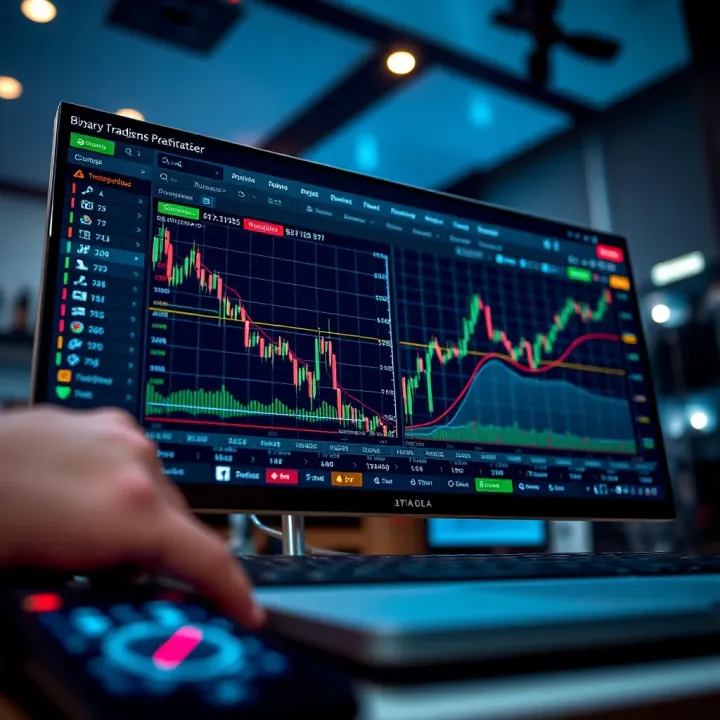
Setting up TradingView for binary options does not require fancy skills but knowing the right steps ensures you use it effectively. For instance, you can customise indicators like RSI (Relative Strength Index) or Moving Averages to spot overbought or oversold conditions on assets traded in binary options, such as forex pairs or indices.
Tip: Always align your TradingView charts with the timeframe relevant to your binary options expiry—whether 1 minute, 5 minutes, or longer—to avoid mismatched signals.
The benefits include:
Access to detailed candlestick charts that reflect market pressure accurately
Ability to save chart layouts and set alerts based on price movements
Integration with multiple asset classes important for Kenya’s trading scene, such as forex, commodities, and indices
With TradingView, even beginner binary traders can develop a structured approach to trading rather than guessing price moves. Next, we will explore practical steps on how to connect TradingView to binary options platforms and optimally configure it for consistent trading performance.
This guide will also touch on common hurdles Kenyan traders face, including internet reliability and platform compatibility, providing actionable solutions to keep your trading smooth and informed.
Understanding how TradingView enhances your binary options strategy is a key skill for any trader aiming to improve their success rate in Kenyan financial markets.
TradingView stands out as a top choice for binary options traders because it offers a blend of powerful features and user-friendly design. When you're dealing with short-term trades where timing and precision matter, having a reliable charting tool that shows clear price movements and instant updates can make a real difference. Kenyan traders, for example, often rely on fast, accessible platforms due to varying internet speeds; TradingView’s efficient system caters well to such needs.
One of TradingView's key strengths is how it presents price movements crisply and understandably. Charts are detailed yet not cluttered, giving traders the ability to spot trends, reversals, and breakout points quickly. Imagine watching Nairobi Securities Exchange (NSE) stocks during market hours—sharp price swings become easy to track, helping you decide when to enter or exit a binary option trade with confidence.
Additionally, the zoom and scroll functions let you focus on specific timeframes relevant to binary options, such as 1-minute or 5-minute charts. This adaptability is crucial for binary trading since trades often last just minutes or even seconds.
TradingView provides a wide range of technical indicators like Moving Averages, Bollinger Bands, RSI (Relative Strength Index), and MACD (Moving Average Convergence Divergence) that have proven useful to many Kenyan traders. These indicators help filter out market noise and signal potential entry or exit points.
For instance, a trader working with currency pairs like USD/KES might combine RSI and Moving Averages to detect overbought or oversold conditions and align their binary options accordingly. This kind of technical analysis, accessible straight on TradingView, can sharpen trading accuracy without the need for multiple tools.
With TradingView, you get real-time market data essential for time-sensitive binary options. Delays of just a few seconds can turn a winning trade into a loss. The platform also offers alert functions that notify you via app pop-ups, emails, or SMS when price crosses certain thresholds or when indicators change — allowing you to react instantly.
In the Kenyan context, where traders might be balancing their time between market watching and other activities like running a duka, these alerts serve as a handy way to keep track without constantly staring at the screen.
TradingView has a clean, uncluttered interface that many find easy to navigate, even if they are new to charting software. Compared to some older systems with complex menus or jargon-heavy options, TradingView offers a straightforward layout.
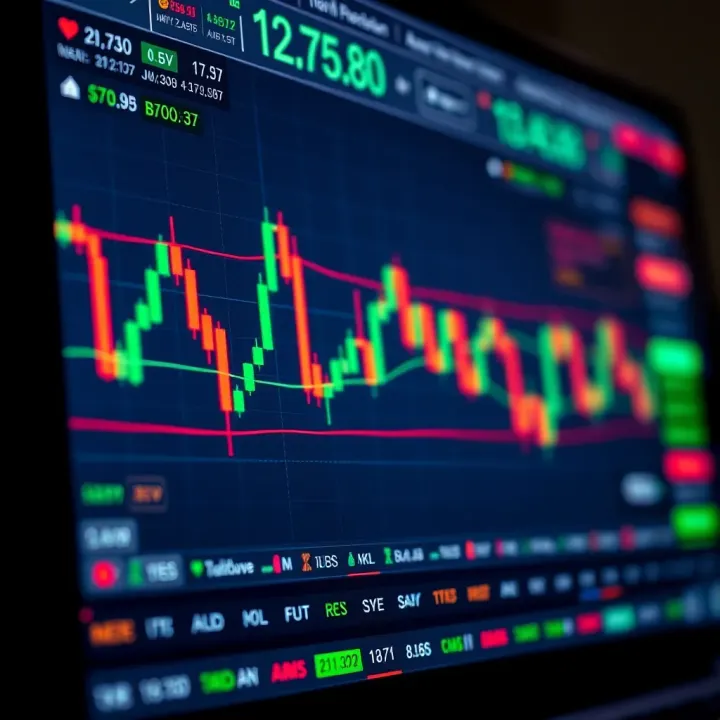
This ease of use means less time promised to figuring out the platform and more time focused on analysing charts and making trades. For example, Kenyan retail traders can rapidly switch between currency pairs or stocks listed on the NSE without getting lost in settings.
Unlike many browser-based charting tools, TradingView lets you personalise almost every aspect of your trading charts. You can save your preferred chart types, colours, and indicators combos as templates. This is handy for binary options strategies that depend on specific indicator setups.
You might want a blue candlestick colour for bullish periods and red for bearish to quickly visualise market direction, or set alerts that reflect your unique trading style. This flexibility is far better than generic tools that force a one-size-fits-all approach.
TradingView supports APIs and embeddable widgets, letting brokers or platform developers integrate charts directly into their binary options apps or websites. This eases data flow for real-time trading and allows seamless user experience.
For Kenyan trading platforms aiming to include TradingView charts, this level of integration means traders get professional-grade tools without leaving the platform. This contrasts sharply with basic tools that require switching between sites, risking delayed information or missed trades.
TradingView's blend of straightforward design, powerful customisation, and smooth integration makes it a strong contender for anyone serious about binary options trading. It not only simplifies the analysis but also supports swift action — a must-have in fast-moving markets.
Integrating TradingView into your binary trading platform is a key move for traders seeking sharp, reliable charts and flexible technical tools. This step ensures that your platform displays real-time data clearly and connects with trading signals effectively, which can improve your decision-making accuracy. In Kenya, where fast, clear info is everything, setting up TradingView correctly cuts through noisy market data to give you an edge.
Understanding available widgets for chart embedding
TradingView offers several chart widgets you can embed on your website or app, each designed for different needs. For example, the "Mini Chart Widget" is compact, showing rapid price movements – useful if space is tight. On the other hand, the "Advanced Chart Widget" supports many indicators and drawing tools, great for traders who want to analyse potential entry and exit points with more detail. Choosing the right widget affects how well your users get price data at a glance or dive deeper into chart patterns.
Selecting API plans suitable for binary trading needs
TradingView’s API comes in tiers, with varying access to data feeds, update frequency, and historical chart data. For binary options, which require quick trade decisions within minutes or seconds, you’ll want a WebSocket API plan offering real-time streaming rather than delayed snapshots. This reduces the risk of data lag affecting your trades. Also, consider your expected user volume—start with a flexible, lower-tier API to test responsiveness before scaling up once your platform attracts more Kenyan traders.
Embedding charts with HTML and JavaScript
Once you've chosen your widget or API, embedding involves inserting the TradingView code snippet into your platform’s frontend. This uses straightforward HTML and JavaScript, making it possible even for small teams to implement without heavy development. For example, a Kenyan fintech startup can quickly deploy real-time price charts for forex or commodities linked to binary options within days.
Customising chart features for binary options
TradingView allows you to tailor which tools and indicators show on the chart, matching the fast-paced nature of binary options. You might enable candlestick patterns and volume indicators but disable complex overlays that slow loading or confuse users. Setting default timeframes like 1-minute or 5-minute charts helps binary traders focus on short-term price moves critical for their trades.
Ensuring mobile responsiveness
Mobile trading is huge in Kenya, with many relying on smartphones and using M-Pesa for payments. Your TradingView charts must scale well on small screens without losing functionality. Using responsive design practices means your embedded charts adjust layout and controls automatically for different screen sizes, keeping charts clear whether viewed on a Huawei Y7 or an iPhone.
Using TradingView alerts for entry/exit points
Alerts are vital for triggering trades at the right moments. TradingView’s alert system can notify your platform or the trader instantly when specific conditions are met—like a moving average crossover or RSI hitting an extreme value. Integrating these alerts allows automatic or manual binary options trades that match market signals, improving timing and outcomes.
Linking charts with binary trading algorithms
Beyond manual alerts, some platforms connect TradingView data directly to trading algorithms. These algorithms analyse chart data in real time and execute trades based on preset strategies. For example, a bot might watch for breakout patterns on the TradingView chart and open binary options positions immediately after confirmation. This linkage requires reliable APIs and careful testing to prevent errors.
Maintaining data accuracy and timeliness
In binary options, even a few seconds’ delay can mean losses. Ensuring the data from TradingView updates smoothly and accurately demands optimised server connections, stable internet, and compliance with TradingView’s usage policies. Regularly monitoring data feeds helps avoid stale information and keeps Kenyan traders confident about their charts.
Embedding TradingView isn't just about adding charts; it's about creating a reliable bridge between live market data and the actionable signals that guide smart binary options decisions.
When integrating TradingView for binary options, addressing technical factors can make or break your trading efficiency. These considerations determine how smooth, reliable, and timely your chart data and signals will be, directly influencing trading outcomes. Common challenges like delays, API restrictions, and device compatibility need smart solutions to ensure your trading platform performs consistently under Kenyan network and user conditions.
Network speeds greatly affect how quickly TradingView charts update. If your internet connection is slow or unstable—common in some parts of Kenya—price movements may appear late, causing you to miss critical entry or exit points. For binary options, even a few seconds' delay can mean the difference between profit and loss, especially on short expiry trades.
Optimising server response times also plays a role. Your platform’s servers should efficiently handle data requests from TradingView’s API to avoid bottlenecks. This means selecting reliable hosting services in Nairobi or nearby regions to reduce data travel distance and setting up caching strategies to speed up repeated data calls. Faster server responses ensure live prices and technical indicators reflect market behaviour in real time.
Understanding TradingView's pricing tiers is key to managing costs. TradingView offers different API plans depending on charting features and data frequency. For example, a basic plan might limit you to fewer chart updates per minute, which won’t cut it for active binary traders needing rapid signals. Knowing these limits helps you pick the best plan for your trading volume and budget.
Planning for scalable usage means preparing for growth. If your trading platform attracts many users simultaneously, API calls will increase, pushing you closer to limits or higher costs. It's smart to negotiate custom API packages with TradingView or implement backend optimisations that reduce unnecessary calls. This way, your service remains affordable and reliable as your binary trading clientele expands.
Testing on Android and iOS mobiles is essential because most Kenyan traders rely on smartphones for their trading activities. TradingView’s charts must display properly on various screen sizes without breaking functionality. For instance, a chart widget that looks great on a desktop might appear cramped on a small mobile screen if not tested properly.
Using responsive design practices helps address these challenges. Responsive charts adjust layout, font sizes, and interactive elements based on device type. This guarantees a consistent user experience whether traders are using a Samsung Galaxy in Mombasa or an iPhone in Nairobi. Responsive designs also improve load times and reduce data consumption, important for users relying on mobile data bundles.
Tackling technical considerations like latency, API limits, and device compatibility upfront helps Kenyan traders get the most out of TradingView for binary options, ensuring fast, accurate data and a smooth trading experience across all platforms.
Using TradingView effectively means more than just glancing at charts. To maximise your success in binary options trading, adopting best practices helps you interpret signals sharply and act promptly. These practices involve setting up the right indicators, managing alerts smartly, and keeping a clear record of your trades. Kenyan traders who take these steps seriously usually find themselves better prepared for the fast-moving decisions binary options require.
For short-term binary options, certain technical indicators prove particularly useful. Moving averages, especially the 5-period and 10-period, help track immediate price trends without overwhelming the chart. RSI (Relative Strength Index) is widely used to spot overbought or oversold conditions, vital when deciding on quick expiry trades. Bollinger Bands can also give traders a feel for volatility, guiding entry when prices approach upper or lower bands. Combining these indicators carefully can give clearer buy or sell signals when seconds count.
While it’s tempting to stack many indicators on a chart, this often clouds judgment rather than sharpens it. Too many signals can lead to confusion, triggering ‘analysis paralysis’ where no decision feels right. Stick to two or three indicators that complement each other. For example, pairing RSI with a moving average crossover is enough to confirm momentum without cluttering the screen. Simplicity allows you to react faster—essential in binary options where timing can make or break a trade.
TradingView allows custom alerts based on specific price levels or technical events. For binary options, you can set alerts for key moments like a moving average crossover or RSI crossing a certain threshold. This means you don’t have to stare at your screen all day; the system notifies you precisely when an opportunity aligns with your strategy. For instance, an alert when RSI falls below 30 could signal a potential upward reversal, useful for planning 'call' trades.
Receiving too many alerts can be a nuisance and distract from critical trades. That's why managing the alert frequency is important. Use filters to ignore minor fluctuations or only get alerts during your preferred trading hours. Proper alert management helps maintain focus, preventing burnout and costly errors caused by reacting to every little price wiggle.
Keeping a trading journal is more than just tracking wins and losses. When using TradingView, you can note the exact indicator signals or price levels that prompted a trade. For example, jot down that you placed a trade after observing a MACD crossover at 10:15 am. This habit builds discipline, helping you link your decisions to real-market events, which is crucial for learning and consistency.
Regularly reviewing your journal alongside TradingView charts allows you to assess which signals worked and which didn’t. Maybe you notice that RSI crossings led to more false signals during volatile hours. With this knowledge, you can refine your strategy, perhaps adding volume confirmation or avoiding trading during certain times. Continuous analysis fosters smarter decisions and better risk control.
Keeping your approach lean and disciplined by focusing on key indicators, setting sensible alerts, and maintaining a detailed journal sharpens your binary options trading with TradingView. Kenyan traders embracing these best practices improve their chances in the fast-paced market.
📊 Master smart strategies for binary options trading in Kenya. Learn to spot market trends, pick the right assets, manage risk, and avoid common pitfalls for better returns.

📊 Explore binary options trading in Kenya, learn key strategies, platform tips, legal facts, and risks to trade smarter and avoid common mistakes.

📊 Discover a clear guide for Kenyan traders on binary options: learn trading basics, spot risks, understand local rules, and trade smartly in 2024.

Explore the key differences between Forex trading and Binary Options 📊. Understand mechanics, risks, strategies, regulations, and potential returns to trade smarter in Kenya 🇰🇪.
Based on 13 reviews