

Forex Risk Management for Kenyan Traders
Learn essential forex risk management strategies tailored for Kenyan traders 📊. Master position sizing, stop losses, and trading psychology for safer trades.
Edited By
Amelia Barnes
Risk management careers are steadily gaining ground in Kenya, particularly within the finance, insurance, and telecommunications sectors. As the economy grows and companies face more complex challenges, managing risks becomes a key priority. This has pushed demand for skilled professionals capable of identifying, analysing, and mitigating risks that could hit business operations or investments.
In Kenya, typical risk management roles range from credit risk analysts working with banks and microfinance institutions to enterprise risk managers in telecom companies like Safaricom or insurance firms such as Jubilee. These jobs require a good grasp of financial regulations, data analytics, and sometimes local market conditions like currency fluctuations or political developments.

Analytical ability to spot potential threats and vulnerabilities
Familiarity with compliance standards, such as those set by the Capital Markets Authority (CMA) or Central Bank of Kenya (CBK)
Proficiency in risk assessment tools and software
Communication skills to translate complex risk reports into clear decisions
Employers often look for qualifications like a degree in finance, economics, or actuarial science, plus certifications such as the Financial Risk Manager (FRM) or Certified Risk Management Professional (CRMP). Practical exposure, for example through internships at banks or insurance companies, is highly valuable.
Risk management is not only about preventing loss—it also helps companies stay competitive by making informed decisions amid uncertainty.
Career prospects in Kenya are promising, especially as digital transformations introduce new risks and opportunities. The rise of mobile money platforms and e-commerce enlarges the scope for risk controllers who understand cyber threats and operational risks.
However, professionals should be ready to face challenges like evolving regulations and the need for continuous technological upskilling to stay relevant. The role is dynamic, often requiring quick adaptations to local economic changes and global financial trends.
For anyone keen on a career in risk management, focusing on practical skills, certifications, and industry knowledge can open doors to roles influencing critical business outcomes across Kenya’s growing sectors.
Risk management has become a key part of business operations in Kenya, especially as organisations face economic uncertainties, regulatory changes, and technological disruptions. Understanding its importance helps traders, investors, and financial professionals make informed decisions that protect assets, ensure compliance, and enhance long-term growth. For example, a bank in Nairobi might assess credit risks meticulously to avoid loan defaults affecting its portfolio.
Risk management involves identifying, analysing, and mitigating potential threats that could harm an organisation’s capital or earnings. Its relevance goes beyond finance; businesses in sectors like manufacturing or agriculture use risk management to handle supply chain interruptions, weather impacts, or price volatility. In Kenya, managing risks promotes stability in financial markets and supports investor confidence. For instance, insurance firms frequently evaluate risks from natural disasters, such as flooding or drought, common in the region.
Effective risk management is not about avoiding risk entirely but managing it so the business can thrive despite uncertainties.
Financial institutions remain the largest employers of risk professionals in Kenya, driven by the need to comply with regulations from bodies like the Central Bank of Kenya (CBK) and the Capital Markets Authority (CMA). Moreover, telecom companies such as Safaricom and Airtel hire risk managers to handle operational and cyber risks. The insurance sector also relies heavily on risk expertise to price products correctly and minimise payouts. Beyond these, emerging sectors like renewable energy and agribusiness show growing interest in risk management to safeguard investments and enhance sustainability.
Kenya’s risk management job market is expanding, with more roles requiring digital skills, including data analytics and cybersecurity knowledge. Employers now look for candidates conversant with regulatory frameworks and capable of using software tools for risk assessment. Also, risk roles are becoming more strategic, involving business continuity planning and crisis management. As local companies connect with global markets, demand for professionals who understand both international standards and local conditions rises. Lastly, many firms are opening opportunities not only in Nairobi but also in hubs like Mombasa and Kisumu, reflecting wider economic growth.
This section lays the foundation for understanding risk management opportunities in Kenya. It provides a clear picture of why the field matters, where demand exists, and how job seekers should prepare to meet evolving industry needs.
Understanding the typical roles in risk management helps you see how organisations in Kenya handle uncertainties and protect their operations. These roles translate broad risk challenges into clear responsibilities, offering concrete ways to manage threats. Knowing these job titles also guides your career planning or hiring process.
A Risk Analyst in Kenya evaluates data to spot potential threats that could harm a company or financial institution. For example, in a bank, they might analyse loan portfolios to see which clients pose the highest risk of default. Their work feeds directly into decision-making, helping firms avoid losses or comply with regulations. The role demands strong numerical skills and familiarity with Kenyan regulatory frameworks.
Risk Officers oversee the implementation of risk policies on the ground. Their task is more hands-on, often coordinating between departments to ensure risk measures are followed. In the insurance sector, you might find Risk Officers regularly checking that claims processing doesn't expose the company to fraud or unexpected liabilities. Their role is a bridge between analysis and action.
Compliance Managers ensure the organisation follows all the legal rules and industry guidelines. In Kenya's financial sector, where regulations are continually evolving, these managers track changes from bodies like the Central Bank of Kenya (CBK) and the Capital Markets Authority (CMA). Their role often involves training staff, updating policies, and liaising with regulators to avoid penalties or reputational damage.
Credit Risk Managers specialise in evaluating and managing risks related to lending and credit. Kenyan banks rely heavily on Credit Risk Managers to assess clients' creditworthiness, using historic data, credit reports, and economic trends. This role is crucial to safeguard the bank's assets and ensure sustainable lending, particularly given the fluctuating economic conditions and reliance on credit in many sectors.

Operational Risk Specialists focus on risks arising from internal processes, systems, or human errors. For instance, they might review IT systems to prevent cybersecurity breaches or assess staff training to reduce errors in transaction handling. In Kenya’s large and diverse firms, this position ensures that day-to-day operations keep running smoothly and securely.
Risk management professionals engage in a combination of data analysis, policy development, and communication. Typical duties include:
Identifying and assessing risks through reports and audits
Developing risk mitigation strategies that align with company goals
Monitoring compliance with local laws and international standards
Reporting findings to senior management to inform decision-making
Conducting risk awareness training for departments
Risk management jobs require a proactive mindset and attention to detail to prevent costly disruptions. Knowing these roles helps you understand how organisations stay resilient in changing Kenyan markets.
Together, these positions form a network that scans, controls, and reacts to risks, ensuring businesses can thrive despite uncertainties.
Risk management roles in Kenya demand a solid foundation of qualifications and skills tailored to the dynamic and regulated business environment. Whether you aim to guide a bank through credit risks or help a telecom company navigate operational challenges, your educational background and practical skill set play a key part. Employers typically look for candidates who combine formal education with professional certifications and a mix of technical and soft skills to fit their specific needs.
A bachelor's or higher degree in finance, economics, business administration, or statistics is often the starting point for risk management professionals in Kenya. These degrees provide foundational knowledge about markets, financial instruments, and economic theories which are essential when assessing risks that may impact businesses. For example, understanding macroeconomic trends can help a risk analyst predict how inflation or interest rate hikes might affect a financial institution’s portfolio.
In Kenyan universities and colleges, programmes aligned with these fields frequently include modules on risk management, financial modelling, and regulatory frameworks. This education equips professionals to handle tasks such as credit assessment, portfolio risk evaluation, or compliance monitoring. Beyond the degree, practical exposure through internships or industry attachments with firms like Equity Bank or Britam can boost your understanding and employability.
Professional certificates are highly valued for career advancement and credibility in risk management. The Financial Risk Manager (FRM) certification is internationally recognised and focuses on market risk, credit risk, operational risk, and risk modelling – areas vital to Kenyan banks and insurance companies facing diverse risks.
Similarly, the Certified Risk Manager (CRM) qualification covers enterprise risk management comprehensively, preparing candidates to identify and mitigate varied risks in sectors beyond finance, such as telecommunications and government agencies. For roles centred on information systems and security, the Certified Information Systems Auditor (CISA) qualification is crucial, especially as cyber risks rise in Kenya’s growing digital economy.
Obtaining these certifications involves passing rigorous exams and practical experience, signalling your commitment and expertise to employers like Safaricom or the Central Bank of Kenya. These credentials often open doors to higher-level positions and salary upgrades.
The ability to interpret data is at the heart of risk management. Risk professionals must handle large datasets from customer transactions, market trends, or operational incidents. Statistical tools and software like Excel, R, or Python are increasingly used within Kenyan organisations to analyse this information and identify patterns or anomalies.
For instance, a credit risk analyst at KCB may apply statistical models to predict loan default probabilities. Without these analytical skills, decisions may become guesswork, risking financial losses. Thus, familiarity with quantitative methods and data visualisation enhances both accuracy and communication of risks.
Kenyan risk managers must stay conversant with laws and regulations affecting their sectors. The dynamic regulatory landscape shaped by bodies such as the Capital Markets Authority (CMA) and Central Bank of Kenya (CBK) requires constant updates on compliance rules, reporting standards, and risk disclosures.
For example, knowing the Prudential Guidelines for banks helps risk officers ensure their institutions maintain adequate capital buffers. Ignorance of these requirements can lead to hefty penalties or reputational damage. Hence, having a strong grasp of local regulations helps professionals guide their firms safely through compliance challenges.
Risk management isn’t only about numbers; it's equally about clear communication. Risk professionals need to explain complex risks and their implications to non-specialists, including senior management and board members. Effective writing, presentation, and negotiation skills allow clear risk reporting and foster informed decision-making.
Moreover, problem-solving skills enable risk managers to devise practical solutions when risks materialise. For example, when an operational risk event occurs, such as a supply disruption in a manufacturing firm, the manager must quickly assess the impact and coordinate responses with various departments. These soft skills ensure risk managers do not just identify hazards but actively contribute to limiting their harm.
In Kenya’s competitive market, combining education, certifications, technical expertise, and strong communication abilities equips risk managers to protect their organisations and adapt to emerging challenges effectively.
Understanding the main employers and sector opportunities is key for anyone eyeing a career in risk management in Kenya. Different industries present unique environments, risks, and demands, so knowing where to focus your efforts helps in planning your career path. For example, risk in a bank varies quite a bit from risk in telecommunications, requiring tailored skills and approaches. This section highlights the important players hiring risk professionals, illustrating the kinds of roles and growth prospects you can expect.
Kenya's banking sector remains a stronghold for risk management jobs, largely due to its tight regulatory environment and the variety of financial products offered. Institutions like Equity Bank, KCB, Co-operative Bank, and NCBA need risk analysts and managers to assess credit risk, market volatility, and operational exposures. Given the Central Bank of Kenya's strict oversight, these roles are critical to ensure compliance and mitigate financial losses.
Practical experience in banking risk management often involves monitoring loan portfolios, detecting fraudulent transactions, and forecasting potential defaults. With the growth of digital banking and mobile money platforms such as KCB M-Pesa, the sector increasingly demands expertise in cyber risk and operational risk management.
The insurance industry in Kenya has expanded steadily, with firms like Jubilee Insurance, Britam, and APA Insurance investing heavily in risk management teams. Here, risk professionals focus on underwriting risks, claims management, and regulatory compliance. They also deal with emerging risks like climate change impacts on agriculture insurance, a major sector in Kenya.
Risk managers in insurance often use data modelling to predict claim probabilities and set premium rates accordingly. Their work is vital in keeping companies solvent and competitive by balancing risk and reward effectively.
Telecommunications companies such as Safaricom, Airtel Kenya, and Telkom Kenya offer growing opportunities for risk management professionals. The fast-paced telecom environment brings challenges ranging from regulatory changes to cybersecurity threats. Safaricom, for example, continuously assesses risks linked to M-Pesa, one of the country’s largest mobile financial services.
Risk management roles here involve monitoring system vulnerabilities, ensuring compliance with the Communications Authority regulations, and managing operational risks to maintain service reliability. With data breaches and fraud attempts rising, these roles have become increasingly critical.
Various government departments and regulatory bodies also hire risk professionals to oversee compliance and policy implementation risks. Organisations like the Kenya Revenue Authority (KRA), the Central Bank of Kenya (CBK), and county governments employ risk managers to identify and mitigate financial and operational risks amid evolving national priorities.
Roles in government often blend risk evaluation with public policy considerations, requiring sensitivity to administrative procedures and public accountability. These positions provide stable employment and unique exposure to national development issues.
Risk management careers in Kenya offer steady growth and upward mobility across industries. Starting as analysts or officers, professionals can move into specialist roles focusing on credit, market, or operational risk. With experience, management positions open up, such as Risk Manager, Compliance Head, or Chief Risk Officer.
Furthermore, pursuing certifications like the Financial Risk Manager (FRM) or Certified Risk Manager (CRM) can fast-track advancement. Kenya’s expanding financial and digital sectors continue to broaden the scope for risk professionals, particularly in areas combining data analytics and regulatory compliance.
The demand for skilled risk managers is growing as Kenyan industries become more complex and interconnected. Professionals who adapt to sector-specific challenges and update their skills regularly will find rewarding opportunities.
By understanding major employers and their expectations, you can better target your job search and career development in risk management within Kenya’s dynamic economy.
Risk management careers in Kenya face several challenges that shape how professionals operate and plan for the future. Understanding these hurdles is key to adapting effectively and advancing one's career in the sector. These challenges range from rapidly changing regulations to data limitations and gaps in awareness across industries. At the same time, technology is reshaping the role, offering new tools and methods to manage risks efficiently.
The regulatory environment in Kenya, especially in finance and telecommunications, evolves quickly. Frequent updates from bodies like the Capital Markets Authority (CMA) and the Central Bank of Kenya (CBK) require risk managers to stay vigilant and agile. For example, new guidelines on mobile money transactions can impact how financial institutions assess compliance risk. Without timely adaptation, firms face penalties or operational setbacks, making continuous learning a must for risk professionals.
Accurate data is crucial for effective risk assessment, yet many organisations in Kenya contend with incomplete or outdated data sets. Small and medium-sized enterprises (SMEs) often lack digital records, and some sectors rely heavily on manual documentation. This scarcity makes it harder to build predictive models or monitor emerging risks. For instance, in agriculture, missing reliable weather and crop data can undermine efforts to manage supply chain risks efficiently.
Not all sectors in Kenya have fully embraced formal risk management practices. Jua kali businesses, local NGOs, and some county governments may not fully understand the importance or benefits of structured risk frameworks. This gap limits job opportunities for risk managers in these areas and hinders comprehensive risk culture development across the economy. Awareness campaigns and training could bridge this divide, expanding the field.
Modern risk management increasingly depends on data analytics and artificial intelligence to predict and mitigate threats. Kenyan banks and insurance firms have begun implementing AI-based credit scoring and fraud detection systems. These technologies enable more precise risk profiling and quicker decision-making. Mastery of analytics software like SAS or Python is becoming a key skill for risk professionals seeking to stay relevant.
With advancements in mobile internet and cloud computing, remote risk monitoring is gaining traction in Kenya. For example, some telecom companies track network risks in real-time to prevent service disruptions. These systems allow risk managers to monitor incidents from afar and respond promptly without always being on-site. This flexibility enhances efficiency but also demands comfort with digital platforms and continuous communication.
Stay Updated: Follow regulatory changes from KRA, CMA, and CBK closely to advise your organisation well.
Build Technical Skills: Learn data analysis tools and get certifications like FRM or CRM to enhance your profile.
Network Widely: Connect with risk professionals across sectors to learn about emerging risks and job openings.
Embrace Technology: Familiarise yourself with AI, machine learning, and remote monitoring to add value to your role.
Educate Others: Advocate for risk awareness in smaller firms and underserved sectors to create new opportunities.
Embracing these challenges and technological trends can put risk management professionals in Kenya ahead of the curve, offering greater career security and growth prospects in an evolving market.
Learn essential forex risk management strategies tailored for Kenyan traders 📊. Master position sizing, stop losses, and trading psychology for safer trades.

Learn how Kenyan businesses can spot and manage risks affecting their long-term goals. Get tips on leadership, tech use, and practical steps to stay ahead 📊🔍

📊 Learn how Kenyan businesses can effectively identify, assess, and handle project risks to ensure success and avoid costly losses in construction, IT, and SMEs.
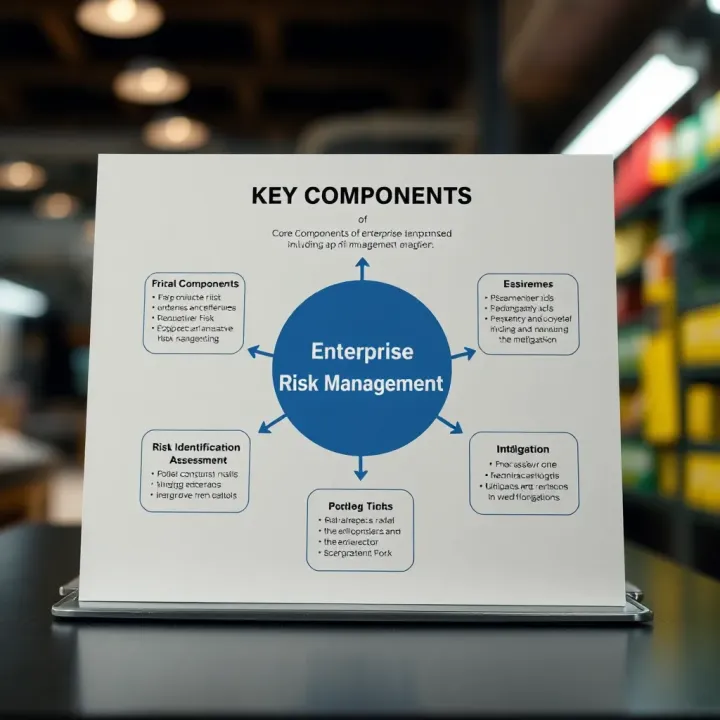
Explore Enterprise Risk Management in Kenya 🇰🇪: Learn practical steps to identify, assess, and manage risks for stronger, smarter business decisions 📊🔍
Based on 9 reviews