

Understanding Forex Trading for Kenyan Traders
🌍 Learn how forex trading works in Kenya, discover key players, strategies, risks, and the tools you need to trade currencies confidently in the global market.
Edited By
James Ashton
Forex trading can be a profitable endeavour, but it carries real risks, especially for beginners. To help traders avoid losing their hard-earned KSh, many brokers provide forex trading demo accounts. These demo accounts create a risk-free environment where you can practise buying and selling currencies using virtual money instead of real cash.
Demo accounts simulate live market conditions, allowing you to test strategies and get familiar with trading platforms. Imagine you are at the Nyamasaria market, trying different ways to bargain without spending any shillings. That's essentially what a demo account offers but in the financial markets.
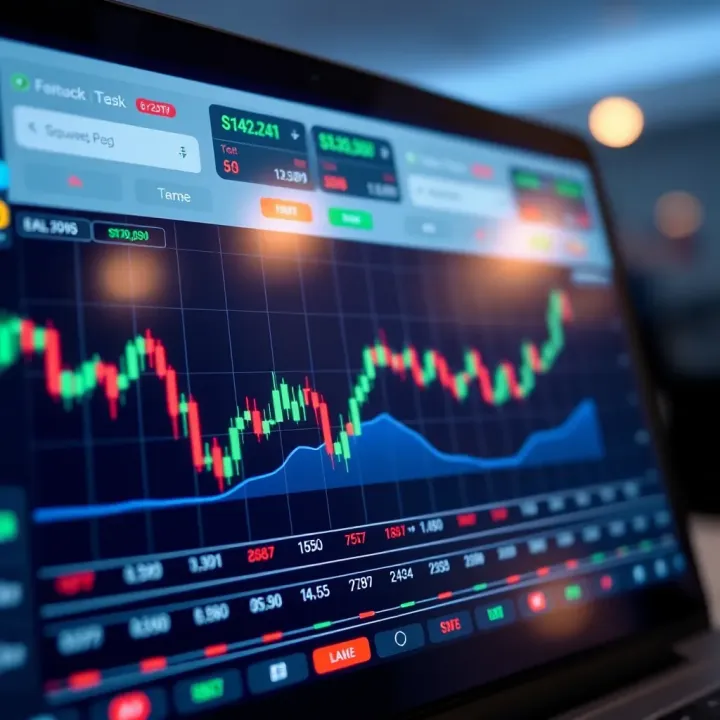
A forex demo account is your training ground. It helps you understand market moves, the impact of leverage, and how quick decisions affect your trades — all without risking a cent.
When you open a demo account, you receive virtual funds, often between KSh 100,000 and KSh 1 million worth of simulated money. You trade on charts and tools that mirror real-time currency prices. Movements in pairs like USD/KES or EUR/USD reflect actual market changes. This setup lets you practice entry and exit points, stop-loss orders, and take-profit strategies.
Hands-on Learning: You can try different trading tactics and see what works in actual market conditions.
No Financial Pressure: Without real money involved, your decisions won't affect your wallet, letting you learn without stress.
Familiarise with Platforms: Brokers such as SBG Securities, HF Markets, and Exness Kenya provide platforms worth exploring to see which suits your trading style.
Understand Risk Management: Test how stop losses and limits work before applying them to real trades.
Treat your demo trading like the real thing — avoid the temptation to take unnecessary risks.
Keep a trading journal noting both wins and losses to analyse your approach.
Transition to real trading gradually, starting with small amounts to avoid shock losses.
Using a demo account wisely improves your chances of success and guards you against common pitfalls Kenyan traders face when starting out. You get a safe space to build your skills, increasing confidence before risking real cash on the forex market.
A forex trading demo account is essentially a practice platform that replicates the real forex market without putting your actual money at risk. For Kenyan traders, this setup is vital as it provides a safe space to understand how forex trading works before moving to live markets. It caters to beginners learning the ropes and experienced traders testing new strategies without financial pressure.
A demo account offers a simulated trading environment mirroring real market dynamics. This means that traders can buy or sell currency pairs just like in live trading, but the transactions involve virtual money. Such an environment closely tracks price movements and spreads, allowing you to experience genuine market conditions. Practically speaking, this setup helps you get familiar with how currency pairs fluctuate throughout the day, how news events impact prices, and how the trading platform operates.
The biggest draw of a demo account is the ability to practise without risking capital. Imagine a Kenyan trader trying to understand what happens when the US dollar strengthens against the Kenyan shilling (KES). Instead of risking KSh 10,000, they can simulate this situation in the demo account, observing potential gains or losses without actual financial consequences. This reduces the anxiety new traders face and encourages experimentation, which is crucial for building skills.
Demo accounts come loaded with virtual funds—often a set amount such as KSh 1,000,000 or more—that traders use to place orders. These funds behave like real money but exist only within the platform. This means you can make both profits and losses, but your real bank or M-Pesa wallet remains untouched. This virtual capital allows Kenyan traders to understand order placement, leverage, margin requirements, and risk management without any genuine financial pressure.
One important feature of forex demo accounts is that they provide real-time or near real-time market data. This lets traders react to live price changes and economic releases as they would in actual trading. For example, if the Central Bank of Kenya adjusts its base rate, your demo account will reflect these market moves, helping you practice timely decision-making. Having access to live data ensures that your demo experience isn’t outdated or imaginary but reflects current global forex conditions.
Using a forex demo account is like having a dress rehearsal for actual trading. It helps you learn the basics, try out strategies, and build confidence without risking your hard-earned shillings.
By starting with a demo account, Kenyan traders can step into the forex market prepared, with practical understanding and no immediate financial risk. This foundation is key for anyone serious about trading currencies effectively and responsibly.
Using a forex demo account brings several practical benefits for Kenyan traders starting their forex journey. Beyond just being a risk-free playground, these accounts are essential for developing a solid understanding of how forex markets work, testing strategies safely, and cultivating the discipline needed when real money is on the line.
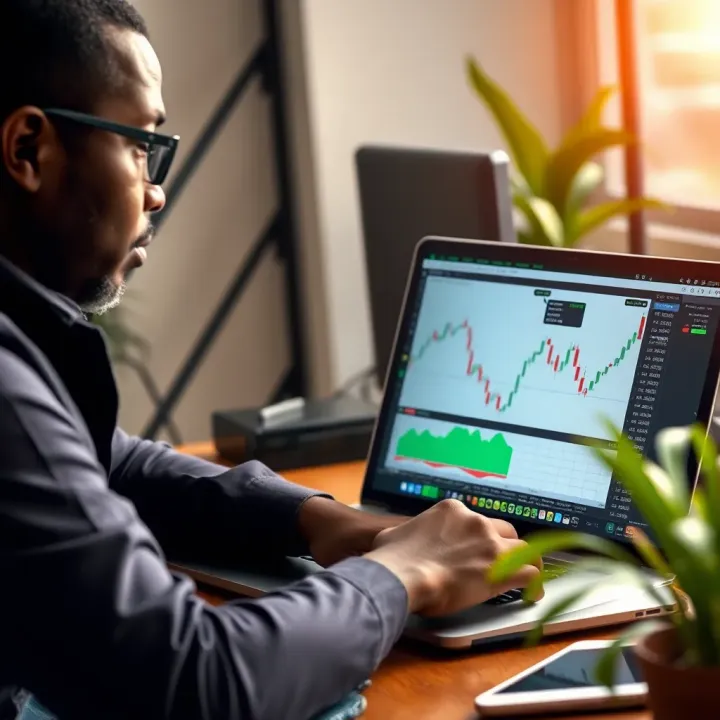
Understanding currency pairs and spreads is fundamental for any trader. In forex, you always trade in pairs—say USD/KES or EUR/USD—which means you are buying one currency while simultaneously selling another. The difference between the buying (bid) and selling (ask) price is known as the spread. Demo accounts allow you to see how these spreads fluctuate in real time without risking any capital. For example, during busy trading hours, spreads might tighten, giving you better trading conditions. Seeing this firsthand helps you understand how timing affects costs in actual trading.
Familiarising with trading platforms is another key advantage. Most Kenyan traders access forex through platforms like MetaTrader 4 or 5, or local brokers’ web apps linked to mobile money services such as M-Pesa. A demo account lets you explore these interfaces fully—placing trades, setting stop-loss orders, reading charts, and using indicators. This experience prevents costly errors when switching to a live account and makes the trading process smoother and more confident.
Risk-free strategy evaluation is perhaps the biggest draw of demo accounts. You can try various approaches—scalping, day trading, or swing trading—without the pressure of losing KSh. For instance, you might explore a news-based strategy around CBK announcements or gauge how technical signals perform during Kenya’s trading hours. This freedom to experiment sharpens your skills, showing you what works and what doesn’t.
Improving decision-making skills goes hand in hand with strategy testing. Real trading demands quick and accurate choices, but beginners often hesitate or rush in blindly. Practising with a demo account helps build the discipline to analyse charts, assess risk-reward ratios, and manage trades calmly. Over time, this improves your ability to stick to plans and avoid emotional trades once you move into live settings.
Managing emotions in trading can make or break your success. Demo accounts let you experience market ups and downs without seeing your bank balance take a hit. This exposure helps you recognise the emotional challenges—fear, greed, impatience—that typically affect new traders. Managing these feelings while practising builds emotional resilience, a skill as valuable as any technical indicator.
Practising money management in a demo setting prepares you to handle your capital responsibly when trading live. You can simulate setting stop-loss limits, determining position sizes, and applying risk rules like never risking more than 2% of your trading account on a single trade. These habits become second nature through demo practise, helping you protect your real funds and survive volatile market phases.
A forex demo account is not just a training tool—it is a rehearsal space where Kenyan traders sharpen their skills, learn to handle emotions, and prepare for the real challenges of the forex market without risking their hard-earned shillings.
By taking full advantage of these benefits, new traders can step into live forex trading with a clearer understanding and greater confidence, boosting their chances of success in the competitive forex space.
Selecting the right forex demo account is crucial for Kenyan traders aiming to build skills without risking real cash. A demo that fits your needs can improve learning efficiency, familiarise you with local trading conditions, and prepare you better for live markets. This decision hinges on several practical factors, including the broker’s reliability, platform ease of use, and available support.
Choosing a demo account from a reputable broker is key. Look for brokers regulated by recognised authorities such as the Capital Markets Authority (CMA) in Kenya or respected international bodies like the Financial Conduct Authority (FCA). Regulation ensures the broker adheres to certain standards, safeguarding your interests even at the demo level. For instance, a CMA-regulated broker often offers a platform aligned with Kenyan market realities, including KSh deposit options and appropriate customer protection measures.
Beware of brokers with vague backgrounds or lacking clear regulation. A demo account might feel similar, but transitioning to live trading could expose you to unnecessary risks. Ideally, pick brokers with transparent practices and positive user reviews from Kenyan traders.
The demo platform should be user-friendly and offer tools similar to those you will encounter when trading live. Pay attention to features like charting tools, technical indicators, order types, and real-time price feeds. A platform that's too complicated might overwhelm you, while a basic one could limit your practice scope.
MetaTrader 4 (MT4) and MetaTrader 5 (MT5) are common examples popular with Kenyan traders. Their demo versions provide close-to-real trading experiences, letting you test various strategies and get comfortable placing trades. Also, mobile compatibility matters since many Kenyan traders rely on smartphones due to limited desktop access. The demo should work smoothly across devices.
Having quick and helpful local support can save you loads of frustration. Support should be reachable via phone, WhatsApp, or live chat during Kenyan business hours. Brokers with teams familiar with the Kenyan market understand issues specific to the local economy, such as dealing with M-Pesa payments or local banking challenges.
For instance, if you hit a snag funding your demo account or accessing certain features, a support team that speaks your language and works within East Africa Time (EAT) can resolve the matter swiftly. This local touch also reflects the broker’s commitment to Kenyan clients.
Some forex platforms have integrated M-Pesa payments, courtesy of Safaricom’s widespread use. This linkage makes deposits and withdrawals effortless, removing common barriers faced by Kenyan traders. Demo accounts on such platforms often replicate this convenience, meaning when you switch to live trading, your transition is smoother.
Platforms tied to Safaricom also tend to be popular locally, so you get access to community support and learning resources tailored for Kenyan users. This can come in handy when starting out or troubleshooting common issues.
Several well-known international brokers openly accept Kenyan traders. These include brokers like XM, Exness, and Pepperstone. Their demo accounts typically offer advanced tools, competitive spreads, and access to global currency pairs.
With these brokers, you gain exposure to international forex standards and can test strategies used worldwide. However, you should verify if they provide tailored payment methods like M-Pesa or bank transfers popular in Kenya. Also, check whether they offer support during Kenyan trading hours, as delays can affect your learning process.
Choosing the right demo account tailored to Kenyan traders' needs helps bridge practice and real trading, setting a solid foundation for success.
Using a forex trading demo account is more beneficial when paired with solid best practices. It’s not just about trying trades without risking KSh, but how you approach this simulated environment that counts. Proper strategies help you gain meaningful experience, avoid bad habits, and prepare for real trading.
Defining clear learning objectives is vital to make your demo trading purposeful. Instead of aimlessly clicking buy or sell, set specific targets such as understanding how spreads move on different currency pairs or practicing the use of stop-loss orders. For example, you might focus on mastering how to read candlestick patterns or testing a strategy during Kenya’s market hours. Clear goals keep your efforts focused and make your progress measurable.
Tracking progress regularly also plays a critical role. Keep a trading journal where you note the trades you make, why you took them, and the results. This habit helps you identify patterns in your decision-making and spot mistakes early. For instance, if you notice that a particular strategy loses most during volatile times like the US Federal Reserve announcements, you can adjust accordingly. Regular reviews ensure you learn continuously, rather than repeating the same errors.
Limiting use of demo funds is an essential step to mimic real trading. Instead of using an unlimited virtual balance, restrict the amount to what you realistically expect to trade in your live account, say KS0,000 or KS00,000. This approach forces you to make more thoughtful decisions and manage risk as you would with actual money. It also educates you on position sizing and exposure.
Imposing discipline and time limits on demo trading sessions prepares you mentally for real markets. Avoid leaving your demo account open all day without focus. Set fixed trading hours, like during Nairobi’s morning session or the London market opening, to concentrate on market behaviour and your strategies in those periods. Discipline in timing, as in limiting the number of trades per day, cultivates habits that prevent impulsive or overtrading tendencies.
Recognising the demo-to-live differences is probably the biggest reality check. Demo accounts lack the psychological pressure of real money at risk. For example, you might see consistent profits in the demo but panic or hesitate when stakes are actual KSh. Expect slippage or execution delays in live trading that a demo might not show. Being aware helps prepare emotionally and practically to handle those stresses and surprises.
Starting with small capital when moving to live trading reduces risk and builds confidence gradually. Even if your demo account shows good results, begin with a modest amount, say KS0,000 or less, to ease into real markets. You’ll learn how to cope with the emotional swings that come with real losses or gains without jeopardising your financial wellbeing. This step bridges your demo experience with practical, scaled learning.
Practising with discipline and real-world limits transforms demo trading from a simple practice tool into a foundation for profitable and confident live trading.
Implementing these best practices turns a forex demo account into a genuine learning platform that equips you well for the challenges Kenyan traders face in real forex markets.
Using a forex demo account is a great way to gain trading experience without risking real money. However, it comes with its own set of challenges that, if overlooked, can misguide Kenyan traders on their path to live forex trading. Recognising these common pitfalls can help you navigate demo trading smarter and avoid setbacks that could cost you when you switch to a live account.
Demo trading screens you from the emotional pressure you feel when your own money is on the line. For instance, winning many trades on a demo account might make you feel like you have a winning formula. But live trading involves stress from potential losses, market volatility, and even trading disruptions such as delays or slippage, which are less noticeable in demo settings. These emotional hurdles can affect your decision-making and cause you to panic or take unnecessary risks.
It’s key to remember that success in a demo account doesn’t guarantee the same results live. The virtual money in demo trading cushions losses. In real trading, the fear of losing KSh could make you hesitate or exit trades too early. To stay grounded, set achievable goals during your demo period and view this as a learning phase, not a shortcut to instant profit. Keep notes on mistakes and wins alike so you maintain a realistic view of your progress.
Spending too long on demo trading can keep you stuck in practice mode without taking the necessary leap into live markets. This delay could cause you to miss real opportunities and stall your progress. Set a timeline or milestones to reach before moving on. For example, after consistently practising with discipline and testing strategies for three months, consider opening a live account with a small capital of, say, KSh 5,000 to gain real market exposure.
While practising on demo is valuable, it should not replace live trading entirely. Applying what you’ve learned in real market conditions improves your skills much faster. Balancing both means dividing your time deliberately—for example, using demo accounts for strategy testing and live accounts for executing planned trades. By doing so, you avoid becoming too comfortable in the risk-free zone and prepare yourself for genuine market challenges.
The key takeaway is to treat forex demo accounts as a tool rather than a final destination. They help build skills but don’t replicate every aspect of trading live. Stay aware of these common challenges, manage your expectations, and plan the transition to real trading well to increase your chances of success.
🌍 Learn how forex trading works in Kenya, discover key players, strategies, risks, and the tools you need to trade currencies confidently in the global market.
📈 Navigate forex trading confidently with our clear guide to essential terms every Kenyan trader must know. Gain practical insights to trade smarter in Kenya's vibrant market.

Discover how forex trading works in Kenya 🇰🇪. Learn to start, manage risks, and choose platforms for smart currency trading in the Kenyan market 💱.

📊 Explore forex trading accounts in Kenya: types, how to open, fund, manage risks, fees, regulations & tips to avoid scams for smarter trading decisions.
Based on 9 reviews